Why Dr Pepper is Not a PepsiCo Product: Ownership and Distribution Explained
Dr Pepper is not owned by PepsiCo; it is the flagship brand of Keurig Dr Pepper (KDP), an independent North American beverage company. While PepsiCo and The Coca-Cola Company distribute Dr Pepper in various regional markets through lic...
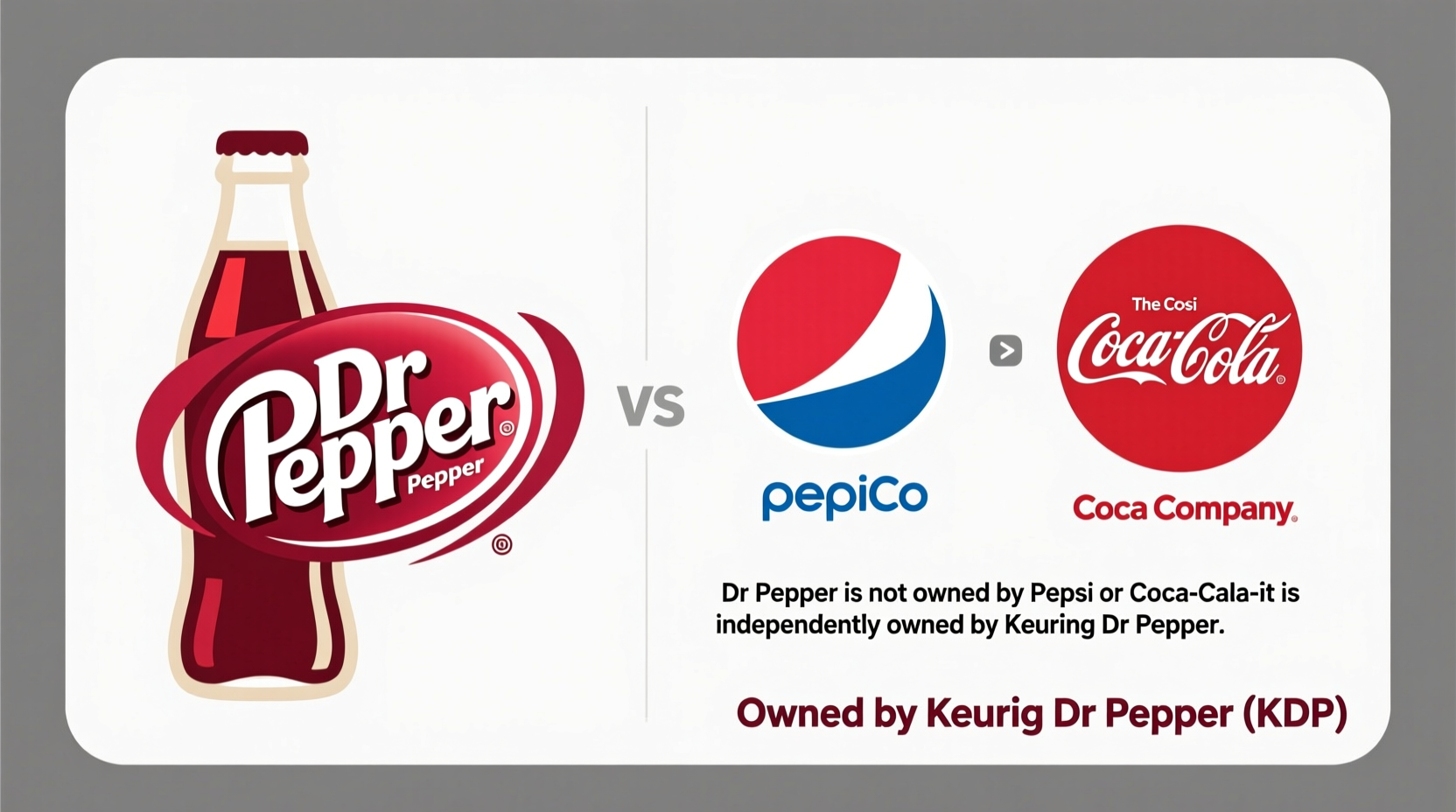
Dr Pepper is not owned by PepsiCo; it is the flagship brand of Keurig Dr Pepper (KDP), an independent North American beverage company. While PepsiCo and The Coca-Cola Company distribute Dr Pepper in various regional markets through licensing agreements, neither owns the brand, its secret formula, or the Keurig Dr Pepper corporate entity.
Contents
For decades, consumers have noticed Dr Pepper appearing alongside Pepsi products in some restaurants and Coca-Cola products in others. This visibility frequently leads to the misconception that Dr Pepper belongs to one of the "Big Two" soda giants. In reality, Dr Pepper occupies a unique space in the beverage industry as a major independent competitor that utilizes its rivals' distribution networks to reach a global audience. Understanding why this arrangement exists requires a look at corporate history, the economics of bottling, and the specific structure of Keurig Dr Pepper in 2026.
The Corporate Identity of Keurig Dr Pepper
Keurig Dr Pepper is a publicly traded company (NASDAQ: KDP) and stands as the third-largest beverage company in North America. As of 2026, it maintains a robust portfolio that includes not only Dr Pepper but also brands like 7UP, Snapple, Canada Dry, Mott’s, and the Keurig coffee brewing system.
The independence of Dr Pepper is a point of pride for the brand, which is actually older than both Coca-Cola and Pepsi. Created by pharmacist Charles Alderton in Waco, Texas, in 1885, Dr Pepper has survived over 140 years of industry consolidation without being fully absorbed by its primary competitors.
The 2018 Merger and Modern Structure
The modern era of the brand began in 2018 when the Dr Pepper Snapple Group merged with Keurig Green Mountain. This $18.7 billion deal created a "total beverage" powerhouse, combining cold sodas and juices with hot coffee technology. By 2026, this integration has allowed KDP to maintain high levels of investment in marketing and innovation, ensuring that Dr Pepper remains a dominant "pepper-style" soda despite not having the massive global infrastructure of PepsiCo.
Why the PepsiCo Ownership Myth Persists
The confusion regarding Dr Pepper's ownership stems almost entirely from distribution logistics. To understand why you see Dr Pepper in a Pepsi fountain, you must understand the difference between a brand owner and a bottler.
The Bottling and Distribution Paradox
Most major beverage companies do not own every bottling plant that produces their soda. Instead, they work with "anchor bottlers" or independent franchisees. Because Keurig Dr Pepper does not have a distribution network as vast as Coca-Cola or PepsiCo, it enters into long-term licensing contracts with its competitors.
In many parts of the United States, PepsiCo-owned bottling plants or independent Pepsi franchisees are paid to bottle and deliver Dr Pepper to local grocery stores and restaurants. In other regions, Coca-Cola bottlers handle these tasks. Because the delivery trucks and the vending machines often feature Pepsi or Coke logos, consumers naturally assume Dr Pepper is a sub-brand of the company providing the equipment.
Regional Licensing Agreements
These licensing agreements are highly specific and vary by geography. For example:
- United States: Distribution is split between KDP’s own bottling system, PepsiCo bottlers, and Coca-Cola bottlers.
- Canada: PepsiCo historically holds the rights to manufacture and distribute Dr Pepper.
- Europe and South Korea: In several international markets, the Coca-Cola Company or its local partners often handle the distribution.
- United Kingdom: Coca-Cola Europacific Partners handles the brand.
These agreements are strictly for manufacturing and logistics. PepsiCo earns a fee for every bottle of Dr Pepper it moves, but it does not keep the profits from the brand's equity, nor does it have any say in the brand's recipe or marketing strategy.
Comparing the "Big Three" Beverage Giants in 2026
To see where Dr Pepper fits into the market landscape, it is helpful to compare the three major players. While KDP is smaller than the other two in terms of total global revenue, it holds a significant "share of throat" in the North American market.
| Feature | The Coca-Cola Company | PepsiCo, Inc. | Keurig Dr Pepper (KDP) |
|---|---|---|---|
| Primary Ownership | Independent Public Co. | Independent Public Co. | Independent Public Co. |
| Flagship Product | Coca-Cola | Pepsi-Cola | Dr Pepper |
| Key Soda Brands | Sprite, Fanta, Fresca | Mountain Dew, 7UP (Intl), Mug | 7UP (US), Canada Dry, Sunkist |
| Non-Soda Portfolio | Minute Maid, Dasani | Lay's, Gatorade, Quaker | Keurig, Snapple, Mott's |
| Dr Pepper Relationship | Regional Distributor | Regional Distributor | Brand Owner |
| Distribution Strategy | Owns/Leases massive network | Owns/Leases massive network | Hybrid (Self + Third Party) |
The Financial Reality: KDP as an Independent Competitor
From an investment and regulatory standpoint, Dr Pepper is a direct competitor to Pepsi. If PepsiCo were to attempt to buy Dr Pepper today, it would likely face significant antitrust scrutiny from the Federal Trade Commission (FTC). The "Big Three" structure of the American soda market is carefully monitored to prevent monopolies.
Keurig Dr Pepper operates as a fully autonomous entity with its own Board of Directors, its own CEO, and its own shareholders. Its financial success is decoupled from PepsiCo's performance. In fact, in recent years leading up to 2026, Dr Pepper has frequently outperformed its rivals in specific growth metrics, particularly among younger demographics who favor its unique 23-flavor profile over traditional colas.
Why KDP Doesn't Build Its Own Network
A common question is: "If Dr Pepper is so successful, why doesn't it just distribute its own soda everywhere?" The answer lies in the massive capital expenditure required. Building a nationwide network of bottling plants, warehouses, and a fleet of thousands of trucks would cost billions of dollars.
By using the "bottling-of-convenience" model, KDP saves on overhead while leveraging the efficiency of existing routes. PepsiCo and Coca-Cola agree to this because the fees they collect from KDP help offset the costs of their own distribution networks. It is a rare example of "co-opetition" in the business world.
International Ownership Differences
Outside of North America, the situation becomes even more complex. In many countries, the rights to the Dr Pepper brand were sold off decades ago to ensure the brand could reach global markets without the original company having to manage international regulations.
In the United Kingdom and parts of Europe, Dr Pepper was historically distributed by Schweppes, which later became part of Coca-Cola’s European bottling network. In Australia, the brand has seen various distributors over the years. Despite these different hands on the bottles, the intellectual property—the "brand" itself—remains distinct from the colas it sits next to on the shelf.
Frequently Asked Questions
Does Pepsi own the recipe for Dr Pepper?
No. The recipe for Dr Pepper is a closely guarded trade secret owned exclusively by Keurig Dr Pepper. While PepsiCo may bottle the drink in certain regions, they are provided with the concentrate (the syrup base) and must follow strict quality control guidelines set by KDP. PepsiCo employees do not have access to the specific chemical makeup of the 23 flavors that define Dr Pepper.
Why is 7UP owned by Dr Pepper in the US but Pepsi internationally?
This is one of the most confusing aspects of the beverage industry. In the United States, the rights to 7UP are owned by Keurig Dr Pepper. However, PepsiCo owns the rights to 7UP in almost all markets outside of the U.S. This occurred because of historical brand sales where the international and domestic rights were split between different corporations during periods of restructuring.
Is Dr Pepper considered a "Pepsi Product" in restaurants?
If a restaurant has a "Pepsi contract," it means they have agreed to buy their fountain equipment and most of their beverages from a Pepsi distributor. Because the Pepsi distributor often carries Dr Pepper (under the licensing agreements mentioned earlier), Dr Pepper is frequently included in that contract. However, it is technically a "third-party brand" served by a Pepsi provider, not a Pepsi brand.
Did Coca-Cola ever try to buy Dr Pepper?
Yes. In the mid-1980s, Coca-Cola attempted to acquire Dr Pepper. However, the FTC blocked the acquisition on the grounds that it would create a monopoly in the carbonated soft drink market. This legal block is one of the primary reasons Dr Pepper remains an independent company today; the government determined that the market was healthier with a strong third player.
How can I tell who bottles my Dr Pepper?
If you look at the fine print on a bottle or can of Dr Pepper, it will usually state "Bottled under the authority of Keurig Dr Pepper, Plano, TX" followed by the name of the specific bottling company. In some cases, it might explicitly name a local Coca-Cola or Pepsi bottling works, confirming the regional distribution agreement.
Summary of Next Actions for Consumers and Researchers
If you are looking to verify the relationship between these companies for investment purposes or consumer clarity, you can take the following steps:
- Check SEC Filings: Review the annual 10-K reports for Keurig Dr Pepper (KDP) and PepsiCo (PEP). These documents legally outline their competitors and partnership agreements.
- Verify Regional Bottlers: If you are a business owner looking to stock Dr Pepper, contact your local beverage distributor. They will clarify whether the brand falls under the local Pepsi or Coke distribution umbrella in your specific zip code.
- Monitor Brand Partnerships: In 2026, keep an eye on KDP’s marketing. Their independent campaigns often highlight their distinct identity to separate themselves from the "cola wars" between Coke and Pepsi.
By recognizing that Dr Pepper is an independent entity that simply "hitches a ride" on its competitors' trucks, you can better understand the complex but efficient nature of the modern global beverage market.
Image Gallery