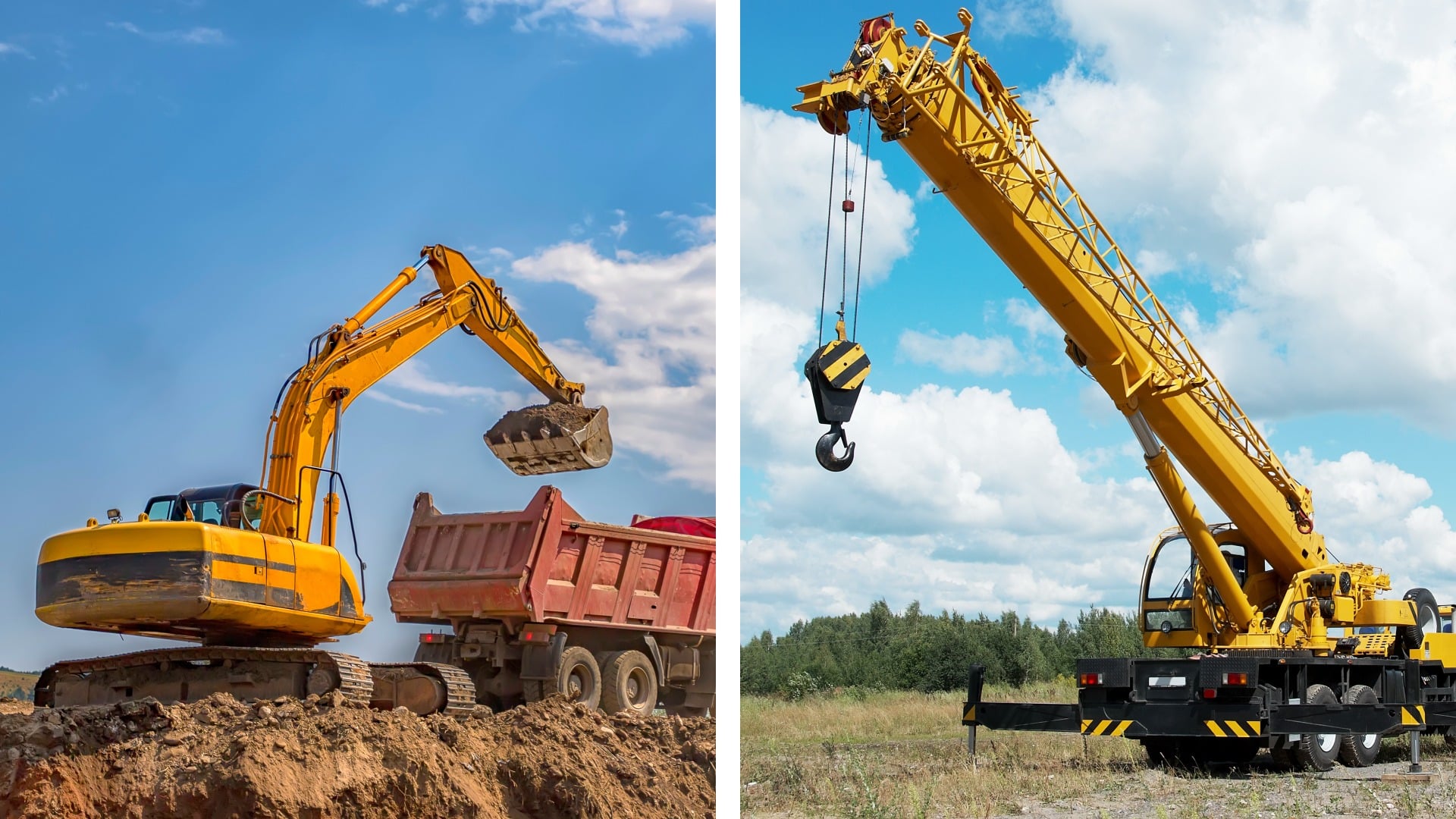
Comprehensive Guidelines for General Crane Use in Construction
General crane use in construction involves the deployment of specialized heavy lifting equipment—such as tower, mobile, or overhead cranes—to move structural materials, machinery, and equipment vertically and horizontally across a job...
General crane use in construction involves the deployment of specialized heavy lifting equipment—such as tower, mobile, or overhead cranes—to move structural materials, machinery, and equipment vertically and horizontally across a job site. Operational safety, load management, and rigorous adherence to standardized signaling and site preparation protocols form the foundation of efficient, accident-free construction crane activity.
Contents
The Fundamentals of Crane Selection and Site Assessment
Before a crane arrives at a construction site in 2026, project managers must complete a thorough site assessment. This process identifies the required load capacities, reach, and environmental constraints. Selecting the correct machine is not merely a matter of lift capacity; it requires an evaluation of the site’s topography, soil stability, and proximity to overhead obstructions like power lines or existing structures.
The initial planning phase involves determining whether the project requires a static tower crane—often anchored to a concrete pad or climbing up the side of a building—or a mobile crane, such as a truck-mounted or crawler crane, which offers higher flexibility for non-stationary tasks. Engineers must calculate the radius of operation, ensuring the crane’s load chart is strictly followed to prevent structural failure or tipping.
Critical Safety Protocols and Regulatory Compliance
In the construction industry, crane operation is governed by stringent regulatory standards, such as those established by the Occupational Safety and Health Administration (OSHA) in the United States and similar national safety bodies globally. Compliance starts with the certification of the equipment and the licensing of the operator.
Every crane must undergo a documented inspection before the commencement of each shift. This "pre-shift inspection" covers wire ropes, hydraulic systems, braking mechanisms, and control systems. Furthermore, the exclusion zone—the area underneath and around the crane’s swing path—must be clearly demarcated to prevent unauthorized personnel from entering active lift zones. Communication between the crane operator and the ground crew is essential, typically maintained through standardized hand signals or high-frequency two-way radios to ensure precise load placement.
Managing Loads: Techniques and Limitations
The science of "rigging" is as vital as the machine itself. Rigging involves the use of chains, slings, shackles, and spreaders to secure a load to the crane’s hook. An improperly rigged load is the most common cause of dropped objects on construction sites.
- Center of Gravity: The rigging crew must identify the center of gravity of every load to ensure it remains balanced during the lift.
- Dynamic Loading: Operators must account for wind speeds and sudden movements, which can increase the effective weight of a load through dynamic force, potentially exceeding the crane's rated capacity.
- Taglines: The use of taglines is mandatory for controlling the orientation of a suspended load, allowing the ground crew to guide the material safely into position without manually touching the load near its landing zone.
Comparison of Primary Construction Crane Types
Choosing the correct crane is essential for both project safety and economic efficiency. The following table provides a comparison of the most common crane types utilized in modern construction.
| Crane Type | Mobility | Best Application | Key Constraint |
|---|---|---|---|
| Tower Crane | Static | High-rise construction | Requires extensive assembly |
| Crawler Crane | High (tracks) | Heavy civil engineering | Requires flat, stable ground |
| Mobile/Truck | High (road) | Short-term site projects | Limited stability on soft soil |
| All-Terrain | Very High | Rough, remote job sites | Higher mobilization costs |
Operational Challenges and Troubleshooting
Despite rigorous planning, site conditions can change unexpectedly. High wind speeds are the most frequent cause of operational suspension. Most manufacturers provide a maximum allowable wind speed for safe operation, typically measured by an anemometer mounted at the highest point of the crane. If winds exceed these limits, the crane must be placed into an "out-of-service" state, which often involves weather-vanning the jib to allow it to rotate freely with the wind.
Another significant operational hurdle is "side loading," where a crane attempts to drag a load horizontally rather than lifting it vertically. This exerts dangerous lateral forces on the boom, which can lead to catastrophic structural failure. Operators are trained to ensure the hook block is positioned directly over the center of the load before initiating any lift to maintain the integrity of the crane’s structural components.
Essential Roles on the Job Site
The success of general crane use depends on a coordinated team rather than just the operator. The following roles are critical for every lift:
- Crane Operator: The licensed professional responsible for the movement and control of the machine.
- Rigger/Slinger: The individual responsible for attaching the load, inspecting rigging hardware, and ensuring the load is stable.
- Signaler/Dogman: The eyes on the ground who communicate directly with the operator to guide the load, especially when the operator’s vision is obstructed.
- Lift Supervisor: The individual tasked with ensuring that all safety protocols, load charts, and weather conditions are reviewed before the lift begins.
Frequently Asked Questions
What is a load chart and why must it be followed? A load chart is a technical document provided by the manufacturer that specifies the crane's maximum lifting capacity at various radii and boom angles. It must be followed because operating outside these limits can cause the crane to tip or the boom to buckle.
How is a crane’s stability maintained on soft ground? Stability on soft ground is achieved through the use of outrigger pads or crane mats. These large, high-density polyethylene or timber mats distribute the heavy pressure exerted by the crane’s outriggers over a larger surface area, preventing the crane from sinking into the subgrade.
What happens if communication is lost between the rigger and the operator? Standard safety protocol mandates an immediate "stop" signal. All movement must cease until a clear line of communication is re-established. Cranes should never be operated "blind" or by guess.
Are there specific certifications required for crane operators? Yes. In most jurisdictions, operators must hold a nationally recognized certificate of competency or a state-issued license. Requirements often include both written examinations and practical hands-on assessments to prove proficiency with specific crane types.
How do you prevent collisions between multiple cranes? On large sites with multiple tower cranes, anti-collision systems are installed. These electronic sensors monitor the position of each crane’s jib and hook, automatically triggering a slowdown or stop if two cranes come within a dangerous proximity to one another.
Next Steps for Site Safety
To ensure compliance and efficiency, project managers should conduct a formal "lift plan" review for every major move. This document should detail the weight of the load, the equipment to be used, the credentials of the crew, and the emergency response procedures. Always consult the official operations manual for your specific crane model and adhere strictly to the guidelines issued by your local construction authority or labor department. Proper maintenance and ongoing training for the crew are the most effective investments in long-term site safety and productivity.
Image Gallery