Mastering Project Due Diligence Frameworks for 2026 Strategic Initiatives
Project due diligence is the rigorous, systematic investigation and evaluation of a proposed initiative, investment, or operational undertaking to verify its viability, uncover hidden risks, and validate projected outcomes before capit...
Project due diligence is the rigorous, systematic investigation and evaluation of a proposed initiative, investment, or operational undertaking to verify its viability, uncover hidden risks, and validate projected outcomes before capital allocation. Executing this process effectively requires a structured framework that balances technical feasibility, financial exposure, regulatory compliance, and strategic alignment to safeguard organizational assets.
Contents
The Core Foundations and Objectives of Project Due Diligence
Every successful enterprise initiative begins with a clear understanding of why due diligence is necessary. At its core, project due diligence acts as a defensive shield and an offensive validation tool. It moves an organization beyond hopeful assumptions and forces a confrontation with hard data, operational realities, and market constraints.
When evaluating a new project, stakeholders must look beyond surface-level business cases. The primary objective is to de-risk the investment by establishing a baseline of truth across multiple operational vectors.
- Capital Protection: Ensuring that invested funds align with realistic return expectations and cash flow timelines.
- Risk Identification: Uncovering legal, technical, and regulatory obstacles before they manifest as costly failures.
- Resource Optimization: Validating whether internal teams possess the capacity and technical proficiency to execute the mandate.
- Strategic Alignment: Confirming that the project directly supports broader organizational milestones and market positioning.
Failing to establish a rigorous evaluation protocol often leads to scope creep, budget overruns, and catastrophic strategic drift. By codifying these foundations, leadership teams can make objective, evidence-based Go/No-Go decisions.
Critical Pillars of Comprehensive Evaluation
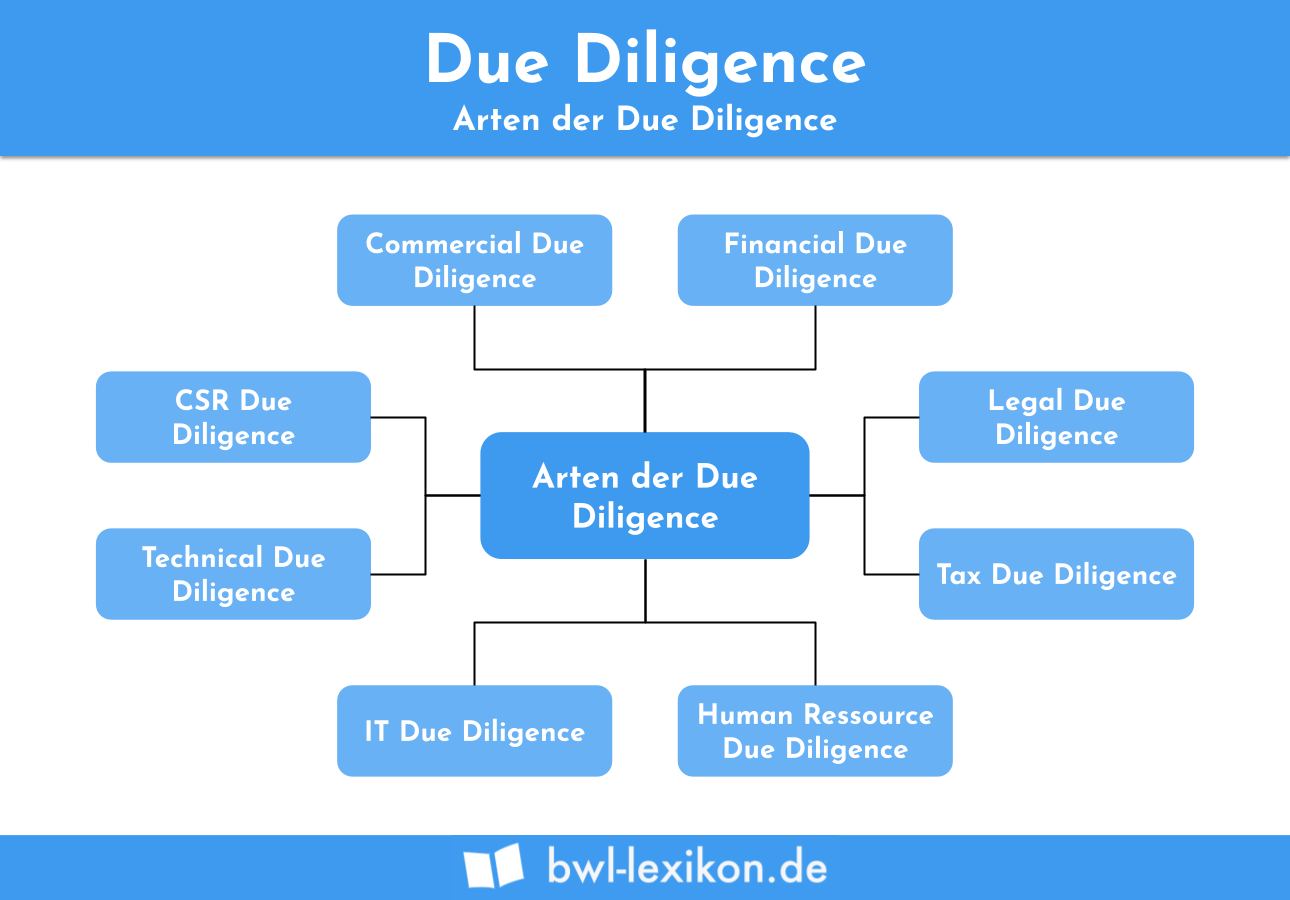
A robust due diligence framework is never monolithic; it spans several specialized domains. Each pillar requires dedicated scrutiny from subject matter experts to ensure no blind spots remain.
Financial and Economic Due Diligence
The financial pillar examines the economic engine of the project. It requires a forensic review of cost structures, revenue projections, and capital expenditure (CapEx) versus operational expenditure (OpEx) models. Analysts must stress-test financial assumptions against realistic market downturns and supply chain disruptions.
- Cash Flow Modeling: Evaluating net present value (NPV), internal rate of return (IRR), and payback periods under varying economic scenarios.
- Cost Realism: Auditing initial estimates for hardware, software licensing, talent acquisition, and long-term maintenance.
- Contingency Planning: Ensuring adequate financial buffers are built into the budget to absorb unforeseen market shifts.
Technical and Architectural Viability
Technical due diligence assesses whether the proposed solution can actually be built, scaled, and maintained. This involves reviewing system architecture, technology stacks, cybersecurity protocols, and integration pathways with existing enterprise legacy systems.
- Scalability Assessment: Determining how the infrastructure handles peak loads and future data volume growth.
- Vendor Dependency: Evaluating the risks associated with proprietary third-party software, cloud providers, and open-source dependencies.
- Security Posture: Reviewing adherence to modern cybersecurity frameworks, data encryption standards, and vulnerability management processes.
Legal, Regulatory, and Compliance Scrutiny
Operating in modern markets requires strict adherence to evolving regulatory frameworks. Legal due diligence uncovers potential liabilities related to intellectual property, data privacy laws, labor regulations, and industry-specific mandates.
- Data Sovereignty and Privacy: Ensuring compliance with regional and international data protection regulations.
- Intellectual Property (IP) Clearance: Verifying that the project does not infringe on existing patents, trademarks, or copyrights.
- Contractual Obligations: Reviewing service level agreements (SLAs), vendor contracts, and partnership terms for hidden liabilities.
Methodological Comparison of Due Diligence Approaches
Organizations can approach project due diligence through various lenses depending on the nature and urgency of the initiative. The following matrix compares the primary methodologies utilized by modern strategy teams.
| Methodology | Primary Focus | Speed of Execution | Depth of Analysis | Best Suited For |
|---|---|---|---|---|
| Rapid Assessment | High-level feasibility & strategic fit | Fast (1 to 2 Weeks) | Moderate | Internal process changes, minor software upgrades |
| Comprehensive Audit | Deep financial, legal, and technical review | Extended (4 to 12 Weeks) | Exhaustive | Mergers, acquisitions, major capital investments |
| Agile Validation | Iterative risk testing via proof-of-concept | Ongoing | Focused | Custom software development, innovative product launches |
| Regulatory Compliance Check | Legal exposure and data governance | Moderate (2 to 4 Weeks) | Specialized | FinTech, healthcare, and highly regulated sectors |
Step-by-Step Execution Workflow
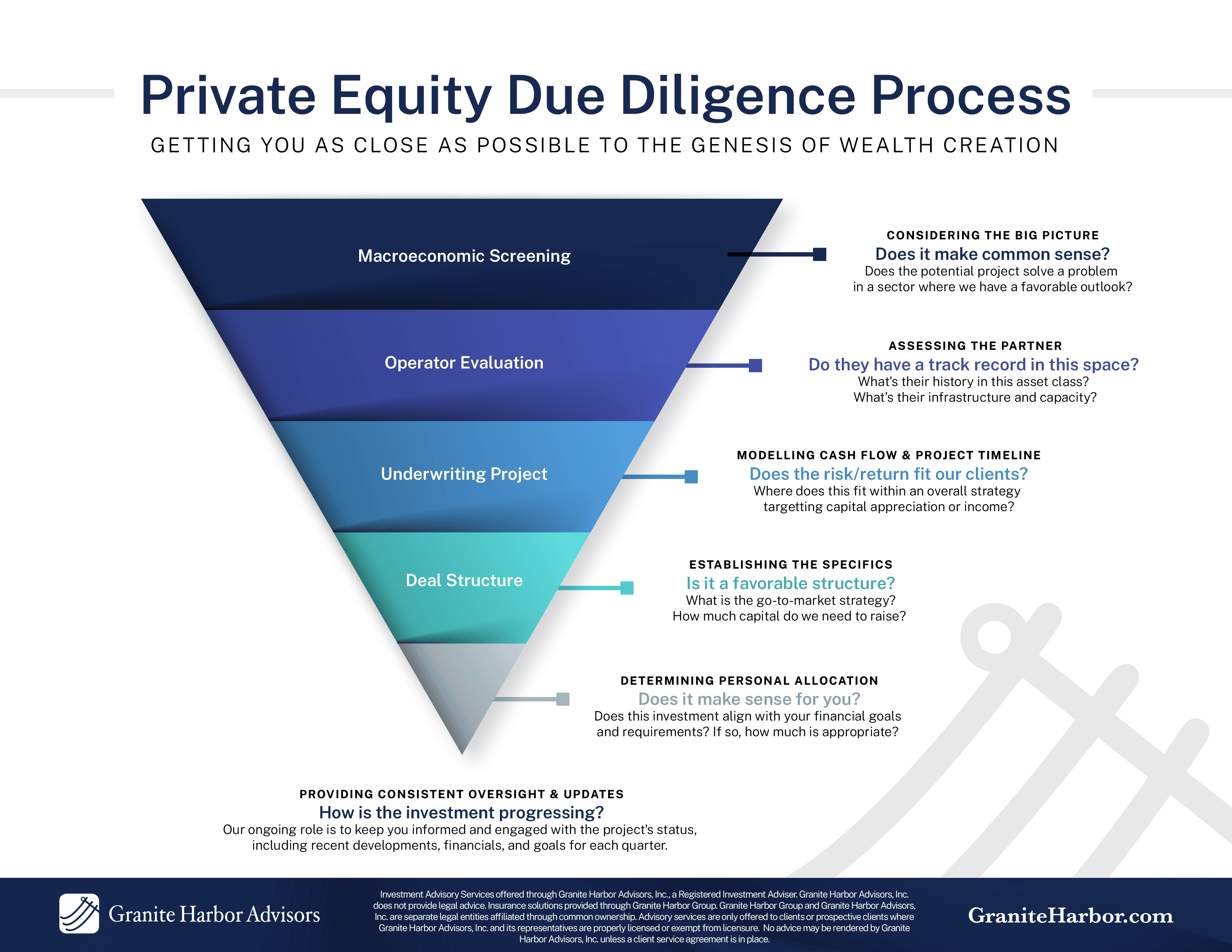
Executing a project due diligence workflow requires a disciplined, sequential approach. Skipping phases or rushing analysis frequently compromises the integrity of the final decision.
Phase 1: Scoping and Team Assembly
Define the boundaries of the project and assemble a cross-functional evaluation team. Include representatives from finance, legal, engineering, operations, and executive leadership. Establish clear documentation standards and communication channels.
Phase 2: Data Collection and Virtual Data Room (VDR) Setup
Gather all relevant documentation, including architectural blueprints, financial pro formas, contract drafts, and market research reports. Centralize these assets in a secure, access-controlled virtual data room to facilitate review.
Phase 3: Deep-Dive Analysis and Risk Scoring
Distribute the gathered data to respective domain experts. Each team evaluates their assigned pillar, identifies red flags, and assigns risk scores to potential vulnerabilities. Create a comprehensive risk register documenting probability and potential impact.
Phase 4: Synthesis, Stress Testing, and Reporting
Consolidate individual findings into an executive due diligence report. Stress test the core business case against the identified risks and develop mitigation strategies for unavoidable hurdles.
Phase 5: Final Decision Gate and Action Plan
Present the findings to the steering committee or board of directors. Execute a definitive vote to approve, modify, or reject the project. If approved, transition the due diligence findings directly into the project management execution phase as risk-mitigation directives.
Common Pitfalls and Mitigation Strategies
Even experienced organizations fall into predictable traps during project evaluations. Recognizing these mistakes is the first step toward effective mitigation.
- Confirmation Bias: Teams often fall in love with an idea and search only for data that confirms its brilliance. Mitigate this by appointing a dedicated "devil's advocate" or independent review board to challenge core assumptions.
- Analysis Paralysis: Waiting for 100% certainty can stall projects indefinitely in fast-moving markets. Balance exhaustive research with pragmatic decision gates based on risk thresholds.
- Siloed Evaluation: Conducting technical reviews without consulting finance or legal leads to fragmented insights. Ensure continuous cross-functional communication throughout every phase of the audit.
- Ignoring Operational Integration: Focusing solely on the build phase while neglecting how the project will be integrated into day-to-day operations. Always evaluate the ongoing change management and training requirements.
Frequently Asked Questions
What is the primary purpose of project due diligence?
The primary purpose is to systematically evaluate a proposed initiative's financial, technical, and legal viability to minimize risk and validate expected returns before committing resources. It ensures leadership makes objective, data-backed decisions.
How long does a comprehensive project due diligence process take?
Timelines vary significantly based on project scale and complexity, ranging from two weeks for rapid internal assessments to three months or more for large-scale enterprise mergers, infrastructure builds, or regulatory-heavy initiatives.
Who should be included on a project due diligence team?
A successful due diligence team requires cross-functional representation, typically including financial analysts, technical architects, legal counsel, risk management specialists, and operational leaders who understand day-to-day execution realities.
What happens if critical risks are discovered during the evaluation?
Discovered risks are logged in a risk register and evaluated for severity. Depending on the impact, the project team will either develop concrete mitigation strategies, restructure the project scope, or recommend a complete halt to the initiative.
Is project due diligence only necessary for large investments?
No. While large capital investments require exhaustive audits, scaled-down due diligence frameworks are valuable for projects of any size to prevent scope creep, resource misallocation, and unforeseen operational friction.
Strategic Recommendation
To maximize the efficacy of your next strategic initiative, institutionalize a standardized due diligence checklist tailored to your industry's specific regulatory and technical requirements. Treat due diligence not as a bureaucratic gatekeeping exercise, but as a dynamic blueprint for operational resilience. Begin by auditing your current evaluation workflows, establishing clear cross-functional accountability, and ensuring that every future project is rigorously stress-tested before capital deployment begins.
Image Gallery