How to Compare Life Insurance in Highland: A 2026 Comprehensive Guide
To compare life insurance in the Highland region, you must evaluate national provider rates against specialized local brokerages. Start by determining your required sum assured based on current inflation, then use digital comparison to...
To compare life insurance in the Highland region, you must evaluate national provider rates against specialized local brokerages. Start by determining your required sum assured based on current inflation, then use digital comparison tools to filter by policy type—such as term or whole-of-life—while verifying regional availability and local advisory support.
Contents
Comparing life insurance requires a nuanced understanding of both the financial products available and the specific socio-economic factors of your location. Whether you are a resident of the Highland Council area in Scotland or a citizen in one of the Highland municipalities in the United States, "Highland" represents a community where local expertise often bridges the gap between generic national policies and personalized protection. In 2026, the insurance market has moved toward highly individualized underwriting, making a detailed comparison more critical than ever.
Understanding the Landscape of Life Insurance in 2026
The life insurance industry in 2026 is defined by the integration of real-time health data and precision underwriting. For residents in Highland, this means that the "standard" premium is increasingly rare. Instead, providers use advanced algorithms to assess your lifestyle, local environment, and even your activity levels via wearable technology.
When you begin to compare life insurance, you are essentially looking at how different companies price the risk of your mortality. In the Highland region, factors such as proximity to healthcare facilities, local occupational hazards (e.g., agriculture, forestry, or offshore work in the Scottish Highlands), and regional life expectancy are all baked into the actuarial tables used by insurers.
Primary Policy Categories
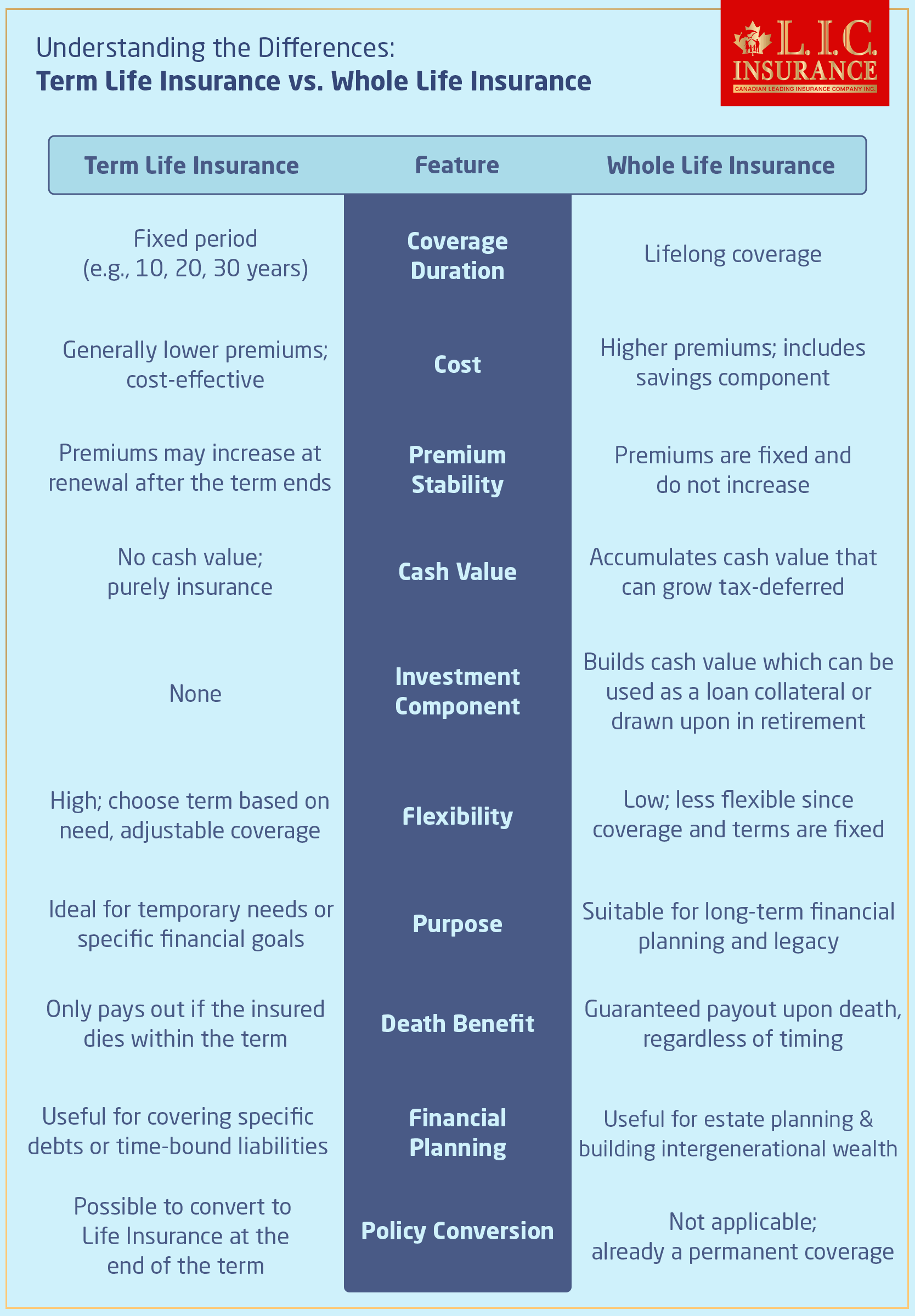
Before comparing brands, you must compare structures. There are three primary paths most residents take:
- Level Term Life Insurance: This is the most straightforward option. You are covered for a specific period (the term), and the payout remains the same throughout. It is ideal for covering fixed-term liabilities like mortgages.
- Decreasing Term Life Insurance: Often used for repayment mortgages, the potential payout decreases over time, usually in line with your debt. This is generally the most affordable way to ensure a family home remains secure.
- Whole-of-Life Insurance: This policy has no expiry date; it pays out whenever you pass away. Because a payout is guaranteed, premiums are significantly higher. In 2026, these are frequently used as "wealth transfer" tools to cover inheritance tax liabilities.
The "Highland" Advantage: Local Brokers vs. National Aggregators
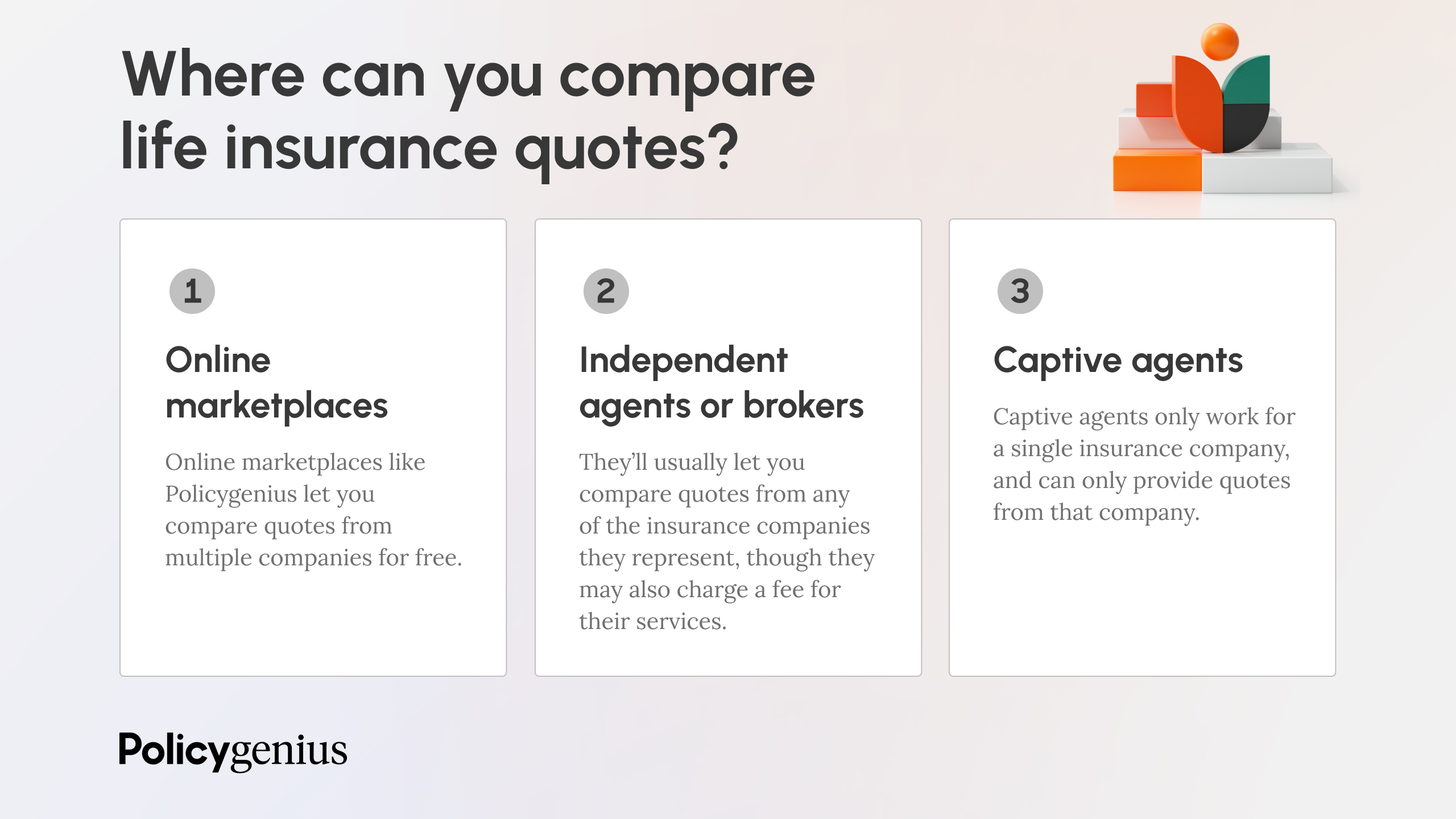
When searching for "compare life insurance Highland," you will encounter two main avenues: large-scale online comparison sites and local independent financial advisers (IFAs). Each has distinct advantages in the current 2026 market.
National Comparison Engines
National platforms offer speed and a broad overview. They are excellent for a "pulse check" on what the market leaders—such as Aviva, Legal & General, or Prudential—are charging for healthy individuals. However, these platforms often struggle with "non-standard" risks. If you have a unique medical history or a high-risk occupation common to the Highland terrain, a generic aggregator might provide an "indicative" quote that increases significantly once you reach the full application stage.
Highland-Based Specialist Brokers
Local brokers in the Highland region understand the specific needs of the community. They often have access to "intermediary-only" products that are not listed on public comparison websites. Furthermore, for those in the Scottish Highlands, brokers are well-versed in the legalities of Scottish trusts and succession law, which can differ materially from English law in how life insurance proceeds are handled within an estate.
| Feature | National Online Aggregators | Local Highland Brokers |
|---|---|---|
| Speed of Quote | Instant (2–5 minutes) | 24–48 hours for deep analysis |
| Price Range | Broad market visibility | Access to exclusive "off-market" rates |
| Customization | Limited to standard inputs | High; includes manual underwriting advocacy |
| Local Knowledge | None | Understands regional risks and legalities |
| Best For | Simple, healthy, standard cases | Complex needs, business owners, and trusts |
Factors Influencing Your Comparison in 2026
To compare effectively, you must understand the variables that insurers are looking at this year. The 2026 underwriting environment is more granular than in previous decades.
1. Digital Health and "Pay-as-you-Live"
Many insurers now offer "dynamic pricing." If you are a resident of a Highland area known for outdoor activity and high air quality, and you share your fitness data via a smartwatch, you may be eligible for monthly premium discounts. When comparing policies, check if the insurer has a "Digital Wellness" integration. This can reduce premiums by up to 15% for active individuals.
2. Inflation and the Sum Assured
In 2026, the purchasing power of $500,000 or £500,000 is not what it was five years ago. When comparing quotes, ensure you are looking at "Index-Linked" policies. These policies allow the payout amount to increase annually in line with inflation (often the CPI or RPI), ensuring that your family’s standard of living is truly protected regardless of economic shifts.
3. Occupational Adjustments
If your work involves the rugged terrain of the Highlands—such as mountain rescue, commercial fishing, or specialized construction—some insurers will apply a "loading" to your premium. When comparing, look for providers that specialize in "high-risk occupations." They often have a more sophisticated understanding of the actual risks involved, leading to lower premiums than a "generalist" insurer who might simply flag the job title as dangerous.
How to Conduct a Systematic Comparison
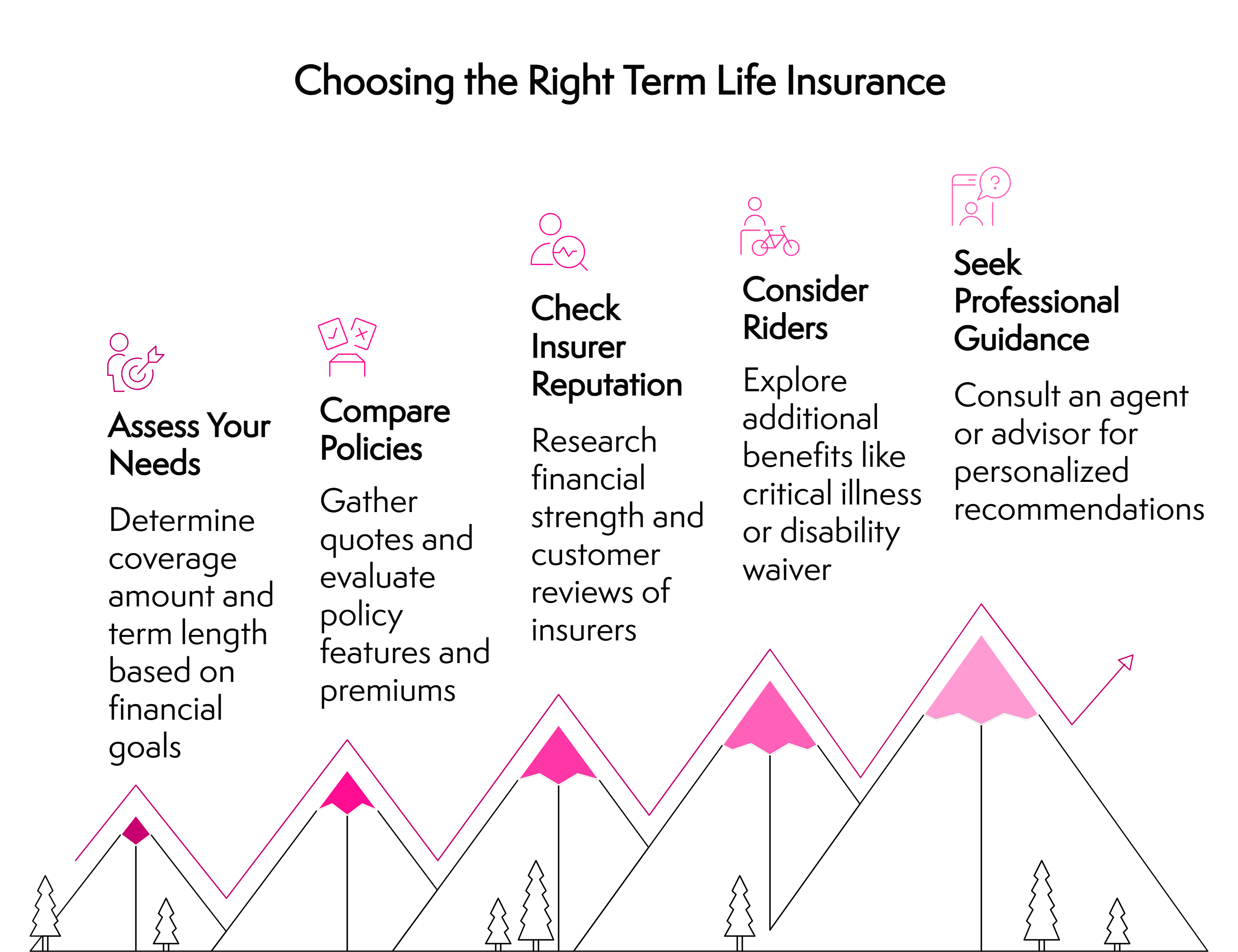
Follow these steps to ensure you are getting the best value for your specific situation in Highland.
Step 1: Calculate Your "Real" Need
Don't guess your coverage amount. Total your outstanding debts (mortgage, loans), add 10 to 15 years of your annual salary, and subtract any existing death-in-service benefits provided by your employer. This is your target sum assured.
Step 2: Compare Policy Riders
The "cheapest" policy is often the one with the fewest protections. When comparing, look for the following:
- Critical Illness Cover (CIC): Does the policy pay out upon the diagnosis of a serious illness, or only upon death?
- Waiver of Premium: If you become too ill to work, will the insurer pay your premiums for you?
- Terminal Illness Cover: Most modern 2026 policies include this, paying out if you are diagnosed with less than 12 months to live, but it is essential to verify.
Step 3: Check the Claims Settlement Ratio
A low premium is worthless if the company has a history of denying claims. In 2026, the industry standard for claims payout is approximately 97% to 99%. Avoid any provider with a settlement ratio below 95%. This data is usually published in annual "Solvency and Financial Condition Reports" (SFCR).
The Importance of Putting Your Policy in Trust
When comparing life insurance in Highland, one of the most overlooked factors is how the money reaches your beneficiaries. If you do not place your policy "In Trust," the payout becomes part of your legal estate. This has two major downsides:
- Inheritance Tax (IHT): In many jurisdictions, including the UK, the payout could be subject to a 40% tax if your estate exceeds certain thresholds.
- Probate Delays: Without a trust, your family may have to wait months for the probate process to complete before they can access the funds.
Most Highland brokers will offer to help you set up a trust at no extra cost when you take out a policy. This "value-added" service should be a significant factor in your comparison.
Common Pitfalls to Avoid
- Under-Insuring for the Future: Many people compare quotes based on their current needs without accounting for future children, larger homes, or rising education costs.
- Focusing Solely on Price: A policy that is £2 cheaper per month but lacks "Waiver of Premium" could cost your family hundreds of thousands in the long run if you lose your income.
- Non-Disclosure: In the age of AI-driven data verification, failing to disclose a minor health issue or a smoking habit is a guaranteed way to have a claim denied. In 2026, insurers have more tools than ever to verify medical histories post-mortem.
Frequently Asked Questions
Does my Highland location affect my life insurance premium?
Yes, but indirectly. Insurers look at "postal code rating," which considers regional health statistics, crime rates, and access to emergency services. In rural Highland areas, premiums may be slightly affected by longer response times for medical emergencies, though this is often offset by the lower stress and higher air quality associated with the region.
Can I compare life insurance if I have a pre-existing condition?
Absolutely. In 2026, many "specialist" insurers focus exclusively on conditions like diabetes, heart disease, or high BMI. Instead of using a standard comparison site, you should speak with a Highland broker who can perform a "pre-market inquiry." This allows them to ask multiple insurers for an opinion on your case without leaving a "footprint" on your record.
Is it better to have a joint or single policy?
A joint policy is often cheaper and simpler to manage for couples in Highland. However, it only pays out once (usually on the first death). If you have a young family, it is often better to compare the cost of two separate single policies. This provides a "double payout" if both parents pass away and ensures the surviving partner still has coverage.
What is the average cost of life insurance in Highland in 2026?
For a non-smoking 35-year-old in good health, a £250,000 level term policy over 25 years typically ranges between £12 and £18 per month. However, prices vary based on the specific technological "add-ons" and wellness discounts you choose to integrate into your plan.
How often should I re-compare my policy?
You should review and compare your life insurance every three to five years, or whenever a major life event occurs (marriage, birth of a child, or a new mortgage). The insurance market in 2026 is highly competitive, and new products with better "living benefits" or lower rates are frequently introduced.
Next Steps for Your Comparison
To find the best life insurance in Highland, start by gathering your current financial data and identifying your "must-have" riders. Use a reputable online comparison tool to establish a baseline price, then contact a local Highland-based adviser to see if they can beat the rate or provide a more comprehensive trust structure. Ensure that any policy you select is index-linked and includes terminal illness cover as standard.
Image Gallery