When Was Squid Game Written: The Long Journey Behind the Script
Hwang Dong-hyuk conceived the original concept for Squid Game in 2008, drawing inspiration from his personal financial struggles and Japanese survival manga. After completing the initial script in 2009, he faced years of industry rejec...
Hwang Dong-hyuk conceived the original concept for Squid Game in 2008, drawing inspiration from his personal financial struggles and Japanese survival manga. After completing the initial script in 2009, he faced years of industry rejection before Netflix eventually picked up the project, leading to its massive global premiere in 2021.
Contents
The Genesis of a Cultural Phenomenon
The creative spark for what would become a global sensation did not occur in the halls of a streaming giant, but rather in the quiet isolation of a small apartment in South Korea. In 2008, Hwang Dong-hyuk, then a struggling filmmaker, found himself living with his mother and grandmother. Financial instability was a recurring theme in his life during this period, and he spent his days frequenting local comic book cafes.
During these visits, Hwang immersed himself in the survival manga genre, including titles like Battle Royale and Liar Game. These stories resonated with him because they depicted desperate individuals forced into high-stakes competitions for money or survival. He began to wonder what would happen if he adapted this trope to a distinctly Korean context, utilizing children's playground games as the foundation for a brutal, metaphorical critique of modern capitalism.
From Concept to Script: The 2009 Draft
By 2009, Hwang had finalized the first draft of the script. At that time, the story was titled Round Six. The fundamental structure—a group of individuals burdened by overwhelming debt playing childhood games for a life-changing prize—was already fully formed. Hwang’s objective was to create a dark allegory for the competitive nature of contemporary society.
However, the 2009 industry environment was vastly different from the streaming era of the 2020s. Investors and production studios in South Korea at the time deemed the script too grotesque, violent, and unrealistic. The concept of a reality-show-style death game was considered an "unmarketable" risk. Consequently, the script sat in a drawer for a decade, effectively shelved while Hwang pursued other film projects, such as Silenced (2011) and The Fortress (2017).
The Role of Global Streaming Platforms
The project remained in limbo until the landscape of content distribution shifted. The rise of international streaming platforms like Netflix created a hunger for local, high-concept narratives that could translate across borders. When Hwang re-emerged with the script nearly ten years later, the climate had shifted from skepticism to appetite.
Netflix identified the potential for Squid Game to appeal to a global audience, recognizing that the themes of economic inequality and the desperation of the "have-nots" were universal, not just regional. The transition from a local, rejected film script to a multi-episode series allowed Hwang to expand the world-building, deepen the character backstories, and refine the social commentary that would eventually define the show's success in 2021.
Key Milestones in the Development Timeline
| Milestone | Timeframe | Significance |
|---|---|---|
| Initial Concept | 2008 | Inspired by survival manga and personal financial hardship. |
| First Script Draft | 2009 | Completed the core narrative of Round Six. |
| Industry Rejection | 2009–2019 | Script shelved due to perceived violence and lack of viability. |
| Production Greenlight | 2019 | Netflix commits to developing the series. |
| Official Premiere | 2021 | Global release sparks unprecedented streaming records. |
The Evolution of the Narrative Themes
The script for Squid Game serves as a mirror to the societal pressures Hwang observed during the 2008 global financial crisis. By selecting childhood games such as "Red Light, Green Light" and "Dalgona Candy," the narrative creates a stark, chilling contrast between the innocence of youth and the lethal consequences of adult greed.
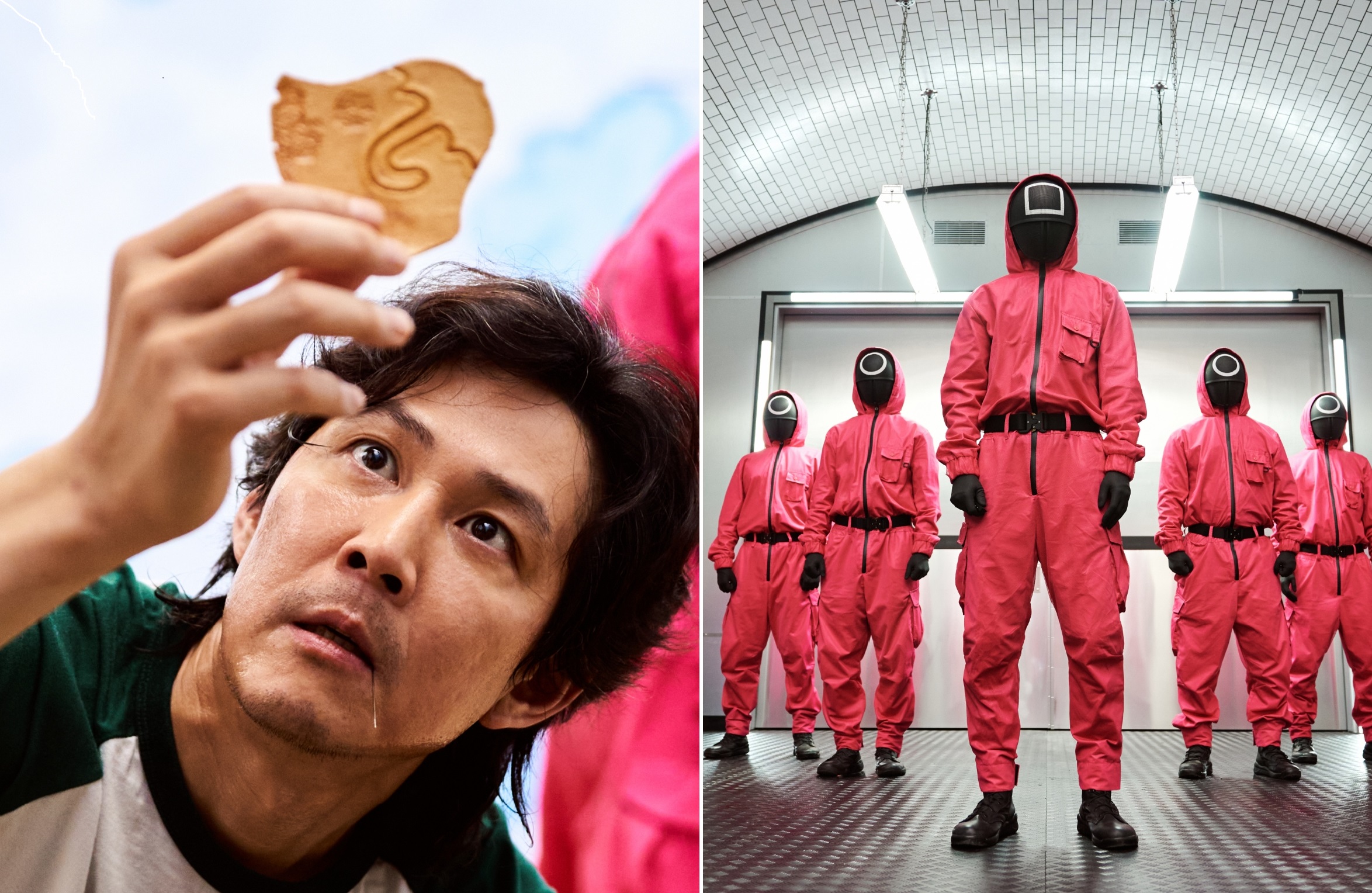
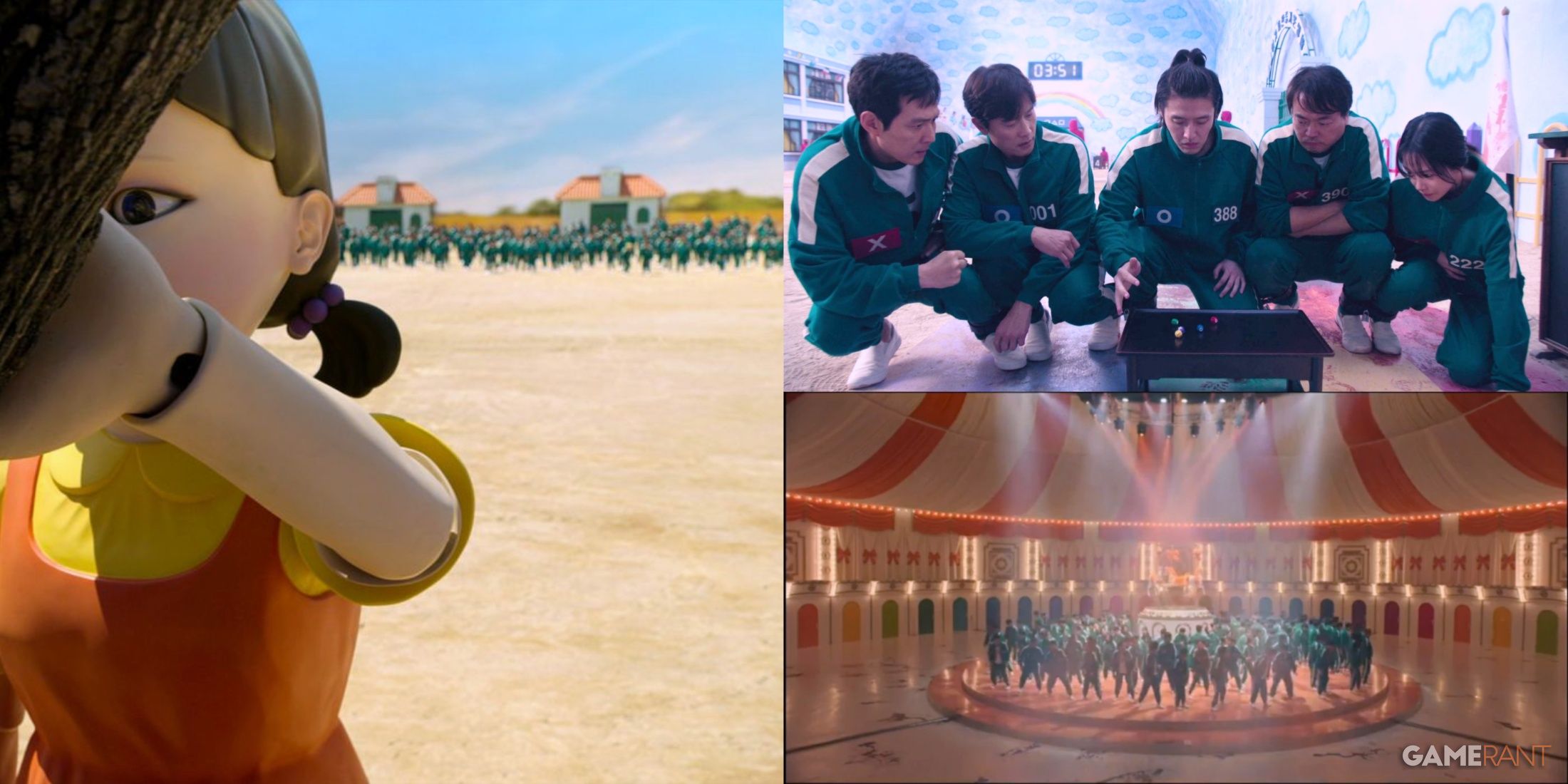
The "Red Light, Green Light" scene, in particular, was meticulously planned to establish the rules of the world. In the script, it serves as the ultimate "point of no return." Hwang noted that he wanted to capture the absurdity of a world where one's life is valued less than the prize money in a piggy bank. This theme remained consistent from his 2009 draft to the 2021 production, underscoring that the core vision of the creator was never compromised, despite the long delay in finding a home for the material.
Production Constraints and Creative Adjustments
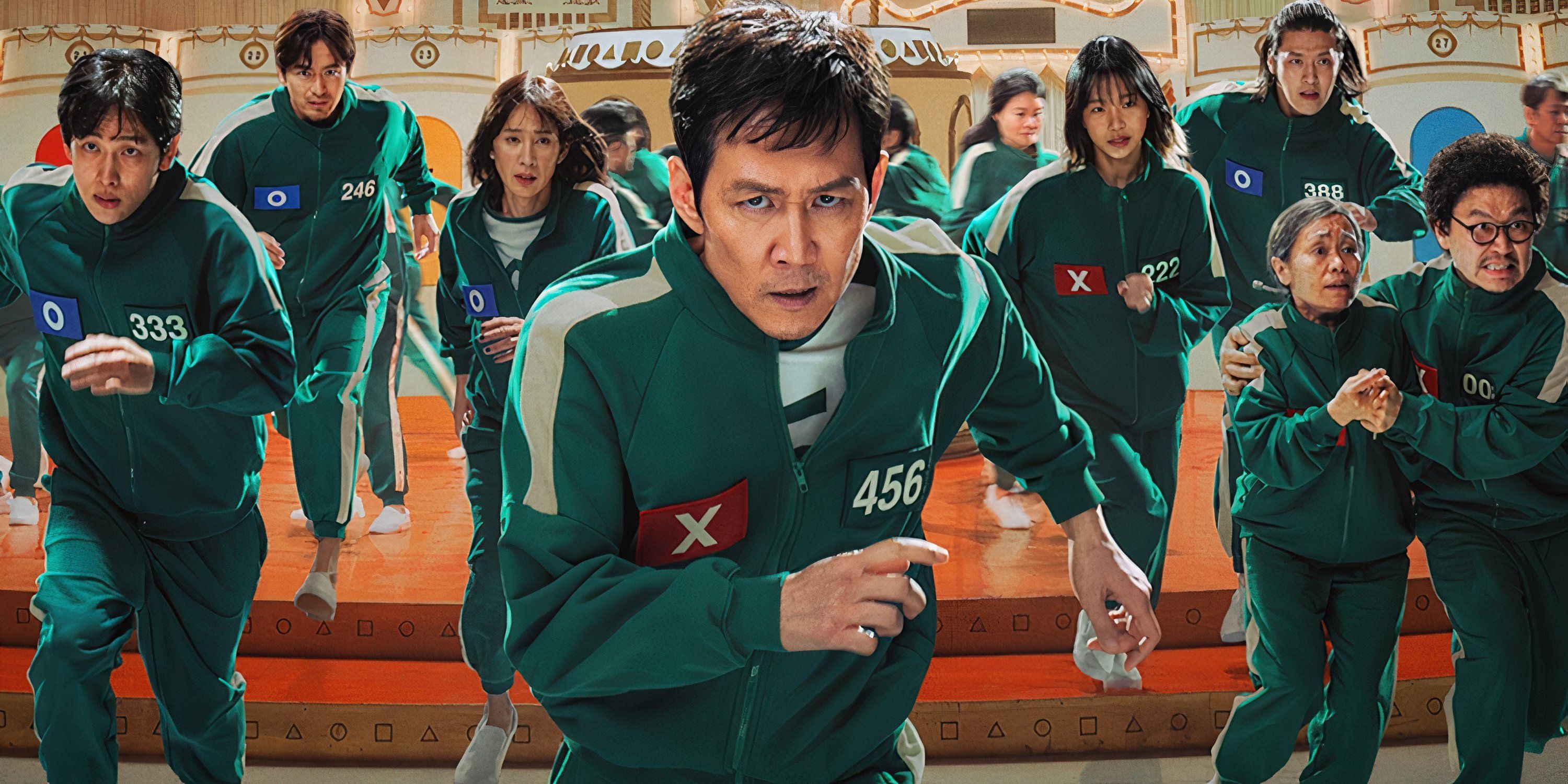
Even after the script was greenlit, the physical production presented unique challenges. The set designs were crafted to feel surreal and claustrophobic, reflecting the psychological state of the participants. The use of vibrant, primary colors in the uniforms and the arena was a deliberate design choice meant to evoke the feeling of a toy box, further heightening the horror when the violence occurred.
The actors’ contributions also evolved the script. During filming, Hwang allowed for adjustments to character motivations to ensure that the emotional stakes of the participants remained grounded. While the plot remained loyal to his 2009 foundation, the chemistry between the cast members helped flesh out the secondary arcs, particularly regarding the internal politics of the players versus the detachment of the guards and the VIPs.
Common Misconceptions Regarding the Script
There is a common belief that the script was updated to be "more modern" to fit 2021 standards, but Hwang has maintained that the core of the story remained largely unchanged from the 2009 draft. The social commentary on debt, income disparity, and the exploitation of the poor was already present in his original conception.
The primary difference between the 2009 manuscript and the 2021 series is the duration and pacing. A film structure requires a compressed timeline, whereas the streaming series format granted Hwang the luxury of developing character relationships over nine episodes. This extension provided a more profound exploration of the players' pasts, making their final choices in the games more impactful for the viewer.
Frequently Asked Questions
Did Hwang Dong-hyuk base the games on real experiences? Hwang chose these games because they were staples of his own childhood in Korea. He wanted to use familiar, nostalgic imagery to make the violent outcomes feel more jarring and poignant to the audience.
Was the script originally meant to be a movie? Yes. In 2009, the script was developed as a feature-length film titled Round Six. It was only when Netflix came on board years later that the project was expanded into an episodic television series format.
Why did it take ten years to produce the script? The primary obstacle was the nature of the content. Many production companies in the late 2000s and early 2010s felt that the concept was too dark and lacked a clear commercial path, leading to repeated rejections from potential investors.
Are there other influences behind the script? Beyond manga, Hwang has cited his own financial instability in 2008 as a major influence. He observed how the global economic crisis hit vulnerable people the hardest, which informed the motivations of his characters.
Will there be more scripts written based on the original 2009 vision? While the original 2009 story arc was concluded with the first season, the expansion into subsequent seasons involves new narrative directions, though they maintain the thematic DNA of Hwang’s initial concepts regarding systemic inequality.
Next Steps for Enthusiasts
For those interested in the craft of screenwriting or the history of international media, the best next step is to examine the original screenwriting techniques Hwang employed, specifically his use of "thematic anchors" (childhood games) to ground high-concept, dystopian fiction. If you are an aspiring writer, study how he maintained the integrity of his vision over a decade of industry rejection. Understanding his process demonstrates the importance of creative persistence, even when a story feels ahead of its time or "unmarketable" to current industry gatekeepers.
Image Gallery