Navigating Riau Province in Indonesia: An Essential Regional Overview
Riau Province serves as a critical economic engine for Indonesia, primarily driven by its massive palm oil, pulp and paper, and petroleum industries. Located on the central eastern coast of Sumatra, the region functions as a strategic...
Riau Province serves as a critical economic engine for Indonesia, primarily driven by its massive palm oil, pulp and paper, and petroleum industries. Located on the central eastern coast of Sumatra, the region functions as a strategic trade corridor, balancing intense industrial activity with unique cultural heritage and a complex, peat-dominated tropical ecosystem that demands careful infrastructure management.
Contents
Geographic and Administrative Profile
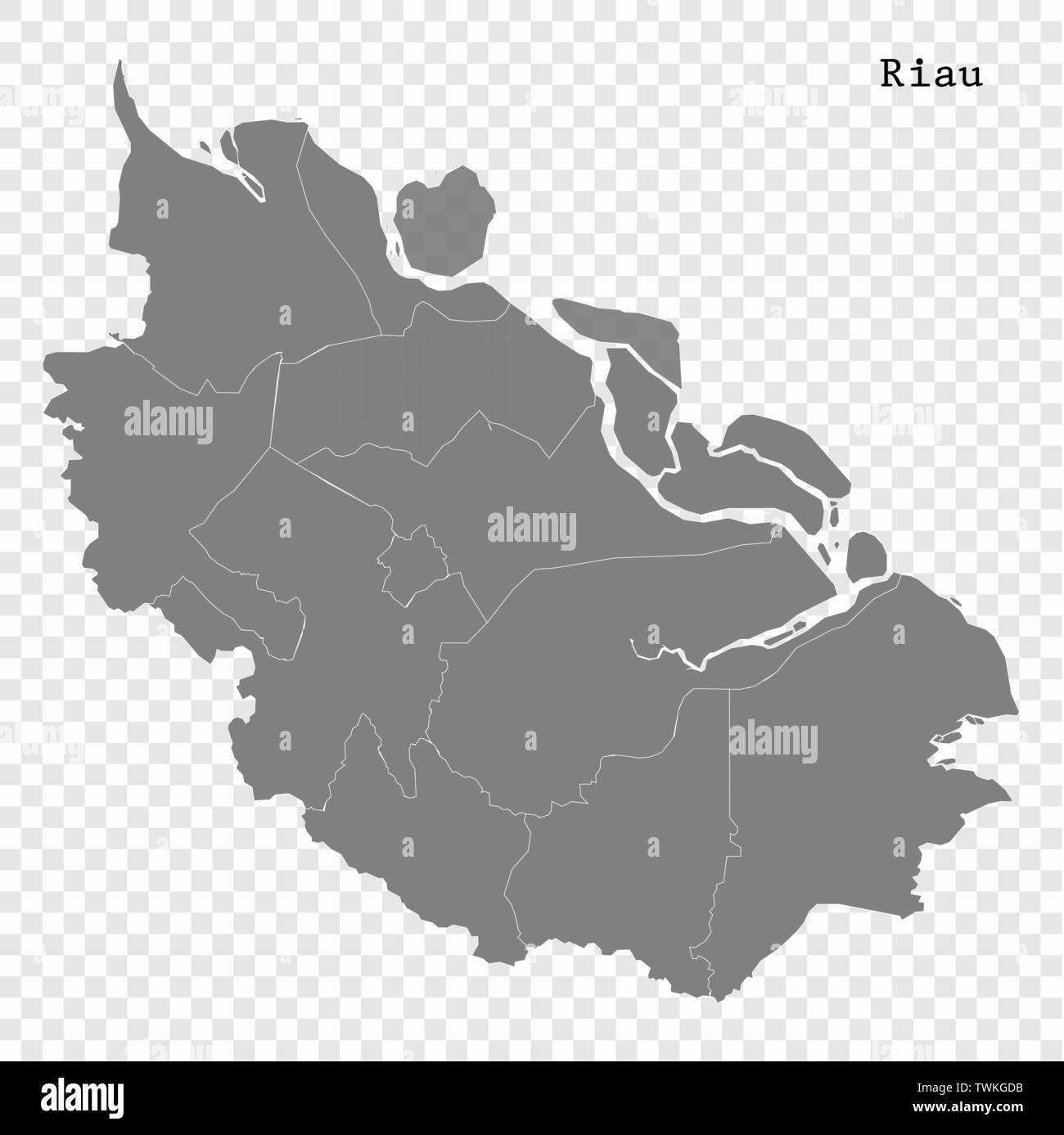
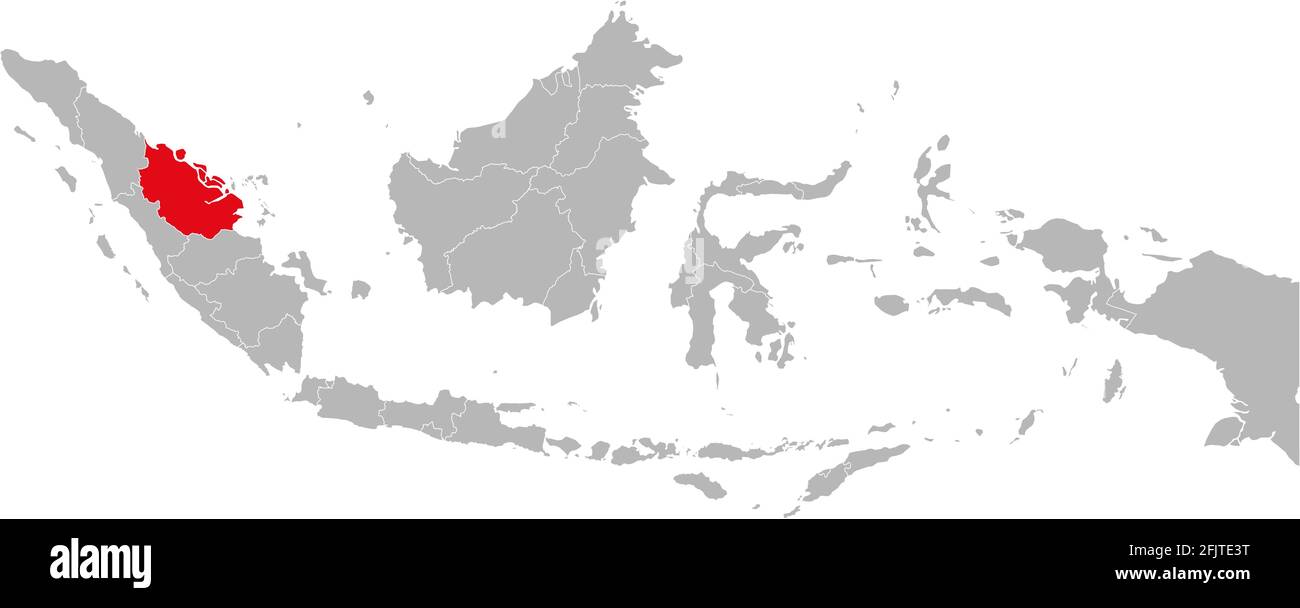
Riau Province occupies a central position on the island of Sumatra, bordering the Malacca Strait to the east, which acts as one of the world’s most vital shipping lanes. As of 2026, the province maintains an administrative structure centered in Pekanbaru, the capital and largest city. Pekanbaru functions as the primary hub for logistics, government services, and corporate operations for the major plantation and energy firms operating within the region.
The province is characterized by low-lying terrain, with significant portions composed of deep peatland and alluvial plains. This geography is integral to its environmental and economic identity. The network of rivers—most notably the Siak, Kampar, and Rokan—historically served as the primary arteries for trade and settlement, though modern road infrastructure now connects the interior to the coastal ports of Dumai and Bengkalis.
Core Economic Drivers
The economic framework of Riau is distinct within the Indonesian archipelago. While many regions rely heavily on tourism or small-scale agriculture, Riau’s economy is anchored by capital-intensive industries that provide a significant portion of national export revenue.
The Plantation Sector
Riau is consistently one of the highest producers of Crude Palm Oil (CPO) in Indonesia. Vast swathes of land are dedicated to oil palm plantations, which are managed by a mix of large-scale multinational corporations and smaller independent smallholders. This sector is the primary source of employment for the rural population, although it is subject to rigorous oversight regarding land-use permits and sustainability standards.
Energy and Natural Resources
The petroleum sector remains a foundational pillar of Riau’s history and current economic status. The Duri and Minas oil fields have been operational for decades and represent some of the most productive fields in Indonesian history. These assets require specialized technical infrastructure and labor, contributing to a high demand for skilled workers in engineering, geology, and logistics.
Pulp and Paper Production
The province hosts some of the largest pulp and paper mills in the world. These facilities integrate forestry management with large-scale industrial processing. Because this industry relies on land-based raw materials, the relationship between industrial forestry and environmental conservation is a central point of local policy and economic debate.
Comparative Overview of Economic Sectors
The following table outlines the primary sectors driving Riau’s development and their operational focus.
| Sector | Primary Activity | Key Infrastructure | Strategic Importance |
|---|---|---|---|
| Agriculture | Oil Palm Cultivation | Plantations, Processing Mills | Export revenue/Global CPO supply |
| Energy | Oil & Gas Extraction | Pipelines, Refineries (Dumai) | National energy security |
| Forestry | Pulp & Paper Manufacturing | Industrial Forest Plantations | Global paper/packaging supply |
| Logistics | Maritime Shipping | Port of Dumai, River Ports | Intra-regional and international trade |
Infrastructure and Logistics Requirements
For businesses or researchers looking to engage with the region, understanding the logistics of Riau is essential. Pekanbaru’s Sultan Syarif Kasim II International Airport serves as the main gateway for air travel, providing connectivity to major Indonesian cities and select international hubs.
Moving goods out of the province relies heavily on the Port of Dumai. Dumai is a critical deep-sea port that facilitates the export of palm oil and petroleum products. Over the past decade, road connectivity between inland plantation zones and the coastal ports has been the focus of government infrastructure spending, aimed at reducing transit times and logistics costs.
Environmental Considerations and Land Management
A significant aspect of operating in or researching Riau is the management of peatland ecosystems. Peatlands are highly susceptible to fires during the dry season, which has historically necessitated strict government oversight.
As of 2026, regulations governing land conversion and fire prevention are stringent. Entities operating in the province must comply with:
- Peatland Restoration Mandates: Ensuring that drained peat areas are kept hydrated.
- Fire Suppression Protocols: Mandatory maintenance of fire-break infrastructure and monitoring teams.
- Environmental Impact Assessments (AMDAL): Comprehensive reporting required for any new industrial developments.
Failure to adhere to these environmental standards can result in significant legal consequences, including the revocation of land use rights and substantial fines.
Cultural and Social Context
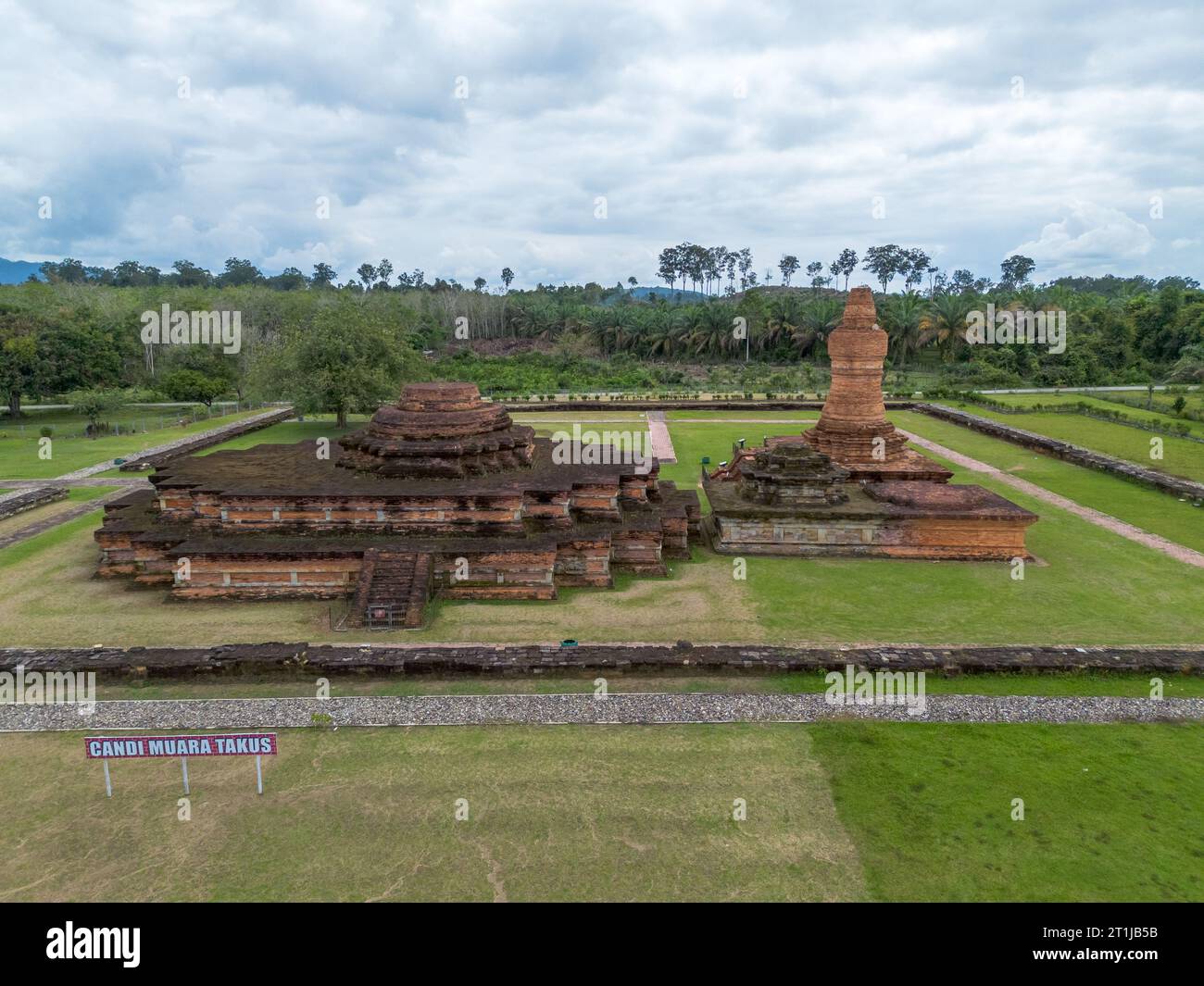
While industrial activity dominates the economic headlines, Riau has a rich Malay cultural history. The historical seat of the Siak Sri Indrapura Sultanate provides a window into the pre-industrial foundations of the region. Cultural preservation efforts are centered around the promotion of traditional architecture, local customs, and the preservation of the Malay language, which serves as a cultural identifier distinct from the Javanese-influenced centers of Indonesia.
Frequently Asked Questions
What are the main transportation hubs in Riau?
The main air gateway is Sultan Syarif Kasim II International Airport in Pekanbaru. For maritime freight, the Port of Dumai is the most significant, serving as the primary exit point for major commodity exports.
Is it necessary to have specialized permits to operate in Riau?
Yes. Beyond standard Indonesian business licenses, the reliance on plantation and forestry land requires specific permits from the Ministry of Environment and Forestry. These are highly regulated to ensure compliance with sustainability goals.
What is the best time of year to visit Riau for logistics or research?
The dry season, typically spanning from May to September, is generally better for moving through rural areas via road. However, this is also the period of highest risk for environmental fires; therefore, monitoring local air quality indices is essential for planning any travel.
How does Riau contribute to the national Indonesian economy?
Riau is one of the highest-contributing provinces to Indonesia's Gross Regional Domestic Product (GRDP), largely due to its massive exports of petroleum and crude palm oil, which are central to the national balance of trade.
Are there specific risks associated with the province's geography?
The primary risks are related to seasonal flooding during the rainy season and the management of peatland fire risks. Infrastructure planning must account for soil stability in peat-heavy regions, which often requires specialized engineering for road and building foundations.
Next Steps for Stakeholders
For those planning to enter the Riau market or conduct research, the immediate next action should be the verification of land-use status and environmental compliance prerequisites. It is recommended to consult directly with the Riau Investment and One-Stop Integrated Service (DPMPTSP) office. They provide the most up-to-date guidelines on licensing, investment requirements, and regional development zones for 2026. Prioritize engaging with local regulatory experts to ensure your operational plan aligns with current environmental and land-rights legislation.
Image Gallery