Dr. T. Colin Campbell Net Worth: Understanding the Financial Reality of a Nutritional Pioneer
Dr. T. Colin Campbell does not have a publicly disclosed net worth, as accumulated wealth figures for academic researchers and nutrition scientists are rarely a matter of public record. His lifetime earnings stem primarily from his lon...
Dr. T. Colin Campbell does not have a publicly disclosed net worth, as accumulated wealth figures for academic researchers and nutrition scientists are rarely a matter of public record. His lifetime earnings stem primarily from his long tenure as a university professor, book royalties, and speaking engagements rather than commercial business ventures or high-profile corporate investments.
Contents
The Professional Background of Dr. T. Colin Campbell
Understanding the financial and professional profile of Dr. T. Colin Campbell requires looking at his career trajectory within academia and public health research. Born in 1934, Campbell is an American biochemist who specialized in the effect of nutrition on long-term health. His professional identity is rooted deeply in institutional research and education rather than the corporate sector.
Throughout his career, Campbell held prestigious academic positions. He spent most of his professional life as the Jacob Gould Schurman Professor Emeritus of Nutritional Biochemistry at Cornell University. Academic salaries in nutritional science, even at Ivy League institutions, provide comfortable middle-to-upper-class lifestyles rather than the immense fortunes associated with corporate executives, tech founders, or celebrity investors. Academic compensation structures prioritize research grants, institutional stipends, and teaching salaries, none of which typically translate into multi-million-dollar net worth figures unless supplemented by significant commercial patents or large-scale private enterprise ownership.
Furthermore, Campbell directed the China-Cornell-Oxford Project, a comprehensive study of health, diet, and disease patterns in rural China initiated in the early 1980s. While this monumental epidemiological study cemented his academic legacy and provided foundational data for decades of nutritional science, academic research grants are directed toward institutional expenses, laboratory operations, and staff salaries rather than personal enrichment for the principal investigators.
Sources of Income for Academic Researchers and Authors
While Dr. Campbell’s primary income source for decades was his university salary, public intellectuals and prominent scientists often generate auxiliary revenue through written works, documentary appearances, and public speaking. Evaluating these potential income streams provides a realistic framework for estimating his financial standing.
Book Royalties and Literary Contributions
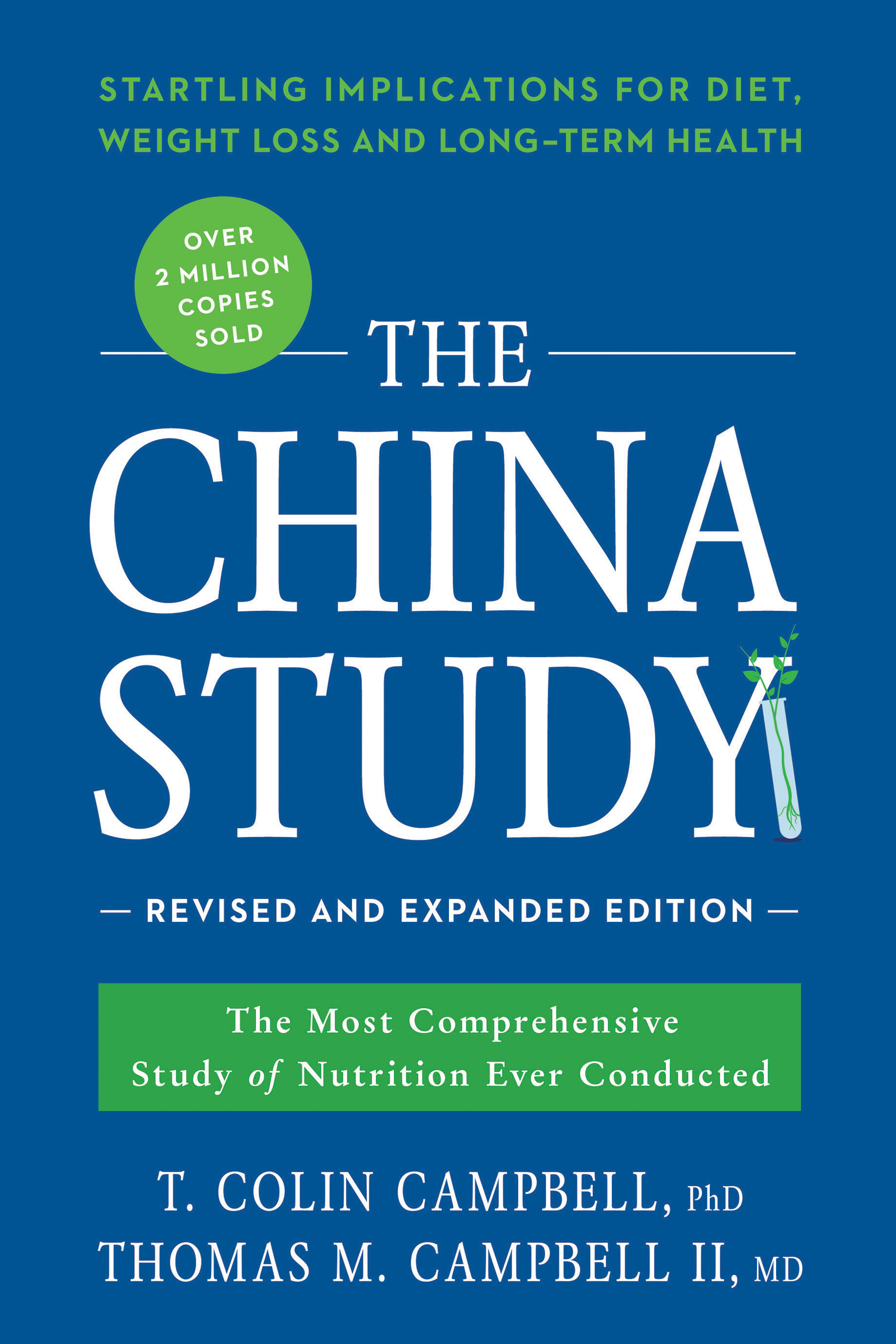
The most commercially significant aspect of Dr. Campbell’s post-retirement visibility comes from his authorship. In 2005, alongside his son Thomas M. Campbell II, he published The China Study: Startling Implications for Diet, Weight Loss and Long-term Health. The book became a massive commercial success within the plant-based nutrition movement, selling over a million copies globally and translating into numerous languages.
Book royalties form a steady, long-term revenue stream. However, the financial yield of a non-fiction health book depends heavily on the initial publishing contract, literary agency fees, and ghostwriting or co-authoring splits. While The China Study achieved remarkable commercial longevity for an academic text, mid-list and even bestselling non-fiction authors rarely approach the financial stratosphere of blockbuster fiction writers or corporate founders. Subsequent books, such as Whole: Rethinking the Science of Nutrition (2013) and Low-Carb Fraud (2014), further contributed to his literary footprint, maintaining a consistent flow of passive income.
Public Speaking and Consulting
Prominent figures in the health and wellness space frequently command fees for keynote addresses, academic lectures, and conference appearances. In his active years and early retirement, Campbell traveled extensively to present findings from the China Study and advocate for whole-food, plant-based diets.
While commercial speakers can command substantial sums per engagement, academic lectures and university invitations often pay modest honorariums or merely cover travel expenses. Campbell’s alignment with non-profit advocacy and educational missions suggests that his speaking engagements leaned heavily toward academic and public health symposia rather than high-ticket corporate motivational circuits.
| Income Stream | Nature of Revenue | Financial Impact |
|---|---|---|
| University Professorship | Institutional salary and retirement benefits from Cornell University | Provided steady, professional-tier income over decades |
| Book Royalties | Long-term sales from The China Study and subsequent titles | Generated significant, sustained passive income post-publication |
| Research Grants | Public and private funding for laboratory and epidemiological studies | Allocated entirely to research operations, staff, and institutional overhead |
| Speaking Honorariums | Fees from lectures, conferences, and symposia | Provided supplemental professional income |
Financial Transparency in Academia Versus Corporate Enterprise
In contemporary digital media, internet searches frequently target the personal wealth of public figures, ranging from actors and politicians to scientists and authors. Websites that publish estimated net worth figures for individuals like Dr. T. Colin Campbell typically rely on algorithmic estimations, unverified assumptions about book sales, and generalized guesswork.
Unlike corporate executives whose compensation is regulated and disclosed to the Securities and Exchange Commission (SEC), or public officials subject to financial disclosure laws, career academics have no legal obligation to publish personal financial statements. Consequently, any specific monetary figure attached to Dr. Campbell's net worth online lacks verifiable documentation. His financial reality reflects that of a successful, highly cited emeritus professor and bestselling author rather than a venture capitalist or pharmaceutical executive.
Frequently Asked Questions
What is Dr. T. Colin Campbell's estimated net worth?
There is no official or verified public record of Dr. T. Colin Campbell’s net worth. Online articles claiming specific dollar amounts rely on speculation rather than verified financial disclosures.
What was Dr. Campbell's primary occupation?
Dr. Campbell served as a professor of nutritional biochemistry at Cornell University for decades, where he conducted extensive research on diet and chronic disease.
How much money did The China Study make?
While The China Study has sold over a million copies worldwide since its 2005 release, exact financial earnings from book royalties are private and depend on publishing contracts and co-author arrangements.
Is Dr. T. Colin Campbell still active in research?
Dr. Campbell is retired from active university teaching but remains active as an author, lecturer, and advocate for plant-based nutrition through the T. Colin Campbell Center for Nutrition Studies.
Does Dr. Campbell own commercial supplement or food companies?
No. Dr. Campbell's career has remained centered on academic research, education, and non-profit advocacy rather than commercial product manufacturing, dietary supplements, or corporate food ventures.
Final Recommendation and Perspective
For readers exploring Dr. T. Colin Campbell's financial status out of curiosity regarding the profitability of nutritional science careers, the key takeaway is that scientific impact does not equate to corporate wealth. Dr. Campbell's legacy is defined by his empirical contributions to nutritional biochemistry and epidemiological research through Cornell University and the China-Cornell-Oxford Project, rather than commercial enterprises or high-net-worth investments. When evaluating public figures in science and medicine, focus on peer-reviewed literature, institutional credentials, and empirical research findings rather than speculative internet net-worth profiles.
Image Gallery