Split Auto Insurance Explained: A Guide to Liability Coverage Limits
Split auto insurance, or split limit liability coverage, is a method of partitioning the maximum amount an insurance provider will pay for specific types of claims resulting from a single accident. It breaks coverage into three distinc...
Split auto insurance, or split limit liability coverage, is a method of partitioning the maximum amount an insurance provider will pay for specific types of claims resulting from a single accident. It breaks coverage into three distinct financial caps: bodily injury per person, bodily injury total per accident, and property damage per accident.
Contents
Understanding the mechanics of split auto insurance is essential for every driver, as it dictates how much protection you have against lawsuits and financial claims after a collision. Most states require a minimum level of liability coverage, which is almost always presented in a split-limit format. In 2026, as medical costs and vehicle technology prices continue to rise, knowing how these partitions affect your personal assets is more critical than ever.
What is Split Limit Liability Insurance?
Split limit liability is the standard structure for auto insurance policies in the United States. Unlike a policy that offers one lump sum for all damages, a split limit policy defines exactly how much money is available for different categories of loss. When you look at your insurance declarations page, you will typically see these limits expressed as three numbers separated by slashes, such as 100/300/100.
These numbers represent thousands of dollars. Liability insurance is designed to protect you when you are at fault for an accident; it pays for the damages sustained by other people, not the damages to your own vehicle or your own medical bills (which are covered by collision, comprehensive, or personal injury protection).
The Three Components of Split Limits
To understand "split auto insurance explained" in a practical sense, you must dissect the three numbers in the sequence:
- Bodily Injury Per Person: The first number represents the maximum amount the insurer will pay for the medical expenses, lost wages, and pain and suffering of a single individual injured in an accident where you are at fault.
- Bodily Injury Per Accident: The second number is the total aggregate cap for all individuals injured in that same accident. Even if five people are injured, the insurance company will not pay more than this total amount for the entire event.
- Property Damage Per Accident: The third number covers the damage you cause to someone else’s property. This usually refers to their vehicle, but it also includes structures like fences, buildings, or utility poles.
How the Numbers Work: A Case Study
To visualize how these limits function in a real-world scenario, consider a driver with a 50/100/50 policy. This means the insurer provides $50,000 for one person's injuries, $100,000 for the total medical claims of everyone involved, and $50,000 for property damage.
Imagine this driver causes an accident involving another vehicle carrying three passengers:
- Passenger A has $60,000 in medical bills.
- Passenger B has $30,000 in medical bills.
- Passenger C has $20,000 in medical bills.
Under a split limit policy:
- The insurer will only pay $50,000 for Passenger A, because the "per person" limit is $50,000. Passenger A (or their health insurer) may sue the driver for the remaining $10,000.
- The insurer will pay the full $30,000 for Passenger B and $20,000 for Passenger C.
- The total payout for injuries is $100,000 ($50k + $30k + $20k). Since the "per accident" limit is $100,000, the policy has reached its absolute max. If Passenger C had $10,000 more in bills, the insurer would not pay it because the aggregate cap was hit.
This illustrates the "trap" of split limits: you can be underinsured even if your total aggregate limit seems high, simply because one person's injuries exceeded the "per person" cap.
Split Limits vs. Combined Single Limits (CSL)
The primary alternative to split limit insurance is a Combined Single Limit (CSL) policy. A CSL policy provides one single dollar amount—such as $300,000—that can be used for any combination of bodily injury and property damage.
CSL policies offer greater flexibility. In the scenario mentioned above, a $300,000 CSL policy would have covered all medical bills for all passengers and the property damage without any "per person" restrictions, provided the total was under $300,000. However, CSL policies are often more expensive because they represent a higher potential payout risk for the insurance company.
Comparison Table: Split Limit vs. Combined Single Limit
| Feature | Split Limit Insurance | Combined Single Limit (CSL) |
|---|---|---|
| Structure | Three specific caps (e.g., 100/300/100) | One global cap (e.g., $300,000) |
| Flexibility | Rigid; funds cannot move between categories | High; funds apply wherever needed |
| Per-Person Cap | Yes; strictly limited by the first number | No; one person can claim up to the full limit |
| Availability | Standard; most common for personal auto | Often reserved for commercial or high-limit policies |
| Typical Cost | Generally lower premiums | Generally higher premiums |
| Complexity | More complex to calculate during a claim | Simple; one pool of money |
Why Insurance Companies Use Split Limits
Insurance providers favor split limits because they allow for more precise actuarial risk management. By capping the amount paid to any one individual, insurers can prevent a single catastrophic injury claim from exhausting the resources allocated for an entire accident. This structure helps keep premiums lower for the average consumer by limiting the "worst-case scenario" payout per person.
State governments also utilize the split-limit format to define financial responsibility laws. For example, a state might mandate a minimum of 25/50/25. This ensures that a basic level of protection exists for both medical costs and property damage, preventing a situation where a driver’s entire insurance policy is used up on a luxury car's repair, leaving nothing for the injured victims' medical care.
Determining Your Coverage Needs in 2026
As we move through 2026, the adequacy of "state minimum" split limits is increasingly under scrutiny. Several factors are driving the need for higher limits:
Inflation and Medical Costs
The cost of emergency room visits, surgeries, and long-term rehabilitation has outpaced general inflation. A "per person" limit of $25,000, which might have been sufficient decades ago, can be exhausted by a single day in intensive care. If your insurance doesn't cover the full cost, your personal assets—including your home, savings, and future wages—could be targeted in a lawsuit.
The Rise of Expensive Vehicle Technology
In 2026, the average cost of a new vehicle remains high, and even minor collisions involving electric vehicles (EVs) or cars with advanced driver-assistance systems (ADAS) can lead to massive repair bills. A standard $25,000 property damage limit may not cover the replacement of a single high-end battery pack or the recalibration of complex sensor arrays in a luxury SUV.
Asset Protection
A general rule of thumb for financial planning is that your total liability limits should equal or exceed your net worth. If you own a home and have significant retirement savings, carrying low split limits like 50/100/50 creates a massive liability gap. High-net-worth individuals often opt for 250/500/100 or higher, frequently supplemented by an umbrella insurance policy.
Common Pitfalls and Misconceptions
One of the most frequent mistakes policyholders make is assuming the middle number is "extra" money that can be used if the first number is exceeded. This is incorrect. The first number is a hard ceiling for any one individual.
Another misconception is that the property damage limit (the third number) is only for cars. If you lose control of your vehicle and crash into a storefront or a specialized piece of municipal infrastructure, the costs can easily exceed $50,000. Under-insuring property damage is a common way drivers try to save on premiums, but it leaves them vulnerable to significant out-of-pocket expenses.
How to Adjust Your Limits
If you realize your current split limits are insufficient, adjusting them is usually a straightforward process. You can contact your agent or use your insurer’s digital portal to request a quote for higher limits.
Increasing your coverage from 50/100/50 to 100/300/100 often results in a relatively small increase in monthly premiums compared to the massive increase in financial protection. According to data from the National Association of Insurance Commissioners (NAIC), the cost of "buying up" liability limits is often one of the most cost-effective ways to manage financial risk.
Frequently Asked Questions
What happens if a claim exceeds my split limits?
If the damages from an accident exceed your policy limits, you are personally responsible for the balance. The injured party can sue you for the remaining amount. This could result in a judgment against you, leading to the seizure of assets or the garnishment of your wages.
Is 100/300/100 enough for the average driver?
While 100/300/100 is often considered "full coverage" by many agents, it may still be low for homeowners or those with significant savings. In 2026, a serious multi-car accident can easily result in medical claims exceeding $300,000. It is recommended to evaluate your limits every year based on your current net worth.
Can I choose my own split limits?
You can choose any limits you want as long as they meet or exceed your state's minimum requirements. Most insurance companies offer several tiers of split limits, ranging from state minimums up to 500/500/100 or higher.
Do split limits apply if I am hit by an uninsured driver?
No. Split limit liability covers damage you cause to others. To protect yourself from an uninsured driver, you need Uninsured/Underinsured Motorist (UM/UIM) coverage. UM/UIM coverage is also typically structured as split limits (e.g., 100/300).
Does split limit coverage include my own car repairs?
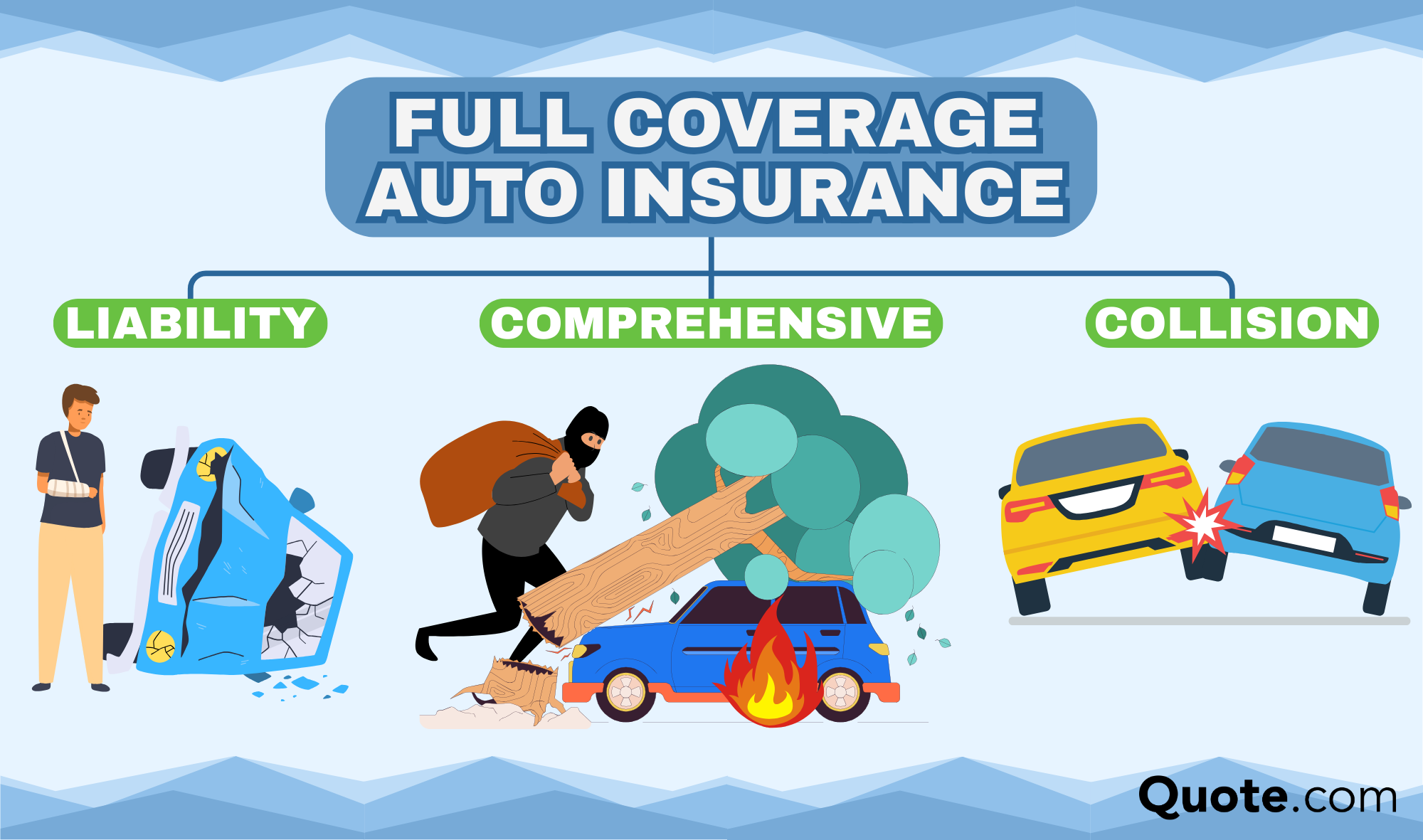
No. Liability insurance (the split limits) only pays for the other party's damages. To cover your own vehicle repairs, you must add Collision and Comprehensive coverage to your policy. These usually have a deductible rather than split limits.
Practical Recommendation
To ensure you are properly protected, review your insurance declarations page today. If your limits are at the state minimum, consider the total value of your assets and the current costs of medical care. For most middle-class drivers in 2026, a minimum of 100/300/100 is the baseline for responsible coverage, while 250/500/100 is preferred for those with significant home equity or savings. If your assets exceed $500,000, consult with an advisor about adding a personal umbrella policy to provide an extra layer of protection above your auto insurance limits.
Image Gallery