Does Your Auto Insurance Cover You on Another Car?
Most standard auto insurance policies provide secondary coverage when you drive a vehicle you do not own, such as a rental or a friend’s car. While the vehicle owner’s insurance typically serves as the primary coverage, your personal p...
Most standard auto insurance policies provide secondary coverage when you drive a vehicle you do not own, such as a rental or a friend’s car. While the vehicle owner’s insurance typically serves as the primary coverage, your personal policy can fill gaps in liability and physical damage protection depending on your specific terms.
Contents
Understanding the nuances of auto insurance portability is essential for anyone who frequently borrows vehicles, utilizes car-sharing services, or rents cars for travel. As of 2026, the landscape of "permissive use" and "non-owned auto" coverage has become increasingly complex due to the rise of peer-to-peer car sharing and evolving state regulations regarding liability limits. Whether your policy follows you or stays with the car depends on the type of coverage you carry, the relationship you have with the vehicle owner, and the frequency with which you drive the "other" car.
Disclaimer: This article provides general information for educational purposes and does not constitute legal or professional financial advice. Insurance laws and policy language vary significantly by state and carrier. Always review your specific policy declarations or consult with a licensed insurance agent.
The Fundamental Rule: Insurance Follows the Vehicle
The most critical concept in personal auto insurance is that, in the vast majority of scenarios, the insurance policy follows the vehicle, not the driver. When you borrow a friend’s car and get into an accident, the friend’s insurance company is typically the primary payer for any claims. This is because the insurance contract is primarily a risk assessment of that specific vehicle’s VIN (Vehicle Identification Number) and its registered owners.
Primary vs. Secondary Coverage
In insurance terminology, "primary" refers to the policy that pays first in the event of a claim. If the damages exceed the limits of the primary policy, your own auto insurance acts as "secondary" or "excess" coverage.
For example, if you are driving a friend's car and cause an accident resulting in $40,000 of property damage, but your friend only carries $25,000 in property damage liability, their insurance pays the first $25,000. Your own policy would then be tapped to cover the remaining $15,000, provided your limits are high enough.
The Role of Comprehensive and Collision
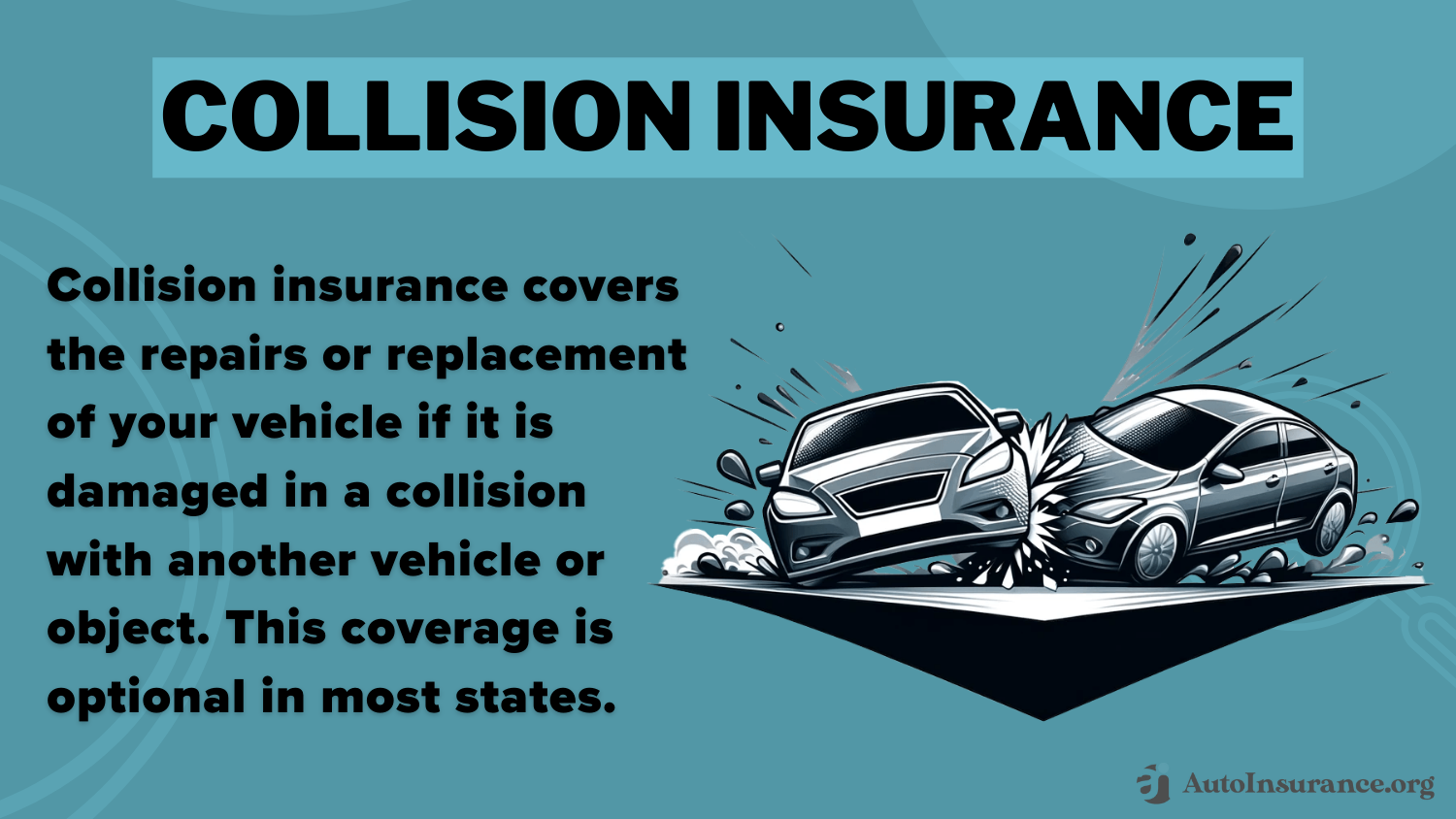
While liability coverage (which pays for damage to others) often transfers between vehicles, physical damage coverage (Comprehensive and Collision) is more restrictive. If you do not carry Collision coverage on your own personal vehicle, your policy will almost never provide Collision coverage for a car you borrow. Conversely, if you carry a $500 deductible on your personal policy and the borrowed car also has Collision coverage, your policy might help cover the difference if the owner's deductible is higher than yours, though this varies by carrier.
Driving a Friend’s or Relative’s Car: Permissive Use
"Permissive use" is a standard clause in most auto insurance policies that extends coverage to drivers who have the owner's explicit or implied permission to use the vehicle. As long as the driver is not a regular user and does not live in the same household (unless they are listed on the policy), they are usually covered under the owner’s primary policy.
Implied vs. Express Permission
- Express Permission: The owner clearly tells you, "Yes, you can borrow my car to go to the grocery store."
- Implied Permission: A history of borrowing the car without being told "no," or the owner handing you the keys without a specific verbal agreement.
It is important to note that if you take a vehicle without permission, most insurance policies will deny coverage for any resulting accident, leaving you personally liable for all damages.
The Household Member Exception
One of the most common pitfalls in 2026 involves household members. Most insurance companies require that all licensed drivers living in the same residence be either listed on the policy or specifically excluded. If you live with a roommate or family member and frequently drive their car but are not listed on their policy, the insurance company may deny a claim based on "material misrepresentation" or the "regular use" exclusion.
The "Regular Use" Exclusion Trap
Insurance companies calculate premiums based on the anticipated risk of a driver and a specific vehicle. If you borrow a neighbor’s car once a year, the risk is low. If you borrow it every Wednesday to run errands, you have moved into the territory of "regular use."
The Regular Use Exclusion typically states that the policy does not provide coverage for any vehicle (other than your own) that is furnished or available for your regular use. There is no hard-and-fast rule for what constitutes "regular," but many courts and insurers define it as more than once or twice a month. If you are using a vehicle regularly, you must be added to that vehicle’s insurance policy to ensure you are protected.
Rental Cars and Car-Sharing Services
When you rent a car from a commercial agency (like Hertz or Enterprise) or use a car-sharing app (like Turo or Getaround), the rules shift slightly. Your personal insurance policy generally extends to rental cars for personal use, but with several caveats.
- Scope of Coverage: Your personal policy will only provide the same level of coverage you have on your own car. If you only have liability on your 15-year-old sedan, your policy will not cover the physical damage to a brand-new rental SUV.
- Loss of Use Charges: If you wreck a rental car, the agency will charge you for the revenue they lose while the car is in the shop. Most personal auto policies in 2026 do not cover "loss of use" or "diminution of value" for rental vehicles.
- Credit Card Benefits: Many premium credit cards provide secondary rental car insurance. However, this usually only covers physical damage to the rental car, not liability for the other driver's injuries.
Peer-to-Peer (P2P) Sharing
Services like Turo are treated differently than traditional rental agencies. Many personal auto insurance policies specifically exclude coverage for "business use" or "commercial car sharing." In 2026, many major carriers have updated their language to explicitly exclude P2P sharing. It is highly recommended to purchase the protection plan offered by the P2P platform rather than relying solely on your personal policy.
Non-Owned Auto Insurance (Broad Form)
For individuals who do not own a vehicle but frequently drive cars belonging to others, a Non-Owned Auto Insurance policy is an essential financial tool. This provides liability coverage that follows the driver regardless of whose car they are operating.
This type of policy is particularly useful for:
- People who frequently use car-sharing services.
- Individuals who often rent cars for business or travel.
- Drivers who need to maintain continuous insurance coverage to avoid high premiums in the future (preventing a "lapse in coverage").
Non-owned policies generally do not include Comprehensive or Collision coverage, as they are not tied to a specific vehicle. They are strictly liability-focused, protecting your personal assets if you cause an accident in a vehicle you don’t own.
Comparison of Coverage Scenarios
The following table summarizes how coverage typically applies in common "other car" scenarios.
| Scenario | Primary Insurance | Secondary Insurance | Key Limitation |
|---|---|---|---|
| Borrowing a friend's car | Friend's Policy | Your Policy | Must have "Permissive Use" status. |
| Renting from a major agency | Your Policy (if elected) | Credit Card / Rental Agency | Loss of Use often excluded. |
| Driving a company car | Employer's Policy | None (usually) | Excludes personal errands/use. |
| Test-driving at a dealer | Dealership's Policy | Your Policy | Personal liability still applies. |
| Borrowing a roommate's car | Roommate's Policy | Your Policy | Often denied if not on the policy. |
| Using a Peer-to-Peer App | Platform's Protection | None (usually) | Personal policies often exclude P2P. |
Driving for Gig Work or Business
If you are driving a vehicle that is not yours for a business purpose—such as delivering food, driving for a ride-hailing service, or running errands for an employer—your personal auto insurance will likely not cover you.
Commercial use is a standard exclusion in personal policies. Even if the car belongs to someone else, the moment it is used for profit, the insurer views the risk differently. If you are using a borrowed car for these purposes, you must ensure that either the vehicle owner has a commercial endorsement or the platform (like Uber or DoorDash) provides an active policy during the "delivery window."
International Driving and Territorial Limits
Does your insurance follow you to another car in a different country? For most U.S. and Canadian drivers, the answer is no. Standard policies typically limit coverage to the United States, its territories, and Canada. If you are driving a car in Mexico, Europe, or Asia, your domestic policy will not provide liability or physical damage coverage.
When driving internationally, you must purchase local insurance or a specific international policy. Some high-end "umbrella" policies may provide worldwide liability protection, but this is an exception rather than the rule.
Steps to Verify Your Coverage
Before you get behind the wheel of a vehicle that isn't yours, take these steps to ensure you aren't exposed to a massive financial liability:
- Check the Glovebox: Verify that the vehicle has a valid, current insurance card. If the car is uninsured, your own policy might provide "Uninsured Motorist" protection, but you will still be the primary target for lawsuits if you are at fault.
- Call Your Agent: Ask specifically about "Non-Owned Auto" coverage and "Permissive Use" limits. Ask if your policy includes "Loss of Use" for rentals.
- Confirm Residency: If you are borrowing a car from someone you live with, ensure you are either listed on the policy or have a written "Permissive Use" confirmation from their agent.
- Review Credit Card Terms: If relying on a card for a rental, download the most recent (2026) Guide to Benefits to ensure the country and vehicle type are covered.
Frequently Asked Questions
1. Does my insurance cover me if I drive a car that isn't insured?
If you drive an uninsured vehicle, your own insurance typically becomes the primary coverage for liability. However, your insurance company may penalize you or even deny the claim if they determine you were aware the vehicle was uninsured or if the vehicle was available for your "regular use." Your Collision and Comprehensive coverage will only apply if you have those coverages on your own policy.
2. What happens if I get a ticket while driving someone else’s car?
Moving violations (like speeding or running a red light) follow the driver, not the car. The ticket will go on your driving record and will likely affect your insurance premiums when your policy renews. Non-moving violations, such as parking tickets or camera-enforced red light tickets in some jurisdictions, usually go to the vehicle owner.
3. If I cause an accident in a friend's car, whose insurance rates go up?
Generally, the vehicle owner’s rates will increase because the claim is filed against their policy. However, if the damages exceed their limits and your insurance has to pay the remainder, your rates could also increase. Furthermore, the accident will appear on your CLUE (Comprehensive Loss Underwriting Exchange) report, which all insurers use to set rates.
4. Does my insurance cover a U-Haul or large moving truck?
Most personal auto policies exclude vehicles over a certain weight (usually 10,000 to 12,000 lbs). Large moving trucks almost always exceed this limit. Your personal insurance—and even your credit card coverage—will likely not apply to a box truck. It is almost always necessary to purchase the supplemental insurance offered by the moving company.
5. Does my "Full Coverage" apply to any car I drive?
The term "full coverage" is a misnomer. Usually, it refers to having Liability, Collision, and Comprehensive. While Liability often transfers to other cars, Collision and Comprehensive are much more sensitive to the "Regular Use" and "Business Use" exclusions. Never assume that "full coverage" on your old car provides "full coverage" on a borrowed luxury vehicle.
Practical Recommendation
If you plan to drive a vehicle that you do not own, the safest course of action is to confirm the owner's insurance status first. In 2026, with the prevalence of automated license plate readers and instant insurance verification, driving an uninsured vehicle—even if you have your own policy—can lead to immediate legal complications and impoundment.
If you are a frequent traveler or a "car-free" urban dweller, consider purchasing a Non-Owned Auto Policy. These policies are relatively inexpensive because they assume you are driving less frequently than a car owner, but they provide a vital layer of liability protection that shields your savings and future earnings from the aftermath of a serious accident. For one-off situations, always get express permission from the owner and double-check your own policy’s "territorial limits" and "regular use" definitions.
Image Gallery