What to Know About Hotels in Port Angeles: A Complete Visitor’s Guide
Port Angeles serves as the commercial hub of Washington State's Olympic Peninsula and the primary northern gateway to Olympic National Park. When booking hotels in Port Angeles, visitors must navigate distinct geographic zones, pronoun...
Port Angeles serves as the commercial hub of Washington State's Olympic Peninsula and the primary northern gateway to Olympic National Park. When booking hotels in Port Angeles, visitors must navigate distinct geographic zones, pronounced seasonal price shifts, ferry logistics for Vancouver Island, and varied lodging styles ranging from downtown harbor properties to timberland lodges.
Contents
Understanding Port Angeles as a Travel Base
Port Angeles is uniquely situated between the saltwater of the Strait of Juan de Fuca and the glaciated peaks of the Olympic Mountains. Because of this terrain, the city functions as both a coastal port and an mountain access point.
Selecting the right accommodation depends heavily on your primary travel goal. Visitors visiting the region generally fall into three categories:
- National Park Explorers: Travelers using the city as a staging ground for Hurricane Ridge, Lake Crescent, the Sol Duc Valley, or the Pacific ocean beaches.
- International Transit Passengers: Travelers catching the Black Ball Ferry Line (M/V Coho) across the Strait of Juan de Fuca to Victoria, British Columbia.
- Regional Road-Trippers and Outdoor Recreationists: Hikers, cyclists on the Olympic Discovery Trail, anglers, and winter sports enthusiasts.
Because Port Angeles is a relatively compact city of approximately 20,000 residents, key amenities are centralized. However, traffic patterns along U.S. Highway 101 and the steep shift in elevation from the waterfront up to the bluff dramatically impact convenience, noise levels, and walking accessibility.
Key Hotel Zones in Port Angeles
Accommodations in Port Angeles are clustered into three main geographic zones. Understanding the trade-offs of each area helps narrow down where to stay.
1. Downtown and the Waterfront Harbor
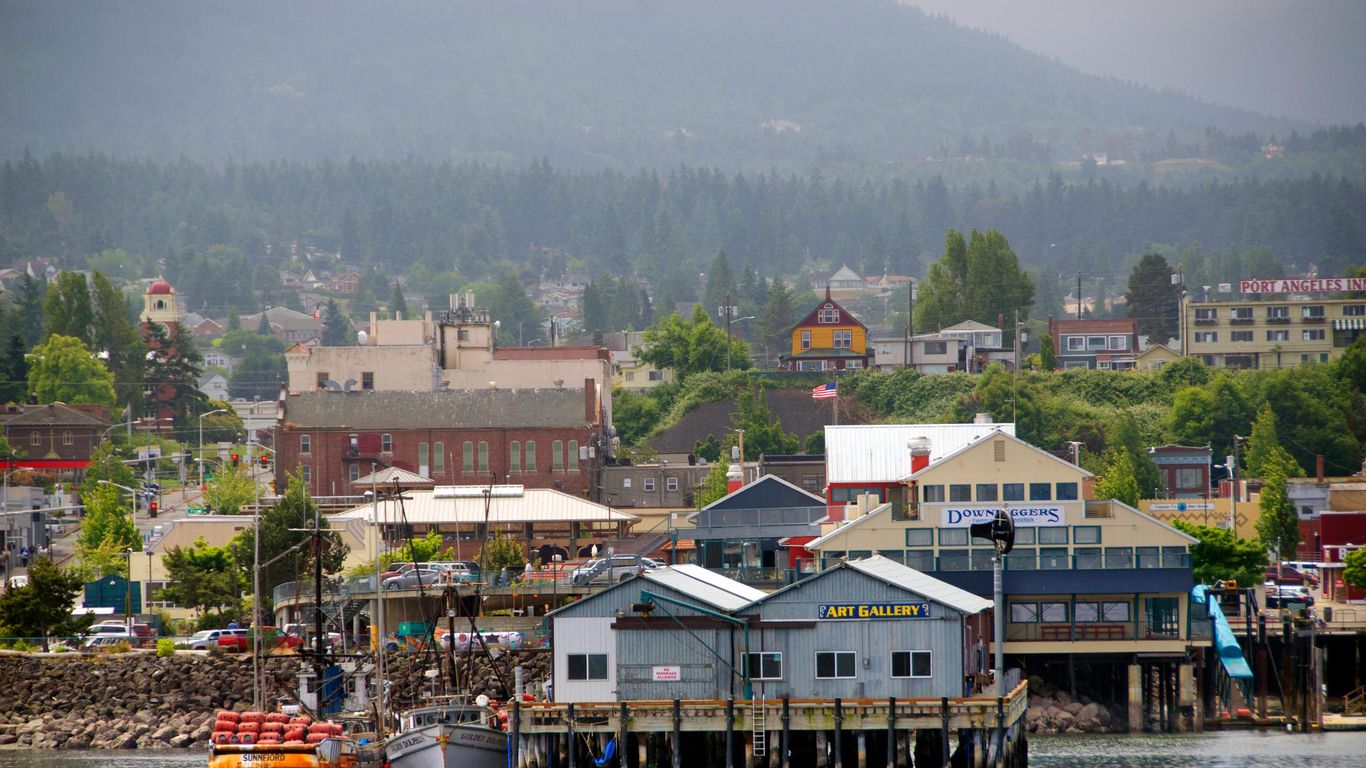
The downtown waterfront district centers on East Front Street, Railroad Avenue, and the Port Angeles Harbor. Staying in this strip puts you within immediate walking distance of local restaurants, coffee shops, craft breweries, and the M/V Coho ferry terminal.
- Best For: Ferry passengers, walkable dining, and coastal water views.
- Characteristics: Properties here range from mid-scale waterfront chain hotels to independent mid-century motels and boutique inns. Rooms facing the harbor offer views of shipping traffic, harbor seals, and Vancouver Island on clear days.
- Trade-offs: Traffic around the ferry terminal can become congested during peak summer sailings. Rooms adjacent to Railroad Avenue or the working industrial port may experience ambient noise from marine traffic, timber operations, or early-morning ferry staging.
2. East Highway 101 Corridor (East Port Angeles)
Stretching east along U.S. Highway 101 toward Sequim, this commercial strip contains the highest density of mid-range chain hotels, modern lodges, and classic roadside motels.
- Best For: Families, drivers seeking easy highway access, and travelers prioritizing ample parking or modern hotel amenities.
- Characteristics: Hotels in this zone feature larger footprints. Properties often include indoor pools, fitness centers, expansive surface parking, and manicured grounds. The popular Olympic Lodge by Ayres and national brands (such as Quality Inn or Super 8) line this corridor.
- Trade-offs: This strip is automotive-dependent. You cannot easily walk to downtown restaurants or the ferry terminal from East Highway 101, meaning you must drive and park downtown for dining or sightseeing.
3. Mount Angeles and Foothills Corridor (South / West)
Positioned along Park Avenue, Mount Angeles Road, or extending west toward Lake Crescent, these accommodations sit away from the urban center.
- Best For: Park visitors seeking quiet surroundings, nature-focused stays, and rapid access to the park entrance.
- Characteristics: This area features rustic bed-and-breakfasts, timber cabins, eco-lodges, and vacation rentals tucked into evergreen forests. Properties near Park Avenue sit directly on the route to the main Olympic National Park Visitor Center and the climb to Hurricane Ridge.
- Trade-offs: Dining options are sparse in the immediate vicinity. Guests must drive into town for grocery shopping, fuel, and full-service dining.
Seasonal Booking Dynamics and Pricing Trends
Port Angeles experiences extreme changes in tourism volume driven by Pacific Northwest weather patterns and national park visitation schedules.
[May – June] [July – August] [September – October] [November – April] Shoulder Season ---> Peak Summer Peak ---> Autumn Transition ---> Off-Peak Winter Moderate Rates Highest Rates/Demand Dropping Rates Lowest Rates Book 1-2 Mo. Ahead Book 3-6 Mo. Ahead Book 1 Mo. Ahead Flexible Booking
Peak Season (July through August)
- Demand: Extreme. National park visitors, road-trippers, and summer ferry travelers fill rooms nightly.
- Pricing: Rates peak across all property classes. Standard mid-range rooms often command premium pricing.
- Booking Window: Reserve 3 to 6 months in advance. Weekend availability between July 4th and Labor Day routinely sells out months ahead.
Shoulder Season (May to June & September to October)
- Demand: Moderate. Weather is generally favorable, though early spring and late autumn bring rainfall.
- Pricing: Rates drop 20% to 40% compared to summer peaks.
- Booking Window: Reserve 1 to 2 months in advance for the best selection, though mid-week availability is often flexible.
Off-Peak Winter Season (November through April)
- Demand: Low. Winter brings rain along the coast and heavy snowfall in the Olympic Mountains. Hurricane Ridge opens primarily on weekends and holiday Mondays, weather permitting.
- Pricing: Significant discounts and seasonal packages are common.
- Booking Window: Same-week or same-day bookings are usually widely available, making it ideal for storm-watchers and budget travel.
Types of Accommodations Available
The lodging inventory in Port Angeles reflects its history as a timber, fishing, and transit town rather than a luxury resort enclave. Travelers should align expectations with the available property types.
Independent Waterfront & Downtown Motels
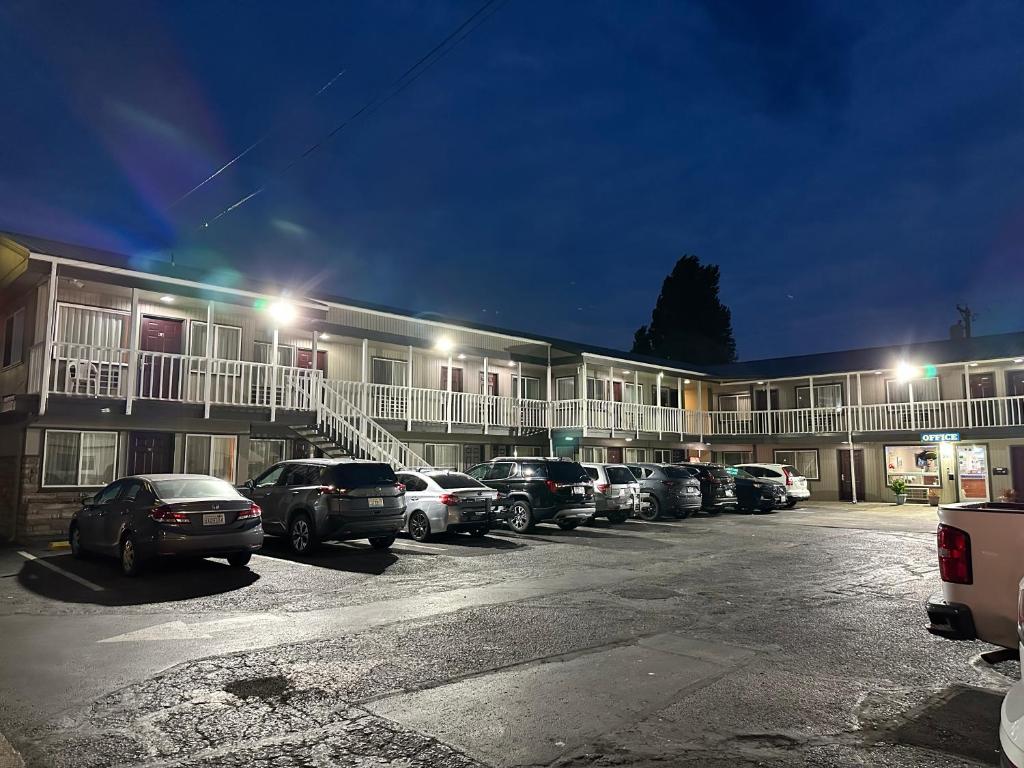
Many 1950s and 1960s motor lodges along Front Street and First Street have undergone interior renovations. These single- or two-story properties offer low-cost, functional stays directly in town. While structural layouts retain vintage dimensions (smaller bathrooms, exterior corridors), updated bedding and high-speed Wi-Fi are standard.
Mid-Scale Regional Lodges and Chain Hotels
Properties like the Red Lion Hotel Port Angeles Harbor (positioned directly on the water next to the ferry dock) and the Olympic Lodge (located on the east side along Highway 101) represent the upper tier of conventional accommodations in town. They offer full front-desk services, on-site or adjacent dining, outdoor heated pools or hot tubs, and dedicated event spaces.
Bed-and-Breakfasts and Historic Inns
For a more personalized stay, independent B&Bs are located on the residential bluffs overlooking the harbor or nestled in the foothills south of town. These properties emphasize cooked breakfasts, quiet settings, and local knowledge provided by resident hosts.
Cabins and Park-Adjacent Lodging
While true wilderness lodges like the Lake Crescent Lodge or Sol Duc Hot Springs Resort are managed within Olympic National Park boundaries by park concessionaires, private cabin rentals and small timber lodges line the western edges of Port Angeles along Highway 101 West. These provide self-catering kitchens and extra space for families or gear-heavy travelers.
Crucial Logistical Factors to Consider Before Booking
1. Victoria Ferry Staging and Vehicle Clearance
If you plan to take the M/V Coho ferry to Victoria, British Columbia, timing is critical:
- Vehicle Reservation Staging: Vehicle line-up for reserved spots begins 60 to 90 minutes prior to departure on the downtown waterfront streets.
- Proximity Advantage: Staying at a downtown hotel allows you to leave your vehicle parked at your hotel (if late check-out or extended parking is permitted) or walk directly onto the ferry as a foot passenger. Foot passengers require significantly less lead time than vehicle travelers.
2. Olympic National Park Entrance Access
Port Angeles houses the main administrative headquarters and primary visitor center for Olympic National Park (located on Park Avenue).
- Hurricane Ridge Road: The road to Hurricane Ridge begins directly at the park visitor center south of downtown Port Angeles. Staying in south Port Angeles saves 10 to 15 minutes of downtown traffic when heading up the mountain early in the morning to beat entrance station lines.
3. Equipment Storage, Parking, and Trailers
Outdoor recreation brings specialized parking needs:
- Roof Racks & Clearance: If traveling with kayaks, roof boxes, or oversized vehicles, confirm garage and canopy heights with your hotel. Many downtown properties use open-air surface lots, but some older retrofitted structures have tight parking spaces.
- Trailers: Anglers bringing boats or road-trippers towing trailers should look toward East Highway 101 properties, which feature spacious, flat parking lots designed for larger vehicles.
4. Pet-Friendly Travel Policies
Port Angeles is a popular travel hub for dog owners heading to pet-designated trails or coastal zones. However, pet policies vary widely:
- Chains along Highway 101 generally offer designated pet-friendly rooms for a non-refundable daily fee.
- Independent boutique inns and historic B&Bs often prohibit pets entirely due to historical furnishings or allergy policies. Always verify weight limits and fee structures directly with the property before booking.
Comparing Port Angeles Hotel Zones
| Zone / Area | Primary Advantages | Common Drawbacks | Ideal Traveler Type | Average Summer Price Range |
|---|---|---|---|---|
| Downtown & Harbor | Walk to ferry, dining, and shops; direct ocean views | Traffic during ferry loading; potential industrial/port noise | Ferry passengers, foot travelers, short-stay urban explorers | $220 – $380 / night |
| East Hwy 101 Corridor | Easy parking, larger rooms, pools, spacious grounds | Car-dependent; roadside environment; away from waterfront | Families, road-trippers, visitors with trailers or oversized rigs | $180 – $320 / night |
| South Foothills & Park Access | Forested quiet, close to Hurricane Ridge road and ONP Visitor Center | No walking access to restaurants; limited service amenities | Hikers, nature lovers, extended-stay retreat seekers | $190 – $350 / night |
| West Hwy 101 / Lake Crescent Gateway | Scenic rustic setting, quick access to western park sights | Farther from town center; limited late-night dining options | National park touring, cabin seekers, multi-day outdoor travelers | $200 – $400 / night |
Frequently Asked Questions
Is it better to stay in Port Angeles or Sequim when visiting Olympic National Park?
Port Angeles is the direct starting point for Hurricane Ridge and the M/V Coho ferry to Canada, making it more convenient for mountain access and international travel. Sequim, located 17 miles to the east, lies in a sunny rain shadow with lower rainfall, more chain lodging choices, and convenient access to the Dungeness National Wildlife Refuge. Choose Port Angeles if your main focus is deep park exploration and ferry access; choose Sequim for milder weather and easy highway convenience.
Do hotels in Port Angeles offer ferry parking while I visit Victoria?
Some downtown hotels permit guests to leave their vehicles in hotel lots for a daily fee after check-out, but space is limited and strictly enforced during peak summer months. Alternatively, long-term public and private parking lots operate adjacent to the ferry terminal along West Railroad Avenue and Front Street. Always confirm extended parking policies directly with your hotel front desk prior to arrival.
How early should I book a hotel in Port Angeles for a summer trip?
For visits between July and August, book 3 to 6 months in advance to secure preferred locations and reasonable rates. Popular downtown waterfront rooms and boutique lodges often fill up completely for summer weekends by early spring.
Are there luxury five-star resorts in Port Angeles?
Port Angeles does not feature high-end five-star luxury resort chains. The accommodation landscape consists primarily of comfortable mid-scale hotels, timber-framed regional lodges, renovated mid-century motels, and upscale bed-and-breakfasts. Visitors seeking luxury facilities generally opt for boutique inns or high-end vacation rentals along the bluffs.
Can I access Hurricane Ridge easily from any hotel in Port Angeles?
Yes. Port Angeles is compact, so driving from any local hotel to the Olympic National Park Visitor Center at the base of Hurricane Ridge Road takes between 5 and 15 minutes. However, staying along Mount Angeles Road or south of U.S. Highway 101 bypasses downtown morning commuter traffic.
Practical Action Plan for Booking Your Stay
To ensure a seamless visit to Port Angeles and the surrounding Olympic Peninsula, follow these steps when planning your trip:
- Map Your Logistics First: Determine whether your trip prioritizes early-morning national park access or ferry connections to Victoria.
- Select the Corresponding Zone:
- Book Downtown/Harbor for walkable dining and ferry staging.
- Book East Highway 101 for family amenities, easy parking, and quick road trips east.
- Book South/Foothills for immediate access to Hurricane Ridge Road.
- Check Ferry and National Park Schedules Simultaneously: Before finalizing non-refundable room rates, cross-reference your dates with the Black Ball Ferry Line schedule and current road conditions on the NPS Olympic National Park Alerts Page.
- Confirm Vehicle Requirements: If traveling with pets, trailers, or rooftop cargo gear, call your chosen property directly to verify space clearances and pet fees before submitting a reservation.
Image Gallery