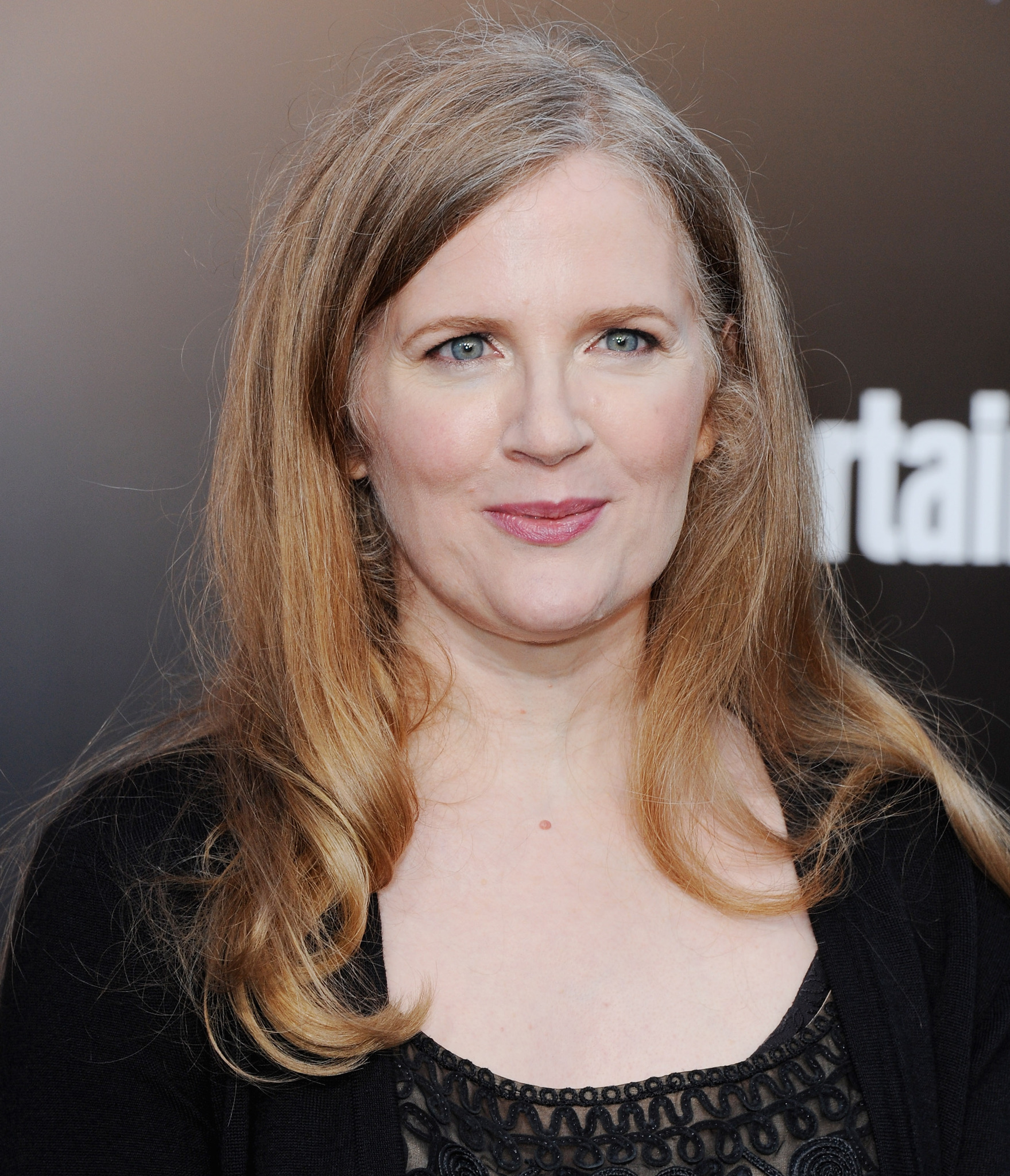
The Net Worth of Suzanne Collins: Financial Success Beyond The Hunger Games
Suzanne Collins has built a substantial financial legacy that reflects the unprecedented global success of The Hunger Games trilogy. As of 2026, her estimated net worth is widely reported in the range of $80 million to $100 million. Th...
Suzanne Collins has built a substantial financial legacy that reflects the unprecedented global success of The Hunger Games trilogy. As of 2026, her estimated net worth is widely reported in the range of $80 million to $100 million. This wealth is primarily derived from the massive domestic and international book sales of her young adult dystopian series, combined with the lucrative film adaptation rights, merchandise, and executive production involvement in the franchise’s expansion.
Contents
The Financial Genesis of a Literary Phenomenon
The financial trajectory of Suzanne Collins underwent a seismic shift with the 2008 publication of The Hunger Games. Before this period, Collins was a successful but modest screenwriter and author of children’s literature, such as The Underland Chronicles. The transition from a professional television writer for Nickelodeon to a global literary icon was swift and highly profitable.
The economic engine behind her current net worth began with the sheer volume of books sold. By the time the film adaptations reached their peak, the trilogy had sold tens of millions of copies worldwide. Unlike many authors who struggle to bridge the gap between niche literary success and mainstream commercial viability, Collins achieved a rare saturation point where her books became ubiquitous in both public libraries and school curricula globally. This consistent, long-tail revenue stream from physical book sales, e-books, and audiobooks provides a stable foundation for her ongoing wealth.
Film Rights and Franchise Royalties
The most significant accelerant of Collins' wealth was the sale of film rights to Lionsgate. The Hunger Games film series, consisting of four primary installments released between 2012 and 2015, grossed nearly $3 billion at the global box office. While standard industry practice for authors involves an upfront payment for rights, elite authors like Collins negotiate backend participation, including a percentage of gross receipts or net profits from the studio.
Furthermore, as an executive producer on the franchise, Collins maintained creative oversight and secured a seat at the table for subsequent adaptations. This role ensured that she was not merely a passive rights-holder but an active participant in the commercial life of the IP (Intellectual Property). The 2023 release of The Ballad of Songbirds and Snakes, a prequel, signaled that the franchise remains a living financial asset, ensuring that royalty streams from cinematic adaptations, streaming licensing, and television syndication continue well into 2026.
Diversification and Revenue Streams
While the Hunger Games remains the primary pillar of her financial profile, Collins' wealth management involves several layers typical of high-net-worth creative professionals:
- Global Licensing and Merchandising: The proliferation of branded content, ranging from apparel to specialized board games and collector's items, creates a continuous flow of passive income.
- Literary Backlist: Her earlier works, particularly The Underland Chronicles, continue to find new audiences, providing a steady secondary revenue stream that benefits from the visibility of her newer successes.
- Investments: Similar to other high-earning authors, it is standard industry practice for earnings from such a high-grossing franchise to be managed through personal holding companies or trusts, allowing for diversified portfolio growth in real estate, equities, and bonds.
Comparative Analysis of Authorial Wealth
The following table provides a context for how Collins’ financial success compares to the broader landscape of modern blockbuster authors, focusing on the scale of franchise impact.
| Author | Key Franchise | Estimated Impact on Wealth |
|---|---|---|
| J.K. Rowling | Harry Potter | Multi-billion dollar global brand equity |
| Suzanne Collins | The Hunger Games | Mid-to-high nine-figure total franchise value |
| Stephenie Meyer | Twilight | Substantial wealth from film and print sales |
| Rick Riordan | Percy Jackson | Multi-platform expansion and TV production |
Note: These figures represent estimated net worth and total market franchise impact as of 2026, which vary significantly based on public reporting and private investment holdings.
The Role of Strategic Intellectual Property Management
A critical component of Collins' financial longevity is her approach to intellectual property. Rather than over-saturating the market, she has been selective about new releases. By waiting years between the conclusion of the original trilogy and the release of The Ballad of Songbirds and Snakes, she maintained the scarcity and prestige of the brand.
From a financial planning perspective, this is a masterful display of "brand equity preservation." By preventing the franchise from suffering from "franchise fatigue," she ensures that when new content is released, it is met with high consumer demand, justifying premium licensing fees and studio investments. This strategy keeps her personal net worth shielded from the volatility that often plagues creators who burn through their creative capital too quickly.
Understanding Net Worth Limitations
It is important for readers to understand that "net worth" is an estimate, not a bank balance. For a figure like Suzanne Collins, this number aggregates:
- Cash Reserves: Money accumulated from royalties, advances, and film production fees.
- Asset Ownership: The value of the underlying copyrights to her works, which are highly liquid assets that can be leveraged or sold.
- Real Estate: High-value property holdings that appreciate over time.
- Taxes and Expenses: It is vital to note that published net worth figures rarely account for the substantial tax liabilities, agent commissions (typically 10–15%), legal fees, and management costs associated with maintaining a massive literary estate.
Readers should treat public net worth figures as speculative projections. Unless an individual files a public financial disclosure, these numbers are derived from media estimations based on historical sales data and known industry benchmarks.
Frequently Asked Questions
Does Suzanne Collins still earn royalties from the movies? Yes, as an executive producer and the creator of the source material, Collins receives ongoing royalties from the exhibition, distribution, and licensing of the Hunger Games films. These contracts are long-term and generally continue as long as the films generate revenue.
How much of her wealth comes from book sales versus film deals? While book sales provide the baseline for her wealth, the film deals represent the exponential growth phase. The transition of the IP into a major studio film franchise provided the massive capital infusions necessary to shift her net worth into the tens of millions.
Is her wealth primarily in cash or assets? A significant portion of her wealth is tied to the value of her intellectual property—the right to future books, sequels, and adaptations. This is considered an intangible asset that carries high market value.
What is the "long-tail" effect on her earnings? The long-tail effect refers to the consistent, long-term sales of her books long after their initial release. Because The Hunger Games is frequently taught in schools and remains a staple in public libraries, it generates predictable annual income that grows when new films or editions are released.
Does she have other revenue streams beyond the dystopian genre? Yes, Collins has written across different genres and formats throughout her career, including children's picture books and television scripts. While these do not match the Hunger Games revenue, they contribute to her overall career portfolio.
Future Outlook
As of 2026, Suzanne Collins stands as one of the most successful authors of the 21st century. Her financial future remains tied to the enduring popularity of the Panem universe. Given the current trend of adapting successful literary series into television and streaming spin-offs, it is likely that her earnings will continue to be bolstered by ongoing media engagement. For fans and observers, her story remains a prime example of how narrative innovation, when coupled with prudent business management, can build a lasting financial legacy.
If you are researching authorial wealth for investment or comparative purposes, it is recommended to focus on SEC filings for media conglomerates (like Lionsgate) to see how they report payments to creative talent, rather than relying solely on speculative celebrity wealth trackers.
Image Gallery