The Anatomy of a Florida Man 22 August Phenomenon: Understanding Viral Culture and Public Records
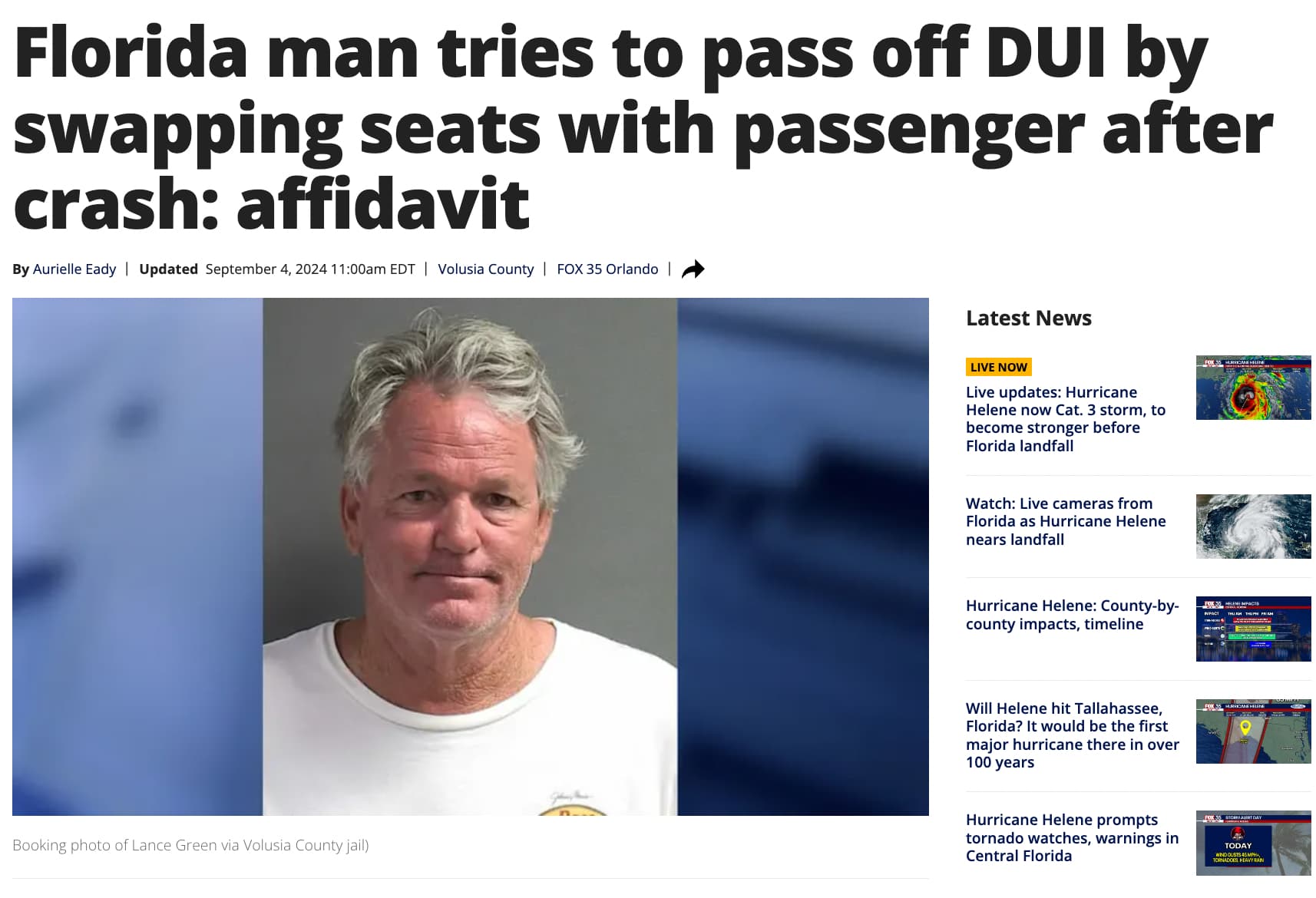
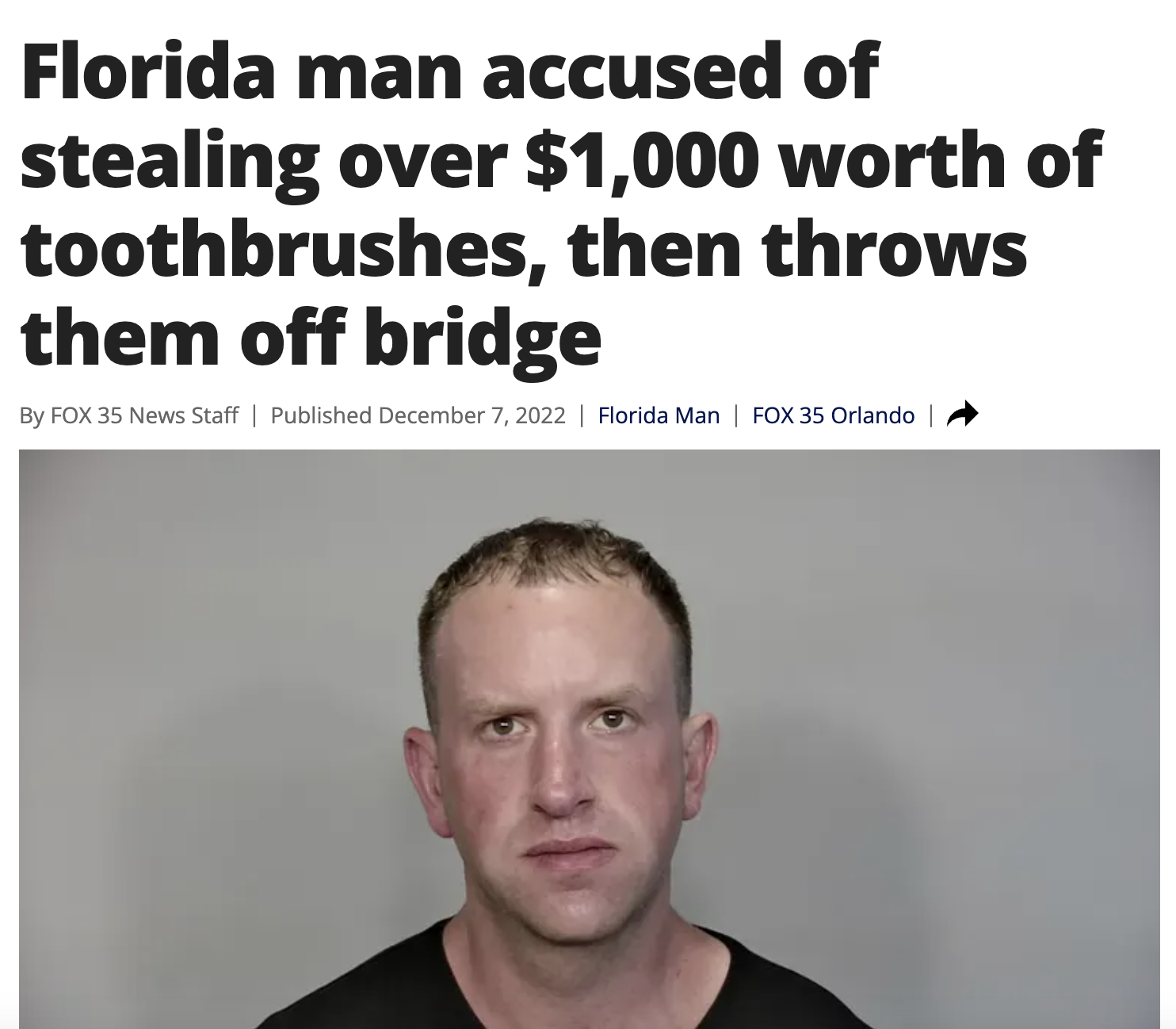
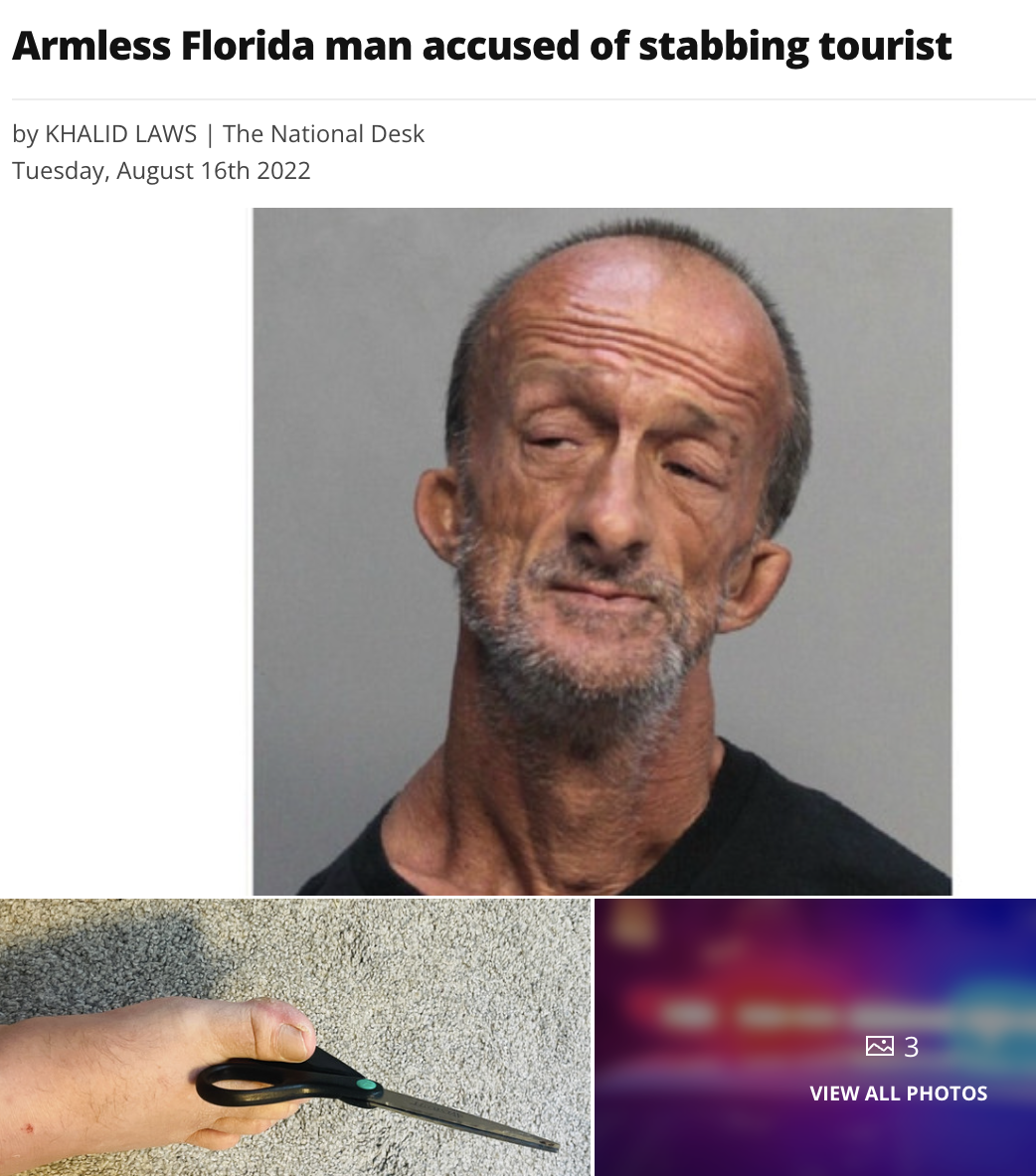
The term "Florida Man 22 August" encapsulates the viral internet phenomenon of bizarre news headlines originating from Florida on a specific calendar date. Because Florida's broad public records laws make arrest logs immediately access...
The term "Florida Man 22 August" encapsulates the viral internet phenomenon of bizarre news headlines originating from Florida on a specific calendar date. Because Florida's broad public records laws make arrest logs immediately accessible to journalists, peculiar local police reports frequently achieve global digital distribution and cultural meme status year after year.
Contents
Unpacking the Florida Man Phenomenon and Public Record Laws
The internet culture surrounding the phrase stems from an ongoing digital trend where social media users search their birthdays alongside the phrase to discover which eccentric crime or bizarre misdemeanor occurred on that exact day. The date of August 22 frequently yields a unique cross-section of bizarre human behavior, ranging from wildlife encounters on suburban roadways to bizarre domestic disputes involving unusual household items.
To understand why these headlines dominate search engines, one must examine the legal framework that governs information access in the state. Florida's Sunshine Law, specifically Chapter 119 of the Florida Statutes, guarantees access to public records held by state, county, and municipal agencies.
The Sunshine Law Framework: Immediate Transparency: Unlike jurisdictions with restrictive privacy buffers on active police investigations, Florida law mandates that arrest affidavits, police reports, and booking photographs be made available to the media and the public almost instantly upon request. Media Amplification: This unprecedented level of state-level transparency creates a steady stream of raw, unvarnished human interest stories that local news outlets aggregate, which internet users later repurpose into viral entertainment.
Chronological Analysis of August 22 Incident Types
Historical archives of August 22 police logs across various Florida counties reveal distinct recurring themes. Rather than isolated anomalies, these reports generally cluster into specific categories of unconventional behavior driven by environmental factors, seasonal tourism pressures, and local wildlife dynamics.
Common Categories Found in August 22 Police Logs
- Wildlife Interactions: Incidents involving alligators, iguanas, or venomous snakes invading residential structures, swimming pools, or convenience store entryways.
- Traffic Anomalies: Bizarre modes of transportation, including motorized bar stools, modified golf carts, or riding lawnmowers operated on major state highways.
- Property Disputes: Altercations involving local fast-food drive-thrus, missing condiment packets, or unconventional weapon choices such as frozen reptiles or food items.
- Public Disturbance: Incidents where individuals attempt unusual feats or evade law enforcement using eccentric disguise methods or aquatic escape routes.
The Intersection of Digital Virality and Local Journalism
When a specific date like August 22 captures the public imagination, it highlights a broader shift in how modern audiences consume local news. What begins as a routine police blotter entry in a small-town newspaper gets picked up by social media aggregators, transformed into Twitter and TikTok challenges, and ultimately immortalized in search engine query trends.
| Factor | Traditional Local News Reporting | Modern Viral Internet Culture |
|---|---|---|
| Primary Objective | Informing the local community of public safety updates | Generating high-engagement clicks, shares, and ad revenue |
| Distribution Channel | Regional print editions or local television broadcasts | Global social media platforms, meme pages, and search engines |
| Audience Reaction | Concern, civic awareness, or localized neighborhood watch | Amusement, disbelief, digital archiving, and meme creation |
| Legal Constraint | Adherence to standard state public records guidelines | Aggregation of publicly available booking data |
Evaluating the Pros and Cons of Open Public Records
While the viral nature of Florida Man headlines often results in public ridicule for the individuals involved, the underlying legal mechanism serves a vital democratic function. Balancing government accountability with personal privacy remains a contentious debate among legal scholars, sociologists, and digital rights advocates.
Pros of Open Public Records:
- Ensures absolute transparency in law enforcement operations and municipal government spending.
- Prevents law enforcement agencies from quietly burying controversial arrests or preferential treatment.
- Empowers investigative journalists to hold public officials and local institutions accountable.
Cons of Open Public Records:
- Causes permanent digital footprints for minor, non-violent misdemeanors or mental health crises.
- Drives sensationalized media coverage that prioritizes entertainment value over objective reporting.
- Complicates personal rehabilitation and employment opportunities for individuals whose arrest records go viral.
Navigating Public Records Searches Safely and Ethically
For researchers, journalists, or curious internet users looking up historical incidents from dates like August 22, understanding how to navigate state databases responsibly is essential.
Step-by-Step Guide to Accessing Florida Public Records
- Identify the Jurisdiction: Determine the specific county or municipality where the incident occurred (e.g., Pinellas County, Miami-Dade, Orange County).
- Access Official Clerk of Court Portals: Navigate to the official county Clerk of Circuit Court website to search criminal and civil case maintenance systems.
- Utilize Sheriff Office Arrest Logs: Check the county sheriff's daily booking logs or inmate search tools for verified arrest affidavits.
- Verify Information: Cross-reference sensationalized social media claims with official court documentation to ensure factual accuracy before sharing or citing information.
Frequently Asked Questions
What makes Florida's public records laws different from other states?
Florida's Sunshine Law provides exceptionally broad access to government documents, requiring arrest records and booking photos to be made public almost immediately. This structural transparency contrasts sharply with states that seal or heavily restrict preliminary police reports.
Are all August 22 Florida Man headlines real?
While the vast majority originate from genuine police blotters and court filings, a significant portion of viral images, memes, and specific quotes circulating online are satirical fabrications created by internet users.
How did the Florida Man meme originate?
The meme gained mainstream traction around 2013 through dedicated Twitter accounts and aggregated Reddit threads that compiled bizarre local news headlines featuring the phrase.
Does the state government plan to change the public records laws?
Lawmakers periodically introduce bills aimed at restricting the immediate online publication of booking photos or sealing non-violent misdemeanor records, but broad public support for transparency continues to protect the foundational tenets of the Sunshine Law.
Can individuals get their viral mugshots removed from the internet?
While original government databases remain bound by public record laws, various privacy regulations, state statutes targeting predatory mugshot publishing websites, and search engine removal request forms offer limited avenues for mitigation.
Practical Recommendations for Media Consumers
When encountering viral trends or historical dates paired with sensationalized news stories, maintain a critical eye toward source verification. Relying on primary court documents rather than secondary social media reposts ensures an accurate understanding of local legal proceedings and prevents the spread of misinformation.
Image Gallery