Menards Clover Seed Selection Guide for 2026
Menards stores a diverse inventory of clover seed mixtures designed for food plots, lawn repair, and pasture enrichment, with options tailored to specific regional growing zones and soil conditions. Choosing the right product requires...
Menards stores a diverse inventory of clover seed mixtures designed for food plots, lawn repair, and pasture enrichment, with options tailored to specific regional growing zones and soil conditions. Choosing the right product requires evaluating seed purity, germination rates, and whether you need a pure stand of perennial white clover or a multi-species forage blend to support local wildlife and pollinators.
Contents
Understanding Clover Seed Options Available at Menards
When browsing the lawn and garden aisle or ordering online from Menards, shoppers encounter several varieties of clover seeds. Clover belongs to the legume family and brings unique agronomic advantages, including atmospheric nitrogen fixation, which naturally fertilizes the surrounding soil.
The primary species found in commercial agricultural and retail blends include:
- Medium Red Clover (Trifolium pratense): A short-lived perennial that thrives in well-drained soils, growing up to two feet tall. It serves dual purposes as a high-protein forage crop and an aggressive cover crop.
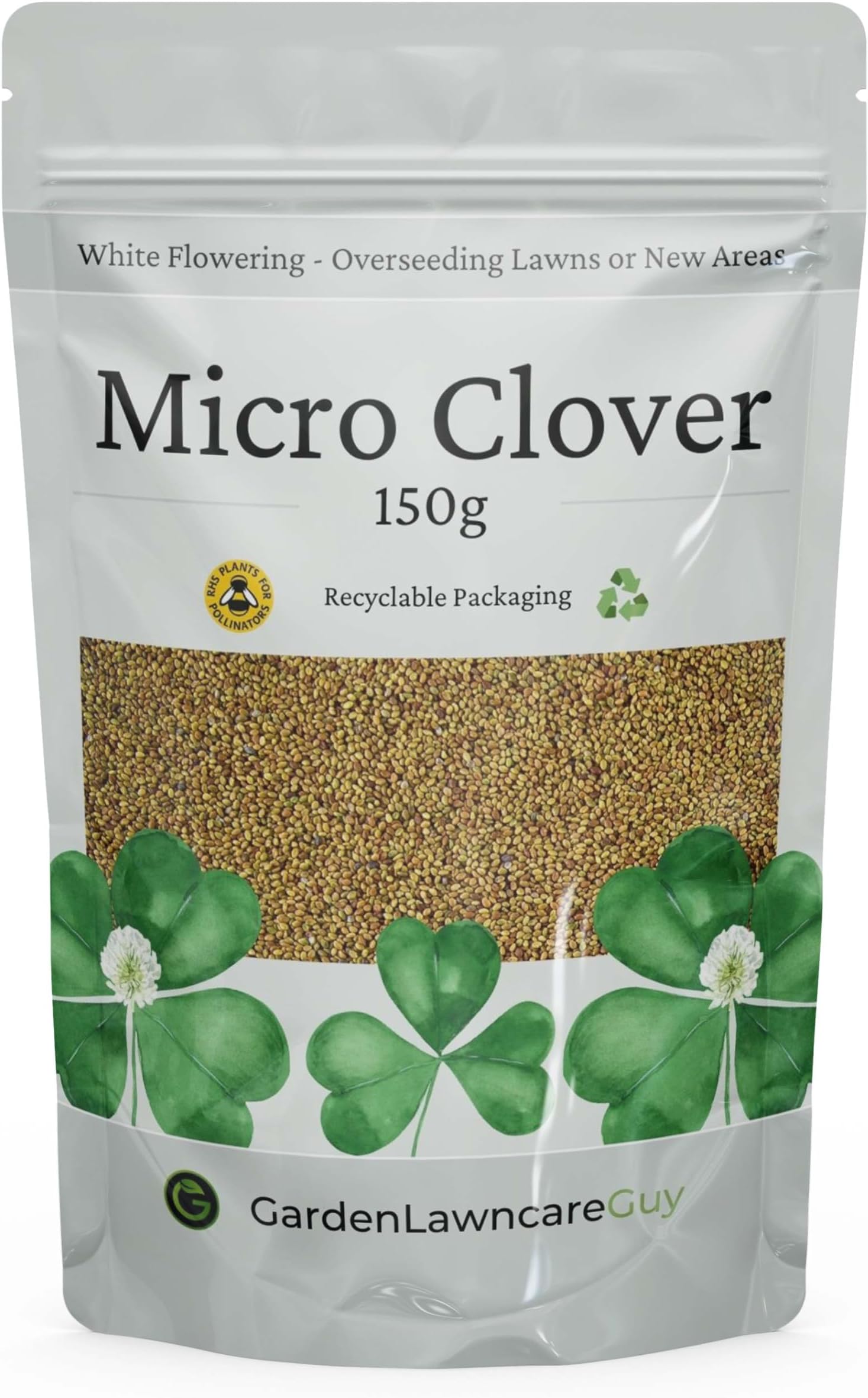
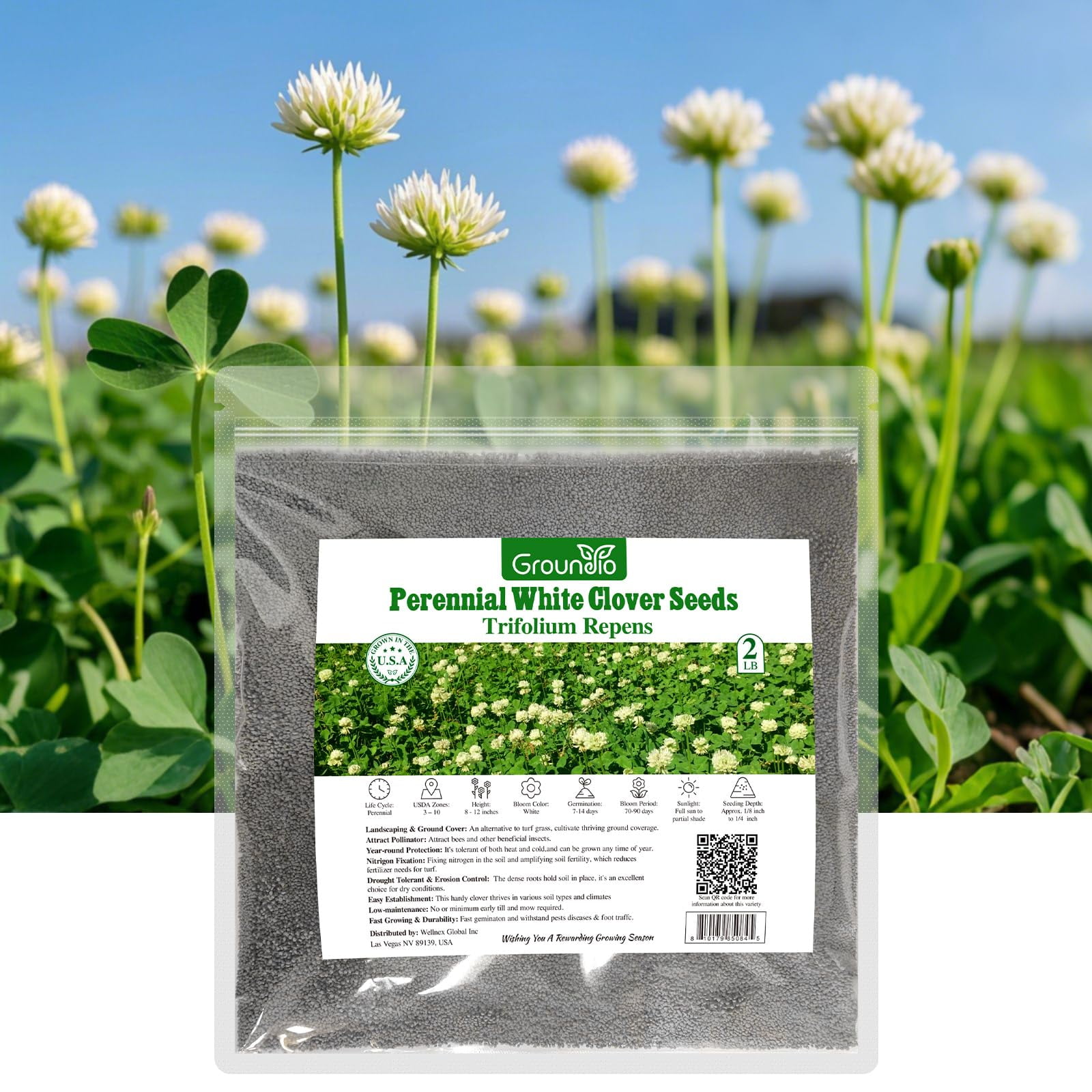
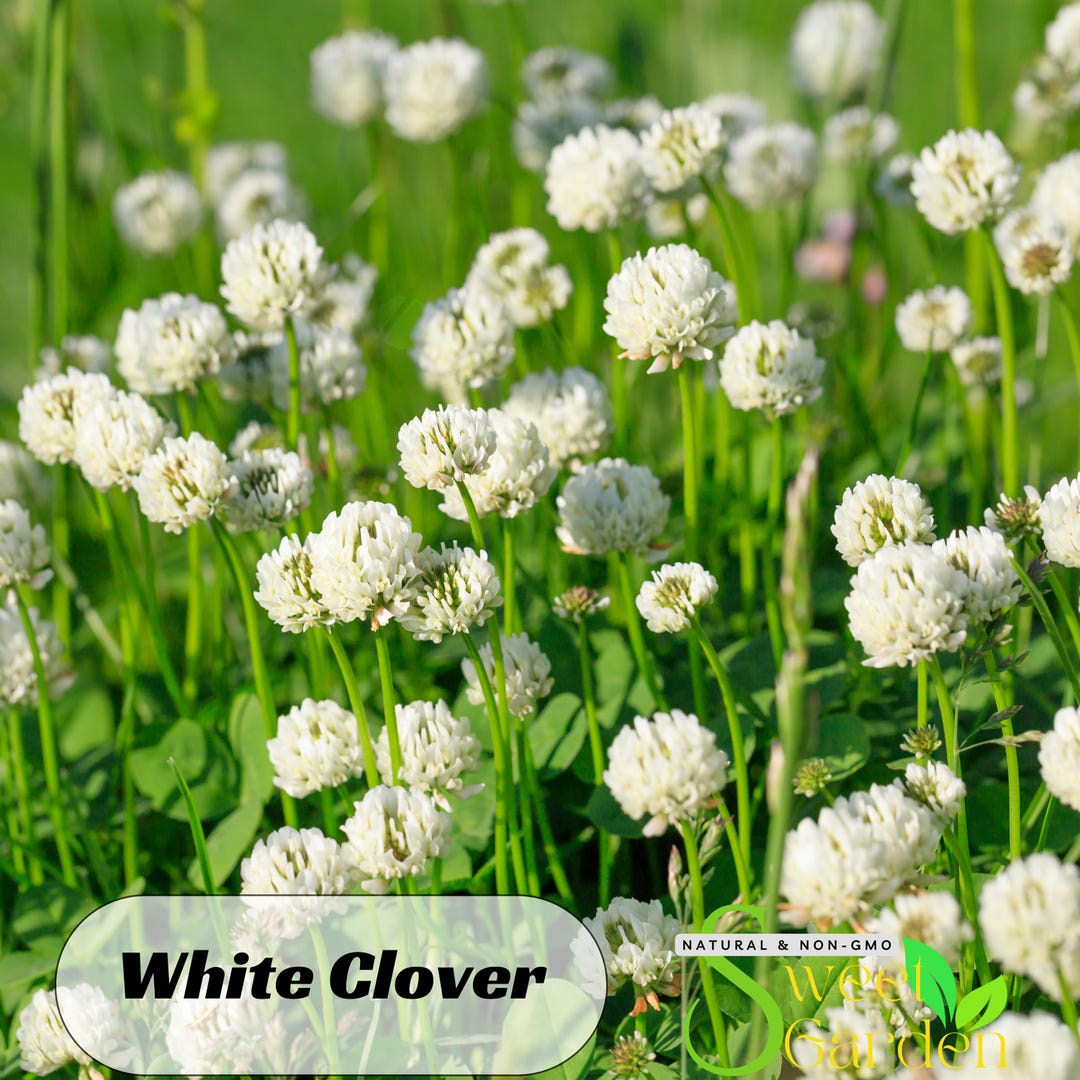
- White Dutch Clover (Trifolium repens): A low-growing, persistent perennial that withstands heavy foot traffic and frequent mowing. It remains a popular choice for traditional lawns and backyard pollinator habitats.
- Ladino Clover: A giant type of white clover characterized by larger leaves and higher stolon production. It yields massive amounts of palatable forage, making it a staple in wildlife food plots.
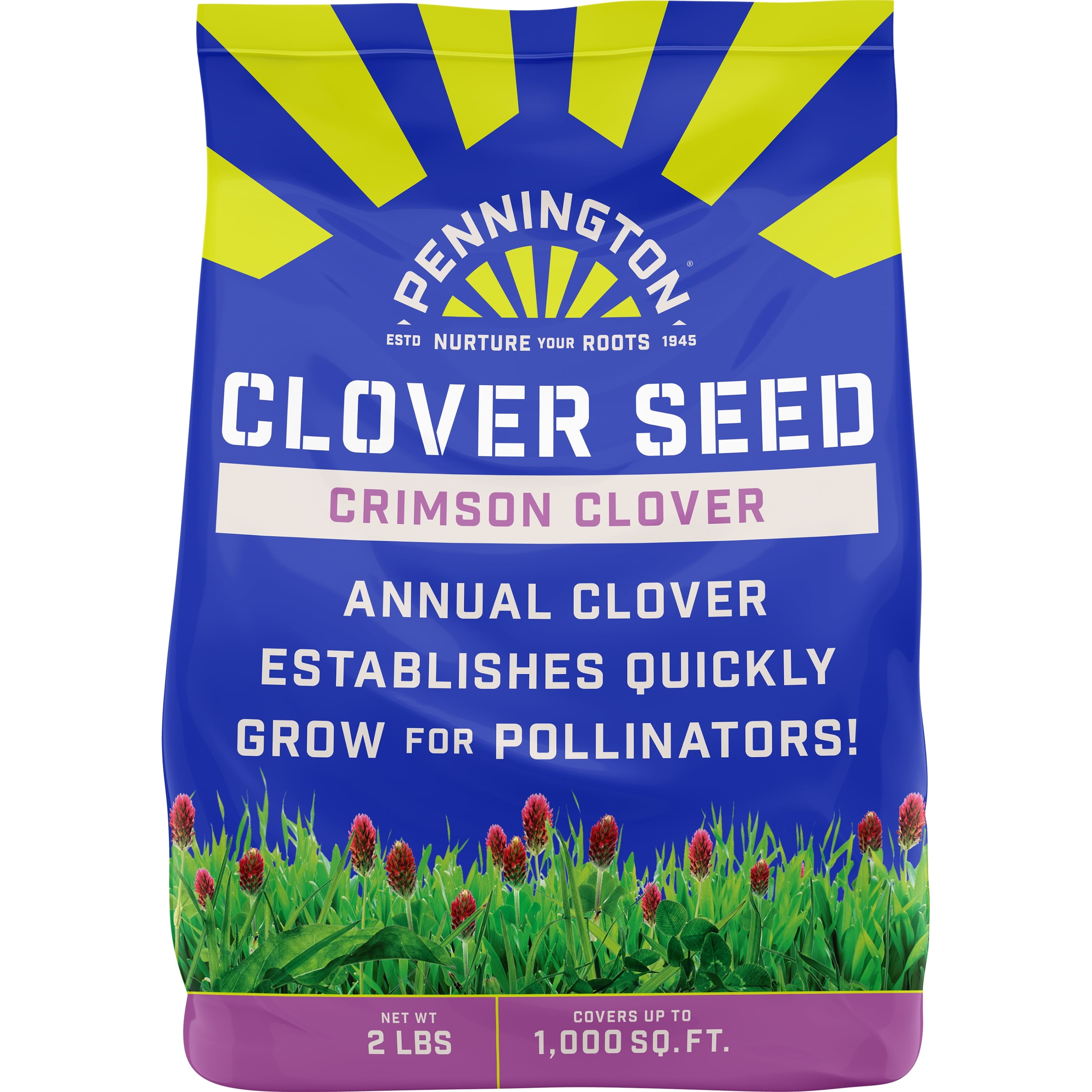
- Crimson Clover (Trifolium incarnatum): An annual clover known for its striking bright red, cone-shaped blooms. It establishes rapidly in the fall or early spring, providing early-season nectar for honeybees and beneficial insects.
Key Factors When Selecting Clover Seed Varieties
Selecting the ideal clover seed for your project depends on your primary objective, soil pH, drainage capacity, and local climate. Mismatching the clover variety to your soil or moisture levels often results in poor germination, thin coverage, and eventual weed encroachment.
Soil Compatibility and pH Requirements
Clover performs best in soils with a pH between 6.0 and 7.0, though certain species tolerate mildly acidic conditions better than others. Conducting a soil test before planting helps determine whether lime or phosphorus amendments are necessary to support root nodulation.
Sun Exposure and Moisture Retention
Most clovers require full sun to partial shade, needing at least six hours of direct sunlight daily. While Ladino and White Dutch varieties tolerate damp soils and moderate drought once established, Crimson and Medium Red clovers prefer well-drained loams and fail to thrive in waterlogged conditions.
Comparing Menards Clover Seed Formulations
To help you determine which seed blend matches your specific property goals, the following comparison breaks down the primary options typically stocked by regional home improvement retailers like Menards.
| Seed Blend / Variety | Primary Application | Longevity | Soil Preference | Maintenance Level |
|---|---|---|---|---|
| White Dutch Clover | Lawn alternative, erosion control | Perennial (3-5 years) | Adaptable, moist loams | Low (minimal mowing) |
| Medium Red Clover | Cover crop, hay production | Short-lived Perennial (2 yrs) | Well-drained, fertile soil | Moderate |
| Wildlife Food Plot Blends | Deer, turkey, and game management | Multi-year perennial mix | Wide range, adjusted pH | Low to Moderate |
| Annual Crimson Clover | Winter cover, early pollinator feed | Annual (re-reseeding) | Rich, well-drained soil | Low |
Step-by-Step Guide to Planting Clover Seed
Achieving high germination rates and a dense, weed-resistant stand requires proper seedbed preparation and accurate sowing techniques. Because clover seeds are exceptionally small, improper planting depth remains the single most common cause of establishment failure.
1. Soil Preparation and Weed Suppression
Clear the target area of existing weeds, dense thatch, and debris. Till or rake the top two to three inches of soil to create a loose, fine seedbed. Firm the soil slightly by rolling or treading on it so the seeds do not sink too deeply when moisture is applied.
2. Inoculating the Seed
Most retail clover seeds sold at Menards come pre-inoculated with Rhizobium bacteria specific to legumes. If your seed is uninoculated, mix the appropriate inoculant powder with the seeds right before planting to ensure the plants can effectively fix atmospheric nitrogen.
3. Sowing the Seed
Broadcast the clover seed evenly across the prepared seedbed at the recommended rate specified on the product packaging—typically two to eight pounds per acre depending on whether you are planting a pure stand or a mixed pasture. Because clover seeds need light to germinate, cover them with no more than one-quarter inch of soil, or simply press them firmly into the surface using a lawn roller.
4. Watering and Post-Planting Care
Keep the seedbed consistently moist through light, frequent irrigation until germination occurs, which usually takes 7 to 14 days depending on soil temperatures. Once seedlings reach three to four inches in height, reduce watering frequency to encourage deep root development.
Pros and Cons of Incorporating Clover Into Your Yard or Plot
Integrating clover into lawns or wildlife plots offers distinct agronomic benefits, but it also presents specific management challenges that property owners must anticipate.
Advantages
- Natural Nitrogen Production: Clover eliminates the need for heavy chemical nitrogen fertilizers by capturing atmospheric nitrogen and converting it into plant-available nutrients.
- Pollinator Support: Abundant white, pink, and red blooms supply essential nectar and pollen for honeybees, bumblebees, and butterflies throughout the growing season.
- Drought and Wear Resilience: Deep root systems allow clover to stay green long after standard turfgrasses go dormant during summer dry spells.
Disadvantages
- Staining and Slipping Hazards: Dense stands of low-growing clover can stain clothing easily and may become slippery when wet, particularly on slopes or athletic turf.
- Visual Uniformity: Homeowners striving for a monoculture green lawn may dislike clover's broad leaves and mixed texture compared to traditional turfgrasses.
- Pest and Rabbit Attraction: Wildlife and insects gravitate toward clover, which can inadvertently draw rabbits and deer closer to residential gardens.
Troubleshooting Common Clover Establishment Failures
When clover fails to fill in correctly, diagnosing the underlying issue quickly saves time and resowing costs.
- Failure to Germinate: Usually caused by burying the tiny seeds too deep or allowing the seedbed to dry out during the initial two-week germination window. Ensure seeds remain at or very near the soil surface with consistent moisture.
- Yellowing or Stunted Growth: Often points to a lack of proper seed inoculation or overly acidic soil (pH below 5.5) which restricts nutrient uptake and nodule formation. Test the soil and apply lime if necessary.
- Overwhelming Weed Competition: Rapidly growing broadleaf weeds can choke out young clover seedlings. Mow the area high (around four to five inches) once weeds surpass the clover to reduce canopy shading and strengthen the developing legume.
Frequently Asked Questions About Menards Clover Seed
When is the best time of year to plant clover seed?
Spring and late summer represent the optimal windows for planting clover seed. Spring planting allows seedlings to establish before summer heat, while late-summer planting takes advantage of warm soils and autumn rains with minimal weed pressure.
Can clover seed be mixed directly with existing grass seed?
Yes, clover seeds blend effectively with standard turfgrasses like Kentucky bluegrass, fescue, or ryegrass. Overseeding a lawn with white clover helps fill in bare patches and reduces the need for synthetic nitrogen fertilizers.
How long does a clover food plot or lawn last?
White Dutch and Ladino clovers persist for three to five years or longer under proper management. Medium Red and Crimson clovers have shorter lifespans of one to two years, though many varieties naturally reseed themselves if allowed to mature and drop seeds.
Do I need to fertilize clover after it sprouts?
Clover rarely requires nitrogen fertilization because it produces its own nitrogen supply. However, applying phosphorus and potassium based on soil test results promotes vigorous root growth and improves winter hardiness.
Are deer and wildlife attracted to Menards clover seed?
Specialized wildlife and food plot clover mixes sold at Menards are specifically formulated to attract white-tailed deer, turkeys, and other game animals by providing high-protein forage during critical seasons.
How do I prevent clover from spreading into flower beds?
While clover spreads via creeping stems called stolons, it lacks aggressive underground rhizomes. Regular edging, physical barriers, and selective weeding easily contain clover within designated lawn areas or food plots.
Maximizing the success of your planting project depends on careful soil preparation, choosing the right variety for your region's climate, and adhering to proper seeding rates. For personalized recommendations, consult the garden center associates at your local Menards location.
Image Gallery