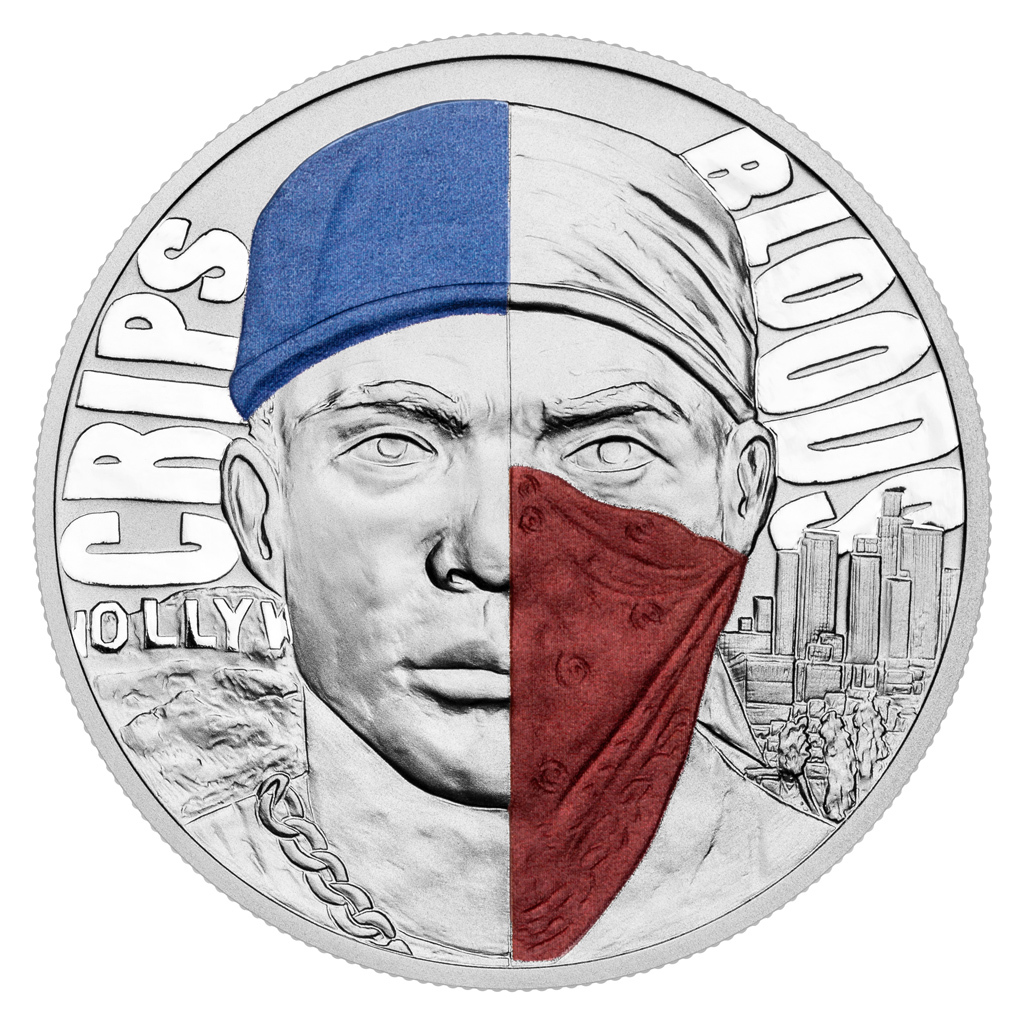
Understanding the Fundamental Differences Between Bloods and Crips: A 2026 Sociological Overview
The primary difference between the Bloods and the Crips lies in their historical origins, symbolic identifiers, and organizational structures. The Crips, founded in 1969, traditionally utilize the color blue and the "C" hand sign, whil...
The primary difference between the Bloods and the Crips lies in their historical origins, symbolic identifiers, and organizational structures. The Crips, founded in 1969, traditionally utilize the color blue and the "C" hand sign, while the Bloods formed in the early 1970s as an alliance to resist Crip expansion, adopting the color red and the "B" sign.
Contents
The evolution of these two entities from local neighborhood groups in Los Angeles to international subcultures represents a significant chapter in American urban sociology. As of 2026, while the traditional "Red vs. Blue" rivalry remains a historical cornerstone, the landscape of these organizations has shifted toward decentralized sets, digital presence, and complex internal politics that often transcend the binary conflicts of the 20th century. Understanding the nuances between them requires an analysis of their genesis, their unique linguistic identifiers, and their modern operational frameworks.
The Historical Genesis of Los Angeles Gang Culture
To understand the distinction between Bloods and Crips, one must look at the socio-economic conditions of South Central Los Angeles in the late 1960s. Following the decline of political activist groups like the Black Panthers, a vacuum of leadership and protection emerged in urban communities.
The Rise of the Crips (1969)
The Crips were founded by Raymond Washington, a 15-year-old student at Fremont High School, along with Stanley "Tookie" Williams. Originally called the "Baby Avenues," the group was intended to be a community-based organization for protection and social influence. However, as the group expanded, it became increasingly territorial. By the early 1970s, the "Crip" name had become a dominant force in Los Angeles, known for its aggressive expansion and the absorption of smaller neighborhood groups.
The Formation of the Bloods (1972)
The Bloods did not begin as a single gang but as a defensive alliance of smaller gangs who were being targeted or forcibly recruited by the Crips. The pivotal moment occurred in 1972 on Piru Street in Compton. Members of the Piru Street Boys, along with representatives from the L.A. Brims and the Denver Lanes, met to discuss a unified front against the Crip expansion. This coalition adopted the color red to distinguish themselves from the blue-clad Crips, eventually forming what is known today as the Bloods.
Visual and Symbolic Distinctions
The most visible differences between the two groups are their choice of colors and hand signs. These symbols serve as a method of non-verbal communication and territorial marking.
Color Theory and Apparel
Historically, Crips are synonymous with the color blue, often wearing blue bandanas (referred to as "rags"), sportswear, and sneakers. The Bloods adopted red as their primary identifier. In the modern era of 2026, while "flagging" (displaying bandanas) has become less common in high-patrol areas to avoid law enforcement detection, these colors remain deeply ingrained in the culture of individual sets.
Hand Signs and "Stacking"
Both groups utilize intricate hand signs to identify themselves and show disrespect to rivals.
- Crips: Often use the "C" formed with the thumb and fingers. They may also use specific signs related to their specific "set" or neighborhood.
- Bloods: Frequently use the "B" sign (forming a circle with the thumb and index finger and extending the other three fingers) or spell out "BLOOD" using complex hand movements known as "stacking."
Linguistic Nuances and Lexical Substitution
One of the most fascinating differences between Bloods and Crips is their impact on urban linguistics. To show loyalty and distance themselves from their rivals, members often alter their speech and writing.
Crip Linguistic Patterns
Crip members traditionally avoid using the letter "B" in certain contexts or replace it with a "C." For example, a Crip member might avoid saying the word "Blood" or use it in a derogatory manner. In writing, they may cross out the letter "B" or place a "c" before words starting with "b."
Blood Linguistic Patterns
Blood members have a well-documented history of replacing the letter "C" with "B." This has permeated wider pop culture, where words like "cool" become "bool" or "coffee" becomes "boffee." In written communication, Bloods often avoid using the letter "C" entirely or cross it out to show disrespect to the Crips. The term "Crip Killer" is often abbreviated to "CK," which is a common identifier in Blood graffiti.
Structural Comparison: Alliances and Affiliations
The organizational hierarchy of these groups is not monolithic. Instead, they are composed of hundreds of individual "sets" which are neighborhood-based units.
| Feature | Crips (Blue) | Bloods (Red) |
|---|---|---|
| Primary Color | Blue | Red |
| Established | 1969 | 1972 |
| Key Founders | Raymond Washington, Tookie Williams | Piru Street Boys, L.A. Brims |
| Internal Rivalry | High (Crip-on-Crip conflict is common) | Moderate (Generally more unified alliance) |
| Linguistic Marker | Replace 'B' with 'C' (sometimes) | Replace 'C' with 'B' (frequent) |
| East Coast Version | Folk Nation (loosely affiliated) | United Blood Nation (UBN) |
| Identifier | "C" hand sign, Blue rags | "B" hand sign, Red rags |
The 2026 Landscape: Digital Evolution and Modern Realities
As we move through 2026, the traditional street-level conflict has evolved significantly. The advent of digital communication and global social media platforms has changed how these groups operate and interact.
Digital Presence and Cyber-Banging The rise of "cyber-banging" has seen traditional rivalries move onto platforms like TikTok, Instagram, and X. Members use emojis (blue hearts vs. red hearts) and coded hashtags to claim territory or issue challenges. This digital footprint has allowed law enforcement in 2026 to track affiliations with higher precision, though it has also facilitated the rapid spread of gang culture to regions far outside of Los Angeles.
The Decentralization of Sets In 2026, many sets operate with high levels of autonomy. It is not uncommon for a Crip set and a Blood set to engage in temporary truces or even business alliances for local economic gain, which contradicts the "total war" narrative often portrayed in media. Conversely, internal "intra-gang" violence—such as two Crip sets fighting each other—has statistically become as prevalent as the traditional Blood vs. Crip rivalry.
The United Blood Nation (UBN) vs. West Coast Bloods
A critical distinction for any technical analysis of these groups is the difference between the original Los Angeles Bloods and the United Blood Nation (UBN). Founded in the early 1990s in the Rikers Island prison system in New York, the UBN (or East Coast Bloods) adopted the name and symbols of the L.A. Bloods but operates with a different hierarchy and set of rules.
In 2026, the UBN remains a significant force on the East Coast, maintaining a much more rigid and centralized leadership structure compared to the more decentralized "Piru" and "Brim" sets found in California. This distinction is vital for sociologists and law enforcement professionals to recognize, as the protocols and "knowledge" (codes of conduct) differ significantly between the two regions.
Societal Impact and Intervention Strategies
The persistence of Blood and Crip culture into 2026 highlights the ongoing challenges of urban poverty, systemic inequality, and the need for robust community intervention.
- Gang Intervention Programs: Modern strategies focus on "credible messengers"—former gang members who work with at-risk youth to de-escalate conflicts before they turn violent.
- Economic Development: Data from 2026 suggests that areas with increased job opportunities and vocational training see a marked decrease in gang recruitment.
- Educational Reform: Schools in high-risk zones are increasingly implementing curriculum that addresses the history of gang culture through a sociological lens, helping students understand the systemic traps involved in gang affiliation.
Frequently Asked Questions
Which gang is larger, the Bloods or the Crips?
Statistically, the Crips have historically maintained a larger number of members and a higher number of individual sets across the United States. However, the Bloods' alliance-based structure and the rapid growth of the United Blood Nation on the East Coast have made the numbers more competitive in the 21st century.
As of 2026, exact membership numbers are difficult to verify due to the decentralized nature of these groups and the "hybrid" nature of modern sets that may not strictly adhere to traditional labels.
Do Bloods and Crips ever work together?
Yes, there have been several historical instances of truces and cooperation. The most famous was the 1992 Watts truce following the L.A. Riots. In 2026, "hybrid" sets or economic alliances in the underground economy often lead to temporary cooperation between traditionally rival groups.
This cooperation is usually localized and based on mutual benefit rather than a formal end to the historical rivalry.
Why do Bloods use the term "Piru"?
"Piru" refers to Piru Street in Compton, California, where the original alliance of non-Crip gangs was formed. Many Blood sets still include "Piru" in their name (e.g., West Side Piru) to signify their lineage back to the founding members of the Blood alliance.
How do modern gangs use social media in 2026?
Social media is used for recruitment, intimidation, and territorial marking. "Digital graffiti" in the form of specific emoji combinations and hashtags serves as the 2026 equivalent of wall tags. However, this also provides a trail of evidence that digital forensics teams use for prosecution.
Is the rivalry still as violent as it was in the 1990s?
While the 1990s saw a peak in gang-related homicides, the nature of the violence has changed. In 2026, targeted attacks are more common than the broad, indiscriminate drive-by shootings of the past, largely due to increased surveillance and the shift toward digital conflict resolution.
While the "Blood vs. Crip" narrative remains a powerful cultural motif, the reality in 2026 is a complex web of neighborhood-specific interests, digital influence, and evolving social structures. For those working in community outreach, law enforcement, or urban sociology, recognizing these deep-seated historical and symbolic differences is essential to navigating the modern urban landscape.
Image Gallery