Comprehensive Guide to Laurel Medicinal Uses, Preparation, and Safety
Laurel medicinal applications primarily involve Laurus nobilis (sweet bay), utilizing its leaves and essential oils for their anti-inflammatory, antimicrobial, and digestive properties. While traditionally valued for culinary flavoring...
Laurel medicinal applications primarily involve Laurus nobilis (sweet bay), utilizing its leaves and essential oils for their anti-inflammatory, antimicrobial, and digestive properties. While traditionally valued for culinary flavoring, botanical preparations of bay laurel contain active phytochemicals that support symptom management for minor digestive distress, joint discomfort, and respiratory congestion when prepared and administered correctly.
Contents
Botanical Profile and Active Phytochemicals of Laurus nobilis
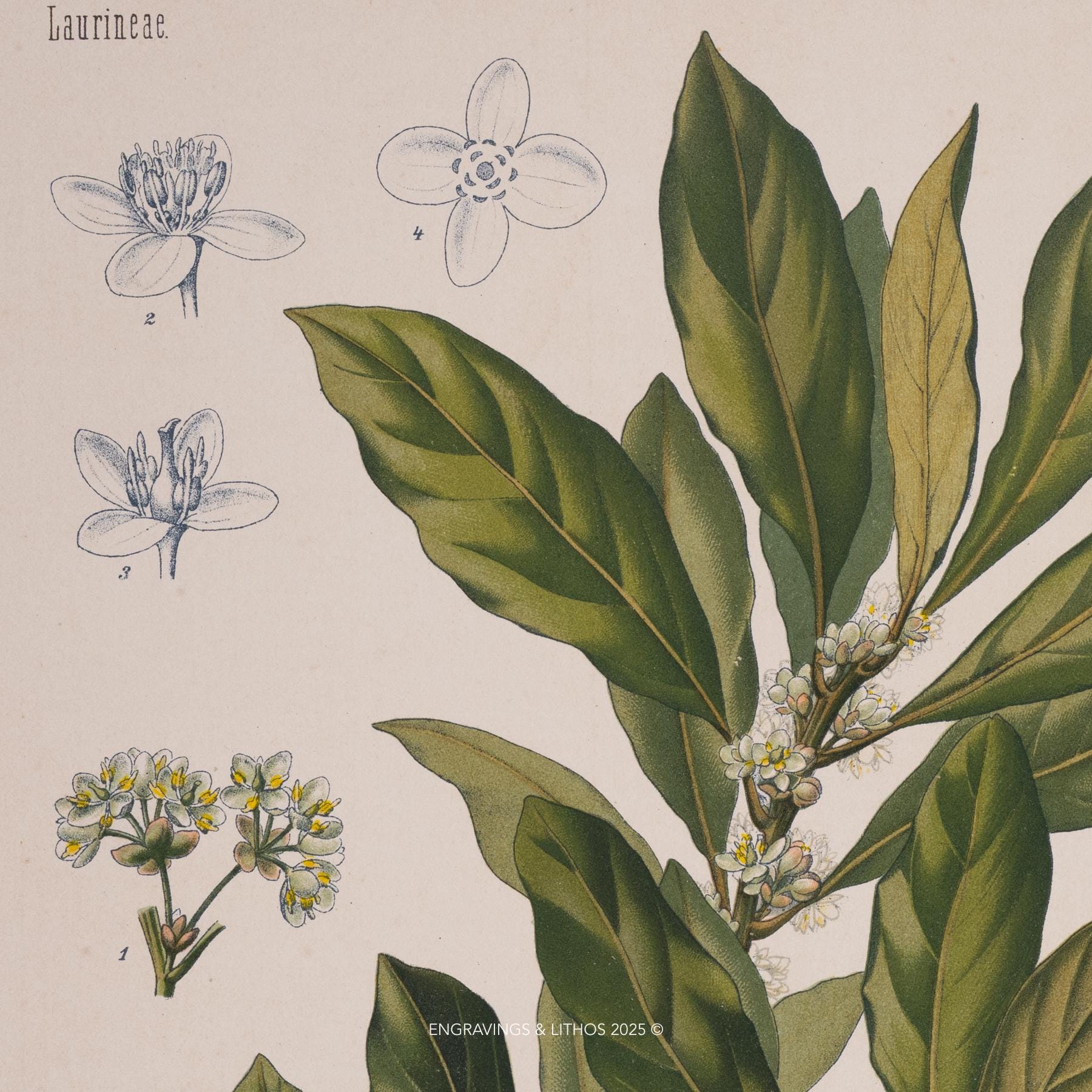
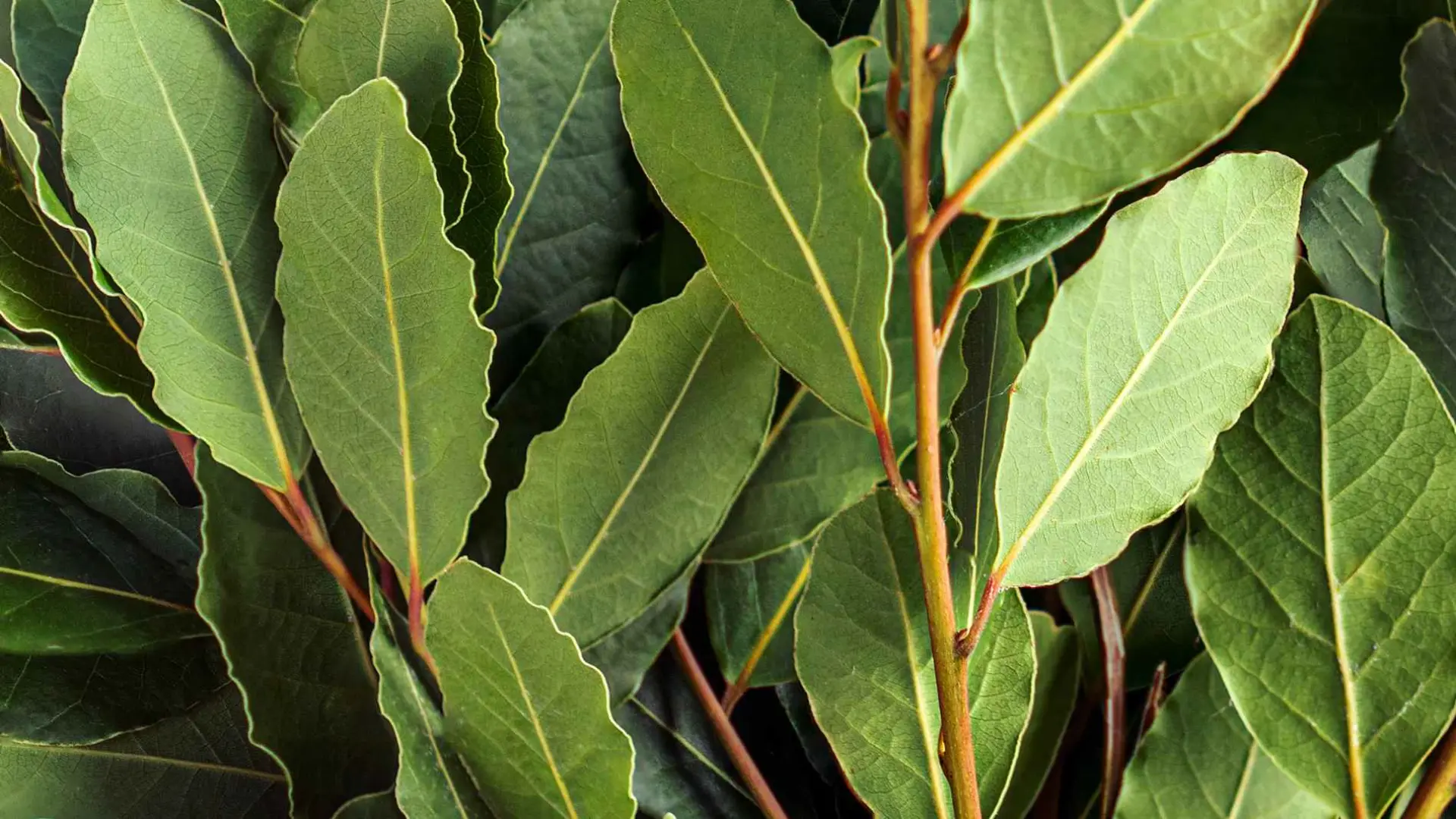
Understanding the chemical composition of Laurus nobilis provides the foundational context for its traditional and contemporary medicinal applications. The plant synthesizes a complex array of secondary metabolites within its dark green, leathery leaves. These compounds dictate the physiological interactions of the botanical material when extracted into teas, oils, or tinctures.
The primary pharmacological activity stems from the essential oil fraction, which typically constitutes one to three percent of the dry leaf weight. Key constituents include 1,8-cineole (eucalyptol), which often comprises up to fifty percent of the volatile oil, alongside alpha-pinene, beta-pinene, linalool, alpha-terpinyl acetate, and eugenol. Additionally, the leaves contain sesquiterpene lactones, notably costunolide and dehydrocostunolide, which contribute to biological activity but also present contact allergy risks. Phenolic compounds, flavonoids, and various tannins provide complementary antioxidant capacities.
- Key volatile oils: 1,8-cineole, eugenol, and linalool driving anti-inflammatory and antimicrobial properties.
- Sesquiterpene lactones: Active constituents that mediate cellular responses but require cautious handling due to sensitization potential.
- Flavonoid profile: Quercetin and kaempferol derivatives scavenging free radicals within biological tissues.
- Tannins and mucilage: Compounds that exert mild astringent and demulcent effects upon mucous membranes.
Traditional Medicinal Applications and Modern Evidence
Herbal medicine practitioners have historically utilized preparations of Laurus nobilis to address a variety of ailments. Contemporary research increasingly investigates these traditional claims to isolate active mechanisms and establish safety profiles. The integration of historical use and modern phytotherapy highlights specific areas where bay laurel demonstrates measurable physiological effects.
Gastrointestinal support remains one of the oldest applications of laurel leaf tea. The volatile oils stimulate digestive secretions, reduce spasmodic contractions in the smooth muscle of the intestinal tract, and mitigate gas accumulation. Respiratory support relies heavily on the inhalation of vaporized essential oils or the consumption of warm infusions; the high concentration of 1,8-cineole acts as a secretolytic and mild bronchodilator, assisting in the clearance of mucus from the upper respiratory pathways. Topically, infused oils containing bay compounds are rubbed onto joints and muscles to leverage localized counter-irritant and anti-inflammatory properties.
| Application Area | Primary Phytochemical Mechanism | Traditional Use | Modern Research Status |
|---|---|---|---|
| Gastrointestinal | Carminative and spasmodic reduction via essential oils | Relief from dyspepsia, bloating, and colic | Supported by animal and in vitro studies showing smooth muscle relaxation |
| Respiratory | Secretolytic action of 1,8-cineole | Management of coughs, bronchitis, and nasal congestion | Validated by established pharmacological data on eucalyptol pharmacology |
| Musculoskeletal | Local vasodilation and prostaglandin inhibition | Alleviation of arthritic pain, sprains, and bruises | Preliminary in vitro data supports moderate anti-inflammatory pathways |
| Antimicrobial | Disruption of bacterial and fungal cell membranes | Wound cleansing and preservation of preparations | Demonstrated broad-spectrum activity against common pathogens in laboratory settings |
Preparation Methods for Medicinal Laurel
Proper preparation techniques ensure maximum extraction of therapeutic compounds while minimizing the concentration of potentially irritating substances. Because raw bay leaves contain potent essential oils and bitter principles, selecting the appropriate solvent—such as boiling water, carrier oils, or high-proof ethanol—determines the safety and efficacy of the final product.
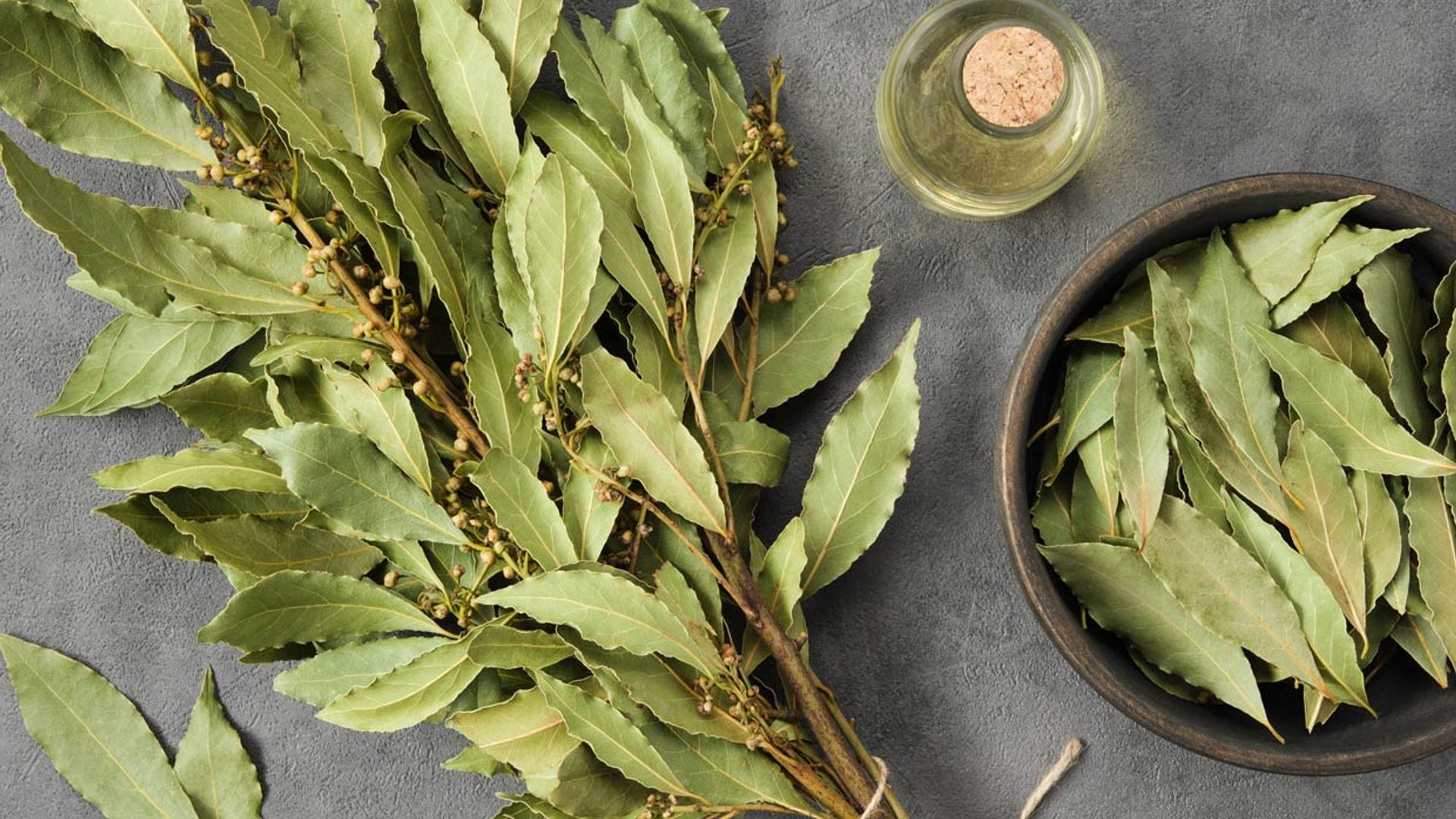
Brewing a standard medicinal infusion requires dried or fresh leaves broken into smaller pieces to expose cellular structures. Pouring boiling water over the leaves and steeping them in a covered vessel prevents the evaporation of volatile monoterpenes. For topical applications, a macerated oil involves steeping dried leaves in a stable carrier oil like olive or jojoba oil over low heat for several hours or through solar infusion for multiple weeks. Tinctures require precise weight-to-volume ratios using certified ethanol solvents to extract both water-soluble and alcohol-soluble constituents.
- Herbal Infusion (Tea): Use one to two grams of dried, crumbled Laurus nobilis leaves per cup of boiling water, steeped covered for ten to fifteen minutes.
- Topical Infused Oil: Macerate fifty grams of dried leaves in five hundred milliliters of carrier oil, maintaining low thermal exposure for four to six hours.
- Steam Inhalation: Add three to five crushed leaves to a bowl of steaming water, draping a towel over the head to direct volatile vapors toward the nasal passages.
- Standardized Tincture: Prepare a 1:5 weight-to-volume ratio using 45% to 60% ethanol to capture both polar and non-polar phytochemical fractions.
Safety, Contraindications, and Potential Side Effects
While Laurus nobilis is generally safe in culinary contexts, concentrated medicinal preparations demand rigorous safety protocols. The presence of specific chemical constituents can trigger adverse reactions in sensitive populations, and botanical identity must be strictly verified to prevent toxicity associated with look-alike plant species.
The most notable risk associated with bay laurel topical preparations is allergic contact dermatitis, driven primarily by the sesquiterpene lactones (costunolide). Individuals with known hypersensitivity to plants in the Asteraceae or Lauraceae families should perform a patch test before applying laurel oils to larger areas of skin. Furthermore, ingestion of concentrated essential oils can lead to mucous membrane irritation, nausea, and vomiting. Pregnant and breastfeeding individuals must avoid therapeutic or concentrated doses due to a lack of comprehensive safety data regarding uterine stimulation.
Botanical Identity Warning
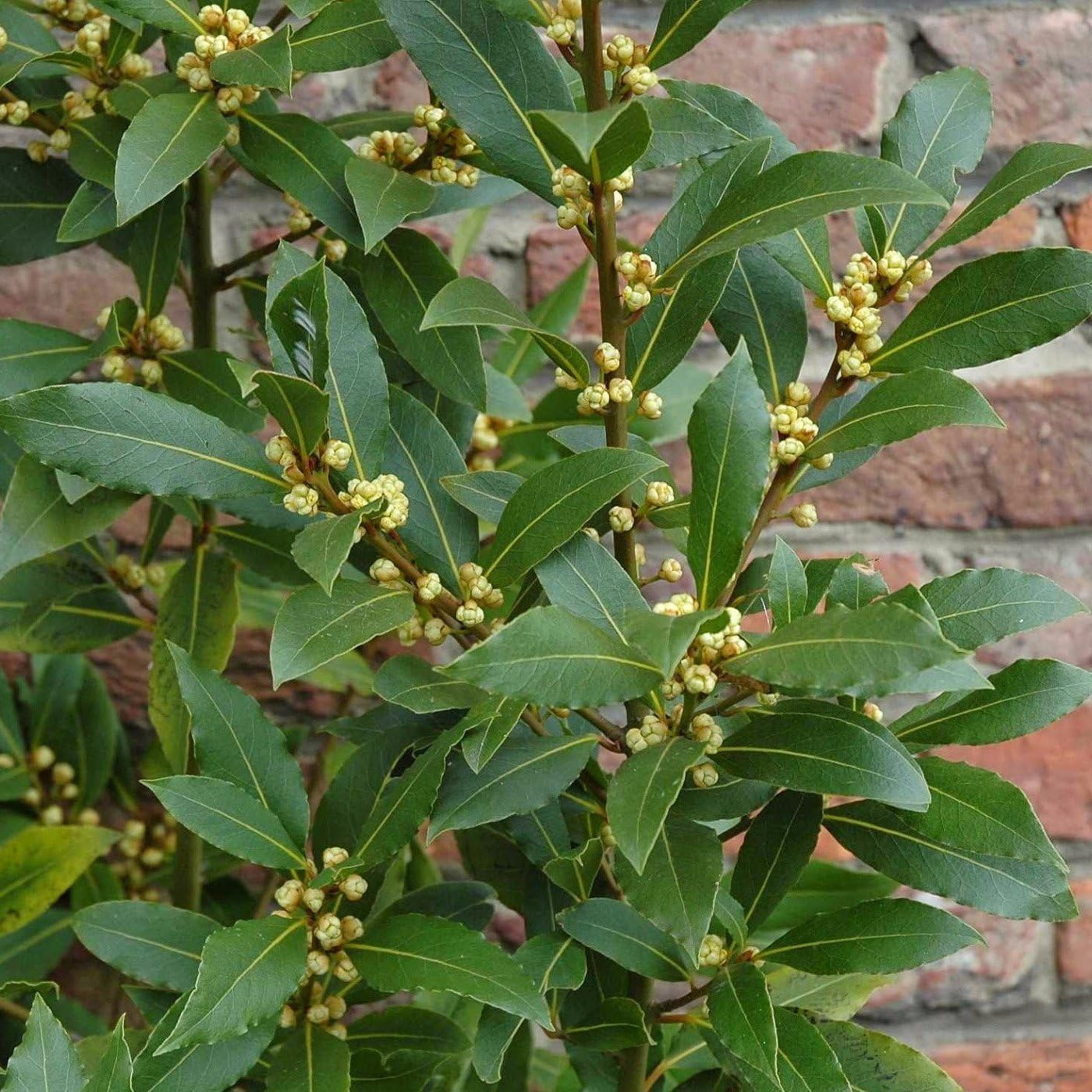
Species Verification Required: Never utilize leaves from unrelated ornamental plants commonly called "laurel," such as cherry laurel (Prunus laurocerasus), which contains cyanogenic glycosides capable of releasing toxic hydrogen cyanide upon digestion. Ensure absolute verification of Laurus nobilis prior to preparing any medicinal remedy.
Comparison of Bay Laurel Versus Common Herbal Alternatives
When selecting botanical remedies for common ailments such as digestive upset or mild joint pain, practitioners often weigh Laurus nobilis against other well-documented herbs. Each botanical offers distinct phytochemical profiles and safety parameters that influence clinical choice.
| Herb Name (Botanical) | Primary Active Constituents | Main Therapeutic Focus | Key Contraindications / Risks |
|---|---|---|---|
| Bay Laurel (Laurus nobilis) | 1,8-cineole, eugenol, costunolide | Digestion, respiratory congestion, topical pain | Contact dermatitis from sesquiterpene lactones; avoid concentrated oils in pregnancy |
| Peppermint (Mentha piperita) | Menthol, menthone | Spastic colon, tension headaches, dyspepsia | Exacerbation of gastroesophageal reflux disease (GERD); potential gallstone interactions |
| Ginger (Zingiber officinale) | Gingerols, shogaols | Nausea, motion sickness, inflammatory joint conditions | Caution with anticoagulant or antiplatelet medications at high supplemental doses |
| Eucalyptus (Eucalyptus globulus) | 1,8-cineole (high concentration) | Upper respiratory infections, nasal congestion | Toxicity of pure essential oil if ingested; avoid application on facial areas of young children |
Troubleshooting Common Preparation and Usage Issues
Encountering variability in potency or adverse reactions during the use of medicinal laurel typically stems from improper storage, incorrect dosing, or botanical confusion. Addressing these operational challenges ensures consistent therapeutic outcomes and patient safety.
If a prepared tea tastes excessively bitter or causes mild gastric irritation, the steeping time was likely too long, or the leaf material was overly concentrated. Reducing the amount of plant matter or shortening the extraction time resolves this issue. For topical applications that produce localized redness, discontinue use immediately and cleanse the area with mild soap and water to clear potential contact dermatitis triggered by sesquiterpene lactones. Storing dried leaves in airtight containers away from direct light and moisture prevents the oxidation and degradation of volatile therapeutic oils.
- Issue: Loss of aromatic potency in stored leaves.
- Remedy: Store whole, dried leaves in opaque, airtight glass containers in a cool environment; grind only what is needed immediately prior to preparation.
- Issue: Skin irritation from topical oil application.
- Remedy: Dilute the infused oil further with a neutral carrier oil, or discontinue application entirely if sensitivity persists after patch testing.
- Issue: Excessive bitterness in herbal infusions.
- Remedy: Limit steeping duration to ten minutes maximum and strain out all particulate matter before consumption.
Practical Recommendations for Integrating Medicinal Laurel
Implementing Laurus nobilis preparations into an at-home wellness routine requires adherence to measured dosing and sourcing purity. Begin all internal trials with small quantities—such as a single cup of mild leaf infusion—to assess individual digestive tolerance. For topical routines, verify that the carrier oil is fresh and that the laurel leaves used for extraction were harvested from pesticide-free, verified sweet bay trees. Always consult a qualified healthcare professional or clinical herbalist before combining medicinal plant extracts with prescription medications, particularly those affecting blood coagulation, respiratory function, or blood glucose regulation.
Image Gallery