Understanding the Cleveland Abduction Victims in Context: A Legacy of Survival and Systemic Change
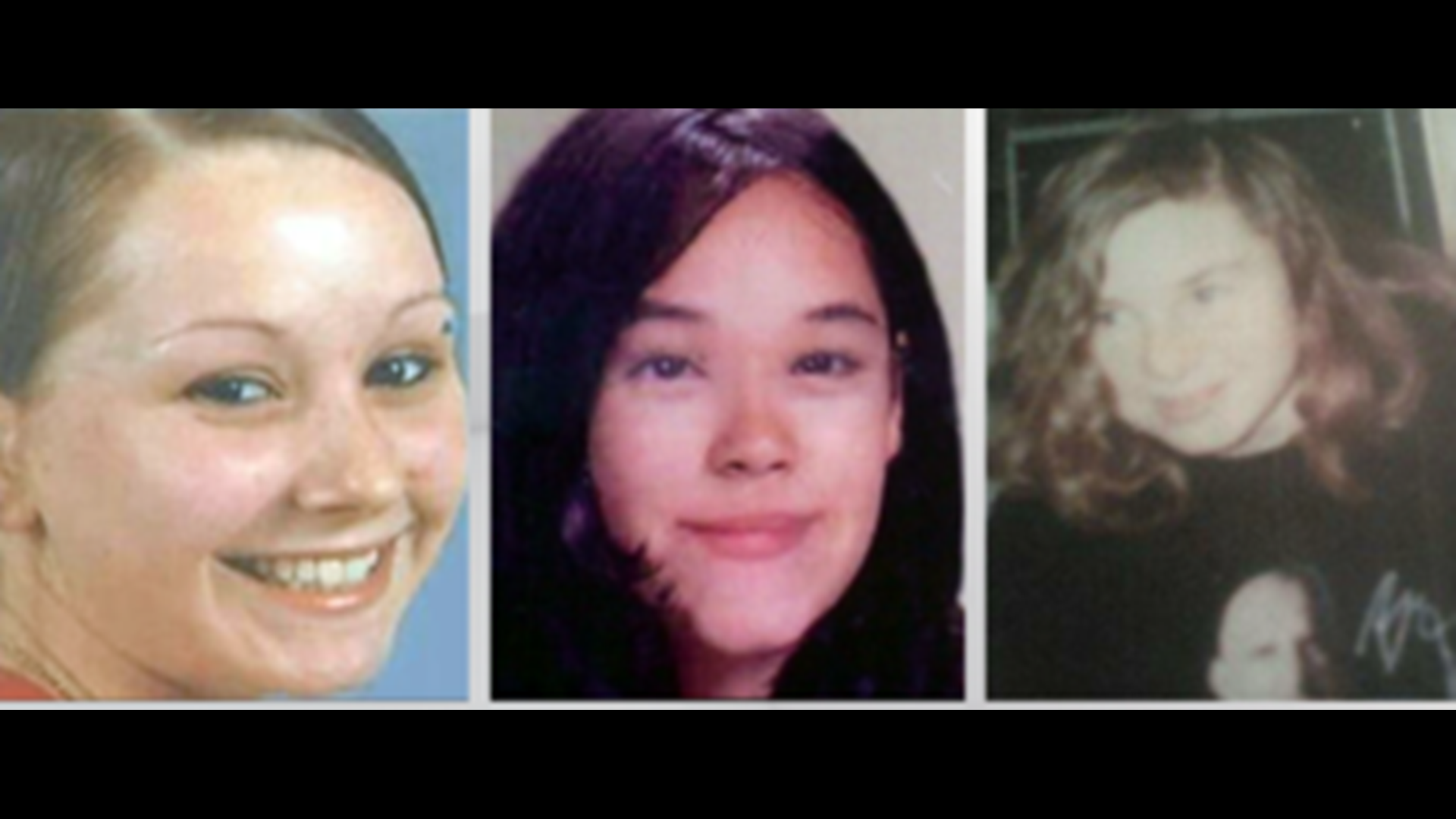
The Cleveland abduction victims—Michelle Knight, Amanda Berry, and Gina DeJesus—were held captive by Ariel Castro for over a decade in a residential home on Seymour Avenue. Their 2013 rescue redefined national conversations on missing...
The Cleveland abduction victims—Michelle Knight, Amanda Berry, and Gina DeJesus—were held captive by Ariel Castro for over a decade in a residential home on Seymour Avenue. Their 2013 rescue redefined national conversations on missing persons, police protocol, and the psychological resilience of survivors, leading to significant legislative and investigative reforms that remain active in 2026.
Contents
The Timeline of the Cleveland Abductions (2002–2013)
To understand the Cleveland abduction victims in context, one must first examine the timeline of their disappearances, which occurred over a span of two years. Each victim was lured into Ariel Castro’s vehicle under the guise of a ride, a tactic that exploited their trust or immediate need for transportation within their own neighborhood.
Michelle Knight was the first to be abducted on August 23, 2002. At 21 years old, Knight was an adult, which significantly impacted how her disappearance was handled by authorities. Because she was not a minor, police initially categorized her as a runaway, a common and often criticized practice in missing persons cases involving adults from lower-income backgrounds. This classification meant that her case did not receive the same level of media scrutiny or investigative resources as the subsequent abductions.
Amanda Berry disappeared on April 21, 2003, the day before her 17th birthday. Unlike Knight’s disappearance, Berry’s case garnered immediate and sustained media attention. Her mother, Louwana Miller, became a prominent advocate for missing children, appearing on national television to keep her daughter’s name in the public eye. Sadly, Miller passed away in 2006, seven years before Amanda was found, a fact that remains one of the most tragic elements of the case's context.
Gina DeJesus was the final victim, abducted on April 2, 2004, at the age of 14. Because Gina was a friend of Castro’s daughter, Arlene, her disappearance was particularly shocking to the local community. The DeJesus family remained incredibly active in the search, organizing annual vigils and working closely with law enforcement, unaware that the perpetrator was someone they knew from the neighborhood.
Living in the Shadow: The Conditions at 2207 Seymour Avenue
The "context" of these abductions is defined largely by the environment in which the survivors were forced to live. For over a decade, the three women were held in a two-story house at 2207 Seymour Avenue. The house was modified with reinforced doors, boarded-up windows, and makeshift partitions to ensure the victims remained hidden from the outside world.
Life inside the house was characterized by extreme physical and psychological abuse. Castro employed a system of control that included starvation, chains, and physical violence. Despite these horrific conditions, the survivors developed unique ways to support one another. The birth of Amanda Berry’s daughter, Jocelyn, in December 2006, changed the dynamic of the house. The victims worked together to ensure the child’s safety, with Michelle Knight reportedly performing the delivery under Castro's threats.
The psychological context of their survival is often studied by experts today. While the term "Stockholm Syndrome" is frequently misapplied to such cases, criminal psychologists note that the Cleveland survivors did not sympathize with their captor; rather, they employed sophisticated survival strategies to navigate his volatility. Their ability to maintain a sense of self and hope over 11 years is cited in 2026 as a landmark example of human psychological endurance.
Systemic Failures and the "Plain Sight" Reality
A critical part of analyzing the Cleveland abduction victims in context is addressing how they remained undiscovered in a densely populated urban neighborhood. Ariel Castro was a school bus driver with a history of domestic violence, yet he managed to evade detection despite several "near misses" with law enforcement and neighbors.
On at least two occasions, police were called to the residence for unrelated matters. In one instance, a neighbor reported a naked woman crawling in the backyard, but the investigation did not lead to a search of the interior. These failures highlight the gaps in urban policing during the early 2000s, where reports from high-crime or low-income neighborhoods were sometimes given less weight.
Furthermore, the "plain sight" element of the case is a haunting social context. Castro attended vigils for the girls, comforted the families, and even played music in public, all while keeping the victims chained just blocks away. This illustrates the "hiding in plain sight" phenomenon where a perpetrator’s social integration serves as a shield against suspicion.
The May 6, 2013 Escape and Legal Outcome
The rescue of the Cleveland survivors remains one of the most televised events in the city’s history. On May 6, 2013, taking advantage of Castro’s failure to secure a door, Amanda Berry managed to reach the front porch and scream for help. Neighbors, including Charles Ramsey and Angel Cordero, assisted in breaking the bottom of the door, allowing Berry and her daughter to escape.
Following the rescue, the investigation moved rapidly. Ariel Castro was arrested within hours at a local McDonald's. In August 2013, Castro pleaded guilty to 937 counts, including murder (related to forced miscarriages inflicted on Knight), kidnapping, and rape. To avoid the death penalty, he accepted a sentence of life plus 1,000 years without the possibility of parole.
The legal proceedings concluded abruptly when Castro committed suicide in his prison cell at the Correctional Reception Center in Orient, Ohio, just one month into his sentence. For the survivors, this denied them the opportunity to confront him further in future hearings, but it also closed a dark chapter, allowing the community to focus on the victims' recovery rather than the perpetrator’s incarceration.
Life After Captivity: The Survivors’ Path to 2026
Thirteen years after their rescue, the survivors have each taken distinct paths, using their experiences to influence public policy and offer hope to others. Their roles in 2026 reflect a transition from victims to prominent community leaders and advocates.
Michelle Knight (Lily Rose Lee)
Michelle Knight, who now goes by the name Lily Rose Lee, has focused on healing through the arts and animal therapy. She authored several memoirs detailing her life before, during, and after the house. In 2026, she continues to run foundations dedicated to providing resources for victims of domestic abuse and child sex trafficking. Her journey is often contextualized as the most difficult recovery, given that she had no family support system to return to initially, yet she has become a symbol of radical self-reconstruction.
Amanda Berry
Amanda Berry transitioned into a career in media and advocacy. She became a host for a local news segment in Cleveland dedicated to finding missing people, utilizing her platform to provide the visibility she once lacked. By 2026, Berry’s work has been instrumental in the recovery of dozens of missing individuals in the Ohio area. She remains a private but powerful voice for the families of the disappeared.
Gina DeJesus
Gina DeJesus focused her efforts on the systemic side of missing persons cases. Along with her family, she helped establish the Cleveland Family Center for Missing Children and Adults. In 2026, she serves as a consultant for law enforcement agencies, helping them understand the nuances of communicating with the families of victims and improving the efficacy of Amber Alerts and search protocols.
| Feature | Michelle Knight (Lily Rose Lee) | Amanda Berry | Gina DeJesus |
|---|---|---|---|
| Abduction Date | August 23, 2002 | April 21, 2003 | April 2, 2004 |
| Age at Abduction | 21 | 16 | 14 |
| Primary Focus (2026) | Victim Advocacy & Arts | Media & Missing Persons Search | Policy & Law Enforcement Training |
| Key Publication | Finding Me, Life After Darkness | Hope: A Memoir of Survival | Hope: A Memoir of Survival |
| Current Status | Active Philanthropist | Missing Persons Advocate | Community Leader/Consultant |
The Global Impact on Missing Persons Protocols
The context of the Cleveland abductions extends far beyond the borders of Ohio. The case forced a global re-evaluation of how "cold cases" involving missing children are handled. Prior to this, many law enforcement agencies operated under the assumption that if a child was not found within the first 48 to 72 hours, the likelihood of a live recovery was near zero. The Cleveland case proved that survivors could be held for a decade or more, leading to the "never stop looking" mantra that defines modern investigative units.
Legislatively, the case spurred the passage of various state-level "Survival Acts" that increased penalties for long-term kidnapping and provided better funding for victim services. The psychological data gathered from the survivors’ testimonies has also been integrated into training for the FBI’s Behavioral Analysis Unit, helping agents identify the environmental signs of long-term domestic captivity.
Common Questions Regarding the Cleveland Abduction Context
How did the victims survive so long in captivity?
The survivors utilized a combination of mutual support and strict routine. They reportedly shared information and monitored Castro's moods to de-escalate violence. Their survival is attributed to their mental fortitude and the bond they formed, particularly in their shared effort to protect Amanda Berry's daughter, Jocelyn.
What happened to the house on Seymour Avenue?
The house at 2207 Seymour Avenue was demolished on August 7, 2013, shortly after Castro’s sentencing. The demolition was a public event intended to provide closure for the neighborhood and ensure the site did not become a "dark tourism" destination. Today, the land is a vacant green space, symbolizing a clean break from the past.
Were there other victims of Ariel Castro?
While there have been various theories regarding other disappearances in the Cleveland area during that era, no other victims were ever linked to Castro through DNA or physical evidence. The investigation into his activities prior to 2002 did not yield definitive proof of other abductions, though his history of domestic violence against his ex-wife was well-documented.
How has the Amber Alert system changed since this case?
The Cleveland case highlighted that Amber Alerts are often too narrow. Since then, many jurisdictions have expanded the criteria for alerts to include "endangered missing" adults (like Michelle Knight) and have integrated social media and digital billboards to ensure immediate, widespread notification that reaches beyond traditional radio and television.
Practical Recommendations for Community Vigilance
The context of the Cleveland abductions serves as a vital reminder for community awareness and law enforcement diligence. In 2026, the primary lesson remains the importance of the "See Something, Say Something" initiative, but with a focus on persistence.
- Trust Local Intuition: Many neighbors had "odd feelings" about Castro but did not want to interfere in private business. Modern safety training emphasizes that reporting suspicious activity is not an intrusion but a community responsibility.
- Support Victim Resources: Organizations founded by the survivors, such as the Cleveland Family Center for Missing Children and Adults, rely on community support to provide the bridge between law enforcement and families.
- Advocate for Adult Missing Persons: Ensure that local law enforcement does not automatically dismiss adult disappearances as "voluntary." Support legislation that requires immediate investigation for any missing person deemed "at risk," regardless of age.
The Cleveland abduction victims in context represent more than just a survivor story; they represent a fundamental shift in how society views the missing, the captive, and the resilience of the human spirit.
Image Gallery