Getting UTI Treatment at CVS: 2026 MinuteClinic and Pharmacy Guide
CVS offers comprehensive UTI treatment through MinuteClinic diagnostic services and pharmacist-led prescribing programs in participating states. Patients can receive rapid urinalysis testing and immediate antibiotic prescriptions for u...
CVS offers comprehensive UTI treatment through MinuteClinic diagnostic services and pharmacist-led prescribing programs in participating states. Patients can receive rapid urinalysis testing and immediate antibiotic prescriptions for uncomplicated urinary tract infections. This streamlined care model is primarily available for adult females, providing a convenient, same-day alternative to traditional primary care or emergency department visits.
Contents
Navigating CVS UTI Services: MinuteClinic vs. Pharmacy Consultation
As we move through 2026, CVS Health has solidified its position as a primary entry point for acute infection management. When seeking treatment for a Urinary Tract Infection (UTI) at CVS, it is essential to distinguish between the two primary pathways of care: the MinuteClinic (a walk-in medical clinic staffed by Nurse Practitioners or Physician Assistants) and the retail pharmacy counter (where clinical pharmacists may have prescribing authority depending on state regulations).
MinuteClinics are currently the gold standard for CVS-based UTI care. These clinics are equipped with diagnostic tools to perform point-of-care testing, which is vital for confirming the presence of bacteria and white blood cells in the urine. For patients in states with expanded Pharmacy Scope of Practice laws in 2026, the retail pharmacist may also be able to assess symptoms and prescribe antibiotics directly, though this often requires the patient to meet specific, low-risk criteria.
The primary goal of these services is to provide rapid relief for "uncomplicated" UTIs—infections occurring in healthy, non-pregnant women where the infection is localized to the lower urinary tract (the bladder).
Clinical Eligibility and Patient Requirements in 2026
CVS maintains strict clinical protocols to ensure patient safety and antibiotic stewardship. Not every patient with urinary symptoms is eligible for treatment at a retail pharmacy or clinic. In 2026, the following eligibility criteria typically apply for CVS UTI services:
- Gender and Age: Services are generally restricted to females aged 18 to 65. Men with UTI symptoms are classified as "complicated" cases and require a referral to a urologist or primary care physician due to the higher risk of underlying structural issues or prostate involvement.
- Symptom Duration: Patients should have experienced symptoms for fewer than seven days. Chronic or recurring symptoms may indicate a more complex issue that requires specialist intervention.
- Pregnancy Status: Pregnant individuals cannot be treated for UTIs at MinuteClinic or via pharmacy prescribing due to the potential risks to the fetus and the need for specialized obstetric monitoring.
- Medical History: Patients with a history of kidney stones, kidney disease, or recent urinary tract surgery are typically referred to higher-level care facilities.
- Systemic Symptoms: If a patient presents with high fever (over 101°F), chills, nausea, vomiting, or severe flank pain (back pain), the provider will likely refer them to an emergency department, as these symptoms suggest Pyelonephritis (kidney infection).
The Diagnostic Process: What to Expect During Your Visit
When you arrive at a CVS MinuteClinic or check in via the CVS Pharmacy app in 2026, the diagnostic process follows a standardized medical framework.
- Intake and Screening: You will complete a digital questionnaire focusing on your symptoms, such as dysuria (painful urination), frequency, and urgency.
- Clinical Consultation: A Nurse Practitioner (NP) or Physician Assistant (PA) will review your medical history. They will specifically look for "red flag" symptoms that might suggest a more serious infection.
- Urinalysis (UA): You will be asked to provide a "clean-catch" urine sample. The clinic uses a dipstick test to look for nitrites (produced by certain bacteria) and leukocyte esterase (an enzyme from white blood cells). In 2026, many locations also utilize rapid automated microscopy for higher diagnostic accuracy.
- Prescription and Education: If the test is positive and you meet the clinical criteria, the provider will send an electronic prescription to the CVS pharmacy counter. They will also provide guidance on hydration and finishing the full course of antibiotics to prevent resistance.
2026 Insurance Coverage and Out-of-Pocket Costs
CVS MinuteClinic is highly integrated with major insurance carriers. However, costs can vary significantly based on your specific plan's deductible and co-pay structure for "convenience care" or "retail clinics."
Insurance Network Verification for 2026
Aetna and CVS Health: As a subsidiary of CVS Health, Aetna plans (including Aetna CVS Health Marketplace plans and Aetna Medicare Advantage) typically offer the lowest co-pays for MinuteClinic visits, often ranging from $0 to $25.
Major Commercial Carriers: UnitedHealthcare (UHC), Blue Cross Blue Shield (BCBS), Cigna, and Humana are widely accepted. Most PPO plans treat MinuteClinic as an in-network provider.
Medicare and Medicaid: Traditional Medicare (Part B) is accepted. However, coverage for state-managed Medicaid (Medi-Cal, AHCCCS, etc.) varies by state; some require a pre-designated PCP referral which may not be compatible with walk-in services.
Self-Pay Rates: For those without insurance, the standard 2026 rate for a UTI assessment at MinuteClinic ranges from $99 to $139, excluding the cost of the actual medication.
Comparing UTI Care Options: 2026 Market Analysis
Choosing where to seek care depends on the severity of symptoms and your budget. The following table compares the typical experience across different healthcare settings.
| Service Feature | CVS MinuteClinic / Pharmacy | Primary Care Physician (PCP) | Urgent Care Center | Emergency Room (ER) |
|---|---|---|---|---|
| Availability | Same-day / Walk-in | Requires Appointment | Walk-in | 24/7 Walk-in |
| Average Wait Time | 15–45 Minutes | 2–10 Days | 1–3 Hours | 4–8 Hours |
| Typical Cost (Uninsured) | $99 – $139 | $150 – $250 | $150 – $300 | $1,500+ |
| Diagnostic Scope | Basic Lab (UA) | Full Lab / Bloodwork | Lab / X-ray | Full Imaging / CT |
| Best For | Simple, acute UTIs | Routine follow-ups | Moderate pain / Weekends | Severe pain / High fever |
| Antibiotic Delivery | On-site Pharmacy | External Pharmacy | On-site or External | On-site |
Common Medications Prescribed at CVS for UTIs
In alignment with the 2026 Infectious Diseases Society of America (IDSA) guidelines, CVS providers focus on first-line therapies that maximize efficacy while minimizing the development of antibiotic resistance.
- Nitrofurantoin (Macrobid): The most common first-line treatment for uncomplicated UTIs. It is typically a 5-day course. It is highly effective because it concentrates specifically in the lower urinary tract.
- Trimethoprim-Sulfamethoxazole (Bactrim): A 3-day course often used if local resistance patterns are low. Note that many regions in 2026 show increased resistance to this drug.
- Fosfomycin: A single-dose powder mixed with water. This is an excellent option for patients with adherence concerns, though it may be more expensive than multi-day pills.
- Phenazopyridine (AZO): This is not an antibiotic and will not cure the infection, but it is often recommended for the first 24–48 hours to numb the bladder and relieve intense burning.
OTC Products: What CVS Sells vs. What Actually Works
When browsing the aisles at CVS, you will encounter numerous "Urinary Health" products. It is critical to understand the difference between symptom management and infection eradication.
- Cranberry Supplements/Juice: While some studies suggest proanthocyanidins in cranberries can prevent bacteria from sticking to the bladder wall, they cannot treat an active infection. They are for prevention only.
- D-Mannose: A type of sugar that may help flush out E. coli. Like cranberry, it is a preventative tool, not a cure for an established infection.
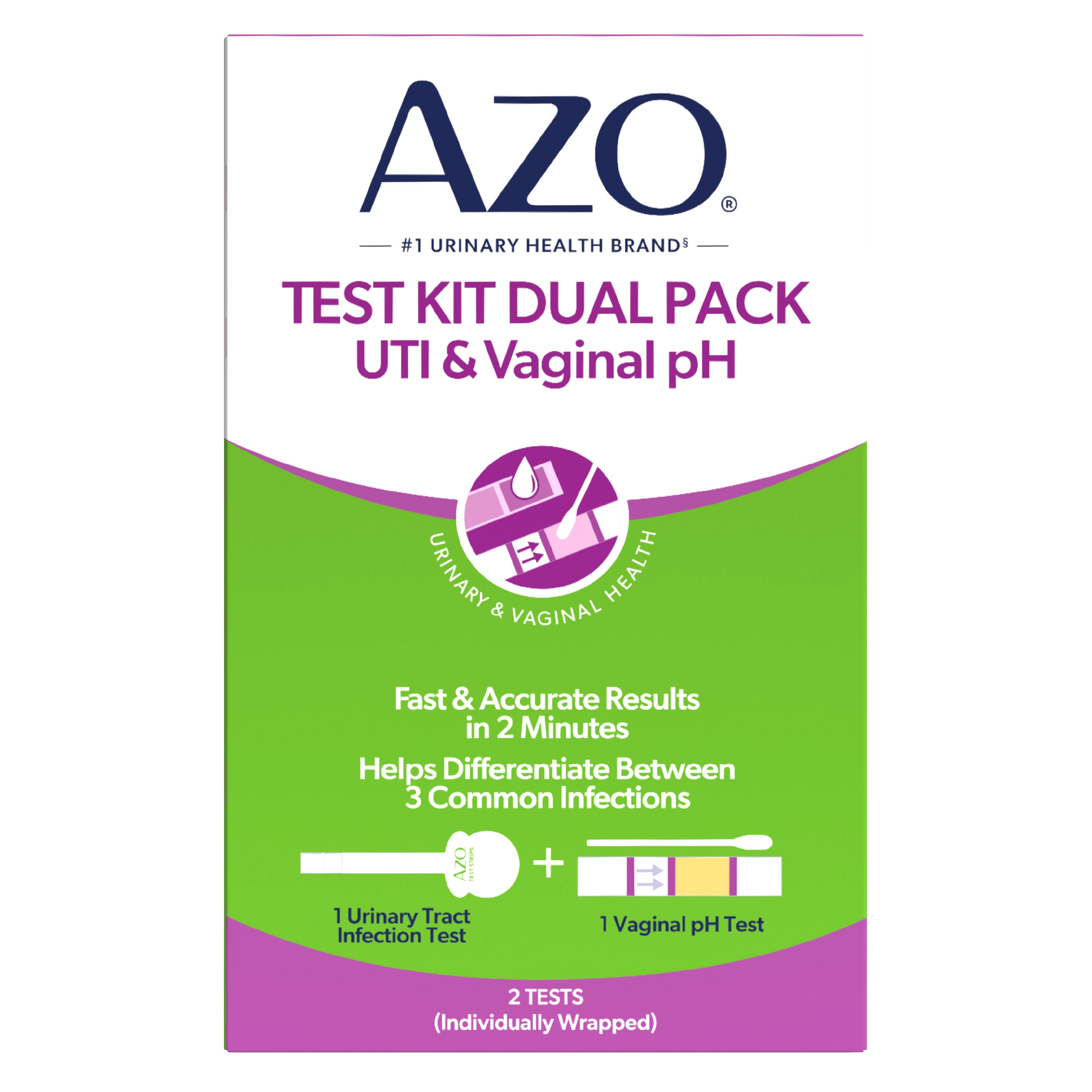
- UTI Test Strips: CVS sells at-home dipstick tests. These are useful for screening, but a "negative" result at home does not always rule out an infection if symptoms persist. Professional clinical evaluation is always recommended.
When to Bypass CVS for an Emergency Department
Retail clinics are not designed for complex medical emergencies. You should avoid CVS and head directly to a hospital if you experience any of the following "red flag" symptoms:
- Kidney Pain: Pain felt high in the back or side (the flank), often sharp and throbbing.
- High Fever and Rigors: Uncontrollable shaking and a temperature exceeding 102°F.
- Vomiting: Inability to keep down oral fluids or medications.
- Diabetes or Immunocompromised Status: If you have poorly controlled diabetes or are on immunosuppressant drugs, UTIs can escalate to sepsis very quickly.
- Blood in Urine (Gross Hematuria): While microscopic blood is common in UTIs, visible clots or dark red urine require immediate imaging to rule out stones or tumors.
Step-by-Step Guide: How to Get UTI Treatment at CVS Today
- Check Availability: Use the CVS app or website to locate a MinuteClinic near you and check current wait times.
- Schedule or Walk-in: You can book a specific time slot to reduce your wait time. In 2026, "Virtual Care" visits are also an option for initial screening.
- Bring Documentation: Have your insurance card, a valid ID, and a list of current medications (especially any history of antibiotic allergies like Penicillin or Sulfa drugs).
- The Visit: Complete the UA test and consultation. This usually takes less than 30 minutes.
- Pick Up Medication: Once the provider sends the script, wait for the text notification from the pharmacy.
- Follow-up: If symptoms do not improve within 48 hours of starting antibiotics, contact the MinuteClinic or your PCP immediately.
Expert Insight: The Rise of "Test and Treat" in 2026
The landscape of pharmacy-based care has shifted toward the "Test and Treat" model. This protocol allows pharmacists to act as the primary clinician for minor ailments. In 2026, this has significantly reduced the burden on hospital emergency rooms. However, the success of this model depends on patient honesty during the screening process. If you have had more than three UTIs in the past year, you should request a "urine culture" rather than just a dipstick test. A culture, which takes 24–48 hours to grow, identifies the specific bacteria and which antibiotics will be most effective against it.
Frequently Asked Questions (FAQ)
Can a CVS pharmacist prescribe antibiotics for a UTI?
In 2026, CVS pharmacists in states with "Test and Treat" legislation can prescribe antibiotics for uncomplicated UTIs after a brief consultation. This service is typically available for adult women who meet specific safety criteria and do not have underlying health complications.
How much does a UTI visit cost at CVS without insurance?
A standard UTI consultation at a CVS MinuteClinic in 2026 costs between $99 and $139 for self-pay patients. This fee covers the clinical assessment and the urinalysis test, but the cost of the prescribed antibiotic is separate and varies by medication.
How long does it take to get UTI results at CVS?
Diagnostic results for a UTI at CVS are usually available within 15 minutes. The MinuteClinic uses rapid dipstick technology or automated microscopy to provide on-site results, allowing the provider to issue a prescription before you leave the clinic.
Can I get UTI treatment at CVS if I am pregnant?
No, CVS MinuteClinics and pharmacists generally do not treat UTIs in pregnant individuals due to the increased risk of complications. Pregnant patients require specialized care from an OB/GYN to ensure the safety of both the mother and the fetus.
Does CVS offer virtual visits for UTI symptoms?
Yes, CVS offers Virtual Care visits for UTI symptoms in many states. During a virtual call, a provider can assess your symptoms and, if appropriate, send a prescription to your pharmacy; however, they may still require an in-person urine sample if the diagnosis is unclear.
What insurance does CVS MinuteClinic accept for UTIs?
CVS MinuteClinic is in-network with most major 2026 insurance plans, including Aetna, UnitedHealthcare, Cigna, Blue Cross Blue Shield, and Humana. They also accept Medicare Part B and various Medicare Advantage plans, though Medicaid coverage varies by state.
For those experiencing the sudden onset of urinary discomfort, CVS provides a reliable, clinically sound pathway to relief. By utilizing the 2026 MinuteClinic infrastructure, you can bypass the traditional healthcare bottlenecks and start your recovery within hours of symptom onset. Always ensure you complete your full antibiotic course even if symptoms disappear early to prevent the return of a more resistant infection.
Image Gallery