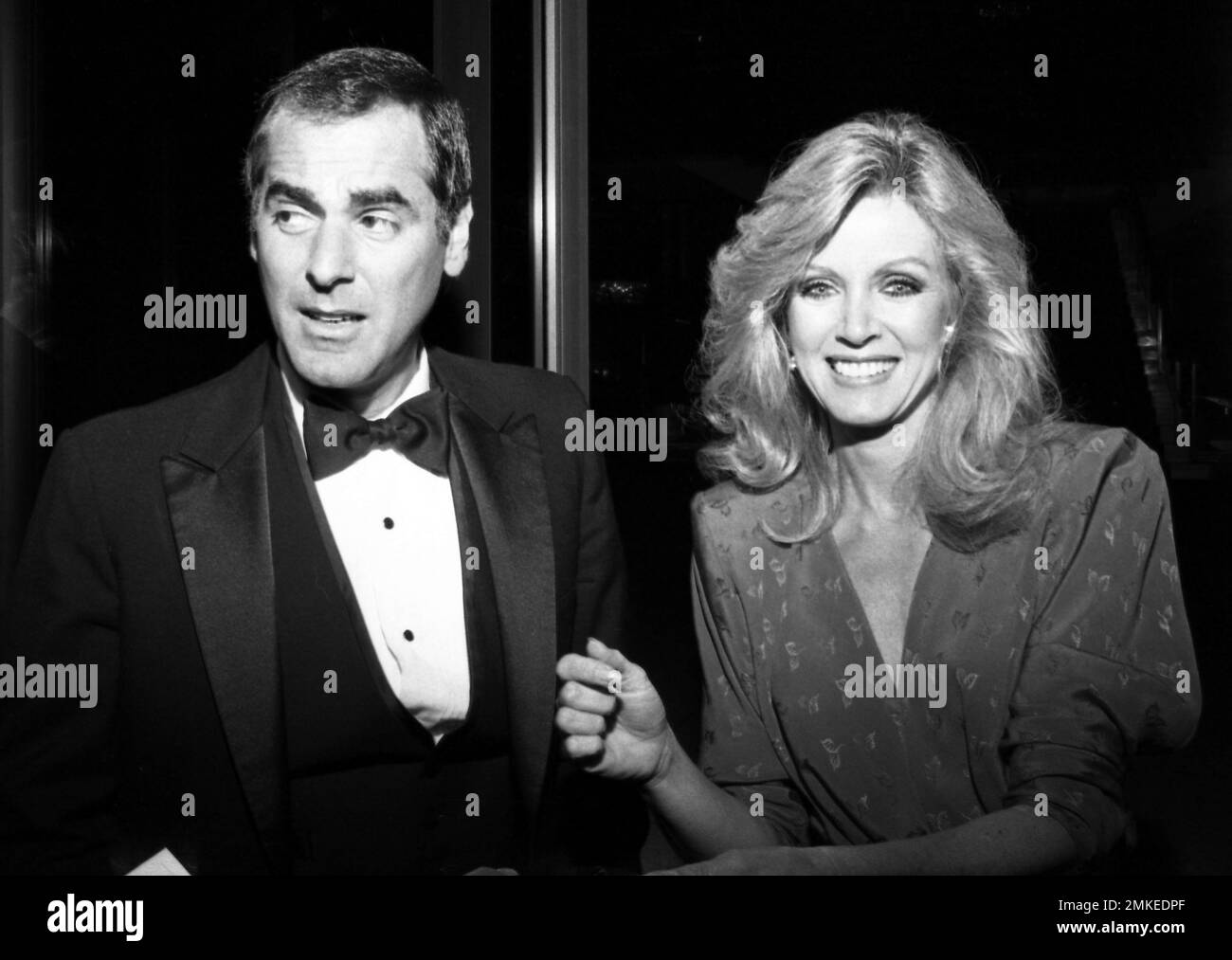
Elizabeth Mills: A Professional Profile of the Actress
Elizabeth Mills is a dedicated professional actor whose career is defined by her versatile work across independent film, theater productions, and voice-over artistry. Recognized for her commitment to character-driven storytelling, Mill...
Elizabeth Mills is a dedicated professional actor whose career is defined by her versatile work across independent film, theater productions, and voice-over artistry. Recognized for her commitment to character-driven storytelling, Mills has built a reputation for nuanced performances that prioritize emotional authenticity, establishing her as a recognizable figure within the contemporary performing arts landscape.
Contents
Defining the Professional Scope of Elizabeth Mills
When searching for the career trajectory of Elizabeth Mills, it is important to distinguish her professional identity from other public figures sharing the same name. In the context of the entertainment industry, Elizabeth Mills is primarily associated with mid-career work that spans stage and screen, often collaborating with creative teams focused on narrative-heavy, character-focused dramas and experimental theater.
The career of an actress like Mills is typically categorized by several distinct tiers of professional activity. Unlike performers who focus exclusively on high-budget studio blockbusters, Mills has navigated a path that favors artistic agency and the exploration of diverse personas. This includes consistent involvement in:
- Independent Cinema: Often serving as the backbone of her portfolio, her work in independent film involves tight-knit production crews and long-form character development.
- Stage Performance: Her presence in live theater allows for the physical and vocal precision required for complex stage scripts, which requires a specific set of skills regarding audience engagement and real-time continuity.
- Voice Acting: Many contemporary actors in this bracket utilize their vocal range for commercials, audiobooks, or animation, providing a secondary revenue stream and creative outlet that complements their visual acting work.
Foundational Training and Development
The path to a professional acting career is rarely linear, and for Elizabeth Mills, the foundation relies on established academic and practical training. Most actors who achieve a consistent working status have undergone rigorous conservatory-style training or hold undergraduate degrees in fine arts (BFA) or performing arts.
Training is not merely about "learning to act"; it is about acquiring a toolkit that includes voice modulation, physical conditioning, script analysis, and the historical context of dramatic literature. For a working professional in 2026, the industry demands a high degree of adaptability. Actors must be capable of shifting between the intimate requirements of a close-up camera lens, which demands minimalism and subtlety, and the expansive gestures necessary for a proscenium stage.
The standard progression for a performer typically involves:
- Academic Foundation: Building theoretical knowledge of dramatic structure.
- Repetitive Practice: Engaging in workshop environments, regional theater, or short film festivals to accumulate a body of work.
- Representation: Aligning with agents or managers who handle the logistics of auditions, contracts, and industry networking.
- Portfolio Management: Maintaining an active presence through casting portals and professional networking platforms that showcase headshots, demo reels, and representative credits.
The Dynamics of the Modern Acting Industry
To understand the professional life of an actress like Elizabeth Mills, one must consider the operational environment of the acting industry in the mid-2020s. The industry has shifted significantly toward digital-first casting and remote auditions. While auditions were once held exclusively in physical casting rooms in hubs like New York or London, the current standard frequently involves self-taping.
For a professional, this creates a new set of requirements:
- Technical Proficiency: Owning or having access to a high-quality home studio setup for self-tapes, including lighting, audio, and high-definition video capture.
- Administrative Management: Acting is a business. Success depends on the ability to manage a resume, maintain industry relationships, and track upcoming project cycles.
- Adaptability: The ability to pivot between different styles—from period dramas to contemporary thrillers—is essential for sustaining a long-term career.
Comparison of Professional Performance Environments
The following table summarizes the varied environments in which a professional actress typically works, highlighting the distinct skill sets required for each medium.
| Environment | Primary Focus | Technical Constraint | Audience Interaction |
|---|---|---|---|
| Film | Internalized Emotion | Framing and Lighting | Post-production dependent |
| Theater | Vocal Projection | Physical Continuity | Real-time immediate feedback |
| Voice-Over | Timbre and Diction | Micro-precision / Acoustics | Remote / Aural only |
| Television | Pacing and Volume | Fast-turnaround filming | Seasonal viewership |
Navigating Career Longevity and Challenges
A common challenge for actors at this level of the industry is the cyclical nature of project work. The professional life of an actress like Elizabeth Mills involves long periods of preparation followed by intense, high-pressure production schedules. Balancing this volatility requires a high level of personal organization and financial discipline.
Professional longevity is often tied to the actor’s ability to remain "castable." This is not just about physical appearance; it is about the ability to embody a specific "type" or range of characters that are currently in demand by producers and directors. Keeping an active demo reel updated with recent work is the primary method for demonstrating this growth to casting directors.
Common pitfalls that professionals work to avoid include:
- Burnout: The pressure of constant rejection or the intensity of consecutive projects can take a toll. Managing one's mental and physical health is a professional prerequisite.
- Market Stagnation: Failing to update professional materials—such as headshots or reel content—can make an actor seem less relevant to casting directors who prioritize current, high-definition footage.
- Networking Isolation: The industry relies heavily on professional referrals and prior working relationships. Maintaining a reputation for reliability on set is often as important as the quality of the performance itself.
Frequently Asked Questions
What is the best way to verify the current professional credits of an actress? The most accurate method is to consult professional industry databases such as IMDb Pro or official casting union registries. These sources are updated by agents and production companies to reflect verified project history.
Does Elizabeth Mills focus on a specific genre of film or theater? Professional actors often maintain a diverse portfolio to remain versatile. While individual actors may have a recurring style or interest in character-driven narratives, their work typically spans various genres to maximize their range and reach within the industry.
How does an actress manage her career in the current digital landscape? Modern career management focuses on "self-marketing." This includes maintaining an updated digital presence, investing in professional-grade home recording equipment for remote auditions, and utilizing industry-specific platforms to track casting calls and project developments.
What is the role of an agent in an actor's career? An agent acts as a liaison between the actor and the industry. They handle the submission of resumes for roles, negotiate contracts, and ensure that the actor is considered for high-quality projects that match their specific skills and career goals.
Recommendations for Future Engagement
For those following the career of Elizabeth Mills, the best course of action is to monitor official film and theater listings. Keep an eye on professional portfolios, such as profiles hosted on industry-standard networking sites, which provide the most reliable insight into upcoming projects, released titles, and current professional representation. Engaging with the arts by supporting regional theater and independent cinema remains the most effective way to appreciate the work of actors currently honing their craft in these spaces.
Image Gallery