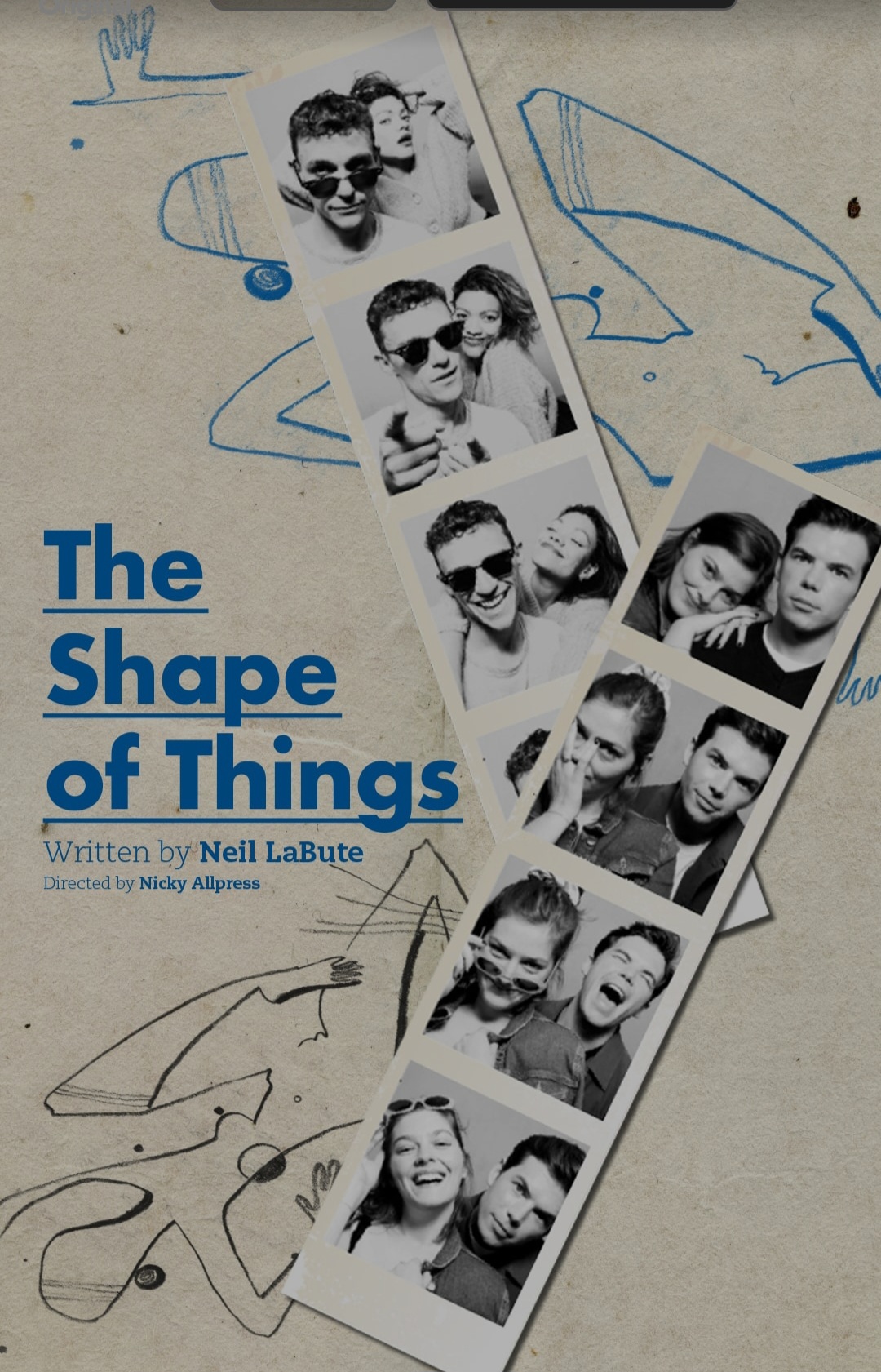
What the Changing View of Neil LaBute Films Reveals About Modern Cinematic Morality
The shifting perception of Neil LaBute’s filmography—from the shock-inducing provocations of the late 1990s to his current status as a scrutinized chronicler of toxic human behavior—reveals a fundamental change in how contemporary audi...
The shifting perception of Neil LaBute’s filmography—from the shock-inducing provocations of the late 1990s to his current status as a scrutinized chronicler of toxic human behavior—reveals a fundamental change in how contemporary audiences interpret artistic cruelty, gender politics, and the boundaries of cinematic realism in a post-consensus culture.
Contents
The Evolution of the "LaButeian" Landscape
When Neil LaBute emerged in the late 1990s with films like In the Company of Men (1997) and Your Friends & Neighbors (1998), he was frequently categorized as a filmmaker of transgression. His work was defined by characters who engaged in calculated emotional violence, often centered on misogyny and manipulative power dynamics. At the time, critics often debated whether these films were condemning this behavior or merely exploiting it for narrative friction.
By 2026, the lens through which we view these works has shifted significantly. The primary change lies in the transition from viewing his characters as "shocking anomalies" to recognizing them as representations of systemic rot. What was once seen as a stylistic affectation—the icy, detached, and often nihilistic dialogue—is now analyzed as a precursor to modern discourse regarding gaslighting and the weaponization of language. The "changing view" is not necessarily that the films have changed, but that the societal framework used to judge them has evolved to prioritize the power dynamics LaBute depicted long before they were commonly identified by the terminology used today.
Shifting Interpretations of Cruelty
A central component of this reevaluation is how we interpret the cruelty of LaBute’s protagonists. In the early 2000s, viewers often felt the need to distance themselves from the characters, labeling them as "monsters" or "sociopaths." This served as a defensive mechanism to insulate the audience from the recognition of those traits in everyday social structures.
Today, the discourse has moved toward an interrogation of why those characters operate as they do. The contemporary view focuses on the institutional and social environments that allow such figures to thrive. LaBute’s recurring focus on the white-collar, suburban, and academic milieus is now viewed less as a critique of specific individuals and more as an autopsy of the systems that reward competitive toxicity. By stripping away the "shock" value, we can see the cold mechanics of his scripts: they are studies in how language is used to maintain dominance rather than facilitate communication.
Comparison of Critical Perspectives
The following table outlines how the reception of Neil LaBute’s work has transitioned over the last three decades, highlighting the shift from shock to structural analysis.
| Era | Primary Critical Lens | Perception of Violence | View of Protagonists |
|---|---|---|---|
| Late 1990s | Provocative/Auteurist | Shocking/Taboo | Sociopathic outliers |
| 2010s | Moralistic/Rejectionist | Harmful/Misogynistic | Products of artistic malice |
| 2026 | Structural/Analytical | Symptomatic of power | Representations of systemic toxicity |
The Role of Gender and Power Dynamics
Perhaps the most significant factor in the changing view of these films is the evolution of gender politics in cinema. In the Company of Men, for instance, was initially discussed as a brutal experiment in male entitlement. Modern criticism, however, often focuses on the way the film meticulously exposes the fragility inherent in such entitlement.
The changing view reveals a higher level of literacy regarding these power dynamics. Audiences in 2026 are less likely to be "provoked" by the overt hostility in a LaBute film and more likely to examine the vulnerability of the victims and the complicity of the bystanders. This reflects a broader shift in film theory: the movement away from the "cult of the auteur"—where the director's intent is the sole arbiter of meaning—toward a more critical focus on the social responsibility of the narrative itself.
Technical Depth and Narrative Minimalism
LaBute’s technical approach—often defined by minimalist sets, extended takes, and a theatrical, stage-bound dialogue style—was once viewed as a limitation. Critics often complained that his films felt "too much like plays." In the current cinematic landscape, where high-concept spectacle often dominates, this restraint is being revisited with more appreciation.
His commitment to "the word" as the primary vehicle for violence allows for a specific kind of character study that does not rely on visual gore or melodrama. This focus on the precise, stinging cadence of speech forces the audience into a position of uncomfortable intimacy. By 2026, we recognize that the "theatrical" nature of his writing serves a specific purpose: it heightens the artifice of social interaction. It suggests that even our most "authentic" moments are merely performances designed to secure an advantage.
Common Misconceptions in LaBute Scholarship
One of the most persistent errors in evaluating LaBute’s films is the assumption that his characters represent his own worldview. This is a common failure in interpreting provocative cinema. The "changing view" necessitates a distinction between the perspective of the film and the perspective of the character.
Another misconception is that the films are purely "cynical." While they deal in cynical subject matter, the act of documenting that cynicism with such surgical precision implies a desire to expose it. The films are not celebrating the toxic behavior; they are demanding that the viewer confront the reality of how such behavior functions in professional and personal spaces.
Questions for Ongoing Inquiry
As we continue to analyze this body of work, several questions remain relevant for students of film and culture:
How do the endings of his films function as ethical tests? Many LaBute films end without a traditional "moral comeuppance." This lack of closure is a deliberate narrative choice that forces the viewer to reconcile with the injustice on screen, rather than leaving the theater feeling resolved.
Is there a distinct "LaButeian" aesthetic that has influenced modern indie cinema? Yes. His influence can be traced in the rise of "cringe comedy" and the "unlikable protagonist" subgenre that became prevalent in prestige television and independent film in the mid-2010s.
Does the focus on "toxic masculinity" overshadow other elements of his work? While crucial, it can obscure his exploration of general human fallibility, including cowardice, insecurity, and the desire for social status that transcends gender lines.
Why is his work frequently debated as "misogynistic" despite his long-term focus on the flaws of men? This stems from the fact that women in his films are often placed in vulnerable positions where they are the primary targets of the male characters’ psychological games, leading to a debate about whether the films empower the victims or merely re-victimize them for dramatic effect.
Next Steps for Reevaluating the Canon
To truly understand what the changing view of Neil LaBute films reveals, one must engage with the work outside of the initial marketing cycles that accompanied their releases. Seek out his earlier stage plays alongside his filmography to see how the dialogue translates across mediums. Furthermore, compare his works of the 1990s with his later, often more understated dramas. This trajectory provides a clear map of how both the artist and the audience have navigated the complexities of human interaction over the last three decades. The most valuable next step for any viewer is to view these films not as artifacts of a bygone era, but as active participants in an ongoing dialogue about the ethics of observation in narrative media.
Image Gallery