Average Temperature in Myrtle Beach in January: Weather Guide
The average temperature in Myrtle Beach in January ranges from a crisp low of 38°F (3°C) to a mild high of 57°F (14°C). While winter weather along the South Carolina coast brings cooler days and occasional chilly coastal breezes, it of...
The average temperature in Myrtle Beach in January ranges from a crisp low of 38°F (3°C) to a mild high of 57°F (14°C). While winter weather along the South Carolina coast brings cooler days and occasional chilly coastal breezes, it offers a peaceful, crowd-free atmosphere compared to the bustling summer tourist season.
Contents
Planning a trip to the Grand Strand during the winter months requires a nuanced understanding of coastal microclimates, seasonal weather patterns, and what to expect from the Atlantic environment. Although January is historically the coldest month of the year in Myrtle Beach, the local climate remains far milder than northern inland destinations, making it an appealing escape for travelers seeking a quiet coastal retreat, golf outings, or long beach walks without the oppressive summer humidity.
Understanding Winter Climate Patterns on the Grand Strand
Meteorological data collected along the South Carolina coast highlights specific trends for January weather in Myrtle Beach. The region experiences a humid subtropical climate, which heavily moderates winter temperatures compared to areas just fifty miles inland.
While freezing temperatures do occur on select winter nights, daytime highs frequently punch through into the lower 60s during periods of high pressure. Coastal waters, however, retain their winter chill, dropping significantly from their summer peaks.
Historical Temperature Benchmarks
Reviewing historical averages provides a reliable baseline for packing and itinerary planning. The following table breaks down key temperature and weather metrics for January in Myrtle Beach.
| Weather Metric | Average Value | Context and Notes |
|---|---|---|
| Average High Temperature | 57°F (14°C) | Typically occurs in the mid-afternoon during peak sunshine hours. |
| Average Low Temperature | 38°F (3°C) | Usually recorded just before sunrise on clear, calm nights. |
| Mean Daily Temperature | 48°F (9°C) | The overall average combining daily highs and lows. |
| Average Monthly Rainfall | 3.5 inches | Spread across roughly 8 to 9 measurable precipitation days. |
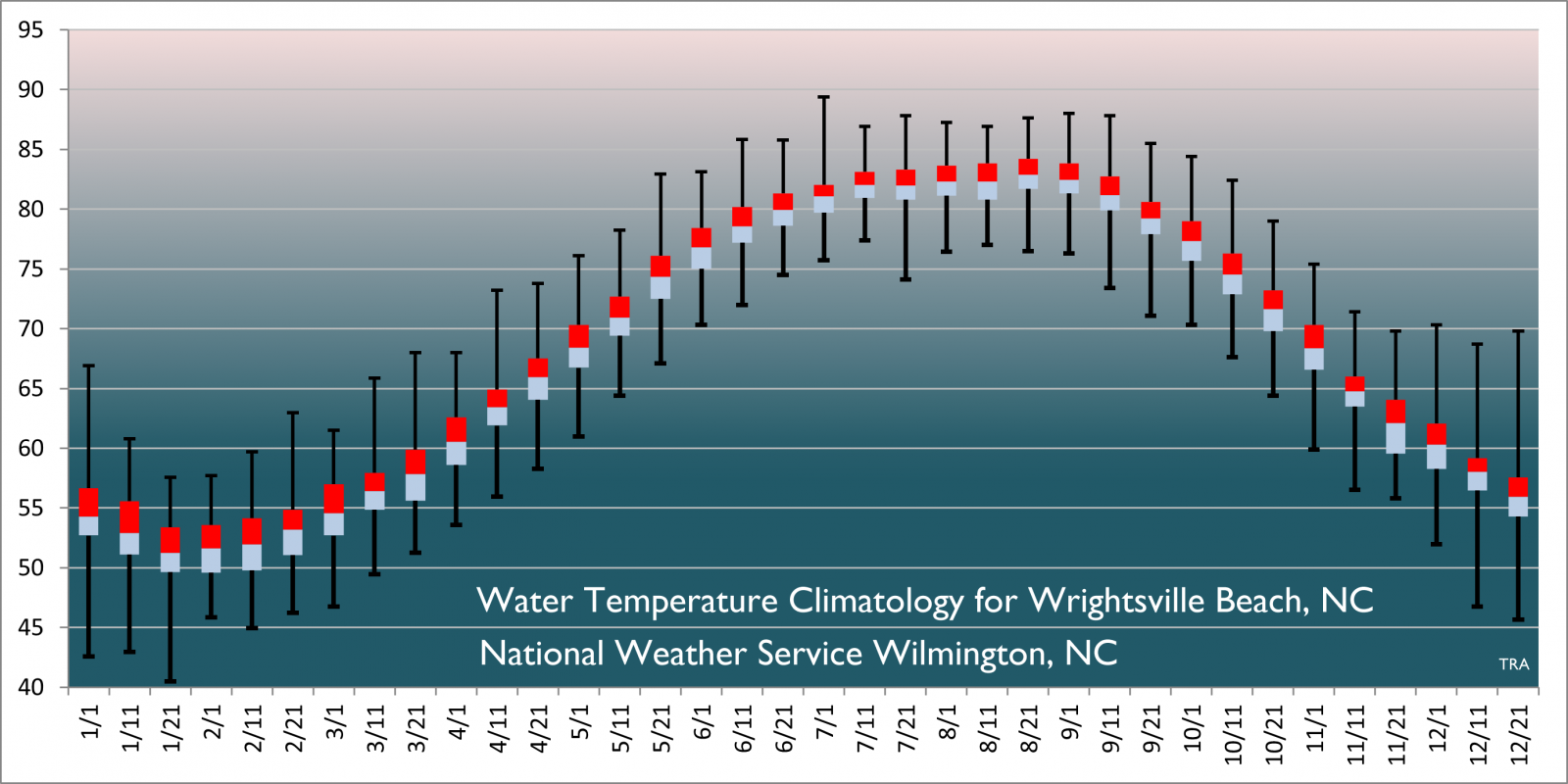
| Average Water Temperature | 52°F (11°C) | Too cold for recreational swimming without a wetsuit. |
| Average Daily Sunshine | 5 to 6 hours | Shorter daylight hours combined with occasional winter cloud cover. |
Daily Weather Progression and Coastal Microclimates
The daily weather cycle in Myrtle Beach during January follows a predictable pattern dictated by the interaction between the Atlantic Ocean and the continental landmass. Mornings often start crisp, sometimes featuring a light frost on inland lawns or vehicle windshields if an overnight freeze has settled in.
As the morning progresses, solar radiation quickly warms the atmosphere, especially on clear days. By early afternoon, temperatures often peak near the historical average, creating comfortable conditions for outdoor activities if worn with proper layers. Once the sun dips below the horizon, temperatures drop rapidly, accelerated by marine air drafts moving onshore.
Proximity to the ocean plays a significant role in localized temperature variations. Properties directly on the oceanfront or within a few blocks of the beach often experience slightly warmer overnight lows than areas located twenty miles inland toward Conway or Marion County. Conversely, ocean breezes can make daytime temperatures feel several degrees cooler than the thermometer indicates, necessitating a wind-resistant outer layer.
Precipitation, Wind, and Atmospheric Conditions
January is neither the wettest nor the driest month in Myrtle Beach, but winter weather systems can bring multi-day rain events or fast-moving cold fronts.
- Rainfall Distribution: Precipitation typically arrives via low-pressure systems moving up from the Gulf of Mexico or tracking along the Atlantic coast (often referred to as coastal low or nor'easter patterns). Thunderstorms are rare in January, replaced instead by steady, cool stratiform rain.
- Wind Dynamics: Prevailing winds shift during winter, frequently coming out of the north and northwest behind cold fronts. When winds swing onshore from the northeast, they bring heavy cloud cover, higher surf, and damp air that intensifies the chill.
- Snow and Sleet: Measurable snow is an extreme rarity in Myrtle Beach. While flurries or brief sleet mix-ins occur once every few years, accumulation on the ground almost never happens.
What to Pack for a January Trip to Myrtle Beach
Packing for a winter coastal vacation requires versatility. Because a single day can transition from a brisk morning walk on the beach to a comfortable afternoon lunch on an outdoor patio, adopting a layered clothing strategy is essential.
Essential Winter Packing Guidelines
Base Layers: Pack lightweight, moisture-wicking long-sleeve shirts and comfortable trousers or jeans that can serve as the foundation of your daily wardrobe.
Outerwear: Bring a medium-weight windbreaker, fleece jacket, or wool coat for chilly evenings and windy beach excursions. A heavy winter parka is generally unnecessary unless you are exceptionally sensitive to cold.
Footwear: Closed-toe walking shoes or sneakers are ideal for exploring the boardwalk, shopping centers, and local attractions. Waterproof boots are rarely needed unless a heavy rain system moves through.
Accessories: Do not forget a lightweight scarf, gloves, and a beanie or knit hat for early morning or late-night outings, particularly if you plan to fish from piers or walk along the shore after dark.
Outdoor Activities and Entertainment in January
Despite cooler temperatures, Myrtle Beach remains an active destination year-round. The absence of summer crowds creates unique opportunities for visitors who prefer a relaxed pace.
Golfing on the Grand Strand
January is a prime month for golf enthusiasts visiting the area. With over 80 championship courses stretching from Pawleys Island to Calabash, cooler temperatures provide ideal playing conditions without the stifling heat and humidity of July and August. Tee times are widely available, though early morning frost delays can occasionally push back shotgun starts until the sun thaws the turf.
Beachcombing and Wildlife Viewing
The winter shoreline is a haven for shell collectors and nature enthusiasts. Lower visitor numbers mean untouched stretches of sand where you can easily find intact shells, shark teeth, and smooth sea glass. January is also an excellent time for birdwatching, as migratory waterfowl, gulls, and raptors inhabit the coastline and local salt marshes.
Dining and Indoor Attractions
Most local seafood restaurants, attractions, and shopping centers remain open through January, operating on slightly reduced winter hours. Indoor entertainment complexes, such as Broadway at the Beach and Barefoot Landing, offer plenty of dining, shopping, and family activities protected from the elements.
Pros and Cons of Visiting Myrtle Beach in January
Evaluating the advantages and disadvantages of a winter trip helps set realistic expectations for your travel experience.
- Pros:
- Significantly lower accommodation rates and off-season resort specials.
- Zero traffic congestion along major thoroughfares like Highway 17 and Grissom Parkway.
- No crowds at popular seafood restaurants, attractions, or golf courses.
- Pleasant daytime temperatures for walking, cycling, and sightseeing.
- Cons:
- Ocean water is too cold for swimming or traditional beach lounging.
- Outdoor hotel pools and water parks are typically closed for the winter.
- Some seasonal family attractions, amusement parks, and oceanfront bars operate on limited schedules or close entirely until spring.
- Unpredictable weather swings can occasionally disrupt outdoor plans.
Frequently Asked Questions
Can you swim in Myrtle Beach in January?
No, swimming in Myrtle Beach in January is not recommended for the average person. With ocean water temperatures hovering around 52°F (11°C), prolonged exposure without a thermal wetsuit poses a significant risk of cold shock and hypothermia.
Do I need a heavy winter coat in Myrtle Beach in January?
A heavy arctic parka is generally unnecessary, but a warm windproof jacket, fleece, or layered sweaters are essential. Because coastal winds can make the air feel colder than the actual thermometer reading, having a proper outer layer ensures comfort during evening walks.
Are businesses and restaurants open in Myrtle Beach in January?
Yes, the vast majority of local restaurants, grocery stores, shopping hubs, and golf courses remain open year-round. While some seasonal amusement parks, souvenir shops, and oceanfront snack shacks close for winter maintenance, you will find plenty of dining and entertainment options available.
How does January weather compare to December and February in Myrtle Beach?
January is statistically the coldest month of the year in Myrtle Beach, though it shares very similar weather patterns with December and February. Daytime highs in all three winter months generally hover in the mid-to-upper 50s, with January experiencing slightly lower overnight minimum temperatures on average.
Is Myrtle Beach crowded during January?
Myrtle Beach is exceptionally quiet during January, making it one of the least crowded times of the entire year. Visitors enjoy hassle-free parking, immediate seating at popular restaurants, and quiet stretches of coastline.
Planning Your Winter Coastal Escape
Visiting Myrtle Beach in January offers a refreshing perspective on a destination usually defined by summer energy. By understanding the typical temperature range, packing appropriate layers, and anticipating crisp coastal winds, travelers can enjoy a peaceful, cost-effective getaway. Whether you plan to tee off on world-class golf courses, stroll quiet winter beaches, or enjoy fresh local seafood by the harbor, the Grand Strand provides a welcoming winter retreat.
Image Gallery