How Riskified Fraud Prevention Impacts E-commerce Operations
Riskified fraud prevention impacts e-commerce by shifting the paradigm from rigid, rule-based order filtering to AI-driven behavioral analysis, which minimizes false declines, reduces manual review overhead, and guarantees chargeback r...
Riskified fraud prevention impacts e-commerce by shifting the paradigm from rigid, rule-based order filtering to AI-driven behavioral analysis, which minimizes false declines, reduces manual review overhead, and guarantees chargeback reimbursement for approved transactions. By analyzing thousands of data points—including device fingerprints, proxy detection, and historical shopping patterns—the platform enables merchants to automate high-volume order approvals while maintaining a high security posture against sophisticated payment fraud.
Contents
The Evolution of Fraud Prevention in E-commerce
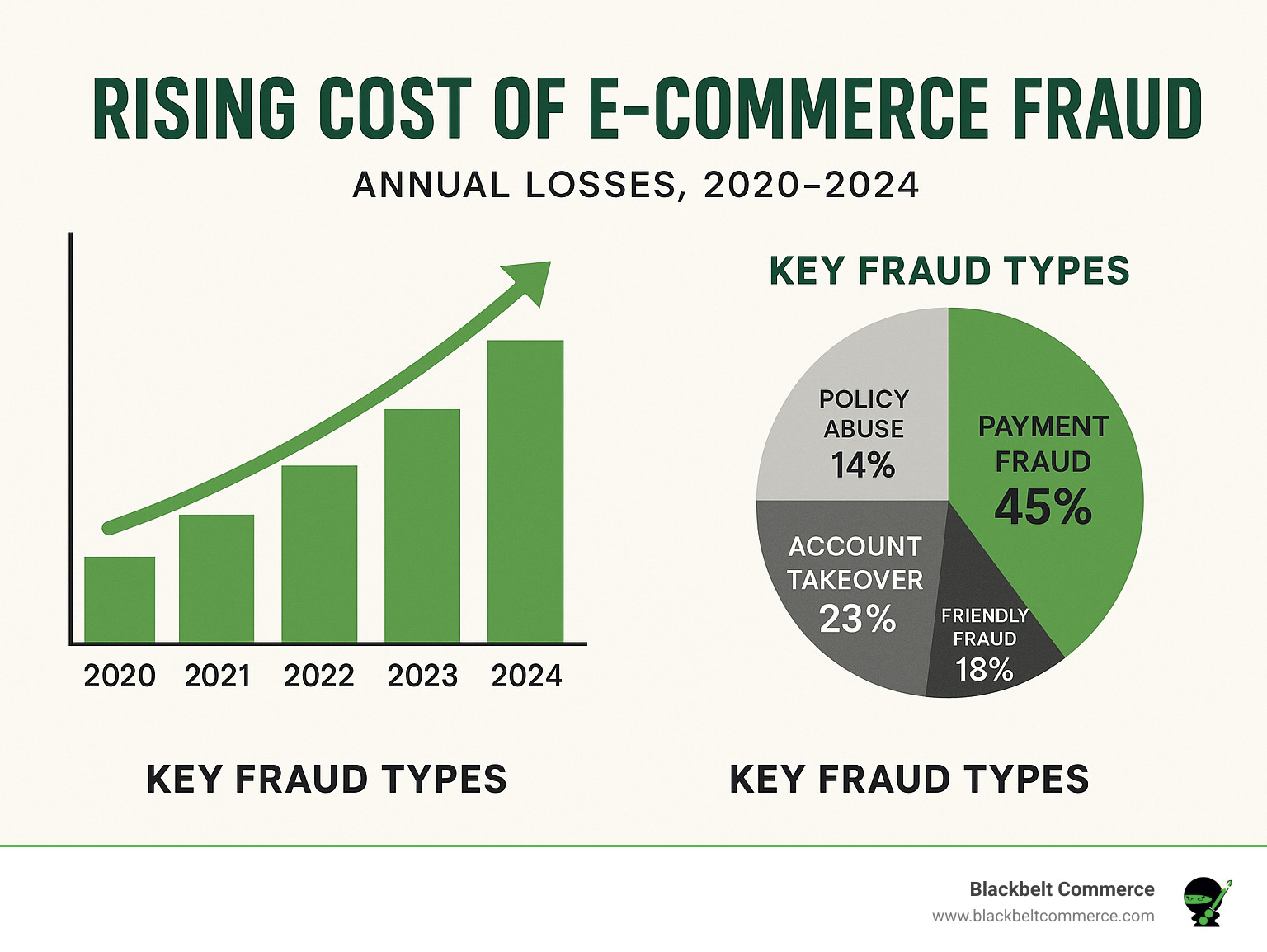
Historically, e-commerce merchants relied on static, rule-based systems to identify fraudulent transactions. These systems typically flagged orders based on simple criteria, such as mismatched billing and shipping addresses or mismatched IP locations. While effective at blocking obvious bad actors, these legacy systems often resulted in a high rate of "false positives"—legitimate orders erroneously declined by the system. In 2026, the cost of these false positives remains a primary friction point, as merchants not only lose the revenue from the transaction but also damage long-term customer lifetime value (CLV).
Riskified’s approach fundamentally changes this dynamic. By utilizing machine learning models trained on a massive, cross-merchant network, the platform evaluates the intent behind an order rather than just the technical credentials. This allows merchants to confidently approve transactions that traditional systems would reject, ultimately increasing top-line revenue.
Key Mechanisms of Impact
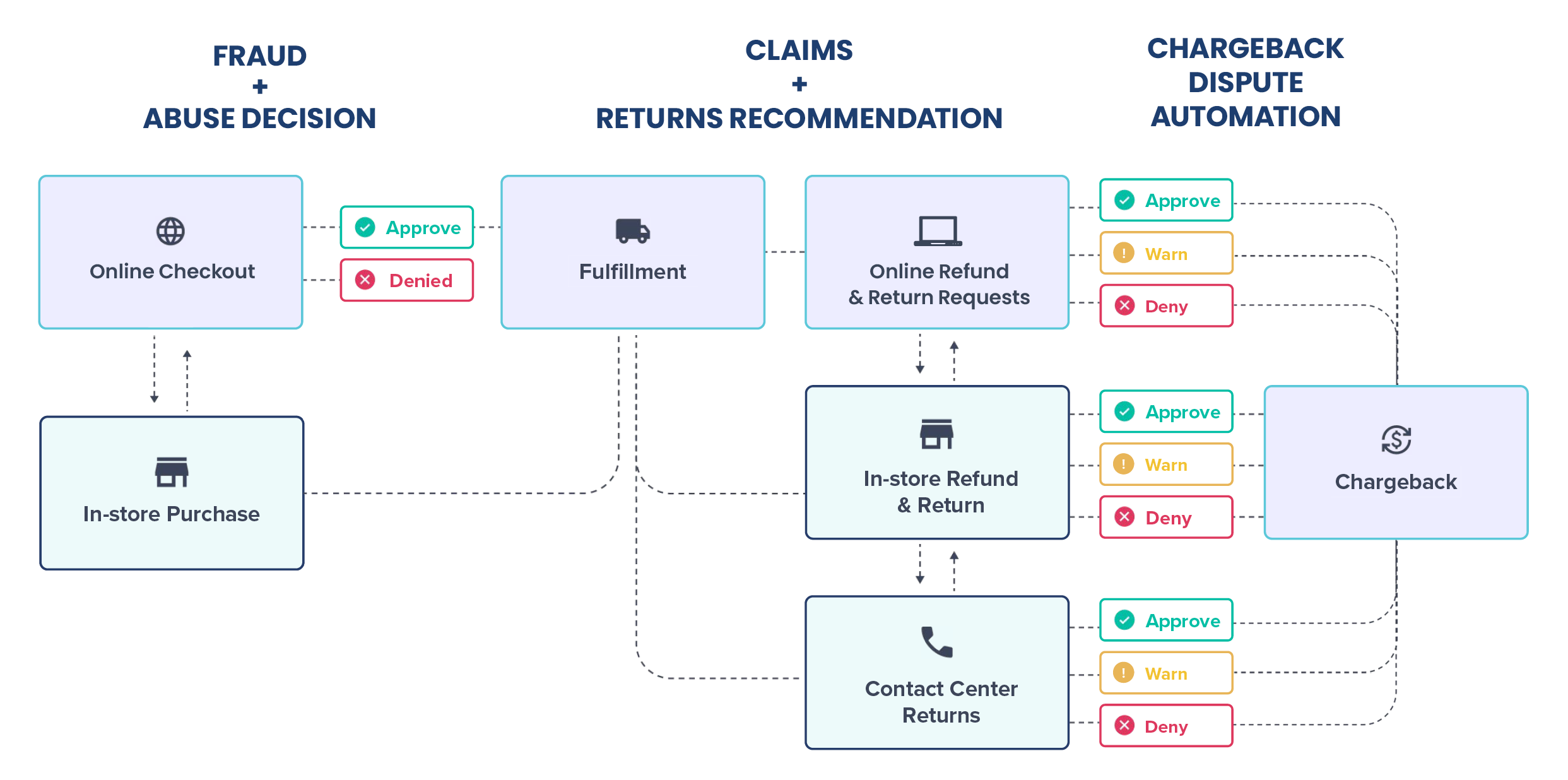
The integration of Riskified within an e-commerce infrastructure alters three critical areas: approval rates, operational efficiency, and financial liability.
1. Optimization of Approval Rates
Traditional fraud filters are notoriously risk-averse. They often block orders that exhibit "unusual" behavior, even if that behavior is consistent with a genuine customer. Riskified impacts e-commerce by normalizing these patterns. For instance, a customer traveling abroad might trigger a fraud alert in a standard system. Riskified’s cross-merchant data can recognize that the device ID or payment token is associated with a history of legitimate, successful transactions, allowing the order to pass through without friction.
2. Streamlining Operational Workflows
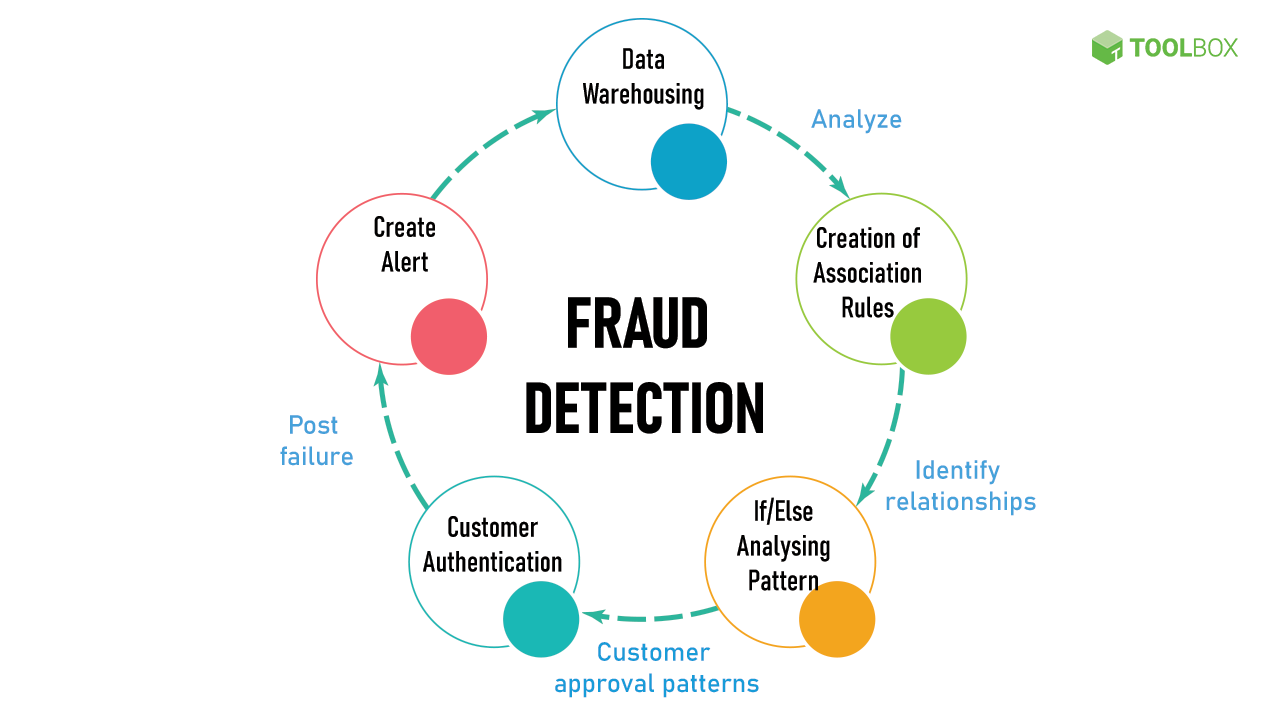
Before the adoption of advanced AI-based prevention, many mid-to-large e-commerce businesses maintained dedicated teams to manually review "pending" orders. This process is time-consuming, expensive, and often results in delayed shipments. Riskified automates the decision-making process, providing an instant "approve" or "decline" recommendation. This shift allows human resources to move away from administrative order vetting toward more strategic tasks like customer service enhancement or supply chain management.
3. Financial Liability and Chargeback Protection
One of the most profound impacts of Riskified’s service model is the assumption of liability. In a standard payment processing flow, the merchant is responsible for the cost of a chargeback if a transaction is proven to be fraudulent. When an order is processed via Riskified’s approval network, the company often provides a chargeback guarantee. If an order they approved turns out to be fraudulent, Riskified reimburses the merchant for the loss. This effectively converts a variable financial risk into a predictable, fixed operating cost.
Comparative Overview: Traditional Rules vs. Riskified AI
The following table illustrates the operational differences between legacy fraud prevention and a modern AI-driven approach like Riskified.
| Feature | Legacy Rule-Based Systems | Riskified AI Prevention |
|---|---|---|
| Decision Speed | Often requires manual review | Near-instant automation |
| Accuracy | Prone to high false positives | High precision via behavioral AI |
| Liability | Merchant bears 100% of risk | Chargeback guarantee provided |
| Data Scope | Local/Single merchant data | Network-wide historical data |
| Customer Experience | High friction (manual checks) | Low friction (seamless checkout) |
The Impact on Global Expansion
For e-commerce brands looking to scale internationally, fraud prevention is often the single biggest hurdle. Different regions have different payment habits, higher rates of "friendly fraud," and varying standards of data security. Riskified’s platform impacts global e-commerce by providing localized insights. Because the platform monitors trends across global markets, it can identify regional patterns of fraud that a merchant might not be aware of when entering a new territory. This intelligence provides the safety net required to enter high-risk markets without incurring catastrophic losses.
Technical Requirements and Integration
To leverage the full impact of these systems, merchants must ensure their data stream is robust. The platform requires integration with the merchant’s checkout flow to collect data points such as:
- Session Metadata: Information regarding how a user navigates the site (e.g., mouse movements and copy-paste activity).
- Device Fingerprinting: Identifying the hardware, browser, and OS to detect botnets or emulator usage.
- Payment Signals: CVV/AVS responses combined with proprietary risk scoring.
The depth of the technical integration is critical. If a merchant sends only partial data, the AI models have less context, which can lead to a "gray area" where the system is unable to provide an automated decision. Successful implementation requires a clean API connection that transmits comprehensive session data in real time.
Limitations and Operational Risks
Despite the clear benefits, merchants must be aware of potential limitations:
- Dependency Risk: Relying entirely on a third-party for fraud decisions creates a dependency. If the provider’s latency increases or their API experiences downtime, it can directly bottleneck the checkout process.
- Data Privacy: Using customer data for fraud screening necessitates compliance with global privacy regulations like GDPR and CCPA. Merchants must ensure their privacy policies clearly communicate how data is shared with third-party vendors for the purpose of security and fraud prevention.
- Costs: The service is typically priced as a percentage of the transaction volume or a flat fee per transaction. For businesses with razor-thin margins, these costs must be carefully weighed against the historical cost of chargebacks and the cost of manual review staffing.
Frequently Asked Questions
Does Riskified replace my payment gateway?
No, it does not. Riskified works alongside your payment gateway. You send the transaction data to Riskified for an approval recommendation; once approved, you then capture the payment through your existing gateway.
How does the chargeback guarantee work?
If an order that Riskified approved is subsequently hit with a fraud-related chargeback, Riskified reimburses you for the transaction amount and the associated chargeback fees. This only applies to transactions explicitly approved by the platform.
Will this slow down my checkout process?
No. The system is designed to provide decisions in milliseconds. The analysis happens in the background while the customer is completing their checkout, ensuring that the user experience remains seamless and performant.
Can it prevent all forms of e-commerce fraud?
It is designed primarily for payment and identity fraud. It does not natively prevent inventory-related fraud or account takeover (ATO) attacks without additional specific modules or configurations.
Is it suitable for small businesses?
While the impact is most visible for high-volume merchants, smaller businesses can benefit if they suffer from high false-decline rates or if they are expanding into international markets where they lack local fraud expertise.
Next Steps for Integration
To determine if this solution is right for your organization, audit your current chargeback rate and your manual review workflow. Calculate the total cost of your current false positives (lost revenue from rejected legitimate orders) versus your current chargeback losses. If the cost of false positives is significantly impacting your bottom line, prioritize an evaluation of your data integration requirements to see how an AI-driven platform could shift your fraud strategy from reactive to proactive.
Image Gallery