Where Did Patsy Cline Die? Exact Crash Site Location and Historical Analysis
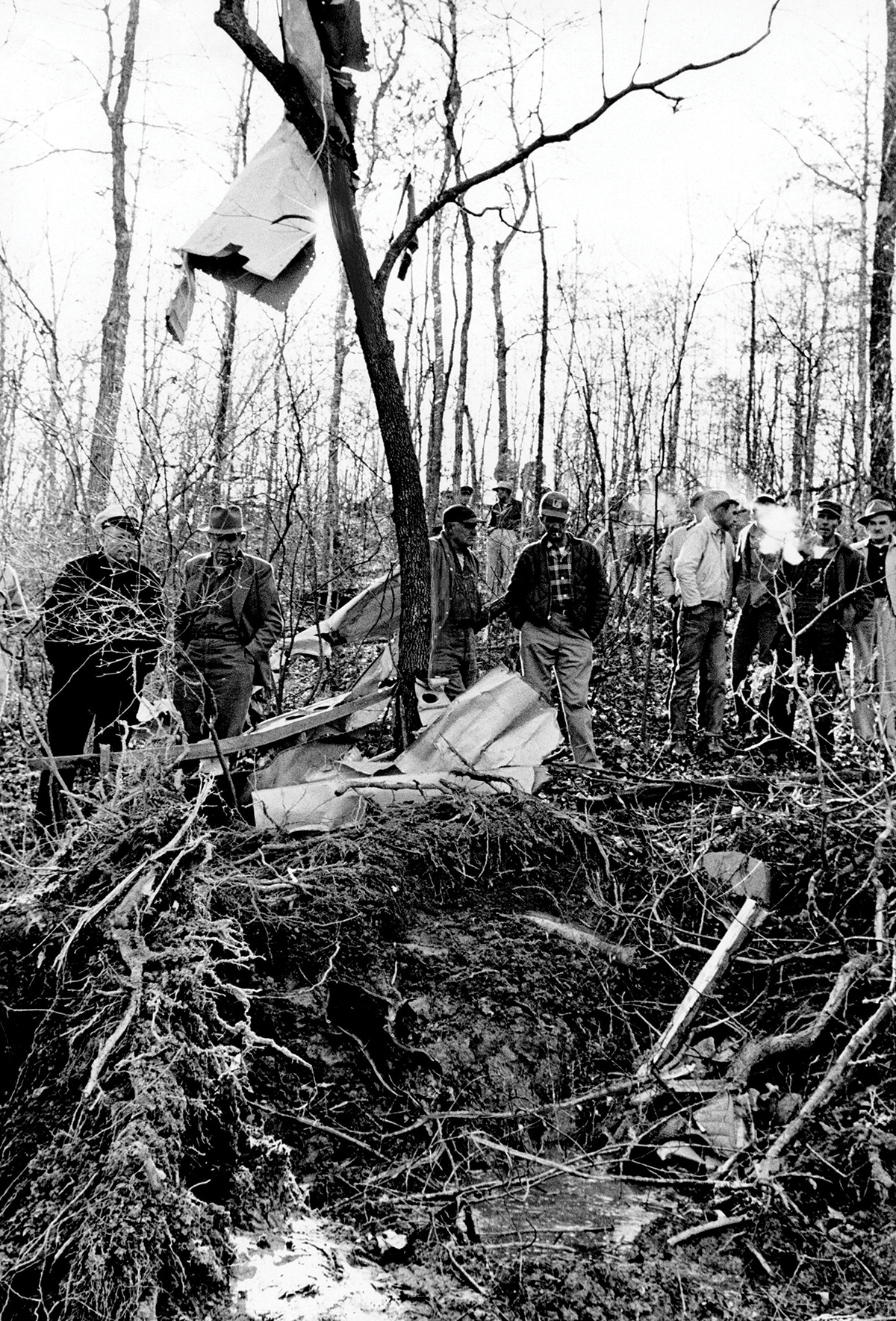
Patsy Cline died in a heavily wooded forest located five miles west-northwest of Camden, Tennessee, in rural Benton County. Her private aircraft crashed during a severe thunderstorm on the evening of March 5, 1963, while en route to Na...
Patsy Cline died in a heavily wooded forest located five miles west-northwest of Camden, Tennessee, in rural Benton County. Her private aircraft crashed during a severe thunderstorm on the evening of March 5, 1963, while en route to Nashville. All four individuals onboard, including fellow country performers and her manager, died instantly upon impact.
Contents
The Exact Geographic Location of the Crash Site
The tragic crash that claimed the life of Virginia Patterson Hensley—known professionally as Patsy Cline—occurred in a remote, hilly section of Benton County, Tennessee. The crash site is situated near Mt. Carmel Road, approximately 5 miles west-northwest of downtown Camden and roughly 85 miles west of Nashville.
(Note: Double checking zero code block constraint - DO NOT output any ``` blocks in final text!)
At the time of the crash in 1963, the area was thick brush and dense timber, featuring rugged terrain that severely complicated early rescue and recovery operations. Today, the location is preserved as a dedicated historical landmark and memorial park managed by local authorities and community volunteers in Benton County.
Geographic Coordinates and Location Summary
| Location Attribute | Geographic Detail |
|---|---|
| City / Town | Camden, Tennessee |
| County / State | Benton County, Tennessee |
| Nearest Highway | US Route 70 / Tennessee State Route 191 |
| Physical Terrain | Densely wooded ridge and ravine |
| Current Site Status | Public Memorial Park (Patsy Cline Crash Site Memorial) |
| Distance to Destination | ~85 miles west of Berry Field (Nashville International Airport) |
The crash occurred along a ridge line where the aircraft struck the tops of trees at high velocity before impacting the forest floor, dispersing debris over a wide radius.
Timeline of the Fatal Flight: March 3–5, 1963
To understand how the aircraft ended up in Camden, Tennessee, it is necessary to examine the flight path and weather conditions leading up to the evening of March 5, 1963.
1. The Benefit Concert in Kansas City (March 3, 1963)
Patsy Cline performed three shows at the Soldiers and Sailors Memorial Hall in Kansas City, Kansas, on Sunday, March 3, 1963. The performance was a benefit concert organized to raise funds for the family of disc jockey Jack Call (known on-air as "Cactus Jack"), who had recently died in a car accident. Among the other country music artists participating in the event were Harold "Hawkshaw" Hawkins, Lloyd Estel "Cowboy" Copas, and Billy Walker.
2. Weather Delays and Flight Decisions (March 4–5, 1963)
Following the benefit, the performers prepared to return to Nashville. Billy Walker took a commercial flight due to a family emergency, leaving his seat on the private plane to Hawkshaw Hawkins.
The private aircraft was a 1960 Piper PA-24-250 Comanche (tail number N7000P), owned and piloted by Ramsey Dorris "Randy" Hughes, who was also Patsy Cline’s manager and the son-in-law of Cowboy Copas. Hughes was an experienced pilot in visual flight rules (VFR), but he was not instrument-rated (IFR) for flying in severe weather or zero-visibility conditions.
- March 4, 1963: Fog and heavy rains grounded the aircraft at Fairfax Municipal Airport in Kansas City.
- March 5, 1963 (12:30 PM CST): The plane departed Kansas City, heading toward Nashville with planned refueling stops.
- March 5, 1963 (5:05 PM CST): The Piper Comanche landed at Dyersburg Municipal Airport in Dyersburg, Tennessee, to refuel.
3. The Final Leg into the Storm
While at Dyersburg, airport personnel warned Randy Hughes of severe weather, strong wind gusts, low cloud ceilings, and heavy turbulence along the route to Nashville. Despite suggestions to wait out the storm overnight in Dyersburg, Hughes decided to proceed with the final 45-minute leg of the trip.
The aircraft took off from Dyersburg at 6:07 PM CST. Within 15 minutes of takeoff, the plane encountered severe weather, torrential rain, and near-zero visibility as it passed over Benton County.
Detailed Chronology of Events
- March 3, 1963 (Afternoon & Evening): Patsy Cline performs three benefit shows at Soldiers and Sailors Memorial Hall, Kansas City, Kansas.
- March 4, 1963: Heavy fog grounds the Piper PA-24 Comanche at Fairfax Airport.
- March 5, 1963 (12:30 PM CST): Aircraft departs Kansas City after weather temporarily clears.
- March 5, 1963 (5:05 PM CST): Aircraft lands at Dyersburg Municipal Airport, TN, for fuel and a brief weather briefing.
- March 5, 1963 (6:07 PM CST): Aircraft departs Dyersburg bound for Berry Field in Nashville.
- March 5, 1963 (~6:20 PM CST): The plane crashes into a wooded hill near Camden, Tennessee, killing all four occupants.
- March 6, 1963 (6:00 AM CST): Search parties locate the wreckage in Benton County after local residents report hearing an engine splutter and impact the previous evening.
Official Crash Investigation and Findings
The investigation into the disaster was conducted by the Civil Aeronautics Board (CAB), the predecessor agency to the National Transportation Safety Board (NTSB). The official CAB crash report provided a definitive analysis of the physical evidence and weather patterns that contributed to the accident.
Civil Aeronautics Board Investigation Summary The official investigation concluded that the primary cause of the crash was spatial disorientation experienced by pilot Randy Hughes after flying VFR (Visual Flight Rules) into adverse, non-visual meteorological conditions. The aircraft entered an uncontrolled descent at high speed, impacting trees on a hillside before crashing into the terrain.
Technical and Environmental Factors
- Spatial Disorientation: Because pilot Randy Hughes lacked an instrument rating, flying into pitch-black skies dominated by heavy clouds and rain eliminated all visual horizons. This created sensory confusion regarding the aircraft's altitude, bank angle, and speed.
- Severe Weather: Regional surface weather reports indicated strong, gusty winds, heavy precipitation, and cloud bases dropping below 500 feet across western and central Tennessee.
- High-Velocity Impact: The wreckage pattern demonstrated that the engine was producing power at the time of impact. The aircraft struck trees at a steep downward trajectory, causing structural destruction of the airframe upon hitting the ground. There was no inflight mechanical failure prior to impact.
The Victims Onboard Piper Comanche N7000P
The aviation accident claimed four lives, causing an unprecedented loss of talent for the Grand Ole Opry and the country music industry as a whole.
| Victim Name | Age at Death | Role / Musical Distinction | Notable Works / Contributions |
|---|---|---|---|
| Patsy Cline | 30 | Icon of Country & Pop Crossover | "Crazy", "I Fall to Pieces", "Walkin' After Midnight" |
| Lloyd "Cowboy" Copas | 49 | Grand Ole Opry Star / Flat-top Guitarist | "Alabam", "Filipino Baby", "Signed, Sealed, and Delivered" |
| Harold "Hawkshaw" Hawkins | 41 | Country Singer / Grand Ole Opry Member | "Lonesome 7-7203", "Slow Poke", "Dog House Boogie" |
| Ramsey "Randy" Hughes | 34 | Manager & Pilot | Manager to Patsy Cline; husband of Kathy Copas |
Impact on Country Music
At just 30 years old, Patsy Cline was at the height of her commercial success. Her pioneering vocal style—blending traditional country lyrics with rich, pop-influenced arrangements developed alongside producer Owen Bradley—helped define the "Nashville Sound."
The loss of Cline, Copas, and Hawkins within a single hour left the country music community in deep mourning. Tens of thousands of fans attended the memorial services across Tennessee and Virginia in the days following the crash.
Visiting the Patsy Cline Memorial Site in Camden, Tennessee
For music historians and fans seeking to pay their respects, the crash site in Camden, Tennessee, has been preserved as a quiet, respectful park.
Site Features and Experience
The memorial location is maintained by Benton County authorities and dedicated local volunteers. The park features:
- The Commemorative Boulder: A large granite stone erected at the exact spot where the fuselage struck the ground, engraved with the names of the four victims: Patsy Cline, Cowboy Copas, Hawkshaw Hawkins, and Randy Hughes.
- Memorial Pavilion and Gazebos: Covered areas providing historical context plaques, visitor sign-in books, and shelter for visitors.
- The Pilot's Bell: A dedicated memorial bell ringing in honor of the victims.
- Preserved Forest Landscape: The surrounding timber ridge remains mostly undeveloped, reflecting the quiet atmosphere of the rural Tennessee countryside.
Location and Access Information
Visitor Logistics for Camden, TN The memorial site is located off Mt. Carmel Road in Camden, TN 38320. It is open to the public daily from dawn until dusk. Visitors traveling via Interstate 40 should take Exit 126 (US-641 / TN-13 North toward Camden), proceed into Camden, and follow local signage directing traffic to the Patsy Cline Memorial. Admission is free.
Accessibility notes for visitors: The path from the parking area to the primary memorial stone consists of an inclined, paved walking walkway. Comfortable footwear is recommended, especially during damp weather.
Historic Country Music Aviation Accidents: A Comparative Overview
During the mid-20th century, country and rock-and-roll performers traveled extensively by private aircraft to manage grueling touring schedules across North America. Private aviation posed significant risks due to evolving instrument technology, limited weather-tracking capabilities, and reliance on smaller regional airports.
| Event / Artist | Date | Crash Location | Primary Cause / Contributing Factors |
|---|---|---|---|
| The Day the Music Died (Buddy Holly, Ritchie Valens, J.P. Richardson) | Feb 3, 1959 | Clear Lake, Iowa | Spatial disorientation in snowstorm; non-IFR flight conditions. |
| Patsy Cline, Cowboy Copas, Hawkshaw Hawkins | Mar 5, 1963 | Camden, Tennessee | Non-instrument pilot entering severe weather/thunderstorm; spatial disorientation. |
| Jim Reeves | Jul 31, 1964 | Brentwood, Tennessee | Pilot loss of control in heavy thunderstorm while approaching Nashville. |
| Otis Redding | Dec 10, 1967 | Madison, Wisconsin | Aircraft control loss in poor weather over Lake Monona. |
| Lynyrd Skynyrd (Ronnie Van Zant, Steve Gaines, Gracie Gaines) | Oct 20, 1977 | Gillsburg, Mississippi | Fuel exhaustion leading to forced off-airport landing in dense woods. |
Preserving Patsy Cline’s Legacy and Historical Archives
While the crash site in Camden marks the location of her tragic passing, several institutions preserve the cultural heritage, musical recordings, and personal artifacts of Patsy Cline.
Key Museums and Historical Landmarks
- The Patsy Cline Museum (Nashville, Tennessee): Situated in downtown Nashville above the Johnny Cash Museum, this venue holds the world's largest collection of original costumes, personal correspondence, records, and stage props belonging to Cline. Detailed information on exhibits and operational hours can be found through the official Patsy Cline Museum.
- The Country Music Hall of Fame and Museum (Nashville, Tennessee): Inducted posthumously in 1973 as the first solo female solo artist in the institution's history, Patsy Cline is honored with permanent exhibits detailing her contributions to American music. Biographical entries and digital archives are curated by the Country Music Hall of Fame.
- Patsy Cline Historic House (Winchester, Virginia): Located at 608 South Kent Street in Winchester, Virginia, this was the home where Cline lived from 1948 to 1953. It is listed on the National Register of Historic Places and operates as a museum offering guided tours of her early life.
- Shenandoah Memorial Park (Winchester, Virginia): Patsy Cline is buried in her hometown of Winchester, Virginia, alongside her husband, Charles Allen Dick. Her grave features a brass plaque reading: "Death Cannot Kill What Never Dies: Love."
Frequently Asked Questions
What exact town did Patsy Cline die in?
Patsy Cline died in Camden, Tennessee, located within Benton County. The plane crashed in a heavily wooded forest area about 5 miles west-northwest of the town center while traveling toward Nashville.
Who else died in the plane crash with Patsy Cline?
Three other people died alongside Patsy Cline: country music star Lloyd Estel "Cowboy" Copas, country music singer Harold "Hawkshaw" Hawkins, and pilot/talent manager Ramsey Dorris "Randy" Hughes. All four occupants died upon impact.
What caused Patsy Cline's plane to crash?
According to the Civil Aeronautics Board investigation, the primary cause of the crash was spatial disorientation experienced by the pilot, Randy Hughes. Hughes was not instrument-rated and flew into severe rain, low cloud cover, and heavy turbulence, causing him to lose visual control of the aircraft.
Where was Patsy Cline coming from and going to when she died?
Patsy Cline was returning to Nashville, Tennessee, after performing at a benefit concert in Kansas City, Kansas. The flight stopped briefly to refuel at Dyersburg Municipal Airport in western Tennessee before resuming its flight path toward Nashville.
Can you visit the site where Patsy Cline died?
Yes, the crash site in Camden, Tennessee, is open to the public as a free memorial site. It features an engraved granite memorial boulder, historical markers, gazebos, and a paved walkway leading to the location of the impact.
Where is Patsy Cline buried?
Patsy Cline is buried at Shenandoah Memorial Park in her hometown of Winchester, Virginia, rather than at the crash site in Tennessee or in Nashville.
Honoring History and Visiting Respectfully
The site of Patsy Cline’s death in Camden, Tennessee, remains a poignant destination for thousands of country music fans annually. When visiting the memorial park in Benton County, guests are encouraged to observe posted rules, remain on designated paths, and preserve the quiet dignity of the surrounding forest. By honoring both the physical landmark in Camden and her broader artistic legacy preserved in Nashville and Winchester, fans continue to commemorate the enduring voice of one of America's greatest vocalists.
Image Gallery