What Inlet Beach Term Life Insurance Offers: Coverage, Benefits, and Local Guidelines
Term life insurance in Inlet Beach, Florida, offers straightforward financial protection by paying a tax-free lump-sum death benefit to designated beneficiaries if the policyholder passes away during a set timeframe, typically between...
Term life insurance in Inlet Beach, Florida, offers straightforward financial protection by paying a tax-free lump-sum death benefit to designated beneficiaries if the policyholder passes away during a set timeframe, typically between 10 and 30 years. It provides level premiums, specialized coverage for high-value coastal mortgages, living benefit riders, and statutory conversion rights under Florida insurance law.
Contents
Core Features of Term Life Insurance Policies
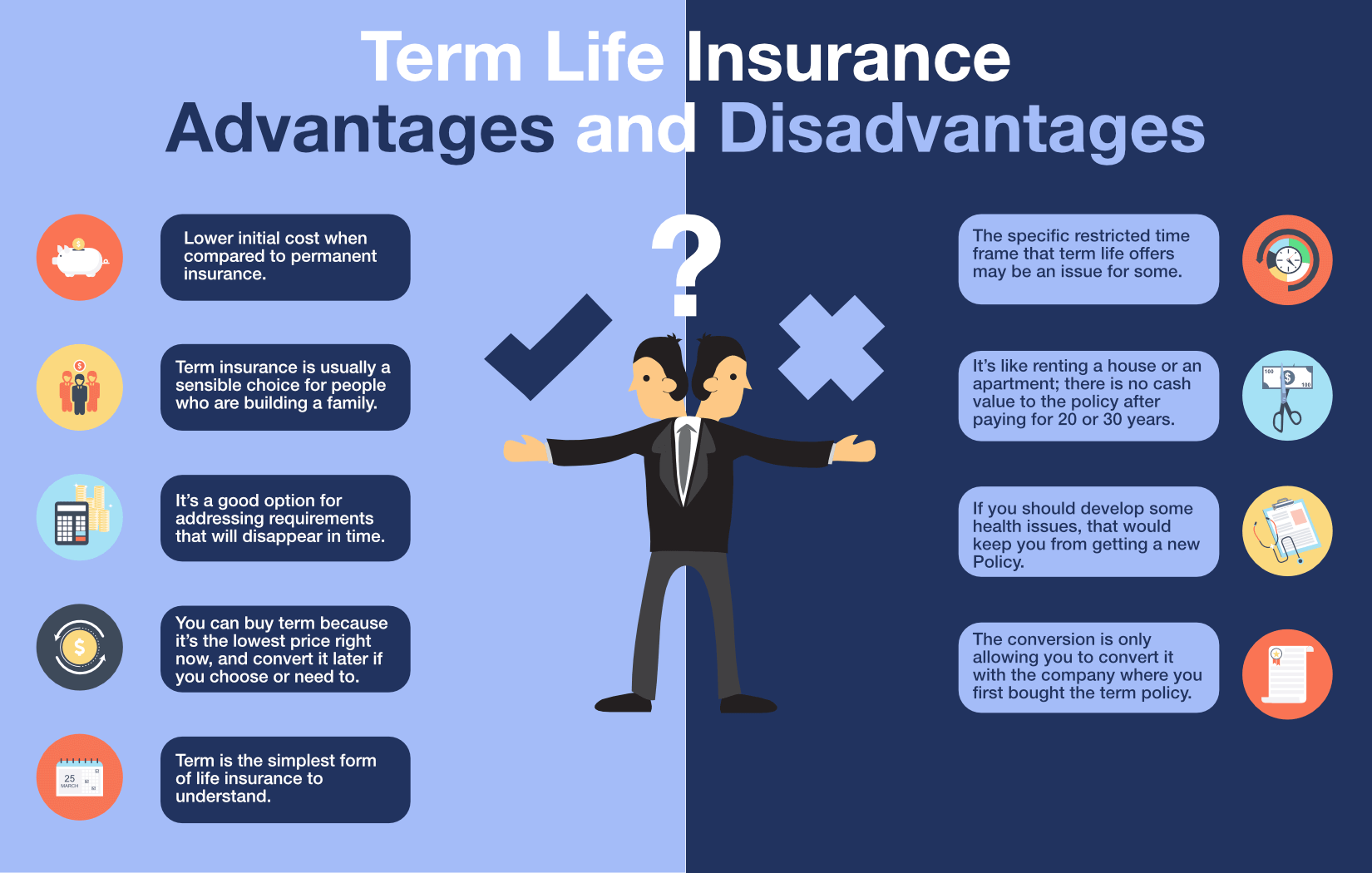
Term life insurance is structured to provide high policy face amounts at a lower initial cost than permanent insurance products like whole or universal life. For residents of Inlet Beach and surrounding Walton County communities, understanding the foundational mechanics of a term policy helps ensure that personal wealth and family living standards remain protected.
Guaranteed Level Premiums
The defining feature of modern level term life insurance is premium stability. When an applicant secures a 10-, 15-, 20-, 25-, or 30-year policy, the issuing insurer guarantees that the premium rate will remain unchanged throughout the chosen term length. This predictability allows household budgeting to remain steady over decades regardless of broader economic shifts or changes in the policyholder's health status after approval.
Tax-Free Death Benefit Payouts
Under Internal Revenue Code Section 101(a), life insurance death benefits paid to a designated beneficiary are generally excluded from gross income. Whether the death benefit is $500,000 or $3,000,000, the lump-sum payout passes to surviving family members free of federal income tax, providing immediate liquidity when families face expenses or structural transition.
Flexible Term Length Selection
Term policies allow buyers to match their coverage duration to specific financial liabilities. For instance, a homeowner securing a new 30-year mortgage along Florida’s Scenic Highway 30A can align a 30-year term policy to cover the debt completely. Alternatively, parents planning for children’s higher education may opt for a 15- or 20-year term to cover the dependent years until their children achieve financial independence.
Financial Objectives Served by Coastal Term Life Insurance
Living along Florida’s Emerald Coast presents unique economic considerations. Real estate valuations in Inlet Beach often exceed regional and national averages, requiring financial strategies tailored to higher property values, local business ownership structures, and estate liquidity needs.
Primary Financial Uses for Term Life
- Mortgage & Debt Protection (High-Value Coastal Properties)
- Income Replacement (5 to 10+ Times Annual Household Earnings)
- Business Succession & Key Person Indemnification
- Future Obligations (College Tuition, Estate Tax Liquidity)
High-Value Mortgage Protection
Properties in Inlet Beach frequently carry significant mortgages due to coastal real estate demand. If a primary wage earner passes away unexpectedly, surviving family members could face severe pressure to sell the property prematurely under distressed conditions. A term life policy provides sufficient capital to pay off the remaining mortgage balance, allowing dependents to retain ownership of the family home without financial hardship.
Income Replacement and Family Living Expenses
Beyond homeownership obligations, term life insurance replaces the ongoing earnings of a income-earning spouse. Financial planners frequently advise purchasing coverage equal to 5 to 10 times annual gross income. In coastal Florida, where property taxes, homeowners insurance, and general living costs reflect premium coastal market dynamics, adequate income replacement prevents families from having to alter their standard of living.
Business Succession and Key Person Coverage
Inlet Beach features a vibrant commercial ecosystem driven by real estate, hospitality, luxury retail, and professional services. Local business partners frequently utilize term life insurance to fund buy-sell agreements. Under a cross-purchase or entity-purchase agreement, the death benefit provides surviving business partners with the liquidity needed to buy out a deceased partner's share from their estate at a fair valuation, preserving business continuity.
Key Riders and Supplemental Coverage Options
Standard term life insurance contracts can be customized with optional policy riders. Riders allow policyholders in Inlet Beach to tailor their coverage to account for health events, total disability, or future policy adjustments.
- Living Benefit Riders (Accelerated Death Benefit): Living benefit riders allow policyholders to access a portion of their policy’s death benefit while still living if diagnosed with a qualifying terminal, critical, or chronic illness. These funds can pay for advanced medical care, home modifications, or non-covered treatments.
- Waiver of Premium Rider: If the insured becomes totally and permanently disabled due to injury or illness, a waiver of premium rider maintains the policy in full force by waiving monthly premium payments for the duration of the disability.
- Conversion Privilege: Most quality term life contracts include a conversion option. This allows the policyholder to convert their term policy into a permanent policy (such as whole life or universal life) without submitting to a new medical examination or providing proof of insurability, provided conversion occurs within the specified policy timeframe.
- Child Term Rider: This add-on provides modest life insurance coverage for the insured’s natural, adopted, or stepchildren under a single flat rate, often offering a conversion option for the child upon reaching adulthood.
Florida Regulatory Framework and Statutory Rights
Life insurance policies sold in Inlet Beach fall under the oversight of the Florida Office of Insurance Regulation. Florida statutes grant specific rights and consumer protections designed to prevent unfair policy cancellations and ensure clear disclosure.
Florida 14-Day "Free Look" Period
Under state insurance standards, including those referenced in Florida Statutes Chapter 627, individual life insurance policyholders receive a minimum 14-day "free look" period beginning from the day the policy is delivered. During these 14 days, the policyholder can review all terms and conditions and, if dissatisfied for any reason, return the policy for a 100% refund of all premiums paid.
Mandatory Premium Grace Period
Florida law mandates a 30-day (or 31-day, depending on payment frequency) statutory grace period for missed premium payments. If a policyholder misses a scheduled payment, the coverage remains active during this window. If death occurs during the grace period, the carrier pays the benefit minus the past-due premium.
Two-Year Contestability and Suicide Clauses
Life insurance contracts issued in Florida contain a standard two-year contestability period. During the first two years after policy inception, an insurance carrier has the right to contest a claim if material misrepresentations were made on the initial application. After two years, the policy becomes incontestable except for non-payment of premiums or deliberate fraud. Similarly, suicide provisions are restricted to the first two years of coverage.
Guaranty Association Safety Net
Policyholders in Inlet Beach are protected by the Florida Life & Health Insurance Guaranty Association. In the rare event that a licensed life insurance company operating in Florida becomes insolvent, the Guaranty Association provides coverage up to statutory limits (typically up to $300,000 in death benefits per individual life), offering an added layer of solvency protection.
Comparing Term Life Insurance Structures
Choosing the right term life product depends on long-term goals, financial commitments, and budget considerations. Below is a detailed breakdown comparing common term policy configurations available to Inlet Beach buyers.
| Policy Type | Premium Trajectory | Primary Purpose | Conversion Rights | Best Suited For |
|---|---|---|---|---|
| Level Term (10–30 Yrs) | Fixed for full selected term period | General income replacement, overall family protection | Standard (up to specified age limit) | Families wanting long-term rate predictability |
| Decreasing Term | Fixed premium, declining death benefit | Matching amortized loans (e.g., mortgages) | Rarely offered | Borrowers seeking to cover specific reducing debts |
| Convertible Term | Fixed for initial term, adjusts post-conversion | Temporary protection with option for permanent insurance | Guaranteed without health underwriting | Individuals expecting higher future income or long-term estate planning needs |
| Living Benefits Term | Fixed level premium | Combined death benefit and severe illness financial protection | Optional add-on | Breadwinners seeking financial buffers against severe medical events |
Underwriting Factors and Cost Determinants
Life insurance companies evaluate risk through an underwriting process that categorizes applicants into risk tiers (e.g., Preferred Plus, Preferred, Standard Plus, Standard, or Substandard Table Ratings). Understanding these criteria helps applicants set realistic expectations regarding policy costs.
Key Life Insurance Underwriting Steps
- Application Submission (Medical history, lifestyle, finances)
- Prescription & Medical Record Review (MIB, Rx databases)
- Paramedical Exam or Accelerated Digital Underwriting
- Financial Verification (For high face-value requests >$1M)
- Final Risk Classification & Policy Issuance
Age and Basic Health Indicators
Age remains the single largest pricing factor in life insurance. Securing coverage early in life locks in significantly lower base rates. Underwriters evaluate personal medical history, family medical history (specifically early cardiovascular disease or cancer among parents and siblings), body mass index (BMI), blood pressure, and cholesterol ratios.
Tobacco and Nicotine Usage
Tobacco use leads to substantially higher premiums. Underwriters screen for cigarette smoking, vaping, cigars, and oral tobacco through urinalysis. Non-tobacco rates generally require an applicant to be entirely nicotine-free for at least 12 to 24 consecutive months prior to application.
Financial Underwriting for High Coverage Amounts
Because coastal property values in Walton County often prompt application amounts of $1,000,000 to $5,000,000+, insurers perform financial underwriting. Applicants must demonstrate that the requested death benefit correlates logically with their net worth, annual earnings, and outstanding financial liabilities.
Accelerated Underwriting vs. Traditional Exams
Many modern carriers evaluated by industry rating agencies like AM Best offer accelerated underwriting programs. Qualified applicants under certain age thresholds (often 50 or 60) applying for policies up to $1,000,000 or $2,000,000 may bypass the traditional paramedical blood-and-urine exam if their electronic health records, motor vehicle records, and prescription histories meet the carrier's automated criteria.
How to Calculate Coverage Needs and Select a Policy
Determining the appropriate term life coverage requires a systematic calculation of immediate cash needs and long-term income requirements.
The D.I.M.E. Calculation
- D - Debt: Final expenses, personal loans, credit balances
- I - Income: Annual salary multiplied by years to dependency end
- M - Mortgage: Complete balance of primary & secondary property loans
- E - Education: Anticipated college funds for dependent children
Step 1: Execute the D.I.M.E. Formula
- Debt: Calculate all outstanding consumer debts, personal loans, vehicle financing, and estimated end-of-life expenses.
- Income: Determine how many years of income replacement your household requires (e.g., $100,000 annual salary × 10 years = $1,000,000).
- Mortgage: Add the exact principal balances of all mortgages held on real estate in Inlet Beach or elsewhere.
- Education: Estimate higher-education costs for dependent children (typically $100,000 to $250,000 per child).
Step 2: Establish the Term Horizon
Select a term length that matches the longest financial obligation identified in Step 1. If your primary goal is covering a 20-year mortgage and seeing a 2-year-old child through college, a 20-year or 25-year level term policy provides the required coverage window.
Step 3: Review Insurer Solvency Ratings
Before committing to a policy, verify the financial stability of the issuing company. Independent rating agencies assess life insurance companies on their ability to fulfill long-term claims claims obligations:
- AM Best: Look for ratings of A- (Excellent) or higher.
- Standard & Poor's / Fitch: Target ratings in the A or AA categories.
- Comdex Ranking: A composite score (1–100) combining major rating agencies; target a score of 80+.
Frequently Asked Questions
What happens when a term life insurance policy expires in Florida?
When the level term period ends (e.g., at the conclusion of 20 years), coverage does not automatically payout. The policyholder typically has three options: allow the policy to terminate, renew the policy on an annual guaranteed-renewable basis (though at significantly higher, age-adjusted rates), or convert the policy into permanent coverage if the contract contains a conversion rider and is within the conversion period.
Is the death benefit from a term life policy taxable to beneficiaries in Inlet Beach?
No. Under federal tax law, life insurance death benefits paid directly to named individual beneficiaries are received income-tax-free. However, if the death benefit is paid directly to the insured's estate rather than a named beneficiary, it may become subject to probate and potential estate taxation issues if the total estate exceeds federal exemption thresholds.
Can I convert my term life insurance policy to a permanent policy later?
Yes, provided your term policy includes a conversion rider. Most quality term policies allow policyholders to convert all or a portion of their coverage to a whole life or universal life policy without taking a new physical exam or answering medical questions, provided the conversion occurs before the specified age limit (often age 65 to 70).
How does living in a coastal area like Inlet Beach affect term life insurance premiums?
Living in a coastal region or near the beach does not impact standard life insurance premiums. Unlike homeowners or windstorm insurance, which accounts for hurricane risk and flood zones, life insurance underwriting focuses strictly on personal health, medical history, age, occupation, and personal lifestyle choices.
What is the difference between term life insurance and mortgage protection insurance?
Term life insurance pays a flexible, tax-free cash benefit directly to your chosen beneficiaries, who can use the money for any purpose, including paying off a mortgage, covering daily living costs, or funding education. Mortgage protection insurance (MPI) is often a decreasing term product where the payout goes directly to the mortgage lender to clear the remaining loan balance, offering less flexibility for surviving family members.
Practical Next Steps
To establish or update a term life insurance structure in Inlet Beach:
- Audit Existing Obligations: Calculate your total debt, remaining mortgage balance, and required income replacement using the D.I.M.E. method.
- Review Existing Policies: Check older policies for expiration dates, conversion deadline windows, and existing beneficiary designations to ensure alignment with current family needs.
- Compare Multiple Carriers: Request comparative quotes across top-rated carriers with A.M. Best ratings of "A" or higher to secure competitive pricing for your health tier.
- Consult a Licensed Advisor: Work with a licensed Florida life insurance professional or fiduciary financial planner to ensure full compliance with Florida insurance statutes and optimal policy structure.
Disclaimer: This article is provided for educational and informational purposes only and does not constitute formal legal, tax, or financial advice. Life insurance policy terms, state regulations, and underwriting guidelines are subject to change. Consult a licensed insurance professional or estate attorney licensed in Florida for personalized advice regarding your financial situation.
Image Gallery