Understanding Net Amount at Risk (NAR) in Term Life Insurance
** spaces / words check ** For a term life insurance policy, the net amount at risk (NAR) is the financial difference between the policy's total death benefit (face value) and the insurer's accumulated policy reserve held for that spec...
** spaces / words check ** For a term life insurance policy, the net amount at risk (NAR) is the financial difference between the policy's total death benefit (face value) and the insurer's accumulated policy reserve held for that specific contract. It represents the exact dollar amount the life insurance company stands to lose from its own capital if the insured passes away.
Contents
What Is the Net Amount at Risk (NAR)?
The net amount at risk (NAR) is a fundamental actuarial metric used by life insurance companies to quantify their actual exposure to loss on any given insurance contract. While a policyholder evaluates a life insurance contract based on its overall death benefit, the issuing insurer evaluates the contract based on the portion of that death benefit not already offset by financial reserves.
In any life insurance contract, the total payout promised upon the death of the insured is known as the face amount or death benefit. However, insurers do not treat every dollar of a face amount as pure financial risk. Over the life of a policy, insurance carriers set aside statutory reserves—and, in permanent policies, accumulate cash value—to back their future liabilities. The net amount at risk isolates the exact liability that the insurer must cover out of current operational funds or mortality risk reserves if a claim occurs today.
The Basic Mathematical Formula
At any point in time ($t$), the general formula for calculating the net amount at risk is:
$$\text{Net Amount at Risk (NAR)} = \text{Face Amount (Death Benefit)} - \text{Policy Reserve (or Cash Value)}$$
For permanent policies (such as whole life or universal life), the cash value accumulated by the policyholder serves as a direct offset against the total face amount. As the cash value grows, the insurer’s net amount at risk steadily decreases.
For term life insurance, the mechanic operates somewhat differently because term contracts do not build liquid cash value accessible to the policyholder. Nevertheless, term life policies still involve actuarial unearned premium reserves, which influence the insurer's internal NAR calculations.
How Net Amount at Risk Functions in Term Life Insurance
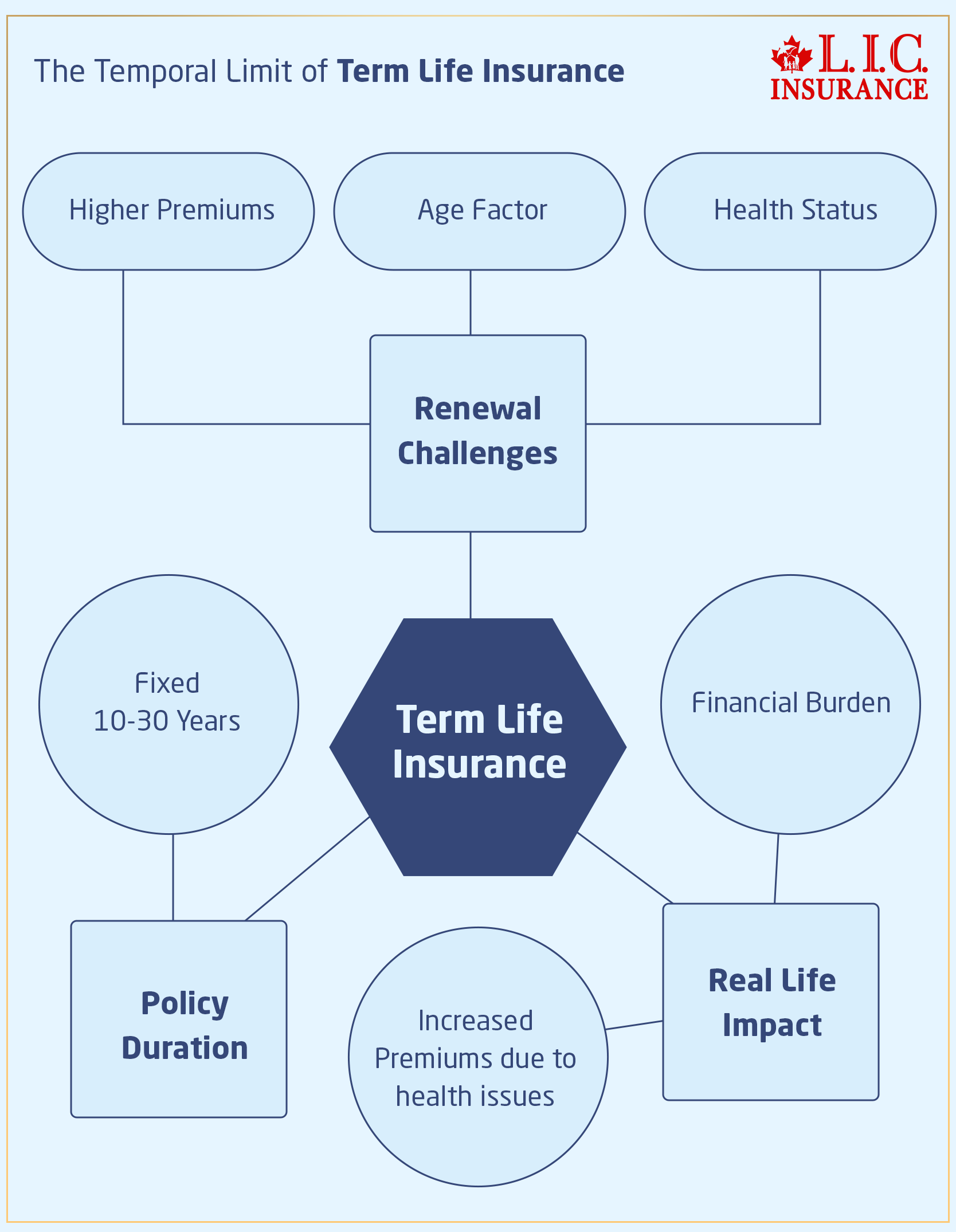
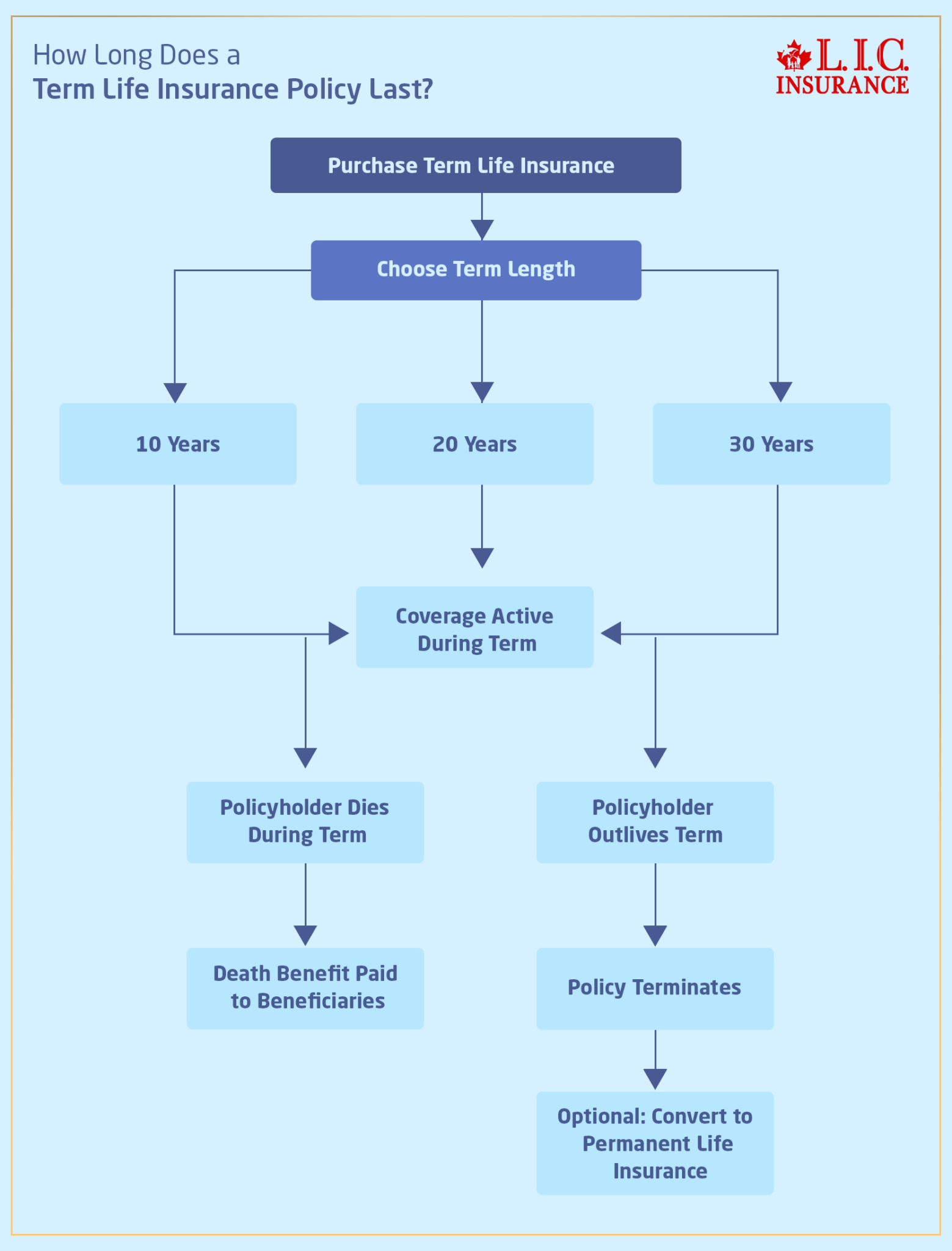
Term life insurance provides temporary coverage for a specified duration—typically 10, 20, or 30 years. Unlike permanent policies, term life insurance policies do not feature a cash value savings component that policyholders can withdraw or borrow against. Consequently, many policyholders assume that for term life insurance, the net amount at risk is always equal to 100% of the face amount. While this is conceptually close to true from a consumer perspective, actuarial accounting introduces important nuances.
- TERM LIFE INSURANCE NAR
- Total Death Benefit (Face Amount)
- Actuarial Reserve (Unearned Premium / Level Premium Reserve)
- NET AMOUNT AT RISK (NAR) = Death Benefit - Actuarial Reserve
The Role of Level-Premium Actuarial Reserves
Most modern term life insurance policies feature level premiums, meaning the policyholder pays the exact same annual or monthly premium throughout the duration of the term (e.g., 20 years). However, the underlying risk of mortality increases each year as the insured individual grows older.
To maintain a flat premium structure:
- Early Policy Years: The policyholder pays a premium higher than the actual statistical cost of insuring their life at that age. The insurance company retains this excess premium and establishes an actuarial policy reserve (also known as a statutory or unearned premium reserve).
- Later Policy Years: The policyholder pays a premium lower than the actual annual mortality cost for their advancing age. The insurer draws from the accumulated policy reserve to bridge the financial gap.
Because the insurer holds an actuarial reserve during the middle of a level-term period, the insurer's net amount at risk for a level term policy is calculated as the total death benefit minus this statutory reserve. During the early-to-mid years of a level term policy, the NAR is slightly lower than the total face amount. As the term approaches its expiration date and the reserve is depleted to pay for the rising mortality cost, the NAR returns to equal the full face amount right before the policy terminates or lapses.
Term Life vs. Permanent Life Insurance: NAR Dynamics
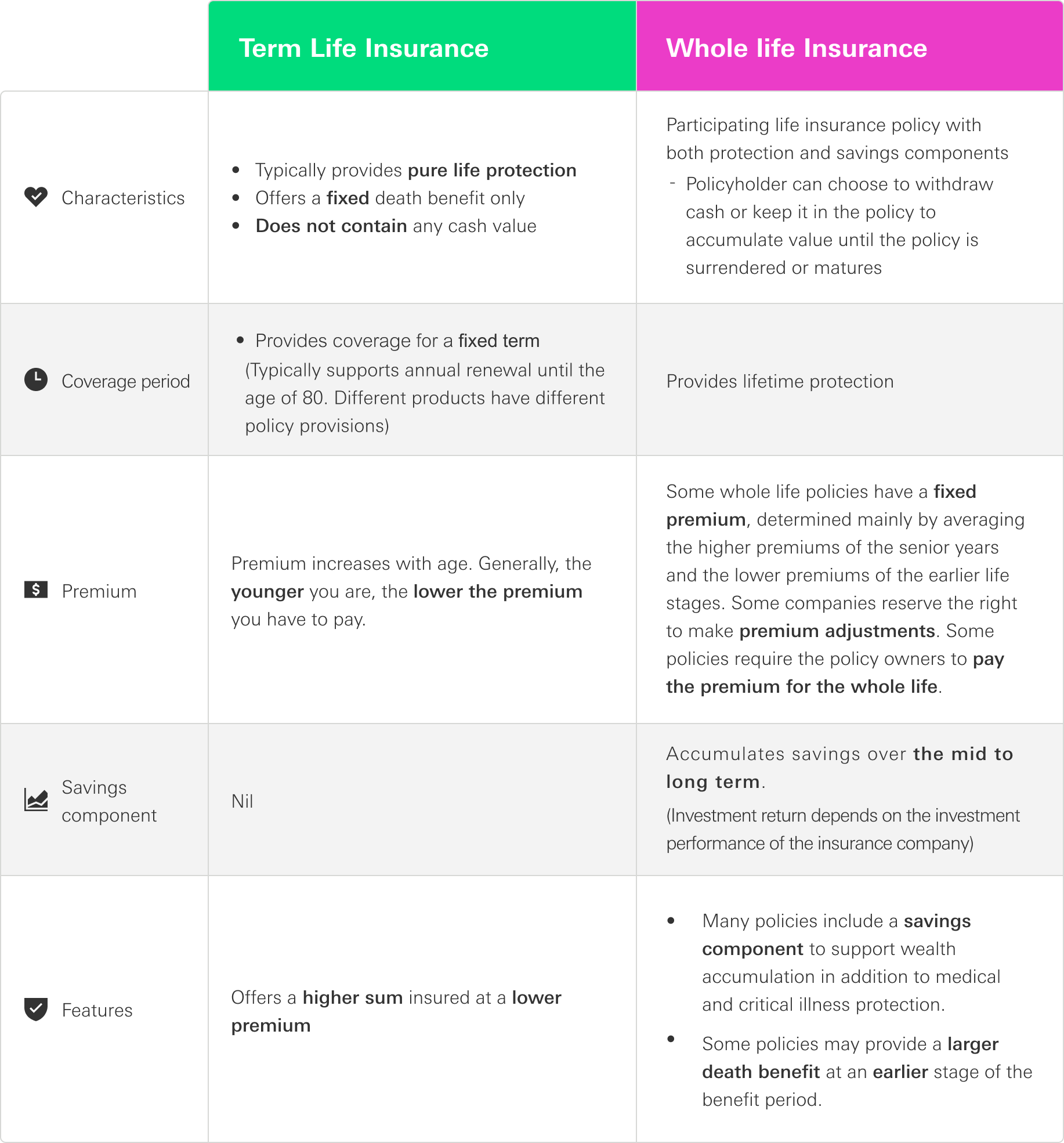
To fully understand how NAR behaves in term life insurance, it helps to compare it directly to permanent life insurance products.
- Term Life Insurance: The policy reserve rises moderately in the early years and declines to zero by the end of the term. The net amount at risk remains relatively high—close to the full face value—throughout the entire policy period.
- Whole Life Insurance: Premium payments build substantial guaranteed cash value over time. Because the cash value belongs to the policy structure, the insurer's NAR decreases predictably every year. By advanced ages (e.g., age 100 or 121, depending on the mortality table used), the cash value equals the face amount, reducing the NAR to zero.
- Universal Life Insurance: Cash value fluctuates based on interest crediting rates, premiums paid, and administrative charges. If cash value grows strongly, the NAR decreases. If cash value performance lags, the NAR remains high, which increases the monthly cost of insurance deducted from the policy's cash account.
Key Factors That Influence NAR in Term Policies
While the concept of net amount at risk is straightforward, several policy characteristics cause the exact dollar amount of NAR to fluctuate over time.
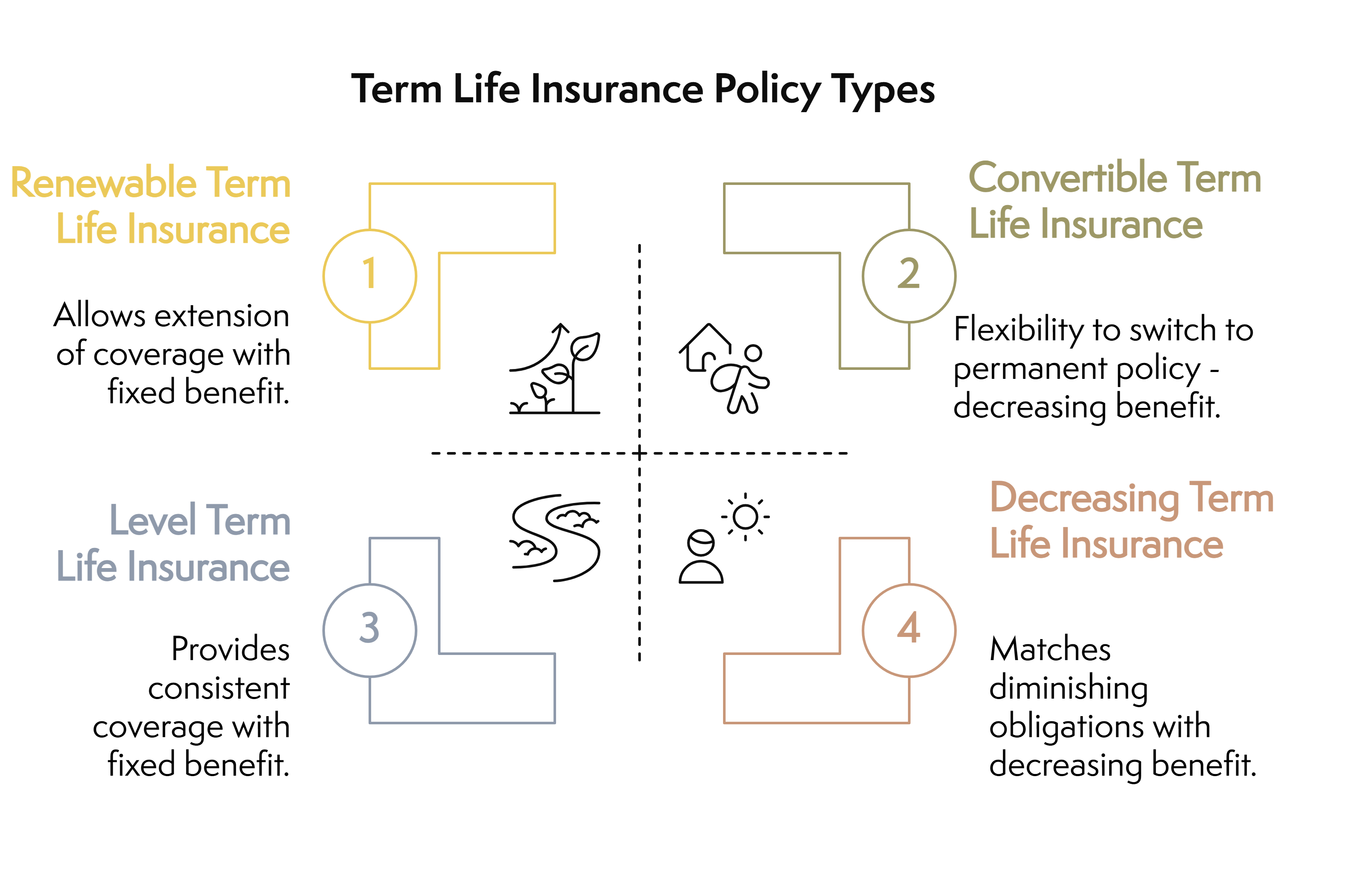
1. Type of Term Insurance Structure
- Level Term Life Insurance: The face benefit remains constant (e.g., $1,000,000 for 20 years). The NAR stays very close to $1,000,000, fluctuating slightly based on the rise and drawdown of internal unearned premium reserves.
- Decreasing Term Life Insurance: Often used for mortgage protection, the face amount decreases according to a predetermined schedule over the policy term (e.g., declining from $500,000 down to $0 over 30 years). In this scenario, the net amount at risk drops steadily over time because the total obligation decreases, even though no cash value is accumulated.
- Increasing Term Life Insurance: The death benefit increases over time, often tied to an inflation index. Here, the net amount at risk rises over the policy duration, requiring higher reserve allocations by the insurer.
2. Policy Duration and Reserve Trajectory
In a level term policy, the policy reserve follows a bell-shaped curve:
- Years 1–5: Reserves accumulate as premiums exceed mortality costs. NAR is slightly below the face amount.
- Mid-Term Years: Reserves peak. The gap between face value and NAR is at its widest (though still relatively small compared to a whole life policy).
- Final Years: Reserves are systematically drawn down to offset high mortality costs. NAR rises back toward 100% of the face amount until the contract expires, at which point both the reserve and NAR drop to zero.
Why Net Amount at Risk Matters to Insurance Companies
While individual buyers primarily focus on face amounts and monthly premiums, insurance carriers use NAR as a core operational metric. Actuaries, underwriters, and financial officers rely on NAR for several critical institutional functions.
Reinsurance and Risk Retention Limits
Insurance companies rarely retain 100% of the risk on large life insurance policies. To protect against catastrophic insolvency from large cluster claims, carriers establish retention limits—the maximum dollar amount of net risk they are willing to hold on a single life (e.g., $2,000,000).
When a carrier issues a term life policy exceeding its retention limit (e.g., a $10,000,000 term policy), it purchases reinsurance from a secondary carrier. Reinsurance agreements are priced specifically on the net amount at risk, not the total face amount. The primary insurer cedes the portion of NAR exceeding its retention limit to the reinsurer and pays reinsurance premiums calculated directly from that ceded NAR.
Statutory Reserve Requirements and Solvency Regulation
Insurance companies are strictly regulated by state insurance commissioners and bodies like the National Association of Insurance Commissioners (NAIC). Regulatory standards require carriers to maintain adequate capital reserves to guarantee claim payouts.
Statutory accounting rules mandate that reserve requirements be evaluated against the net amount at risk across the carrier's entire portfolio. Knowing the aggregate NAR allows insurers to prove to regulators that they hold sufficient liquid assets to withstand higher-than-expected mortality events.
Mortality Pricing and Cost of Insurance (COI)
In insurance mathematics, the cost of protection is determined by multiplying the probability of death at a given age ($q_x$) by the net amount at risk:
$$\text{Mortality Cost} = q_x \times \text{Net Amount at Risk}$$
Because an insurer only risks losing the net amount at risk—not the portion covered by reserves—the true cost of pure life insurance is calculated strictly against the NAR. In term insurance, because the NAR remains near the full face value, the mortality charge per thousand dollars of coverage rises sharply as the policyholder ages.
Comparing Net Amount at Risk Across Life Insurance Types
The following table highlights how net amount at risk, policy reserves, and carrier risk profiles differ across major life insurance product structures:
| Insurance Product Type | Cash Value Accumulation | Policy Reserve Behavior | Net Amount at Risk (NAR) Trajectory | Carrier's Financial Exposure Over Time |
|---|---|---|---|---|
| Level Term Life | None (Consumer-facing) | Rises in early years, declines to zero at expiration | Remains near full face amount; peaks near end of term | High and relatively constant until policy expiration |
| Decreasing Term Life | None | Low; scales down alongside decreasing face value | Decreases steadily over the term following schedule | Declines steadily to zero over the term |
| Whole Life Insurance | Guaranteed annual growth | Accumulates steadily to match face value at maturity | Decreases predictably every year | High in early years; drops significantly in later years |
| Universal Life (UL) | Flexible based on interest/index performance | Varies based on premium payments and crediting rates | Decreases if cash value grows; increases if performance lags | Depends on policy funding level and cash accumulation |
| Variable Universal Life | Subject to market investment returns | Fluctuates based on sub-account investment performance | Inverse to market performance (drops when markets rise) | Volatile; managed via flexible COI adjustments |
What Net Amount at Risk Means for Policyholders
Although NAR is primarily an internal actuarial term, understanding it provides valuable insight into how policies are priced, renewed, and converted.
1. Explanation of High Premiums on Term Extensions
Many term life policies feature a guaranteed renewability clause, allowing the policyholder to extend coverage annually after the initial term (e.g., after Year 20) without undergoing a medical exam. However, post-term renewal premiums are notoriously expensive.
The reason for this price spike is directly tied to NAR:
- At the end of the term, the policy reserve has been fully depleted to zero.
- The insured is now 20 years older, representing a higher statistical probability of death ($q_x$).
- The net amount at risk is 100% of the face amount.
Because the insurer carries 100% NAR on an older individual with no reserve cushion, the annual cost of insurance jumps dramatically.
2. Term-to-Permanent Policy Conversions
Many term policies offer a term conversion rider, allowing policyholders to convert their term coverage into a permanent whole life or universal life policy without proof of insurability.
When a conversion occurs:
- The insurer resets the contract framework from a high-NAR term structure to a permanent structure.
- The policy begins building cash value, which will progressively reduce the insurer's NAR in future years.
- The premium increases to reflect both the permanent nature of the contract and the funding required to build the reserve/cash value offset.
Common Misconceptions About Net Amount at Risk
Myth 1: Term life insurance has zero reserves and therefore NAR equals Face Amount 100% of the time.
Fact: While term life insurance has no cash value for the policyholder, the insurance company maintains statutory policy reserves on its balance sheet to level out mortality costs across the term. During the middle of a level-term policy, the insurer's internal NAR is slightly lower than the face amount due to these unearned premium reserves.
Myth 2: The Net Amount at Risk dictates the death benefit paid to beneficiaries.
Fact: Beneficiaries receive the agreed-upon death benefit specified in the contract (minus any outstanding policy loans or unpaid premiums), regardless of the NAR. If a policyholder dies during a $1,000,000 term policy, the beneficiary receives $1,000,000. The NAR simply dictates how much of that $1,000,000 comes out of current operational funds versus established reserves.
Myth 3: Net Amount at Risk is the premium amount paid by the customer.
Fact: NAR is a measure of death benefit liability, expressed in dollars of risk exposure (e.g., $500,000). The premium is the price paid by the consumer to buy that protection. Premiums are calculated based on the NAR multiplied by the mortality rate, plus administrative fees and profit margins.
Frequently Asked Questions
What is the net amount at risk in life insurance?
The net amount at risk (NAR) is the net dollar obligation an insurance company must pay out of its capital if the insured dies. It is calculated by subtracting the policy's reserve or cash value from the total death benefit.
How is NAR calculated for a term life insurance policy?
For a term life policy, NAR is calculated as the total face amount minus the statutory actuarial reserve held by the insurer for that policy. Because term policies do not accumulate consumer cash value, the NAR remains close to the full face amount throughout the policy term.
Why is NAR important for reinsurance?
Reinsurance companies agree to cover specific portions of risk above an primary insurer's retention threshold. Reinsurers price their contracts based directly on the net amount at risk ceded to them, rather than the gross face amount of the underlying policy.
Does NAR change over time in a level term life policy?
Yes. In a level term policy, the insurer accumulates unearned premium reserves during the early years, which slightly reduces the NAR below the face amount. As the term nears its end, these reserves are consumed to pay for higher mortality costs, causing the NAR to return to the full face amount before expiring at zero.
How does NAR differ between term life and whole life insurance?
In term life insurance, cash value is zero, so NAR stays high (near 100% of the face value) until the policy expires. In whole life insurance, cash value grows over time, continuously reducing the insurer's NAR until the cash value eventually equals the death benefit.
Practical Next Steps for Consumers and Financial Planners
Understanding the mechanics of net amount at risk helps policyholders make informed choices regarding their life insurance strategy:
- Evaluate Coverage Needs vs. Term Length: Because term insurance maintains a high NAR for the insurer, it offers the highest death benefit per dollar of premium. If you need maximum coverage during child-rearing or mortgage-paying years, level term life provides the most cost-effective solution.
- Plan Ahead for Term Expiration: Relying on post-term policy renewals is rarely cost-effective because the insurer's NAR is 100% at an advanced age. If you still require coverage near the end of your term, evaluate a term conversion or apply for a new policy well before the original term expires.
- Review Conversion Options Early: If you hold a term policy with a conversion rider, review your option before age 60 or 65. Converting allows you to lock in permanent coverage and begin building cash value, which gradually reduces the insurer's net risk exposure and secures lifelong protection.
- Consult an Independent Financial Advisor: For complex estate planning or corporate key-person arrangements, work with a professional to balance term coverage (high NAR, lower short-term cost) with permanent structures (lowering long-term NAR, building asset value).
Image Gallery