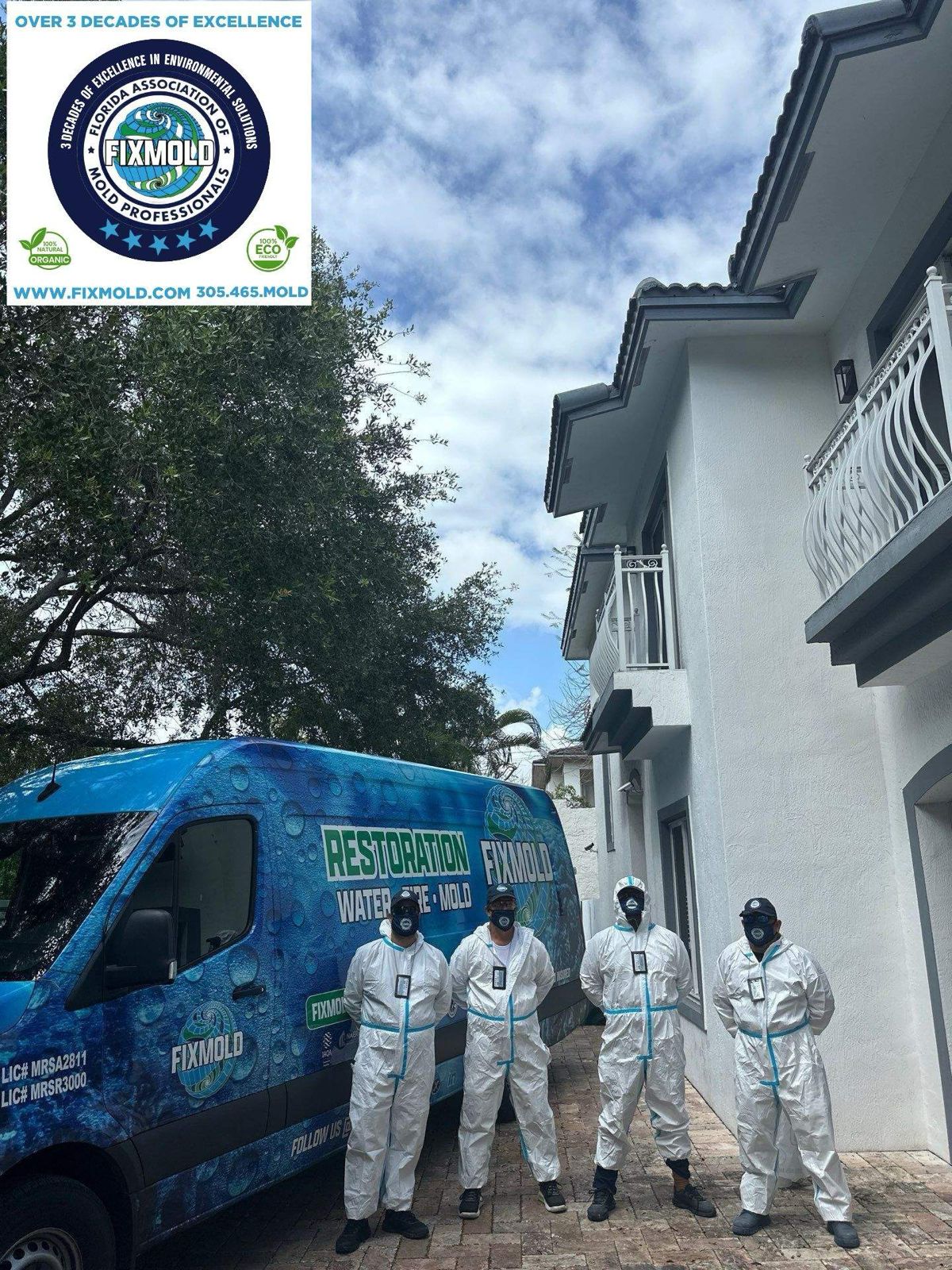
How Mold Remediation Works in Miami Gardens: A Step-by-Step Guide to Florida Compliance and Process
Mold remediation in Miami Gardens is a strictly regulated process that restores safe indoor air quality by isolating, removing, and treating fungal growth caused by elevated indoor humidity or water damage. The process requires a licen...
Mold remediation in Miami Gardens is a strictly regulated process that restores safe indoor air quality by isolating, removing, and treating fungal growth caused by elevated indoor humidity or water damage. The process requires a licensed Mold Assessor to identify the contamination and establish a protocol, followed by a separate licensed Mold Remediator who sets up HEPA-filtered negative pressure containment, physically removes affected porous materials, sanitizes surfaces, and dries the area to satisfy clearance testing.
Contents
Understanding the Miami Gardens Climate and Mold Proliferation
Miami Gardens experiences a tropical monsoon climate characterized by intense summer rainfall, high relative humidity year-round, and frequent exposure to tropical storms. These environmental conditions create an ongoing vulnerability for residential and commercial structures throughout Miami-Dade County. Indoor mold spores require three main elements to thrive: organic material (such as drywall, wood framing, or dust), favorable temperatures, and moisture. In South Florida, moisture is overwhelmingly the primary catalyst for severe mold outbreaks.
Several structural and environmental factors specific to Miami Gardens accelerate mold growth:
- HVAC Condensate Overflows: Central air conditioning systems operate constantly to manage ambient humidity. Clogged condensate drain lines or failing drain pans routinely leak moisture into ceiling plenums, attics, and internal wall cavities.
- Elevated Outdoor Relative Humidity: Outdoor humidity in Miami Gardens regularly exceeds 75% to 80%. When building envelopes suffer minor seal breaches, window frame failures, or roof leaks, humid air enters wall cavities and condenses against cooler, air-conditioned interior surfaces.
- Post-Storm Intrusion: Tropical downpours and hurricane-driven rain can penetrate roof soffits, flashing, and exterior masonry, introducing high volumes of water into structural assemblies within hours.
- Slab-on-Grade Moisture Migration: Many homes in Miami Gardens are built on concrete slab foundations. Ground moisture can migrate upward through unsealed concrete slabs (capillary action), trapped underneath non-breathable flooring such as vinyl plank or laminate.
When interior relative humidity remains above 60% for more than 24 to 48 hours, dormant fungal spores continuously floating in ambient air attach to damp substrates such as paper-faced drywall, insulation, trim, and subflooring, triggering rapid structural amplification.
Florida Licensing Laws and Regulatory Compliance
Florida maintains strict statutory regulations governing mold assessment and remediation services to protect consumers from fraudulent practices and improper removal methods. Under Chapter 468, Part XVI of the Florida Statutes, all individuals and businesses offering mold-related services must hold active state licenses issued by the Florida Department of Business and Professional Regulation (DBPR).
Florida Licensing Breakdown
| Mold Assessor (MRSA) | Mold Remediator (MRSR) |
|---|---|
| - Performs inspection & testing- Writes remediation protocol- Conducts clearance testing (PRV) | - Executes remediation work- Constructs containment- Removes contaminated items |
The Legal Separation of Assessment and Remediation
A critical rule under Florida Statute § 468.8419 prohibits a single firm or related entities from performing both the mold assessment and the mold remediation on the exact same property within a 12-month period. This statutory firewall ensures that the party inspecting and defining the scope of work has no financial incentive to exaggerate contamination, and the remediation contractor cannot perform their own self-policing clearance test.
- Mold Assessor (MRSA License): Inspects the property, performs air sampling and surface sampling, uses moisture meters and thermal imaging, documents affected areas, and drafts a tailored Remediation Protocol.
- Mold Remediator (MRSR License): Accepts the Assessor’s independent protocol, constructs physical containment, uses specialized engineering controls, cleans and extracts mold, and dries the space to industrial specifications.
- Post-Remediation Verification (PRV): Once the Remediator completes the scope, the original (or another independent) Mold Assessor returns to conduct clearance testing to verify that indoor spore levels are normal and safe before containment is taken down.
Disclaimer: This guide provides technical and regulatory information for property owners in Miami Gardens, Florida. It does not constitute formal legal advice or binding engineering specifications. Always verify licensing credentials directly through the Florida DBPR License Portal.
The Step-by-Step Mold Remediation Process
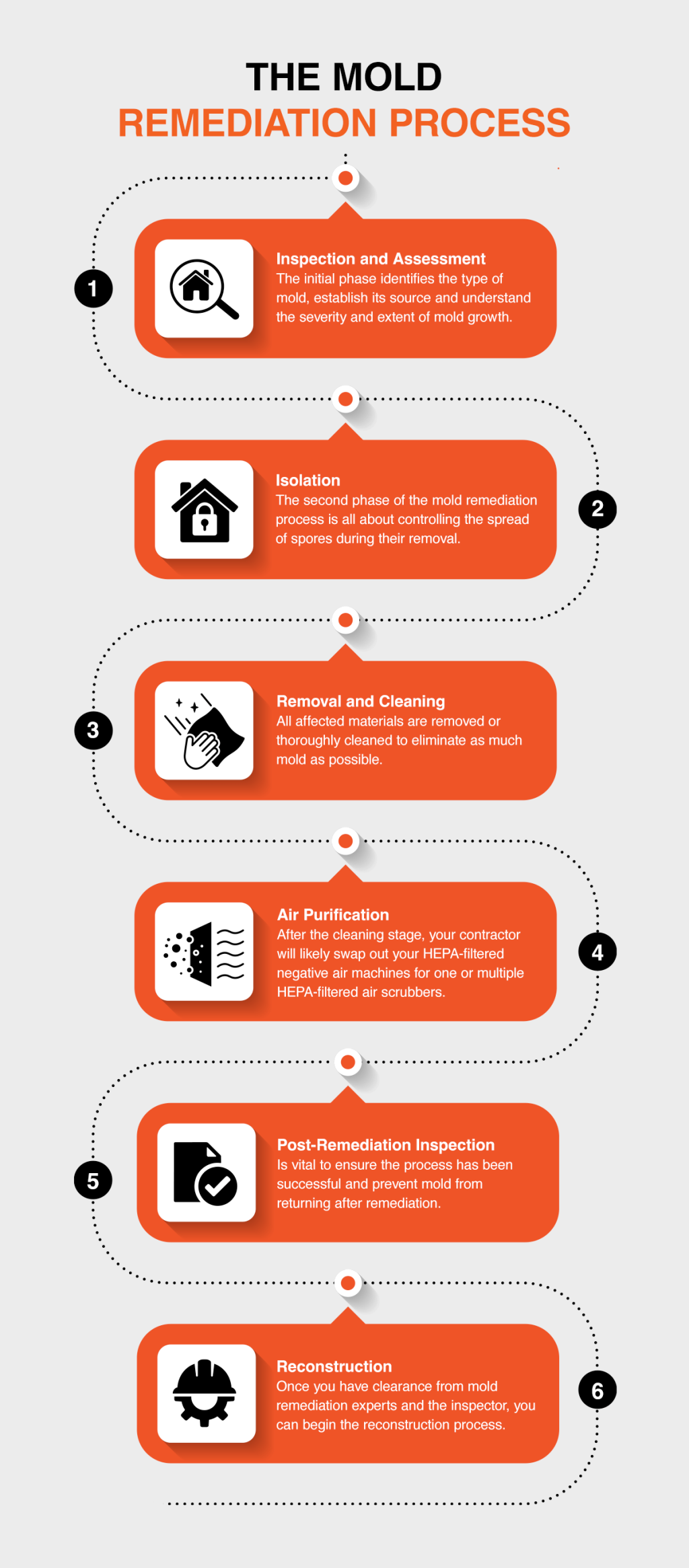
Professional mold remediation follows established industry standards, predominantly guided by the ANSI/IICRC S520 Standard for Professional Mold Remediation. The entire procedure involves six defined phases designed to prevent cross-contamination to clean areas of the building.
- Phase 1: Inspection & Moisture Mapping (Licensed Assessor)
- Phase 2: Protocol Generation & Remediation Scope
- Phase 3: Containment Setup & Negative Pressure (Licensed Remediator)
- Phase 4: Material Removal & HEPA Cleaning
- Phase 5: Structural Drying & Dehumidification
- Phase 6: Post-Remediation Verification / PRV Clearance (Licensed Assessor)
Step 1: Inspection, Moisture Mapping, and Initial Testing
Before any demolition or physical cleaning begins, a state-licensed Mold Assessor evaluates the property. The assessor uses calibrated moisture meters to measure the percentage of moisture content within drywall, baseboards, framing, and plaster. Thermal imaging (infrared) cameras detect hidden temperature differentials behind walls, identifying pockets of active moisture leakage caused by plumbing failures or roof leaks.
Air samples (spore traps) and surface samples (tape lifts or swabs) are gathered from both affected indoor zones and an outdoor baseline reference point. These samples are analyzed by an accredited environmental microbiology laboratory to identify specific mold genera (such as Stachybotrys, Aspergillus, Penicillium, or Cladosporium) and establish ambient spore concentration counts (measured in spores per cubic meter of air, spores/$m^3$).
Step 2: Remediation Protocol Development
The Mold Assessor authors a formal Remediation Protocol document. This protocol serves as the mandatory technical blueprint for the Mold Remediator and specifies:
- Exact physical boundaries of the containment zones.
- Specific building materials that must be removed (e.g., porous drywall cut out 2 feet beyond visible mold growth).
- Non-porous materials eligible for abrasive cleaning or HEPA vacuuming.
- Engineering controls required, including minimum air exchange rates for negative air machines.
- Target drying goals for structural wood and concrete.
Step 3: Containment and Negative Air Pressure Setup
To prevent volatile organic compounds (VOCs), microbial particulate, and active fungal spores from migrating into unaffected areas of the home or business, the licensed Mold Remediator builds physical containment barriers.
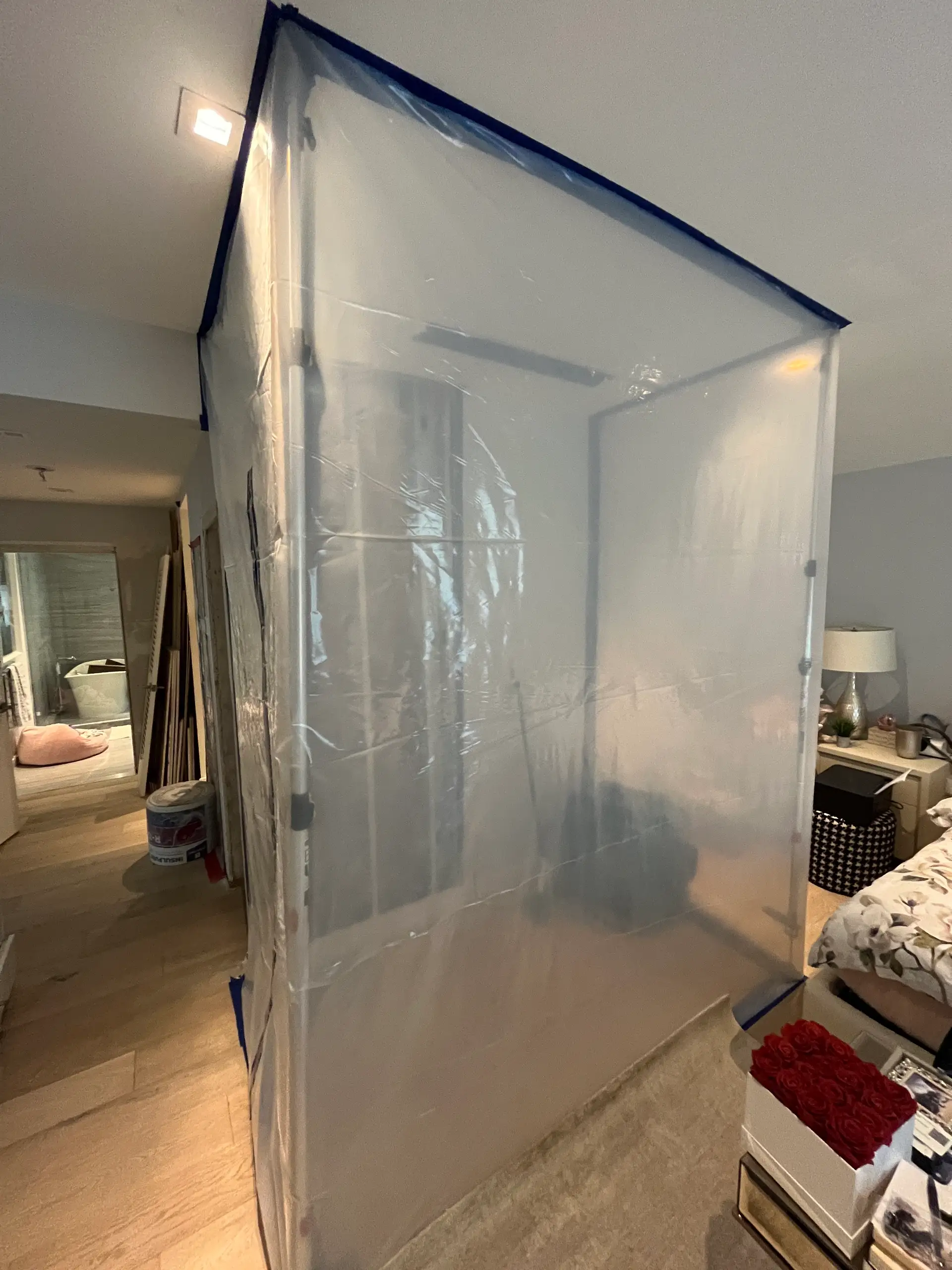
Using 6-mil flame-retardant polyethylene sheeting, remediators seal off doorways, supply and return HVAC vents, registers, and plumbing penetrations. Heavy-duty zipper doors are installed for worker ingress and egress.
To maintain negative pressure containment, air scrubbers equipped with High-Efficiency Particulate Air (HEPA) filters are connected within the containment space and exhausted directly to the outside exterior of the building. HEPA filtration captures 99.97% of airborne particles down to 0.3 microns in size. Negative air pressure continuously pulls clean air into the containment zone from outside surrounding areas, ensuring that contaminated air cannot escape into living quarters.
- CONTAINMENT ZONE
- Sealing Vents, 6-mil Poly Sheeting, Zipper Door
- Active Remediation / Scraping Area
- HEPA Air Scrubber Unit
- Exhaust Air Pushed Outdoors
Step 4: Material Removal, Cleaning, and HEPA Vacuuming
Building materials fall into three primary categories under IICRC S520 guidelines, each requiring different handling:
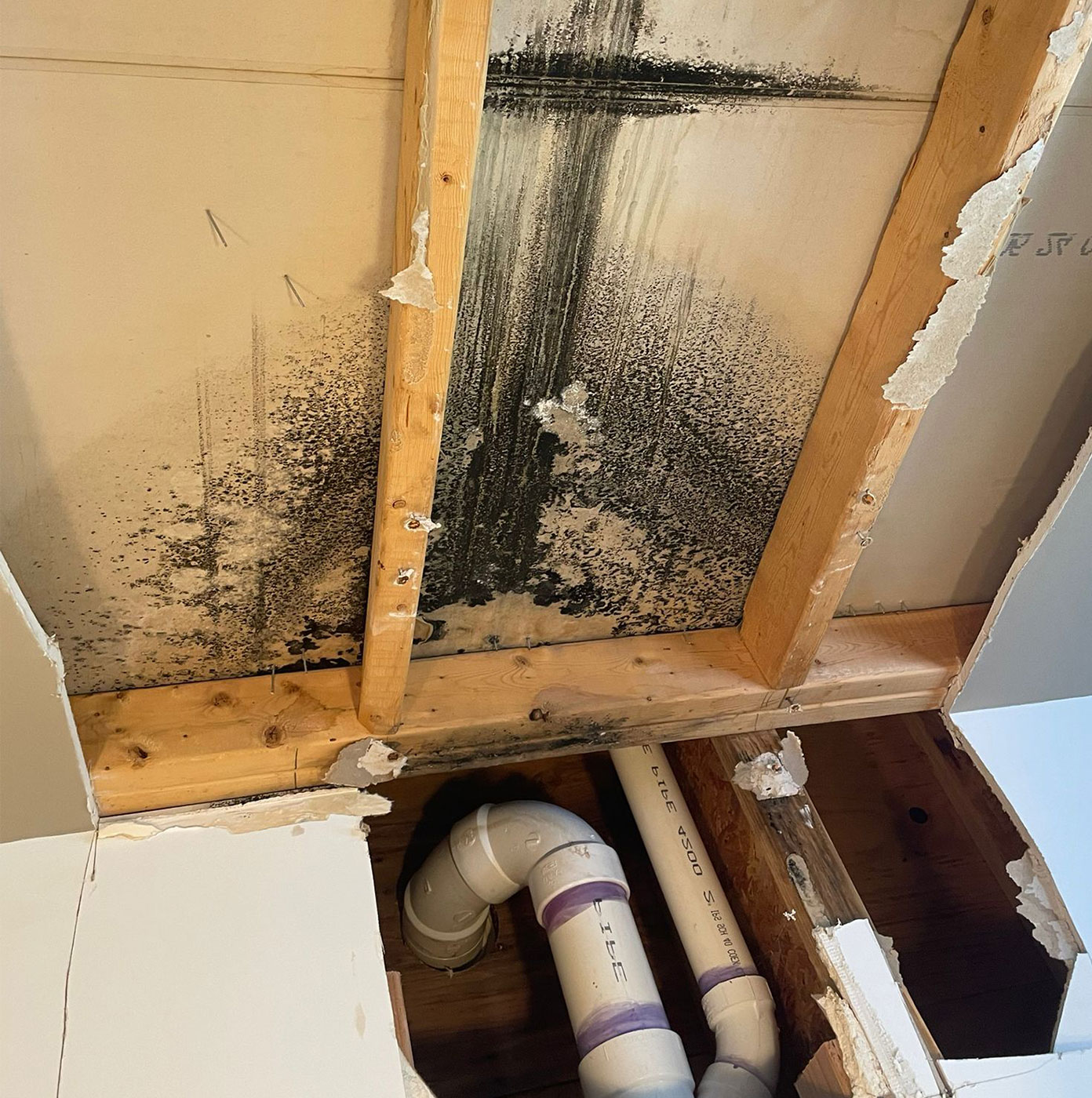
- Porous Materials (Drywall, Carpet, Insulation, Ceiling Tiles): Once colonized by mold hyphae (root structures), porous items cannot be fully disinfected. Workers carefully cut out affected drywall, double-bag the debris in 6-mil contractor bags within containment, wipe down the exterior of the bags, and transfer them out for disposal.
- Semi-Porous Materials (Solid Wood Framing, Plywood Sheathing): Structural framing that cannot be easily removed is physically cleaned. Technicians use HEPA-filtered vacuuming, wire brushing, light sanding, or specialized media blasting (such as dry-ice blasting) to strip mold growth from wood surfaces.
- Non-Porous Materials (Tile, Glass, Metal, Sealed Concrete): Surfaces are thoroughly cleaned using EPA-registered antimicrobial solutions or fungicidal agents, followed by detail HEPA vacuuming.
Step 5: Moisture Control, Dehumidification, and Antimicrobial Application
Removing the mold without fixing the underlying moisture source guarantees re-contamination. Remediators deploy commercial LGR (Low Grain Refrigerant) dehumidifiers and high-velocity air movers inside the containment area to lower ambient relative humidity below 45% and draw structural moisture out of exposed framing studs.
If recommended by the protocol, an EPA-registered antimicrobial coating or encapsulant is applied to cleaned framing timber to inhibit future fungal spore germination during high-humidity climate shifts.
Step 6: Post-Remediation Verification (PRV Clearance Testing)
Once the Mold Remediator completes physical removal, cleaning, and surface treatment, the workspace undergoes a thorough "settling period" (typically 24 to 48 hours with air scrubbers running).
The independent Mold Assessor returns to conduct Post-Remediation Verification (PRV). The PRV process includes:
- Visual Inspection: Confirming complete removal of fungal growth, absence of dust/debris, and total restoration of structural cleanliness inside containment.
- Odor & Moisture Verification: Confirming dry standards meet target moisture equilibrium levels and no microbial odors remain.
- Air Clearance Sampling: Collecting comparative air samples inside the containment zone and comparing them against outdoor baseline samples.
If indoor spore counts inside containment are statistically lower than or equivalent to outdoor air counts, and dominated by harmless background spores rather than indicator species like Stachybotrys, the Mold Assessor issues a formal Pass / Clearance Certificate. Only after receiving written clearance can the remediator dismantle containment barriers and hand the space over to general contractors for drywall, paint, and trim rebuilding.
Technical Comparison of Remediation Stages
The following breakdown outlines the responsibilities, required tooling, and legal mandates across each phase of a standard Miami Gardens mold project:
| Process Phase | Primary Responsible Party | Standard Required Equipment / Tools | Key Florida Compliance & Technical Deliverable |
|---|---|---|---|
| 1. Assessment & Moisture Mapping | Licensed Mold Assessor (MRSA) | Pin/Pinless Moisture Meters, FLIR Thermal Cameras, Air Sampling Pumps | Initial Inspection Report & Baseline Spore Count Data |
| 2. Protocol Generation | Licensed Mold Assessor (MRSA) | Environmental Data Software, Structural Layout Diagrams | Written Scope of Work / Remediation Protocol Document |
| 3. Containment & Engineering Controls | Licensed Mold Remediator (MRSR) | 6-mil Poly Sheeting, HEPA Negative Air Machines, Manometers | Negative Pressure Barrier; Zero Air Leakage into Living Areas |
| 4. Material Removal & Cleaning | Licensed Mold Remediator (MRSR) | HEPA Vacuums, Antimicrobial Detergents, Media Blasters | Removal of Porous Media, Physical Extraction of Fungi |
| 5. Dehumidification & Encapsulation | Licensed Mold Remediator (MRSR) | LGR Dehumidifiers, Axial Air Movers, EPA Fungicidal Coatings | Structural Moisture Levels Brought Below 15% Wood Moisture Equivalent (WME) |
| 6. Post-Remediation Verification (PRV) | Independent Mold Assessor (MRSA) | Air Cassettes, Swab Traps, Optical Microscopy Analysis | Official PRV Clearance Certificate & Lab Report |
Cost Factors and Estimating Expenses in Miami-Dade County
The overall cost of mold remediation in Miami Gardens varies widely depending on structural layout, total square footage of contamination, accessibility, and the depth of tear-out required.
Cost Drivers in Mold Remediation
Extent of Contamination (Sq. Footage)
Location (Attic/Crawlspace vs Open Wall)
Type of Materials Affected (Drywall vs HVAC)
Structural Demolition & Waste Disposal Fees
Dual-Party Licensing & Testing Fees
Independent Assessment & Clearance Fees: Hiring a licensed, independent mold assessor for both the initial testing protocol and final PRV clearance typically costs between $400 and $900, depending on how many air samples are drawn.
Containment and HEPA Air Scrubbing: Setting up code-compliant poly containment barriers and running industrial negative air scrubbers carries basic setup and equipment monitoring costs.
Small to Medium Contained Work Zones (e.g., Single Closet or Bathroom): Spot remediations involving localized drywall removal typically range from $1,500 to $3,500.
Extensive Whole-Home or HVAC Contamination: Projects requiring wall demolition across multiple rooms, kitchen cabinet removal, or duct system decontamination can range from $5,000 to $12,000+.
Insurance Coverage Considerations
In Florida, standard homeowner insurance policies frequently include a cap on mold damage coverage (commonly set at $10,000 per policy year unless additional endorsements were purchased). Insurance adjusters require clear documentation proving that mold was the direct result of a covered "sudden and accidental" water discharge (such as a burst pipe or water heater failure) rather than prolonged neglect or unaddressed long-term humidity issues.
Detailed documentation provided by licensed assessors and remediators is vital when filing structural damage claims with property insurers.
Common Mistakes Property Owners Make During Remediation
Improper handling of mold in South Florida’s high-humidity ecosystem often escalates minor water issues into structural contamination. Avoid these common pitfalls:
1. Using Household Bleach on Porous Surfaces
Applying household bleach (sodium hypochlorite) to porous drywall or wood studs does not eliminate mold deep within the substrate. Bleach consists primarily of water; the chlorine chemical acts only on the surface, while the water penetrates into the porous material, feeding the fungal root structures (hyphae) and encouraging rapid regrowth once the surface dries.
2. Allowing One Company to Test AND Clean
Permitting a single contractor to write the assessment, execute the remediation, and perform the final clearance test violates Florida law (FL Statute § 468.8419). This conflict of interest deprives the property owner of independent verification that air quality is truly safe.
3. Running the Central HVAC Unit During Remediation
If an HVAC unit runs while structural drywall is being cut open or scrubbed without containment, high concentrations of fungal spores are pulled into the return plenum and distributed across every room in the structure, requiring whole-house duct sanitization.
4. Skipping Post-Remediation Verification (PRV)
Tearing down containment barriers before receiving written PRV clearance from a licensed assessor carries significant risk. If lingering hidden mold or airborne spore spikes remain, re-establishing containment after drywall has been rebuilt causes expensive structural rework.
Frequently Asked Questions
Do I need to move out of my house during mold remediation in Miami Gardens?
Relocation depends on the size and location of the containment zone. For small, localized projects restricted to a single enclosed bathroom or closet with active negative pressure air scrubbers running, residents can typically remain in the home. However, if the main HVAC system is contaminated, if major living areas (kitchens, family rooms) are under containment, or if vulnerable occupants (such as infants, the elderly, or severe asthmatics) reside in the property, temporary relocation is strongly advised until written PRV clearance is obtained.
Does homeowners insurance cover mold remediation in Florida?
Coverage depends entirely on your specific policy terms and the primary cause of the water intrusion. Standard Florida homeowners policies typically cover mold remediation if it directly results from a covered peril—such as a sudden pipe burst, appliance rupture, or wind-driven rain penetration during a storm event. Policies generally exclude mold caused by long-term maintenance neglect, unaddressed plumbing leaks, or rising floodwaters (which require separate flood insurance through the National Flood Insurance Program).
How long does the mold remediation process typically take?
A standard residential remediation project in Miami Gardens takes between 3 to 7 business days. Days 1 and 2 involve initial setup, containment construction, and structural demolition/removal. Days 3 and 4 involve surface scrubbing, detail HEPA vacuuming, and running LGR dehumidifiers. Days 5 through 7 allow for settling time, post-remediation verification sampling by the independent assessor, and laboratory clearance results.
Can a contractor do both mold testing and remediation in Florida?
No. Under Florida Statute § 468.8419, a licensed Mold Assessor cannot perform mold remediation on the same property within a 12-month period, and a Mold Remediator cannot perform post-remediation clearance testing on their own work. The state established this legal firewall to prevent conflicts of interest and protect consumers.
How do I verify if a mold remediation contractor is properly licensed?
You can verify any professional’s license status directly on the official Florida Department of Business and Professional Regulation (DBPR) portal. Check that the contractor holds an active license starting with MRSR (Mold Remediator) or MRSA (Mold Assessor) and that their business carries the required general liability and errors/omissions insurance policy limits mandated by state law.
Recommended Next Steps
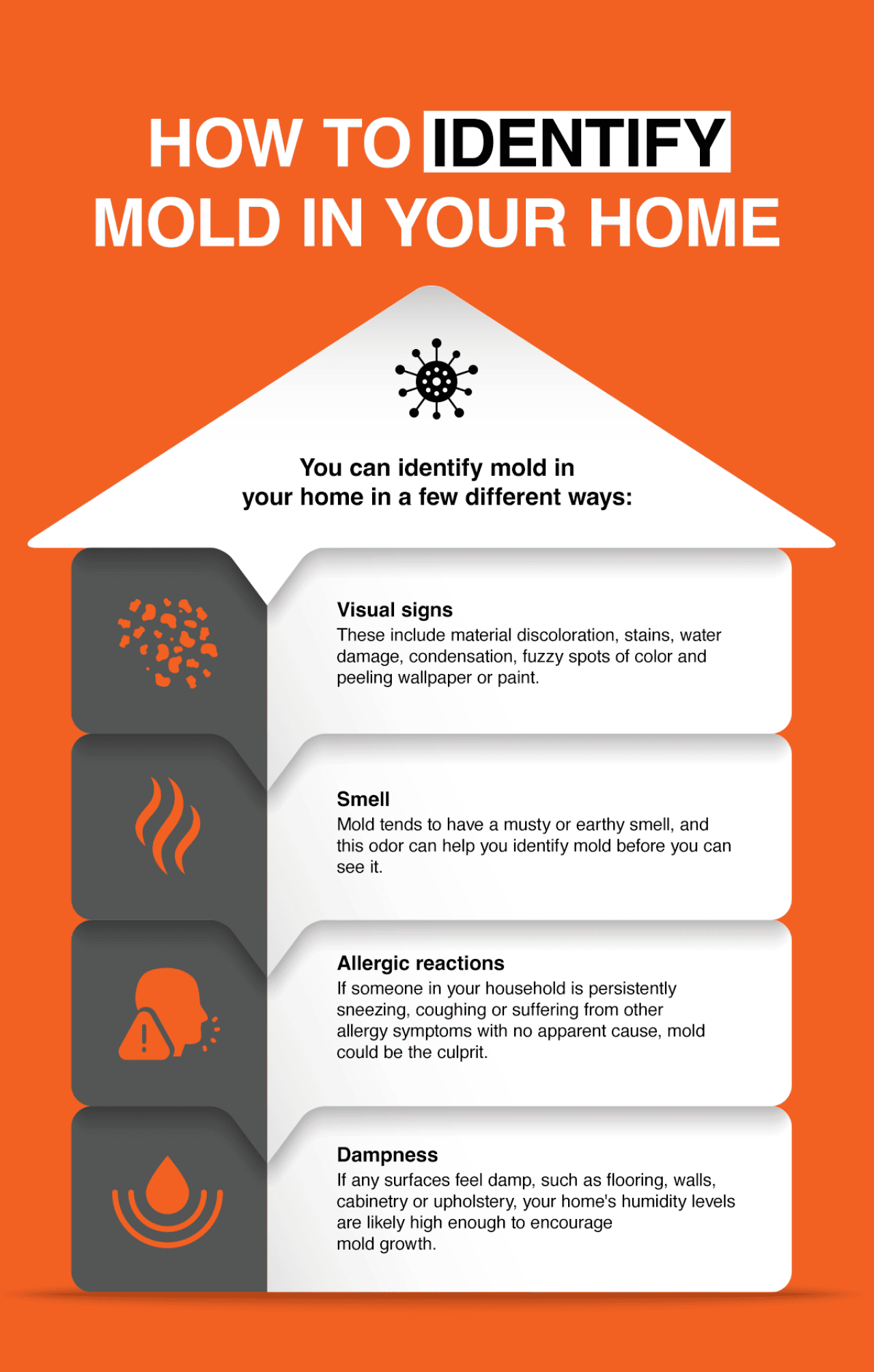
If you suspect mold contamination in your Miami Gardens property due to musty odors, visible staining, or recent plumbing leaks, proceed with the following steps:
- Stop Active Water Leaks: Immediately repair active plumbing breaches or roof leaks. Mold cannot grow without an active moisture source.
- Isolate the Area: Turn off central HVAC systems if you suspect mold inside ductwork or mechanical closets to prevent cross-contamination across room boundaries.
- Hire a Licensed Mold Assessor (MRSA): Engage an independent, licensed Florida Mold Assessor to perform moisture mapping, collect lab air samples, and draft a formal Remediation Protocol.
- Hire a Licensed Mold Remediator (MRSR): Provide the assessor’s written protocol to licensed remediation contractors to obtain accurate, side-by-side scope estimates.
- Require Post-Remediation Clearance: Do not disburse final payment or allow reconstruction contractors to hang new drywall until your independent Mold Assessor issues a passing Post-Remediation Verification (PRV) report.
Image Gallery