Understanding IRN in Insurance Risk Management and Compliance
In the context of insurance risk, an IRN typically refers to an Individual Reference Number used by regulators to track authorized personnel, or an Invoice Reference Number used for tax compliance. These identifiers ensure accountabili...
In the context of insurance risk, an IRN typically refers to an Individual Reference Number used by regulators to track authorized personnel, or an Invoice Reference Number used for tax compliance. These identifiers ensure accountability, facilitate regulatory oversight, and mitigate operational risks associated with fraud, financial misreporting, and unauthorized professional activity.
Contents
The Multi-Faceted Definition of IRN in Insurance
Within the global insurance and financial services landscape of 2026, the acronym IRN is not monolithic. Its meaning shifts significantly depending on whether the discussion centers on regulatory compliance, financial accounting, or claims processing. To understand "what is IRN in insurance risk," one must first identify the specific operational silo in which the term is being used.
The most prominent use of IRN in a risk and compliance framework—specifically within the United Kingdom and similar Commonwealth jurisdictions—is the Individual Reference Number. This is a unique identifier assigned by regulatory bodies, such as the Financial Conduct Authority (FCA) and the Prudential Regulation Authority (PRA), to individuals who perform specific "controlled functions" or "senior management functions" within an insurance firm. From a risk perspective, this IRN is the linchpin of accountability; it allows regulators to track the professional history, fitness, and propriety of an individual throughout their career in the financial sector.
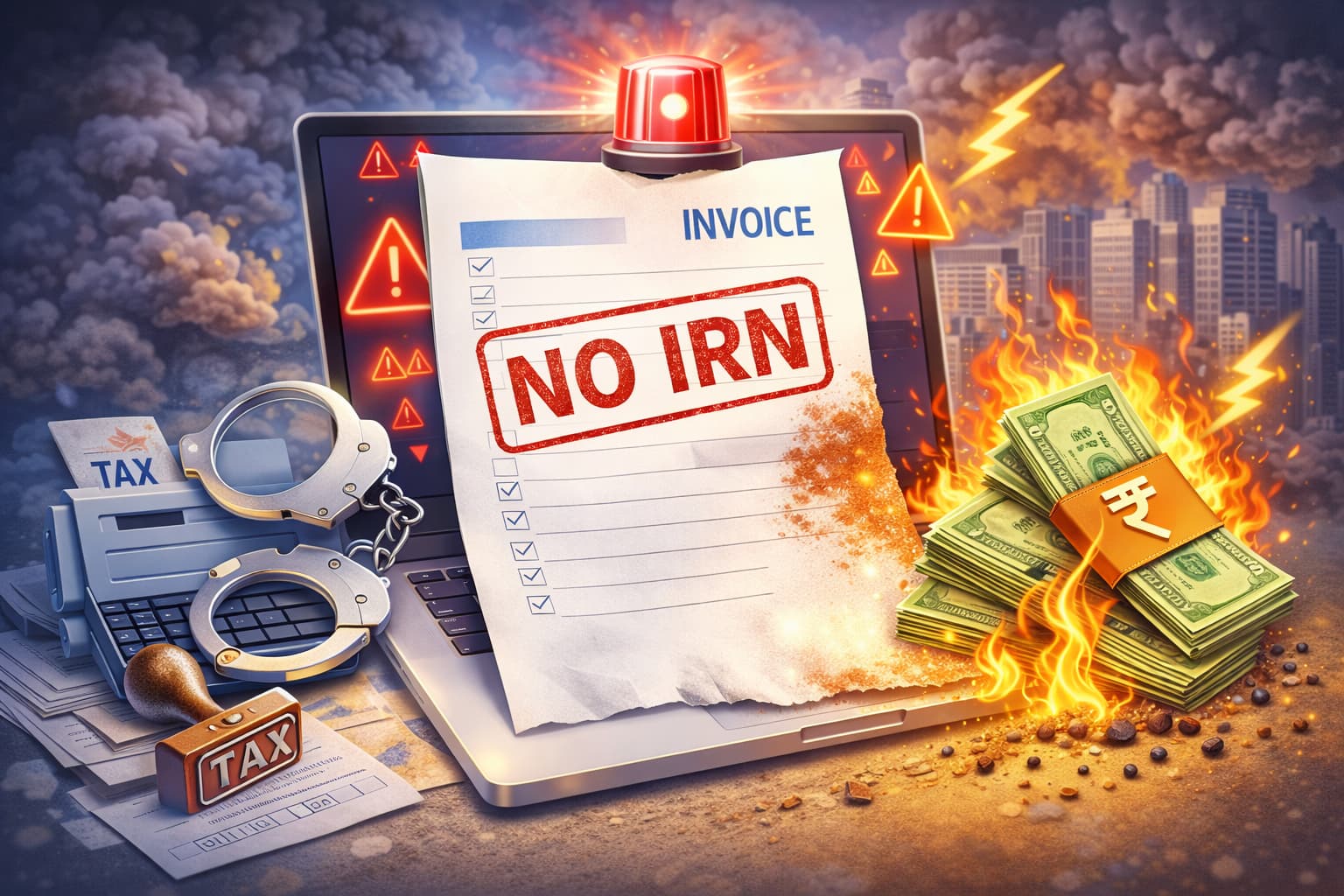
Conversely, in the realm of financial risk and premium management, IRN stands for Invoice Reference Number. This has become increasingly critical due to the global shift toward mandatory e-invoicing and real-time tax reporting. For insurance companies operating in jurisdictions like India or parts of Europe, the IRN is a unique string generated by a government portal to validate that an insurance premium invoice is legitimate. Failure to manage these numbers correctly introduces significant legal and tax risk, potentially leading to the denial of input tax credits or heavy administrative penalties.
The Individual Reference Number: Managing Regulatory and Conduct Risk
For insurance firms, the Individual Reference Number is a primary tool for managing Conduct Risk. Conduct risk refers to the risk that the behavior of an organization’s employees will result in poor outcomes for customers or undermine the integrity of the financial markets. By assigning an IRN to every registered practitioner—from insurance brokers to Chief Risk Officers—the regulatory system creates a permanent, searchable record of that person’s professional conduct.
The Financial Services Register and Traceability
The IRN is the primary key used to locate an individual on the Financial Services Register. In 2026, transparency remains a cornerstone of consumer protection. When an insurance firm hires a new executive or a high-level advisor, the HR and compliance departments use the candidate's IRN to perform due diligence. This "regulatory footprint" includes:
- Current and Past Roles: Every firm the individual has been associated with and the specific functions they performed.
- Disciplinary History: Any public censures, bans, or fines levied against the individual.
- Fitness and Propriety: Whether the regulator has previously deemed the individual competent and honest enough to hold a position of influence.
From a risk management perspective, the IRN prevents "rolling bad apples"—individuals who commit misconduct at one firm and move to another before their actions are fully realized. By centralizing this data under a single identifier, the insurance industry reduces the risk of systemic fraud and internal malpractice.
IRN and the Senior Managers and Certification Regime (SM&CR)
In the current 2026 regulatory environment, the SM&CR (and similar regimes globally) places a heavy burden of "Individual Accountability" on senior insurance leaders. The IRN is the mechanism by which this accountability is legally anchored. If an insurance company suffers a major risk failure—such as a massive under-provisioning of reserves or a widespread mis-selling scandal—regulators use the IRN to identify which specific "Senior Manager" was responsible for that business area. This allows for targeted enforcement actions rather than just corporate-level fines, which significantly heightens the personal risk profile for insurance executives.
The Invoice Reference Number: Mitigating Financial and Operational Risk
While the Individual Reference Number deals with people, the Invoice Reference Number (IRN) deals with the integrity of financial data. As of 2026, many nations have fully integrated e-invoicing systems to combat "tax gaps" and insurance premium fraud. In this context, the IRN is a 64-character hash generated by an Invoice Registration Portal (IRP).
Tax Compliance and Audit Risk
For an insurance company, every policy issued is a financial contract that generates an invoice. If these invoices do not have a valid, government-authenticated IRN, the insurance company faces several layers of risk:
- Ineligibility for Tax Credits: Corporate clients may refuse to pay premiums if the insurance company cannot provide a valid IRN, as the client will be unable to claim back the Goods and Services Tax (GST) or Value Added Tax (VAT) associated with the premium.
- Audit Red Flags: A lack of consistent IRN generation suggests poor internal controls, often triggering deep-dive audits by tax authorities.
- Revenue Leakage: Without a standardized IRN system, insurance firms may struggle to reconcile premiums received against policies issued, leading to financial discrepancies.
Operational Efficiency and Fraud Prevention
The use of an IRN in financial transactions acts as a deterrent against "ghost policies" and double-billing. Since the IRN is unique to a specific set of transaction data (including the seller’s ID, the buyer’s ID, and the amount), it is virtually impossible to duplicate or forge. This provides a layer of operational risk mitigation, ensuring that the insurance firm's financial statements are an accurate reflection of their actual risk exposure and premium income.
Incident Reference Numbers: Tracking Claims and Loss Risk
In a third, more localized context, IRN can stand for Incident Reference Number. This is used within the claims department of an insurance company or a corporate risk management office. When a "risk event" occurs—such as a fire at a warehouse or a data breach—an IRN is generated to track the lifecycle of that specific loss.
This type of IRN is vital for Actuarial Risk Modeling. By tagging every loss event with a unique IRN, insurers can categorize data to identify patterns. For example, if a high volume of IRNs is being generated for "water damage" in a specific geographic region, the insurer can adjust their risk appetite or premium pricing for that area in real-time. Without a disciplined IRN system for incidents, data becomes fragmented, leading to inaccurate risk assessments and potential insolvency if the insurer fails to price for the actual frequency of losses.
Comparing IRN Types in the Insurance Sector
| Feature | Individual Reference Number (Regulatory) | Invoice Reference Number (Tax/Financial) | Incident Reference Number (Claims/Risk) |
|---|---|---|---|
| Primary Purpose | Personal accountability and professional tracking. | Authentication of financial transactions and tax compliance. | Tracking specific loss events and claims data. |
| Who Issues It? | Financial Regulators (e.g., FCA, PRA). | Government Tax Portals or ERP Systems. | Internal Claims Management Systems. |
| Risk Mitigated | Conduct Risk, Fraud, and Incompetence. | Tax Risk, Audit Failure, and Financial Fraud. | Actuarial Inaccuracy and Operational Loss. |
| Data Length | Typically 7–10 alphanumeric characters. | Long hash (often 64 characters). | Variable (Internal company format). |
| Searchable? | Yes, via public regulatory registers. | Yes, via government tax databases. | Generally private/internal to the insurer. |
Practical Implementation and Best Practices for IRN Management
Regardless of which "IRN" a firm is dealing with, managing these identifiers requires robust internal systems. In 2026, the integration of Artificial Intelligence and blockchain-based ledgers has streamlined how insurance firms handle these reference numbers to minimize errors.
Automation of IRN Generation
Manual entry of Invoice Reference Numbers or Incident Reference Numbers is a significant source of operational risk. Modern insurance platforms now use API-led connectivity to automatically fetch IRNs from tax portals the moment a policy is bound. Similarly, claims systems should automatically generate an Incident IRN upon the first notification of loss (FNOL). This ensures that the data "audit trail" begins the second the risk materializes.
Monitoring Regulatory Status
For the Individual Reference Number, insurance firms must implement "continuous monitoring" of the Financial Services Register. It is not enough to check an IRN during the hiring process. Firms must ensure that if a regulator updates an individual's status (for example, withdrawing their authorization due to a breach of conduct), the firm's internal risk dashboard is alerted immediately. Failure to do so could result in the firm being held liable for the actions of an unauthorized employee.
Data Privacy and Security
Because all forms of IRN are linked to sensitive data—whether it is an individual’s professional history or a corporation’s financial transactions—they are subject to strict data protection laws like GDPR or local equivalents. IRNs must be stored in encrypted environments, and access should be restricted based on the principle of "least privilege." A leak of Incident Reference Numbers, for example, could expose a company's vulnerability to specific types of risks, making them a target for further exploitation.
FAQs
What happens if an insurance broker operates without a valid IRN?
Operating without a valid Individual Reference Number (where required by law) is a severe regulatory breach. The individual may face a permanent ban from the financial services industry, and the insurance firm may be heavily fined for failing to implement proper "threshold conditions" for employment. Furthermore, any insurance contracts facilitated by an unauthorized individual may be deemed void or unenforceable, creating massive legal exposure for the firm.
Can an Invoice Reference Number (IRN) be cancelled?
In most tax jurisdictions, an IRN can be cancelled within a very short window (typically 24 hours) if there was an error in the invoice data. However, once that window closes, the IRN is a permanent part of the digital tax record. To correct an error after this period, the insurer must usually issue a credit or debit note, which will then generate its own unique IRN to maintain the audit trail.
How do I find my Individual Reference Number?
If you are a registered professional in a regulated market, you can find your IRN by searching your name on your local regulator's public register (such as the FCA Register in the UK). This number remains with you throughout your career, even if you move between different insurance companies.
Why is the IRN important for Reinsurance?
In reinsurance transactions, the IRN (usually the Incident or Policy Reference Number) is essential for "treaty" and "facultative" accounting. Reinsurers need a unique identifier to track which specific risks they are covering. If multiple reference numbers are used for the same incident, it can lead to "double recovery" errors or disputes over which layer of reinsurance is responsible for a loss.
Does every insurance policy need a government-generated IRN?
Not in every country. The requirement for a government-generated Invoice Reference Number is specific to jurisdictions that have implemented "Clearance Model" e-invoicing. However, even in countries without this requirement, insurance firms use internal IRNs to manage their books and records.
Final Recommendation for Risk Professionals
To effectively manage IRN-related risks in 2026, insurance professionals should prioritize system interoperability. Ensure that your HR software (tracking Individual Reference Numbers), your accounting software (tracking Invoice Reference Numbers), and your claims management software (tracking Incident Reference Numbers) can communicate with one another. This holistic approach prevents data silos, ensures that "fitness and propriety" are maintained across the board, and guarantees that every dollar of premium and every cent of loss is accounted for with a verified, immutable identifier.
Image Gallery