Understanding Jillian Michaels’ Political Stance and Support for Donald Trump
Jillian Michaels has not explicitly identified as a "Trumper" through a formal campaign endorsement, but her public shift toward conservative policy positions, her vocal criticism of the Democratic party's "woke" culture, and her reloc...
Jillian Michaels has not explicitly identified as a "Trumper" through a formal campaign endorsement, but her public shift toward conservative policy positions, her vocal criticism of the Democratic party's "woke" culture, and her relocation from California to Florida have led many to associate her with Donald Trump’s political movement. By 2026, she is widely viewed as a prominent "common sense" conservative voice in the health and wellness industry.
Contents
The Evolution of Jillian Michaels’ Public Persona
For nearly two decades, Jillian Michaels was known primarily as "America’s Toughest Trainer," a persona built on the high-intensity environment of The Biggest Loser. During the early 2010s, her public image was largely apolitical, focusing on fitness, nutrition, and metabolic health. However, as the American political landscape became increasingly polarized, Michaels began to speak out on issues that bridged the gap between personal health and government policy.
The transition from a fitness icon to a political commentator was gradual. It began with critiques of "body positivity" movements that she argued ignored the medical realities of obesity. By the early 2020s, this evolved into a broader critique of progressive social trends. Michaels frequently stated that she felt "politically homeless," suggesting that the modern Democratic party had moved too far to the left for her centrist-to-conservative sensibilities. This narrative—of being a former liberal or centrist alienated by the "far left"—is a hallmark of many public figures who eventually found common ground with the Trump-era Republican platform.
Analyzing the "Trumper" Label: Facts vs. Perception
To understand if Jillian Michaels is a "Trumper," one must distinguish between voting records and ideological alignment. Michaels has historically been protective of her specific ballot choices, but her rhetoric since 2020 has aligned closely with the America First agenda. Her criticisms often mirror those of Donald Trump, particularly regarding government overreach, taxation, and the influence of "woke" ideology in public institutions.
By 2026, the perception of Michaels as a supporter of the Trump movement is fueled by several key factors:
- Criticism of the Biden-Harris Administration: During the 2024 election cycle, Michaels was vocal about the economic and social direction of the country, often highlighting inflation and public safety as failures of the incumbent administration.
- Platform Choice: She became a frequent guest on conservative-leaning media outlets and podcasts, such as The Megyn Kelly Show and Club Random with Bill Maher, where she often joined in critiques of progressive policy.
- Policy Alignment: Her stances on individual liberty, particularly during the COVID-19 pandemic, echoed the Republican platform's emphasis on reopening the economy and resisting federal mandates.
Key Issues: Taxes, COVID-19, and the Move to Florida
The most significant piece of evidence cited by those labeling Michaels a "Trumper" or a conservative is her decision to leave California. In 2021, Michaels made headlines by moving her family and business operations to Florida, a state that became the epicenter of the anti-lockdown and pro-business movement under Governor Ron DeSantis, a close ally and occasional rival of Donald Trump.
The Tax and Regulatory Climate
Michaels cited California’s high taxes and what she described as "draconian" regulations as primary reasons for her move. In several interviews, she expressed frustration that her tax dollars were not resulting in better public services or safer streets in Los Angeles. This "taxpayer revolt" is a core tenet of the Trumpian platform, which advocates for deregulation and state-level sovereignty over federal intervention.
COVID-19 Mandates and Gym Closures
As a fitness professional, Michaels was particularly critical of the government-mandated closure of gyms during the pandemic. She argued that exercise was a vital component of immune health and that shuttering fitness centers while keeping liquor stores open was a failure of logic. Her opposition to mask mandates and vaccine requirements for private businesses aligned her with the "freedom of choice" rhetoric prevalent in the 2024 Trump campaign.
Media Appearances and the "Common Sense" Movement
Michaels has successfully rebranded herself as a "common sense" advocate. This movement often attracts individuals who may not have been traditional Republicans but find themselves aligned with the GOP on issues of free speech and meritocracy.
In her appearances on various platforms, Michaels has focused on several recurring themes:
- The "Woke" Narrative in Health: She has criticized health organizations for what she perceives as prioritizing political correctness over biological facts.
- Parental Rights: Following the lead of many conservative activists, she has spoken about the importance of parental involvement in education and medical decisions for minors.
- Economic Opportunity: She emphasizes personal responsibility and entrepreneurship, values that resonate strongly with the Republican base.
Impact on Her Brand and Business
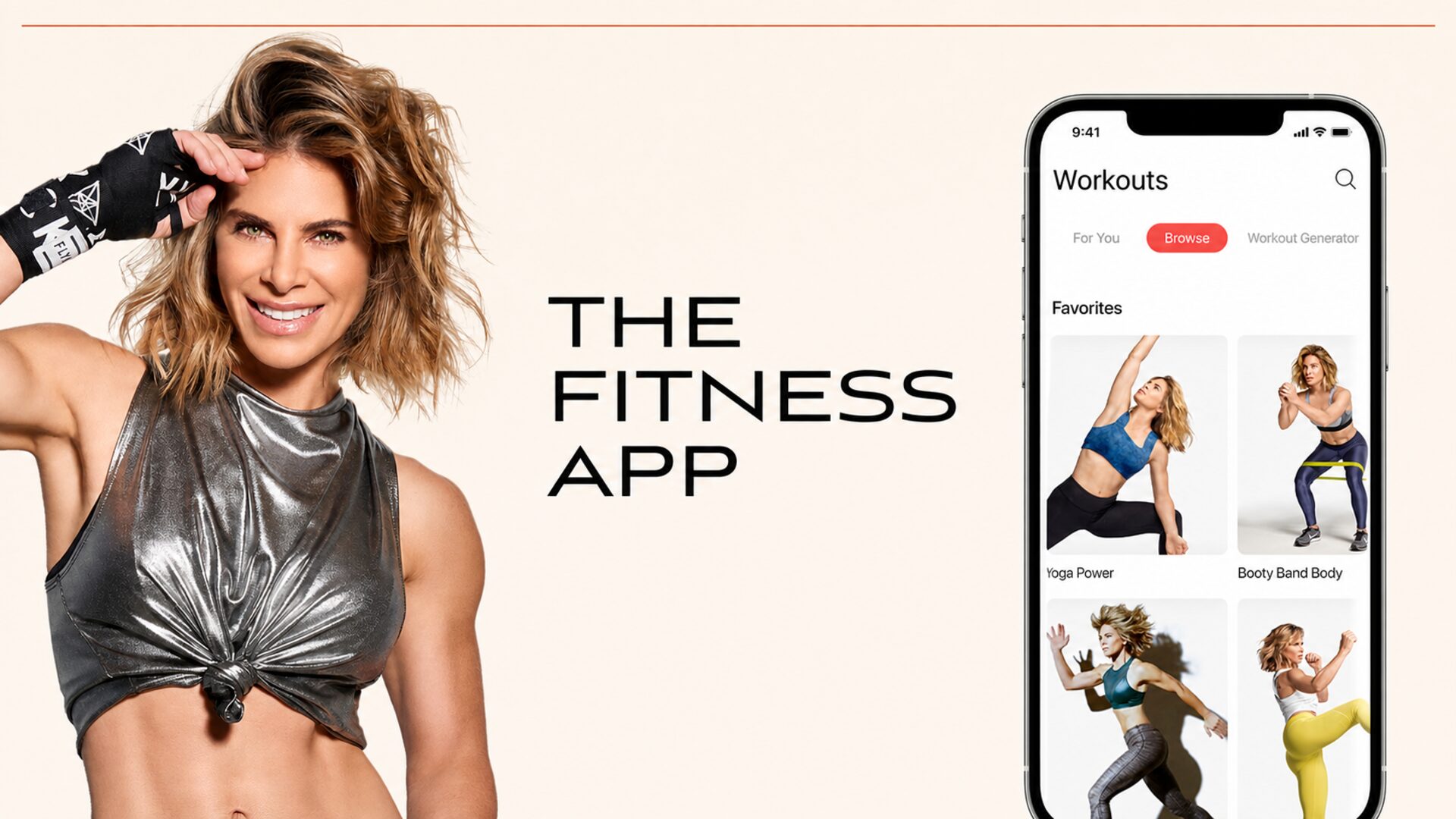
Taking a political stance is often considered a risk for fitness celebrities who rely on broad appeal. However, Michaels’ shift appears to have solidified a dedicated following among conservative and independent audiences. While she faced "cancel culture" attempts from progressive circles—particularly after her comments on inclusivity in the fashion and health industries—her business ventures, including the The Fitness App, have remained robust.
By 2026, Michaels has leaned into this niche, appearing at events that discuss the intersection of politics and wellness. She has effectively argued that "health is political," because government policies dictate everything from food quality standards to the ability of a small business owner to keep their gym doors open.
Comparing Celebrity Political Alignments in Fitness
The following table illustrates how Jillian Michaels’ political trajectory compares to other major figures in the fitness and wellness industry as of 2026.
| Fitness Figure | Primary Political Lean | Key Issue Focus | Relationship with Trump/GOP |
|---|---|---|---|
| Jillian Michaels | Center-Right / Conservative | Taxes, Anti-Woke, Personal Liberty | Policy-aligned; Moved to FL for GOP climate. |
| Arnold Schwarzenegger | Centrist / Independent | Environment, Gerrymandering | Former GOP Governor; Often critical of Trump. |
| Jane Fonda | Progressive / Left | Climate Change, Social Justice | Long-time activist; Vocal Trump opponent. |
| Joe Wicks | Apolitical | Child Nutrition, Mental Health | Maintains a neutral, policy-focused stance. |
| Aubrey Marcus | Libertarian / Populist | Medical Freedom, Decentralization | Aligned with the "RFK Jr./Trump" coalition. |
Navigating Political Polarization as a Fitness Professional
The question of whether "Jillian Michaels is a Trumper" highlights a broader trend: the politicization of health. In previous decades, fitness was seen as a universal goal. In 2026, however, fitness has become a battleground for debates over individual versus collective responsibility.
Michaels has argued that her "conservative" turn is actually a return to traditional values of hard work and objective truth. For her critics, she represents a shift toward exclusionary politics. For her supporters, she is a brave voice speaking out against a "health at any size" movement that they believe endangers public wellness.
Common Criticisms and Rebuttals
- Criticism: Michaels has abandoned her diverse fanbase to cater to a right-wing echo chamber.
- Rebuttal: Michaels maintains that she is speaking to everyone who values "reality-based" health and that her move to Florida was a practical business decision to protect her family’s future.
FAQs
Did Jillian Michaels officially endorse Donald Trump in 2024?
While Michaels did not serve as an official campaign surrogate, her public statements regarding the failures of the Democratic party and her praise for Florida’s governance were interpreted by political analysts as a de facto support for the Republican ticket. She prioritized policy outcomes over personality, a common stance for "Never-Biden" voters.
Why did Jillian Michaels move to Florida?
Michaels moved to Florida in 2021, citing high taxes, increased crime, and restrictive COVID-19 policies in California. She has stated that the political climate in Florida is more conducive to business growth and personal freedom, which are central themes of the Trump-era GOP.
What is Jillian Michaels' stance on "woke" culture?
Michaels has been a vocal critic of what she calls "wokeism," particularly when it affects the fitness industry. She argues that political correctness has led to the glamorization of obesity, which she views as a public health crisis. This stance has made her a popular figure in conservative media.
Has Jillian Michaels' political stance affected her app's popularity?
While there was initial backlash from progressive users, Michaels’ transparency has attracted a new demographic of users who appreciate her "no-nonsense" approach. In 2026, her brand remains one of the most successful in the digital fitness space, suggesting that her political alignment has not caused significant long-term commercial damage.
Does she identify as a Republican?
Michaels often prefers the term "independent" or "common sense" to "Republican." However, she has admitted that the current Democratic party no longer represents her views, leading her to align almost exclusively with Republican candidates and policies on a national level.
Practical Recommendation for Consumers
If you are a consumer of Jillian Michaels’ fitness content, it is helpful to separate her exercise physiology expertise from her political commentary. While her views on governance and social issues are polarizing, her technical knowledge of metabolic training and nutrition remains rooted in established science. For those who disagree with her politics but enjoy her workouts, focusing on the The Fitness App's technical features rather than her social media commentary is a viable path. Conversely, those who align with her "common sense" approach may find her podcast and interviews a valuable resource for navigating the intersection of health and policy in 2026.
Image Gallery