Understanding Blastocyst 4AA: Embryo Quality, Grading, and Success Rates in 2026
A blastocyst 4AA is a top-tier, highly expanded embryo with a tightly packed inner cell mass and a cohesive trophectoderm, representing an optimal grading in in vitro fertilization (IVF). This designation signifies exceptional morpholo...
A blastocyst 4AA is a top-tier, highly expanded embryo with a tightly packed inner cell mass and a cohesive trophectoderm, representing an optimal grading in in vitro fertilization (IVF). This designation signifies exceptional morphological development on day 5 or day 6 of culture, historically associated with strong clinical pregnancy and live birth rates when transferred.
Contents
Decoding the Gardner Grading System for Blastocysts
The Gardner grading system is the universal standard used by embryologists worldwide to evaluate the structural development and quality of a blastocyst before transfer or cryopreservation. Understanding this system demystifies the embryology report and provides clear context for what a grade like 4AA actually means for treatment outcomes.
Embryo grading is not a genetic test; rather, it is a morphological assessment of cellular architecture, expansion speed, and structural integrity. A Gardner grade consists of three distinct components: a numerical score indicating expansion, followed by two letters representing the inner cell mass (ICM) and the trophectoderm (TE).
The Three Components of Blastocyst Grading
- Numerical Expansion Score (1 to 6): This indicates how much the blastocyst has expanded and whether it has begun hatching from its outer shell (the zona pellucida). Grades range from an early blastocyst (1) to a fully hatched blastocyst (6).
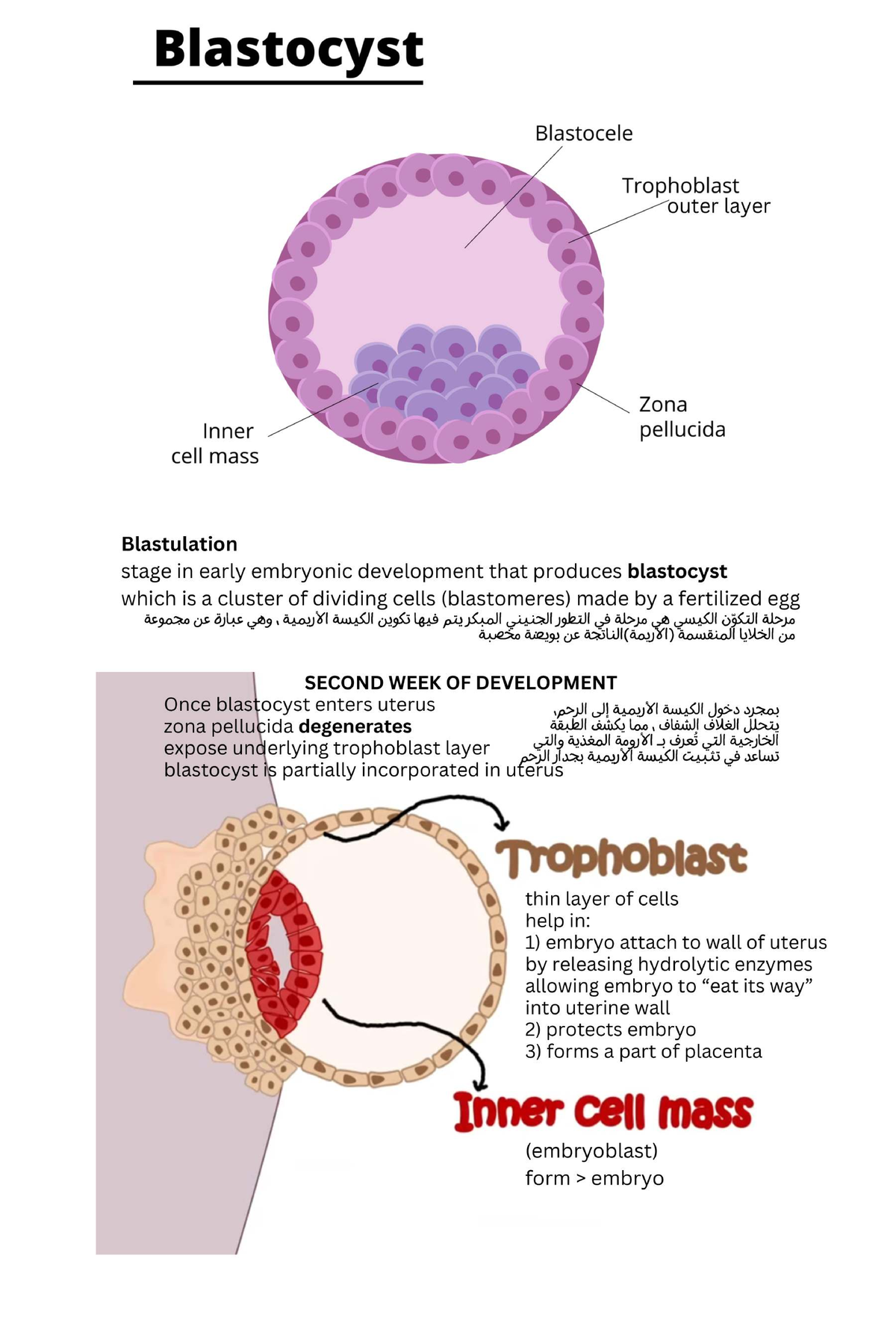
- Inner Cell Mass (ICM) Letter (A, B, or C): This evaluates the cluster of cells that will eventually develop into the fetus. An "A" indicates tightly packed cells with many cells; "B" indicates a loosely grouped cluster with fewer cells; "C" indicates very few cells.
- Trophectoderm (TE) Letter (A, B, or C): This evaluates the layer of cells that will form the placenta and supporting membranes. An "A" denotes many cells forming a cohesive, multilayered epithelium; "B" indicates fewer cells forming a looser epithelium; "C" indicates very few large cells.
What Specifically Defines a Blastocyst 4AA?
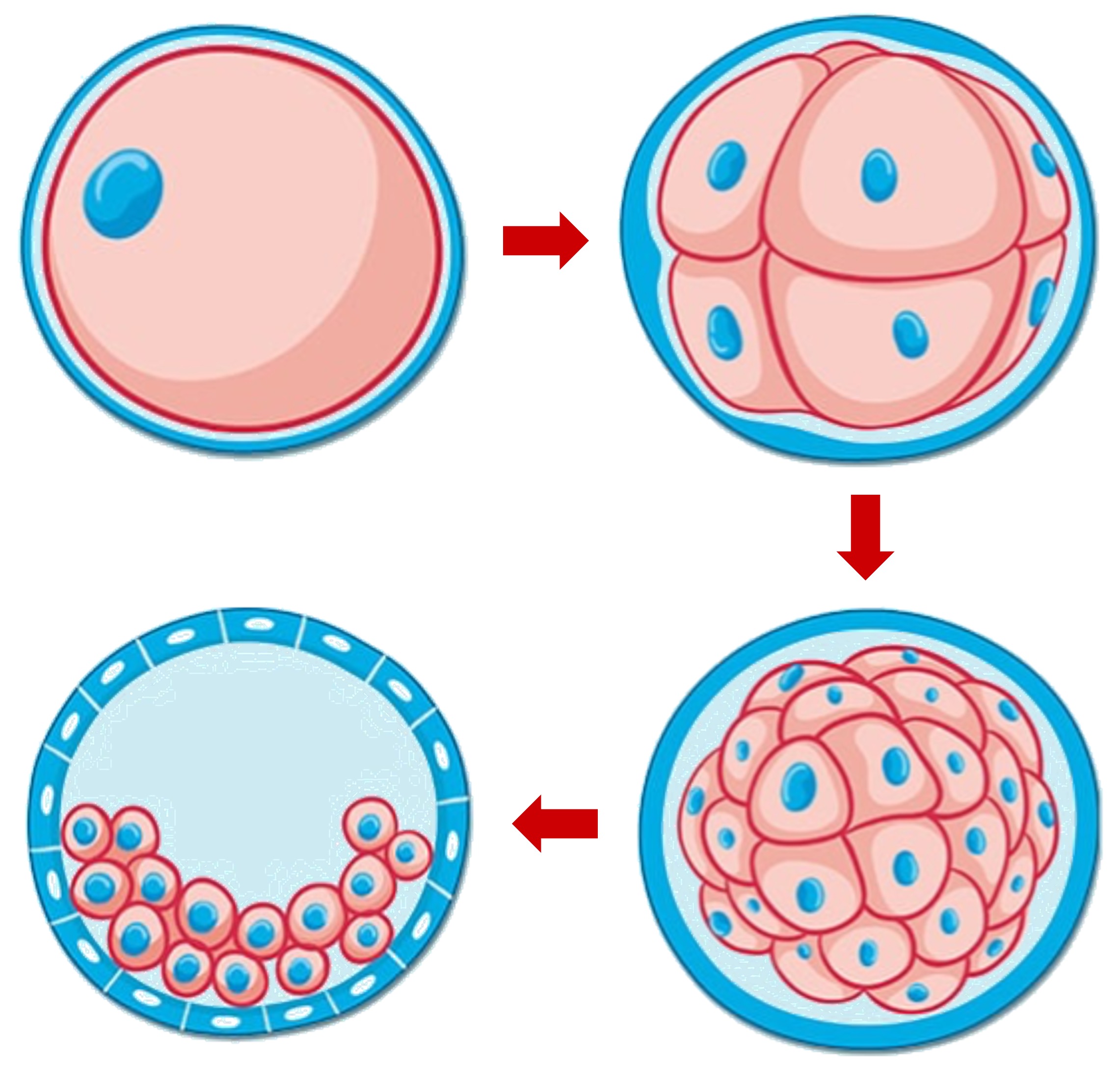
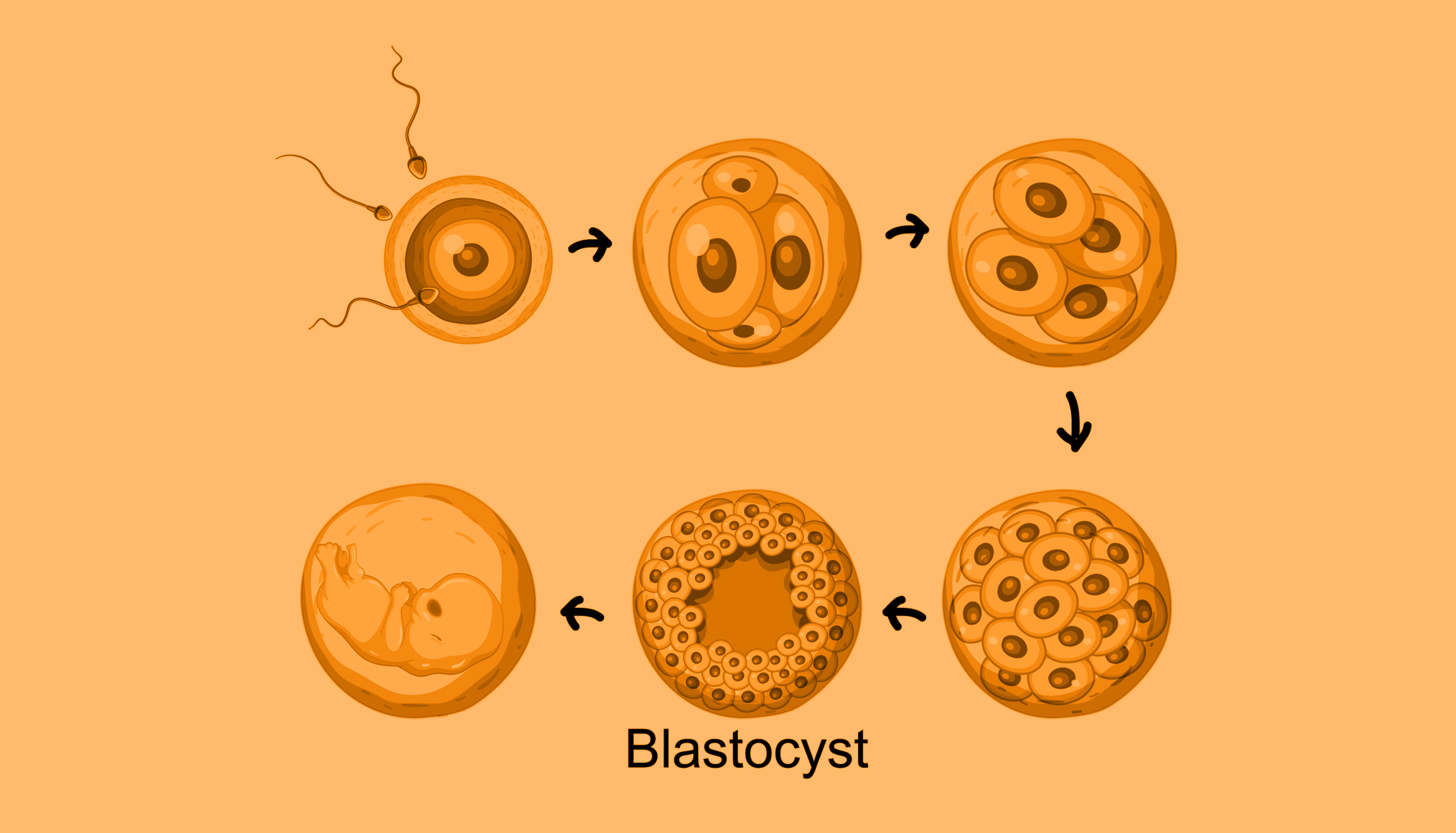
Breaking down the specific components of a 4AA embryo reveals why this classification is viewed favorably in reproductive endocrinology. The number "4" indicates that the blastocyst is fully expanded, with the blastocoel fluid-filled cavity completely filling the embryo and the zona pellucida becoming notably thinner as internal pressure builds.
The first letter "A" describes the inner cell mass. In a 4AA, the ICM is prominent, tightly compacted, and contains a high number of healthy cells, which serves as the biological foundation for fetal development. The second letter "A" describes the trophectoderm. This means the surface cells are organized into a smooth, healthy, cellular epithelium with numerous cells ready to initiate implantation into the uterine lining.
When these three metrics converge, the resulting 4AA designation indicates an embryo that has progressed through cellular divisions without major morphological delays and exhibits robust structural characteristics across all measured parameters.
Day 5 vs. Day 6 Development for 4AA Embryos
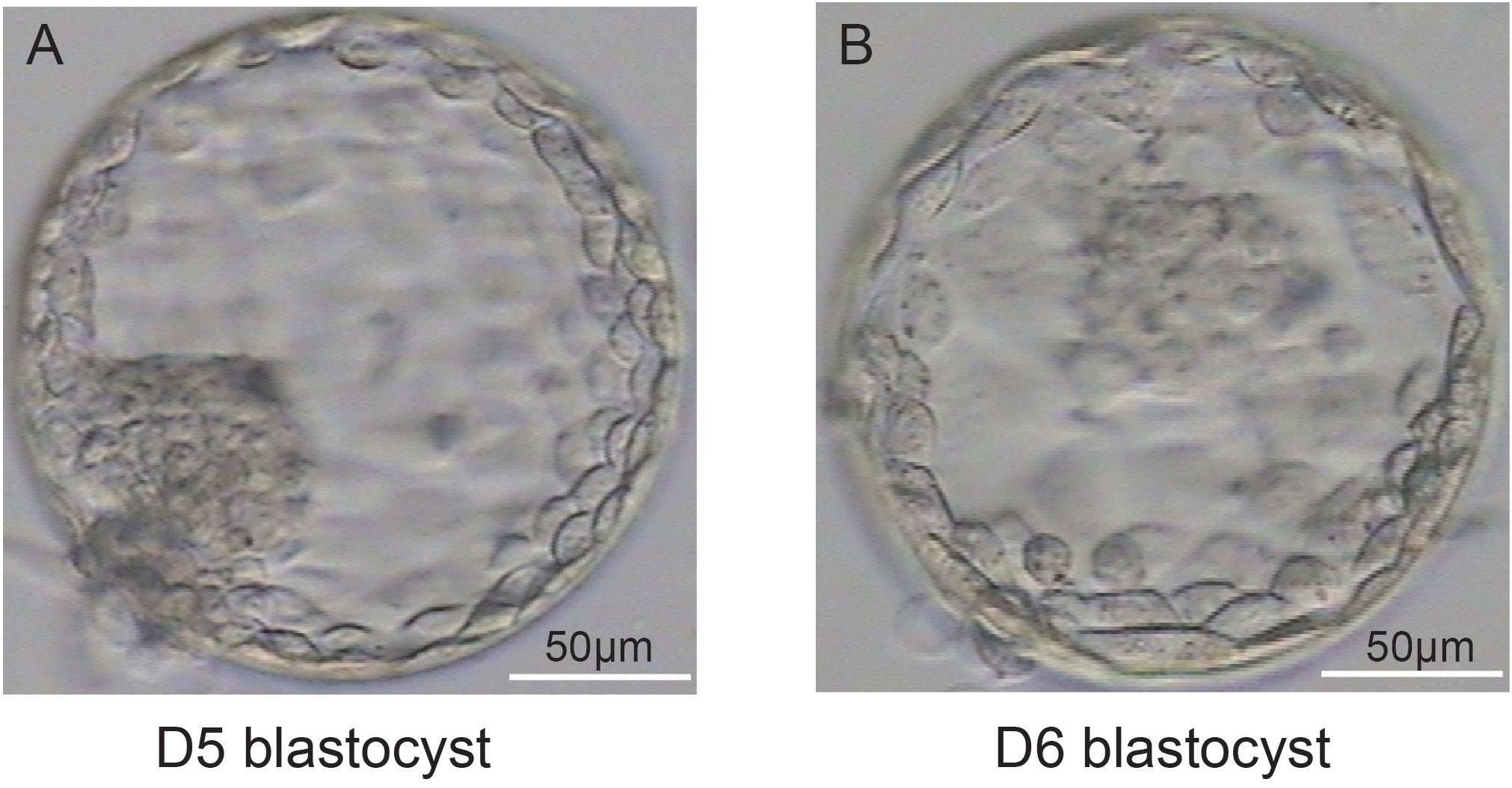
The developmental timeline of a blastocyst heavily influences clinical interpretation. While a 4AA embryo reaching this stage on Day 5 is traditionally considered the gold standard of IVF laboratory culture, reaching 4AA status on Day 6 is also common and associated with favorable outcomes.
| Embryo Development Day | Morphological Characteristics | Relative Clinical Expectation |
|---|---|---|
| Day 5 4AA | Fully expanded, hatched or hatching, optimal cell count for 120 hours post-fertilization. | Highest baseline implantation potential and metabolic maturity. |
| Day 6 4AA | Fully expanded with optimal ICM and TE, achieved after 144 hours of culture. | Highly viable; clinical outcomes closely mirror Day 5 in modern euploid transfers. |
| Day 7 4AA | Fully expanded but delayed by 48 hours compared to standard milestones. | Lower overall implantation potential; often requires PGT-A verification. |
Modern time-lapse imaging and incubator technologies allow embryologists to monitor cleavage patterns closely. While Day 5 blastocysts demonstrate faster synchronization with the natural uterine window of implantation, vitrified Day 6 embryos perform exceptionally well, particularly when preimplantation genetic testing confirms a normal chromosomal profile.
Morphological Quality vs. Genetic Integrity (PGT-A)
A common misconception in assisted reproductive technology is that a high morphological grade like 4AA guarantees a genetically normal (euploid) embryo. Morphology and genetics evaluate entirely different aspects of cellular health.
Morphology assesses structural architecture, cellular allocation, and physical symmetry, while Preimplantation Genetic Testing for Aneuploidy (PGT-A) analyzes the chromosomal complement of the biopsy cells.
- Euploid Embryos: Contain the correct number of chromosomes (46). A 4AA embryo that is also euploid represents the highest statistical probability of sustained pregnancy.
- Aneuploid Embryos: Contain extra or missing chromosomes. Interestingly, high-grade morphological specimens like 4AA can occasionally be aneuploid, particularly in patients of advanced maternal age.
- Mosaic Embryos: Contain a mixture of euploid and aneuploid cells. A 4AA mosaic embryo requires careful genetic counseling regarding its self-correction potential and implantation capability.
Therefore, while a 4AA grade provides strong reassurance regarding physical robustness, clinics frequently recommend combining morphological assessment with PGT-A to minimize miscarriage risk and streamline the path to a single embryo transfer (SET).
Success Rates and Clinical Outcomes for 4AA Transfers
Clinical data consistently position top-tier blastocysts at the upper echelon of success metrics. However, statistical outcomes depend heavily on maternal age at the time of egg retrieval, uterine factors, and whether the embryo has undergone PGT-A testing.
| Maternal Age Group | Estimated Euploid Rate for 4AA | Estimated Clinical Pregnancy Rate (Euploid 4AA SET) |
|---|---|---|
| Under 35 Years | 70% to 80% | 65% to 75% |
| 35 to 37 Years | 60% to 70% | 60% to 70% |
| 38 to 40 Years | 45% to 55% | 55% to 65% |
| Over 40 Years | 25% to 40% | 50% to 60% |
These metrics demonstrate that while age influences the underlying genetic normalcy of an egg, a morphologically pristine 4AA structure maintains a resilient advantage during the implantation window when transferred into a properly prepared endometrium.
Preparation and Protocol for Transferring a 4AA Embryo
Achieving a high-grade embryo is only the first phase of the transfer cycle. The uterine environment must be meticulously prepared to synchronize with the developmental age of the blastocyst.
Endometrial Preparation Protocol Hormone Replacement Therapy (HRT): Exogenous estrogen is administered orally, transdermally, or vaginally to thicken the endometrial lining to a minimum threshold of 7 to 8 millimeters with a trilaminar pattern. Progesterone supplementation is then initiated to transform the endometrium into a receptive secretory state, timed precisely to the developmental age of the 4AA blastocyst (typically 5 days of progesterone exposure for a Day 5 embryo). Natural or Modified Natural Cycles: For patients with regular ovulation, the clinic monitors follicular growth and natural surges of luteinizing hormone (LH) or triggers ovulation with human chorionic gonadotropin (hCG), timing the transfer to match endogenous progesterone exposure.
Frequently Asked Questions About Blastocyst 4AA
What does the 4AA grading mean in IVF?
A 4AA grade indicates a fully expanded blastocyst with an excellent inner cell mass and a high-quality trophectoderm. It is considered one of the highest possible morphological classifications in embryology.
Does a 4AA embryo guarantee a successful pregnancy?
No morphological grade can guarantee a pregnancy. While a 4AA has high developmental potential, success also depends on uterine health, hormonal receptivity, and whether the embryo is genetically normal.
Is a Day 5 4AA better than a Day 6 4AA?
Historically, Day 5 blastocysts are preferred because they synchronize perfectly with the natural uterine window. However, modern vitrification techniques ensure that Day 6 4AA embryos yield comparable success rates, especially when verified as euploid.
Can a 4AA embryo be frozen and thawed safely?
Yes, modern ultra-rapid cryopreservation methods (vitrification) allow 4AA blastocysts to be frozen and thawed with survival rates exceeding 95%, preserving their structural integrity for subsequent frozen embryo transfer (FET) cycles.
Should I test a 4AA embryo with PGT-A?
Decisions regarding PGT-A testing depend on patient age, medical history, and family-building goals. While 4AA morphology is excellent, testing rules out chromosomal abnormalities that cannot be detected visually under a microscope.
What are the chances of twins with a 4AA embryo?
Transferring a single 4AA embryo results in an overwhelmingly singleton pregnancy, though rare instances of monozygotic (identical) twinning can occur naturally in IVF, just as in unassisted conceptions.
Strategic Next Steps for Your Embryo Transfer
Navigating IVF laboratory reports requires close collaboration with your reproductive endocrinologist and embryology team. If you have a 4AA blastocyst available for transfer, review your clinic's specific protocol regarding hormone optimization, endometrial receptivity assays if applicable, and single embryo transfer guidelines to maximize your cumulative chance of a healthy live birth.
Image Gallery