Mold Remediation in Pottstown, PA: A Comprehensive Guide for 2026
Mold remediation in Pottstown, PA, is a specialized process designed to identify, contain, and eliminate fungal growth within residential and commercial properties. In the humid climate of the Schuylkill River Valley, this process invo...
Mold remediation in Pottstown, PA, is a specialized process designed to identify, contain, and eliminate fungal growth within residential and commercial properties. In the humid climate of the Schuylkill River Valley, this process involves moisture control, professional-grade air filtration, and the physical removal of contaminated materials to restore indoor air quality and structural integrity.
Contents
The presence of mold is a common challenge for property owners in Pottstown, Pennsylvania. Given the borough's proximity to the Schuylkill River and its stock of historic architecture, moisture intrusion is an ongoing concern. As of 2026, mold remediation has evolved into a highly technical field that prioritizes both the immediate removal of visible growth and the long-term management of the environmental conditions that allow fungi to thrive.
The Local Context: Why Pottstown is Prone to Mold
Pottstown’s geographic location and climate play significant roles in the prevalence of mold issues. Situated in Montgomery County, the area experiences high relative humidity during the summer months and significant precipitation throughout the year. These factors, combined with the specific characteristics of local properties, create a unique environment for mold development.
Proximity to the Schuylkill River
Properties located near the river or within its floodplain are at a higher risk for basement dampness and hydrostatic pressure issues. Even without direct flooding, the high water table in certain sectors of Pottstown (particularly near the Riverfront and lower-lying residential blocks) can lead to seepage through foundation walls.
Historic and Aging Infrastructure
Pottstown is home to a wealth of older homes, many of which feature stone foundations or early 20th-century masonry. While these structures are durable, they were often built before modern vapor barriers and advanced drainage systems were standard. Over decades, mortar can degrade, and soil settlement can redirect water toward the structure rather than away from it, resulting in chronic dampness in crawlspaces and basements.
The 2026 Climate Profile
Current weather patterns in 2026 continue to show increased frequency of "micro-burst" rain events in Southeastern Pennsylvania. These sudden, heavy downpours often overwhelm local gutter systems and municipal storm drains, leading to localized "flash" moisture intrusion in areas that historically remained dry.
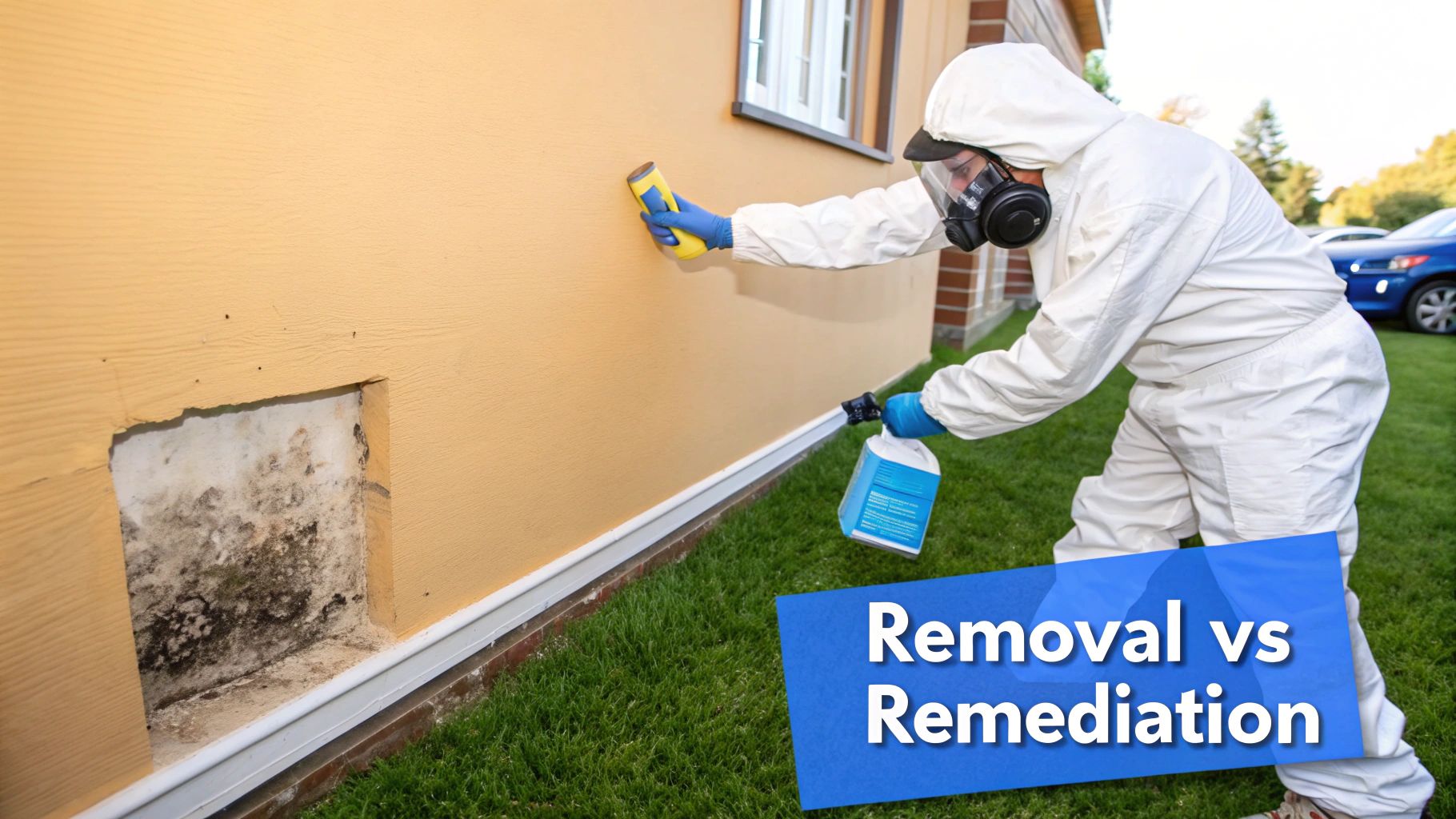
Defining Mold Remediation vs. Mold Removal
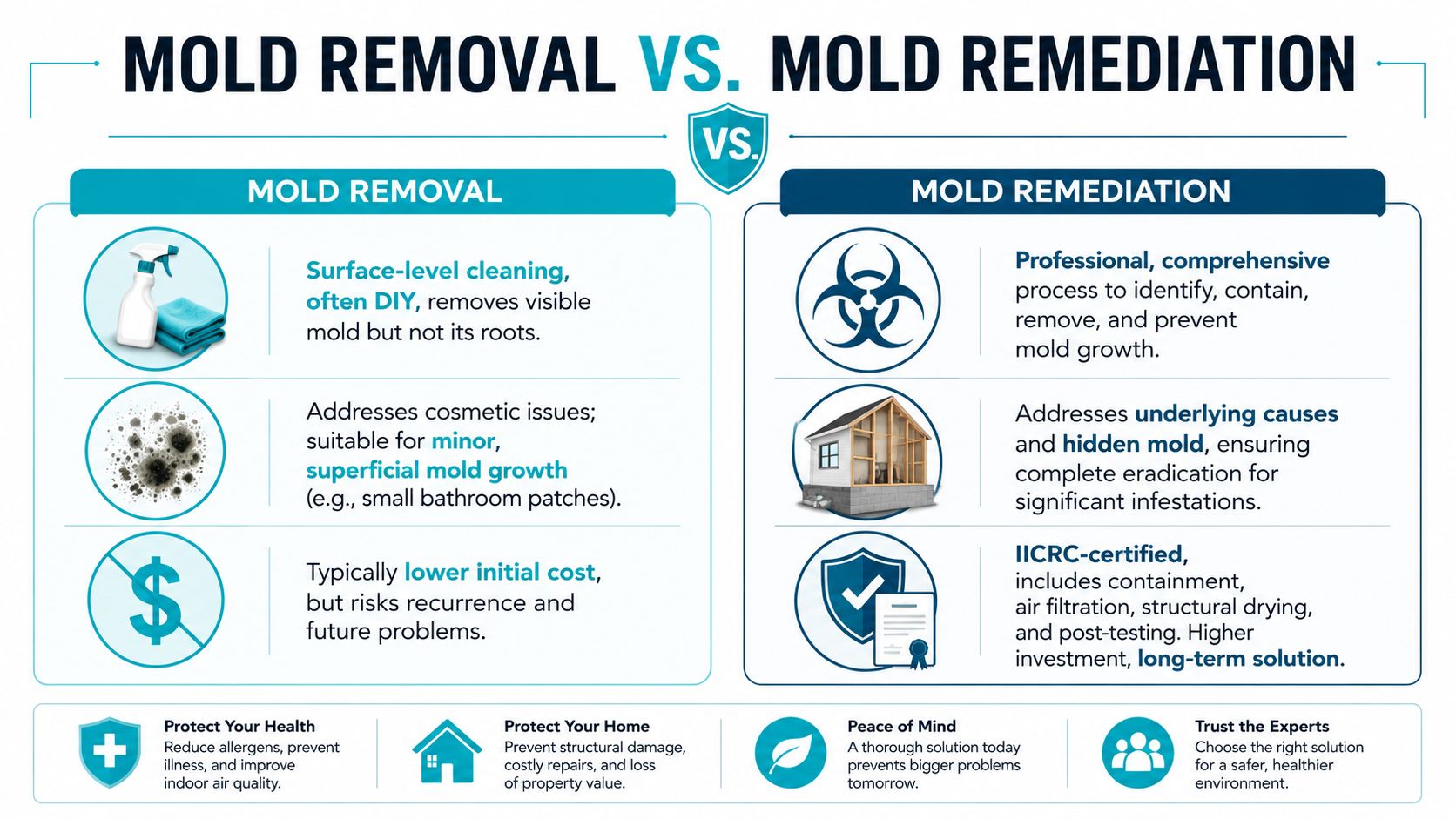
It is a common misconception that "mold removal" is the goal. In reality, mold spores are a natural part of the outdoor and indoor environment. The objective of mold remediation is to return the indoor fungal ecology to a "normal" or "Condition 1" status, where the mold levels inside are lower than or equal to the natural levels outside.
- Mold Removal: This refers simply to the act of cleaning or stripping away visible mold.
- Mold Remediation: This is a comprehensive protocol that includes source identification, containment, air purification, demolition of non-salvageable porous materials, and the application of preventative treatments.
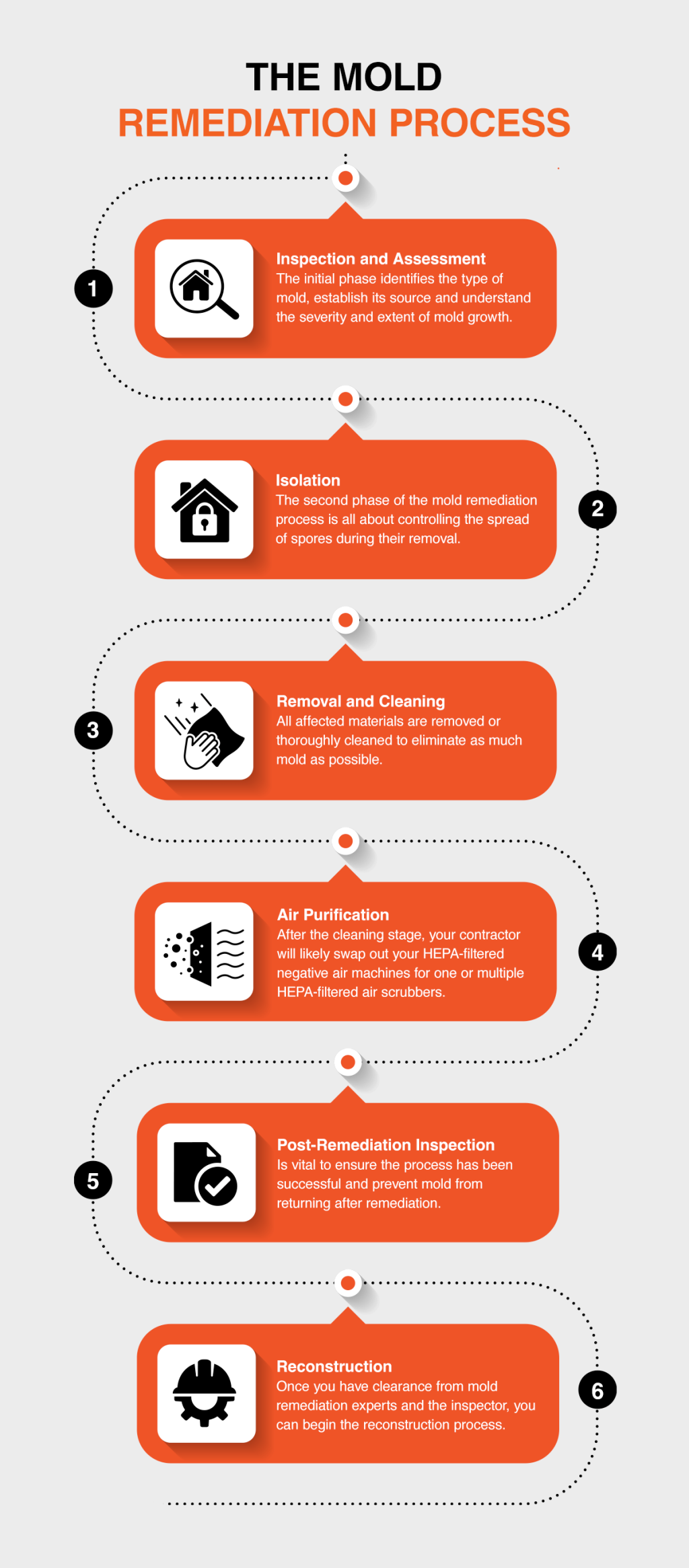
The Professional Remediation Process Explained
Professional remediators in the Pottstown area generally follow the IICRC S520 Standard, which is the gold standard for professional mold remediation. This ensures that the work is performed safely and that spores are not cross-contaminated into clean areas of the home.
Step 1: Inspection and Moisture Mapping
The process begins with a thorough assessment. Professionals use infrared cameras (thermography) and moisture meters to find "hidden" water behind drywall or under flooring. In Pottstown’s older brick homes, this step is crucial for identifying if the mold is caused by a roof leak, a plumbing failure, or rising dampness from the foundation.
Step 2: Containment and Negative Air Pressure
Before any cleaning begins, the affected area must be isolated. Remediators use 6-mil polyethylene sheeting to create a physical barrier. To ensure spores do not escape when the door is opened, they use negative air machines equipped with HEPA (High-Efficiency Particulate Air) filters. These machines pull air from the containment zone and exhaust it outside, creating a vacuum effect that keeps contaminants trapped.
Step 3: Air Filtration
Air scrubbers are deployed within the containment zone. These units continuously cycle the air through multiple stages of filtration, capturing microscopic mold spores that have become airborne during the disturbance of the growth.
Step 4: Removal of Impacted Materials
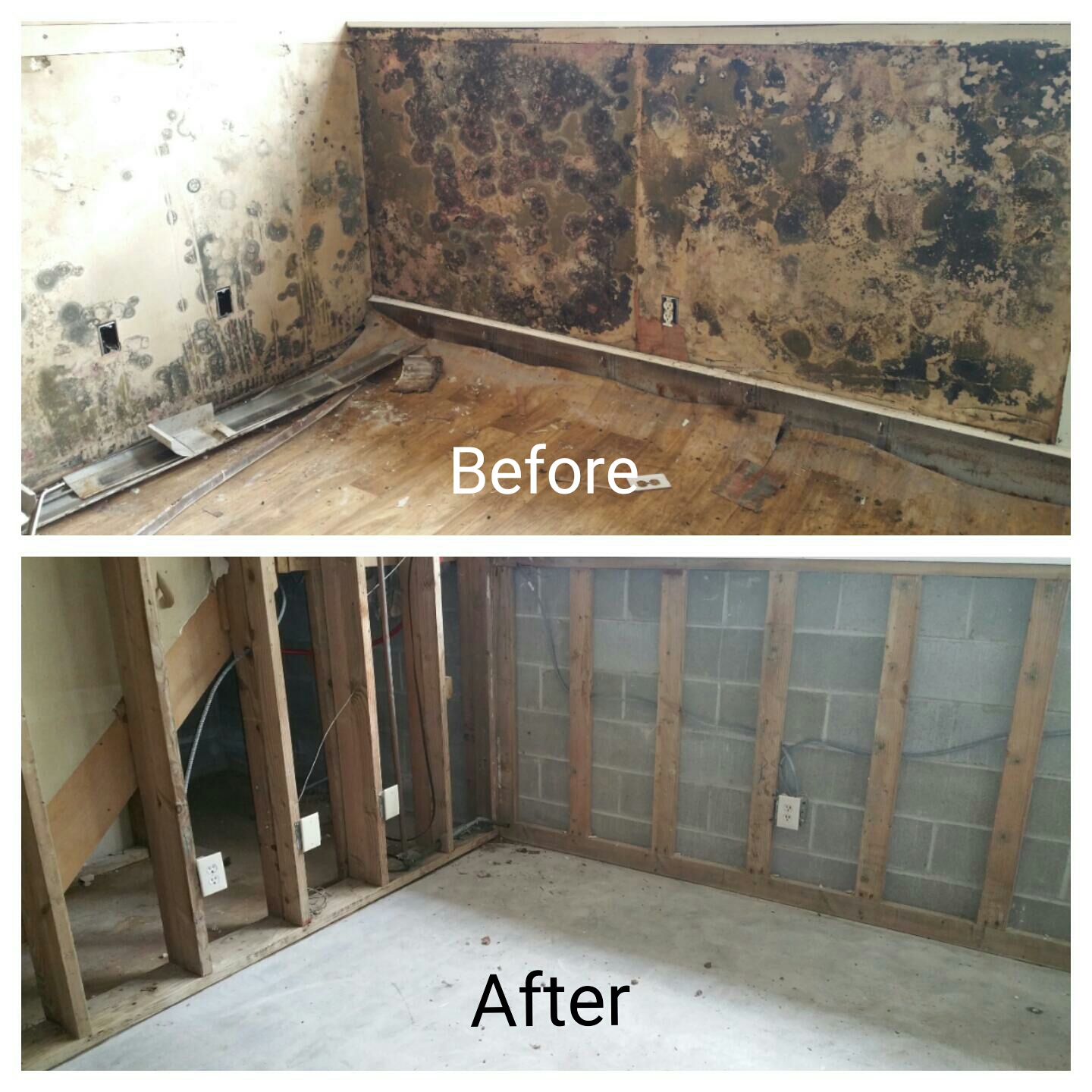
Mold cannot be effectively "cleaned" off porous materials like drywall, insulation, or thin carpeting. These items must be carefully removed, bagged, and disposed of. Non-porous materials (like metal or glass) and semi-porous materials (like solid wood framing) are cleaned using HEPA vacuuming and antimicrobial scrubbing.
Step 5: Post-Remediation Verification (PRV)
Once the cleaning is complete, the area is dried using industrial-grade dehumidifiers. A third-party environmental consultant may then perform "clearance testing." This involves air sampling to verify that the mold spore count has returned to safe, acceptable levels before the containment is removed and reconstruction begins.
Cost Considerations for 2026
The cost of mold remediation in Pottstown varies significantly based on the square footage involved and the accessibility of the area (e.g., a tight crawlspace vs. an open attic). In 2026, local labor rates and disposal fees influence the final quote.
| Project Type | Average Scope | Estimated Cost Range (2026) |
|---|---|---|
| Small Localized Area | Bathroom or closet (under 10 sq. ft.) | $500 – $1,500 |
| Attic Remediation | Standard 1,500 sq. ft. home attic | $2,500 – $5,000 |
| Basement Remediation | Full basement with minor demolition | $3,500 – $7,000 |
| Crawlspace Encapsulation | Full remediation plus vapor barrier | $5,000 – $12,000 |
| Whole-Home Remediation | Extensive growth due to flooding/long-term neglect | $10,000 – $25,000+ |
Note: These figures are estimates based on typical 2026 market rates in Montgomery County. Costs may increase if structural repairs or extensive HVAC duct cleaning are required.
Health and Safety Implications
Living in a home with active mold growth in Pottstown poses several risks. The most common issues are respiratory. According to the Environmental Protection Agency (EPA), mold can trigger asthma attacks and cause allergic reactions such as sneezing, runny nose, red eyes, and skin rash.
In more severe cases, certain molds produce mycotoxins, which can lead to more serious neurological or systemic health issues. Because Pottstown residents often spend significant time indoors during the humid summer months and the cold winter season, the cumulative exposure to indoor air contaminants can be significant. It is highly recommended that individuals with compromised immune systems or chronic respiratory conditions avoid areas with known mold growth until remediation is complete.
Selecting a Remediation Professional in Pottstown
Pennsylvania does not currently require a specific state-level "Mold License" (as of 2026), but all contractors must be registered with the Pennsylvania Office of Attorney General under the Home Improvement Consumer Protection Act (HICPA).
When vetting a company for work in Pottstown, look for the following credentials:
- IICRC Certification: Specifically the WRT (Water Restoration Technician) and AMRT (Applied Microbial Remediation Technician) designations.
- Pollution Liability Insurance: Standard general liability insurance often excludes mold. A professional remediator should have specific coverage for mold-related work.
- Local Experience: A company familiar with the specific construction styles of Pottstown (such as the Victorian homes in the High Street area) will better understand how to navigate older building materials safely.
Prevention: Keeping Your Property Mold-Free
Once remediation is complete, the "explained" part of the process must include a focus on prevention. If the moisture source is not corrected, the mold will return.
- Humidity Control: Maintain indoor relative humidity below 50%. In Pottstown’s climate, this almost always requires a high-capacity basement dehumidifier.
- Gutter Maintenance: Ensure gutters are clear and downspouts discharge at least 6 to 10 feet away from the foundation.
- Proper Ventilation: Ensure that bathroom fans and dryer vents exhaust directly to the exterior, not into the attic or crawlspace.
- Sump Pump Reliability: Given the local water table, a sump pump with a battery backup is a critical investment for most Pottstown basements.
Frequently Asked Questions
Can I just use bleach to kill the mold?
No. Bleach is not recommended for mold remediation on porous surfaces. While it may change the color of the mold on the surface, its high water content can actually soak into the material, providing more moisture for the mold roots (hyphae) to grow deeper. Professional remediators use EPA-registered antimicrobials that are specifically designed to penetrate surfaces and kill the fungal structure.
How long does the remediation process take?
Most residential projects in Pottstown are completed within 3 to 5 days. This timeframe allows for the necessary set-up of containment, the physical cleaning process, and the mandatory drying time required to ensure moisture levels in the wood framing are below 15%.
Does homeowners insurance cover mold remediation?
In many cases, mold is only covered if it is the result of a "sudden and accidental" peril, such as a pipe burst. Mold resulting from long-term seepage, high humidity, or lack of maintenance is typically excluded from standard policies. Homeowners should review their specific policy for a "Mold Limitation" or "Fungi/Bacteria" rider.
Is professional mold testing necessary before starting?
While not always legally required, a pre-remediation mold test provides a baseline. This is especially helpful if there is a dispute with a landlord or an insurance company, or if a resident is experiencing unexplained health symptoms. Testing identifies the species of mold and the concentration of spores in the air.
What is the difference between mold and mildew?
Mildew is a term often used to describe early-stage mold or mold that grows in a flat pattern on surfaces like shower tiles. In the context of remediation, they are both fungi that require moisture to grow. Professional remediation treats both with the same level of caution regarding air quality and containment.
Next Steps for Pottstown Residents
If you suspect mold in your Pottstown home, the first action should be to identify the moisture source. Check for leaking pipes, roof gaps, or foundation cracks. If the growth covers more than 10 square feet, the EPA recommends hiring a professional to ensure the cleanup is handled safely. Contact a certified remediation specialist to perform a detailed inspection and provide a written scope of work tailored to the specific construction of your property.
Image Gallery