Is Fish Oil Good for Women? Health Benefits, Dosage, and Expert Guidelines for 2026
Fish oil is a potent source of Omega-3 fatty acids that provides significant health benefits for women across all life stages. From supporting cardiovascular health and reducing menstrual pain to promoting fetal brain development durin...
Fish oil is a potent source of Omega-3 fatty acids that provides significant health benefits for women across all life stages. From supporting cardiovascular health and reducing menstrual pain to promoting fetal brain development during pregnancy and preserving bone density in menopause, fish oil acts as a foundational supplement for long-term physiological wellness.
Contents
Understanding Omega-3s: The Foundation of Fish Oil
To understand why fish oil is beneficial, one must look at its primary components: Eicosapentaenoic acid (EPA) and Docosahexaenoic acid (DHA). These are long-chain Omega-3 polyunsaturated fatty acids. While some Omega-3s can be found in plant sources like flaxseeds (Alpha-linolenic acid or ALA), the human body is notoriously inefficient at converting ALA into the usable EPA and DHA forms required for cellular function.
In 2026, nutritional science continues to emphasize the importance of these fatty acids because they are integral parts of cell membranes throughout the body and affect the function of the cell receptors in these membranes. They provide the starting point for making hormones that regulate blood clotting, contraction and relaxation of artery walls, and inflammation. For women, whose biological systems undergo significant hormonal shifts throughout their lives, maintaining the integrity of these cellular processes is vital.
The modern diet often features an imbalance of Omega-6 to Omega-3 fatty acids, frequently reaching ratios of 15:1 or higher, whereas a ratio closer to 2:1 or 4:1 is considered optimal for suppressing chronic inflammation. Supplementing with fish oil helps correct this imbalance, providing a systemic anti-inflammatory effect that targets multiple female-specific health concerns.
Key Benefits of Fish Oil Specific to Women’s Health
Cardiovascular Health and Stroke Prevention
Heart disease remains a leading health concern for women, particularly as they transition into post-menopause and lose the protective effects of estrogen. Fish oil has been extensively studied for its ability to lower triglycerides, which are fats in the blood that, when elevated, increase the risk of coronary artery disease.
Research curated by the American Heart Association indicates that Omega-3s can slightly lower blood pressure, reduce blood clotting, and decrease the risk of strokes and heart failure. For women, EPA and DHA help maintain the elasticity of the blood vessels (vascular compliance), ensuring that the circulatory system can handle the stresses of aging and hormonal fluctuations effectively.
Hormonal Balance and Menstrual Comfort
One of the most immediate benefits many women experience from fish oil is a reduction in menstrual distress. Primary dysmenorrhea (painful periods) is caused by the overproduction of prostaglandins, which trigger uterine contractions. EPA and DHA compete with Omega-6 fatty acids to produce less inflammatory prostaglandins, thereby reducing the severity of cramps.
Furthermore, for women dealing with Polycystic Ovary Syndrome (PCOS), fish oil may improve insulin sensitivity and lower androgen levels. By modulating the lipid profile and reducing systemic inflammation, fish oil helps mitigate some of the metabolic side effects associated with hormonal imbalances, such as weight gain and hirsutism.
Bone Density and Osteoporosis Prevention
As women age, the risk of osteoporosis increases significantly. While calcium and Vitamin D are the traditional "bone health" nutrients, Omega-3 fatty acids play a secondary but crucial role. They help increase the amount of calcium the body absorbs and reduce the amount of calcium lost in urine. By inhibiting the activity of osteoclasts (cells that break down bone tissue), fish oil helps maintain bone mineral density, particularly in the hip and lumbar spine.
Mental Health and Cognitive Longevity
Women are statistically more likely to experience depression and anxiety than men. The brain is composed of approximately 60% fat, and a large portion of that is DHA. Low levels of Omega-3s have been linked to an increased risk of mood disorders.
By 2026, the clinical consensus remains strong: Omega-3s can easily travel through the brain cell membrane and interact with mood-related molecules inside the brain. They also have anti-inflammatory actions that may help relieve depression. For aging women, fish oil serves as a neuroprotective agent, potentially slowing the progression of cognitive decline and reducing the risk of neurodegenerative diseases.
Fish Oil During Pregnancy and Postpartum
The demand for Omega-3s, specifically DHA, skyrockets during pregnancy. DHA is a major structural component of the human brain and retina. During the third trimester, the fetus accretes large amounts of DHA to support rapid brain growth and the development of the central nervous system.
- Fetal Development: Supplementation ensures the baby receives adequate nutrients for visual and cognitive development.
- Maternal Well-being: There is evidence suggesting that adequate Omega-3 intake can reduce the risk of preterm birth and may play a role in preventing postpartum depression.
- Breastfeeding: For mothers who breastfeed, continuing fish oil supplementation ensures that the infant continues to receive DHA through breast milk, which is vital for the first six months of life.
However, pregnant women must be cautious about the source of their fish oil. It is imperative to choose supplements that have been molecularly distilled to remove heavy metals like mercury, which can be neurotoxic to a developing fetus.
Choosing the Right Supplement: Purity, Form, and Concentration
Not all fish oil supplements are created equal. When selecting a product in 2026, women should look for third-party certifications such as IFOS (International Fish Oil Standards) to ensure the product is free from environmental contaminants and meets its label claims regarding EPA and DHA content.
| Supplement Form | Description | Bioavailability | Notable Characteristics |
|---|---|---|---|
| Natural Triglyceride | Found naturally in the tissues of oily fish. | High | Least processed; generally lower concentrations of EPA/DHA per pill. |
| Ethyl Esters | Created by reacting fatty acids with ethanol to "concentrate" them. | Moderate | Most common in high-potency supplements; slightly slower absorption rate. |
| Re-esterified Triglycerides | Ethyl esters converted back into triglycerides. | Very High | Premium cost; high concentration with superior absorption. |
| Krill Oil | Omega-3s bound to phospholipids instead of triglycerides. | High | Contains astaxanthin (antioxidant); usually comes in smaller capsules. |
| Cod Liver Oil | Extracted from the liver of cod fish. | High | Contains natural Vitamin A and D; must be careful not to exceed Vitamin A limits. |
The concentration of the oil is often more important than the total size of the capsule. A 1,000mg capsule might only contain 300mg of actual Omega-3s, with the rest being "filler" fats. High-quality supplements will typically provide at least 500mg to 1,000mg of combined EPA/DHA per serving.
Potential Side Effects and Safety Considerations
While fish oil is generally safe, it is not without risks, particularly at high doses (typically over 3,000mg per day).
- Blood Thinning: Fish oil has an anti-platelet effect. Women taking blood-thinning medications like Warfarin or Clopidogrel, or those scheduled for surgery, should consult their physician, as fish oil may increase the risk of bleeding.
- Digestive Issues: The most common side effects are "fishy burps," indigestion, or loose stools. These can often be mitigated by taking the supplement with a meal or choosing enteric-coated capsules that dissolve in the small intestine rather than the stomach.
- Mercury and Toxins: Because fish can accumulate mercury and PCBs (polychlorinated biphenyls) from the ocean, only high-quality, purified oils should be consumed.
- Vitamin A Toxicity: This is specifically a concern with cod liver oil. Excessive Vitamin A can be harmful, particularly during pregnancy.
Note: This information is for educational purposes. Always consult with a healthcare professional before starting a new supplement regimen, especially if you have underlying health conditions or are pregnant.
Recommended Dosage and Timing
For the general female population, a daily intake of 250–500 mg of combined EPA and DHA is sufficient to maintain heart health and prevent deficiency. However, specific conditions may require higher therapeutic doses:
- For high triglycerides: 2,000–4,000 mg per day under medical supervision.
- For menstrual pain: 1,000–2,000 mg per day, ideally started a few days before the period begins.
- For pregnancy: At least 200–300 mg of DHA specifically, in addition to EPA.
Timing: Fish oil is best absorbed when taken with a meal that contains other fats. This triggers the release of digestive enzymes that help break down the oil for better absorption into the bloodstream.
Frequently Asked Questions
Can fish oil help with skin health and acne in women?
Yes, fish oil can improve skin health by managing oil production, boosting hydration, and subduing inflammation. For women with inflammatory acne or conditions like eczema, the EPA in fish oil helps regulate the skin’s barrier function and can reduce the severity of breakouts by inhibiting the inflammatory pathways that lead to clogged pores.
Is krill oil better for women than standard fish oil?
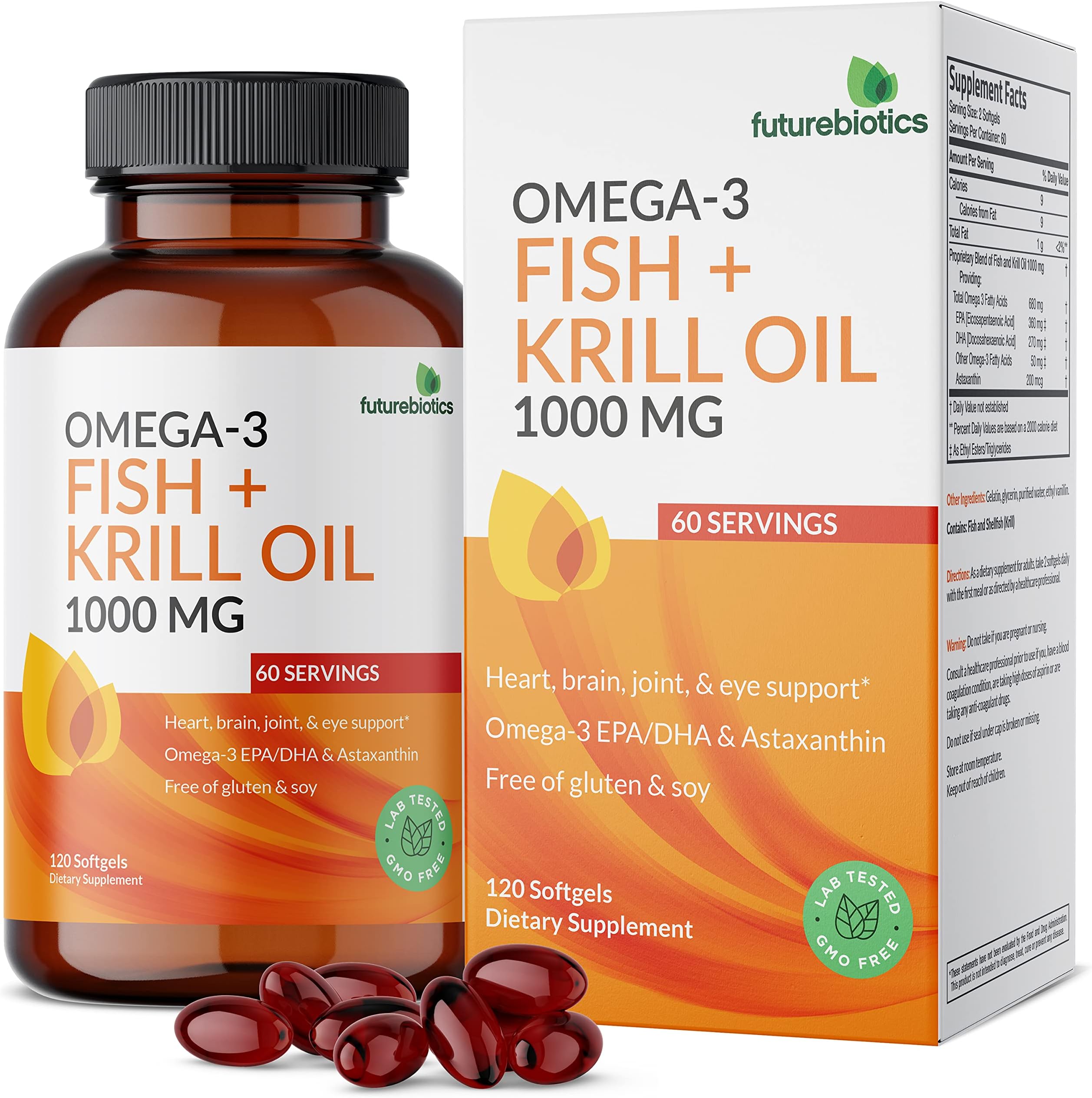
Krill oil is often marketed as superior because its Omega-3s are bound to phospholipids, which may be easier for the body to absorb. Additionally, krill oil contains astaxanthin, a powerful antioxidant. However, krill oil capsules are usually much lower in EPA/DHA concentration than concentrated fish oil, so you may need to take more of them to achieve the same therapeutic benefits.
How long does it take to see the benefits of fish oil?
While some effects, like reduced menstrual cramps, might be noticed within one or two cycles, other benefits like improved mood, heart health, or bone density usually require three to six months of consistent daily use. This is because it takes time for the fatty acid composition of your cell membranes to change.
Should I stop taking fish oil before surgery?
Yes, most surgeons recommend stopping fish oil supplements at least one to two weeks prior to a scheduled surgery. Because fish oil can thin the blood and slightly prolong bleeding time, ceasing use ensures that your blood's natural clotting ability is at its peak during and after the procedure.
Does fish oil cause weight gain?
While fish oil is a fat and contains calories (about 9 calories per gram), the typical dose is only 1–3 grams per day, which is negligible in terms of total caloric intake. In fact, some studies suggest that Omega-3s may help with weight management by improving insulin sensitivity and increasing the rate of fat oxidation during exercise.
Practical Recommendations
To maximize the benefits of fish oil, women should prioritize a "food-first" approach by consuming fatty fish like salmon, sardines, or mackerel twice a week. If dietary intake is insufficient, select a high-quality, third-party tested supplement with a high concentration of EPA and DHA. Look for "Triglyceride" or "Re-esterified Triglyceride" forms for the best absorption. For those who are vegan or have fish allergies, algal oil (derived from algae) is an excellent alternative that provides direct DHA and EPA without the use of fish.
Image Gallery