How Ordinary Whole Life Insurance Works: A Comprehensive Guide
Ordinary whole life insurance is a permanent policy that provides lifelong financial protection while building a cash value component through a fixed, guaranteed schedule. Unlike temporary term insurance, whole life coverage remains ac...
Ordinary whole life insurance is a permanent policy that provides lifelong financial protection while building a cash value component through a fixed, guaranteed schedule. Unlike temporary term insurance, whole life coverage remains active for the insured person's entire life as long as required premiums are paid, combining a guaranteed death benefit with a tax-advantaged savings vehicle.
Contents
Understanding the Foundation of Ordinary Whole Life Insurance
Ordinary whole life insurance, frequently referred to simply as straight life or traditional whole life, stands as the cornerstone of permanent life insurance products. At its core, the policy is designed to achieve two distinct objectives simultaneously: it creates a guaranteed pool of money paid out to beneficiaries upon the insured's death, and it establishes a forced savings account—known as cash value—that grows steadily over time.
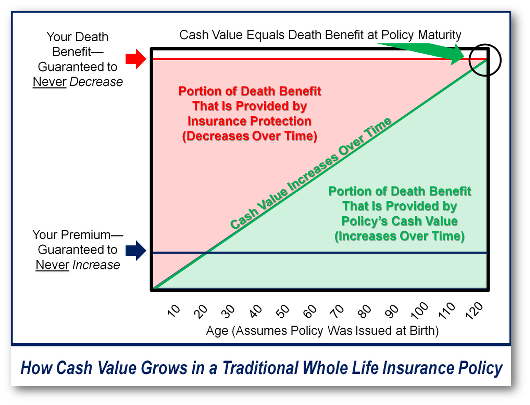
Understanding this dual mechanism requires looking at how insurers pool risk and manage long-term capital. When an individual purchases an ordinary whole life policy, they enter a contract with an insurance company. The primary contract terms remain rigid and predictable throughout the life of the insured. Premiums are fixed at inception, meaning a 30-year-old policyholder pays the exact same annual or monthly premium when they are 80 years old, assuming the policy is structured properly and no changes are made.
This predictability contrasts sharply with term life insurance, which increases in cost exponentially as the insured ages and the risk of mortality rises. To balance the math of charging a young person the same rate they would pay as an older adult, the insurance company collects higher-than-necessary premiums during the early years of the policy. This excess capital is deposited into the insurer's general reserve fund, where it is invested conservatively—typically in high-grade corporate bonds, government securities, and mortgages—to earn interest and back the cash value guarantees.
The Mechanics of the Cash Value Component
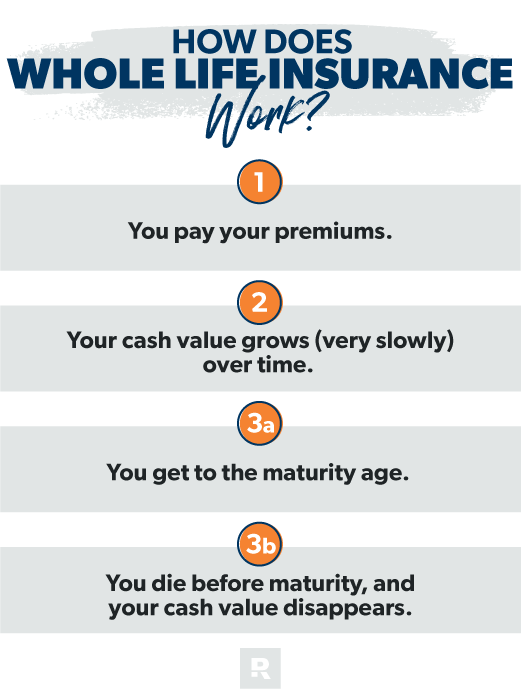
The cash value is the defining feature that separates ordinary whole life insurance from term policies. It is not an arbitrary investment account; rather, it is a legally mandated reserve owned by the policyholder that grows according to a schedule defined in the policy contract from day one.
As premiums are paid, a portion covers the actual cost of insurance (the mortality charge), a portion covers administrative fees, and the remainder is credited directly to the policy's cash value account. This cash value grows on a tax-deferred basis, meaning the policyholder does not pay income taxes on the interest or dividends credited to the account as long as the policy remains active.
Guaranteed Growth and Dividends
Most ordinary whole life policies are issued by mutual insurance companies, which are owned by the policyholders rather than outside shareholders. When these mutual companies experience favorable financial results—such as lower-than-expected mortality rates, lower operating expenses, or higher investment yields than anticipated—they return a portion of the surplus to policyholders in the form of dividends.
While dividends are never legally guaranteed, many prominent mutual insurers possess long, unbroken histories of paying dividends annually for over a century. Policyholders typically have several options for how to deploy these dividends:
- Take them in cash: A direct payout sent via check or electronic deposit.
- Reduce premiums: Apply the dividend toward the upcoming premium payment.
- Buy paid-up additions: Purchase small increments of additional permanent insurance, which simultaneously increases the overall death benefit and accelerates future cash value growth.
- Accumulate at interest: Leave the dividends with the insurer to earn a stated rate of interest.
Premium Structures and Payment Periods
The term "ordinary" in ordinary whole life specifically denotes a structure where premiums are payable across the entire lifetime of the insured—typically up to age 100 or 121, depending on modern mortality tables and contract specifications. However, variations exist to accommodate different financial planning horizons.
| Policy Type | Premium Payment Period | Primary Objective | Cash Value Accumulation |
|---|---|---|---|
| Straight Life (Ordinary) | Lifelong (to age 100/121) | Maximum lifelong protection at the lowest permanent cost point. | Steady, long-term compounding growth. |
| Limited-Pay Life | Specific timeframe (e.g., 10, 20 years, or to age 65) | Heavy front-loaded funding for retirement or estate planning. | Accelerated growth due to higher initial premium inflows. |
| Single Premium Life | One lump sum at purchase | Immediate cash value establishment and legacy creation. | Maximum immediate cash value relative to death benefit. |
Limited-pay policies require higher annual premiums because the total lifetime cost of the policy must be compressed into a shorter window, such as 10 or 20 years. Once that period ends, the policy is considered "paid up," requiring no further out-of-pocket premium payments while continuing to provide lifelong coverage and ongoing cash value growth.
Accessing Cash Value: Loans and Withdrawals
One of the most versatile aspects of ordinary whole life insurance is the policyholder's ability to access the accumulated cash value while the insured person is still alive. This access serves as a financial safety net, though it must be managed carefully to avoid unintended tax consequences or policy lapses.
Policy Loans
Policyholders can borrow against their cash value by taking a loan directly from the insurance company. The insurance company uses the cash value as collateral for the loan. Because the loan is secured by the policy's own reserves, approval is guaranteed, and no credit checks or formal underwriting are required.
Interest is charged by the insurer on the borrowed amount, but the cash value left inside the policy continues to earn interest and dividends as if the loan had never been taken (though some insurers use a "direct recognition" method that adjusts the dividend rate paid on the borrowed portion). If the insured dies with an outstanding loan balance, the insurer simply deducts the remaining loan principal plus accrued interest directly from the death benefit paid to the beneficiaries.
Withdrawals (Surrenders)
Policyholders can also make direct withdrawals of their cash value. Unlike loans, withdrawals generally cannot be paid back into the policy. Withdrawals are typically treated on a "cost recovery" basis up to the total amount of premiums paid (the cost basis), meaning they are generally income-tax-free. Any withdrawal amount exceeding the total premiums paid is considered taxable income.
Caution: Taking excessive loans or withdrawals can reduce the net cash value to a point where it is no longer sufficient to cover the monthly cost of insurance and administrative fees. If the cash value drops to zero, the policy can lapse, which may trigger a massive, unexpected tax liability if the outstanding loan balance exceeds the policy's cost basis.
Advantages and Disadvantages of Ordinary Whole Life Insurance
Evaluating whether ordinary whole life insurance is appropriate requires weighing its structural strengths against its financial constraints.
The Advantages
- Lifelong Security: The policy cannot be canceled by the insurer due to advancing age or deteriorating health, provided premiums are paid.
- Guaranteed Accumulation: Cash value grows on a predictable, contractual schedule independent of stock market volatility.
- Tax Advantages: Growth is tax-deferred, and policy loans can often be accessed tax-free.
- Estate Planning Utility: The death benefit is generally paid to named beneficiaries free of federal income taxes.
The Disadvantages
- Higher Initial Cost: Premiums are significantly higher than term insurance for the same amount of death benefit, making it unaffordable for some consumers seeking maximum immediate coverage on a tight budget.
- Lower Early Liquidity: Due to high initial administrative costs and commissions, the cash value in the first few years of the policy is often very low or non-existent if the policy is surrendered early.
- Opportunity Cost: The conservative investment yield of whole life cash value typically lags behind the long-term historical returns of direct equity investments like index funds or mutual funds.
Frequently Asked Questions
What happens if I stop paying premiums on an ordinary whole life policy?
If you stop paying premiums, the policy does not immediately become worthless because of the accumulated cash value. You typically have non-forfeiture options: you can take a reduced paid-up policy with a lower death benefit, convert the cash value into extended term insurance for a limited duration, or surrender the policy entirely for its remaining cash surrender value.
Are the death benefits from a whole life policy subject to income tax?
Generally, life insurance death benefits paid to a named beneficiary are entirely free from federal income taxes. However, the proceeds may be subject to federal estate taxes if the insured person owned the policy at the time of death and their total estate exceeds statutory exemption thresholds.
Can my whole life insurance premiums ever increase?
No. For a standard ordinary whole life insurance policy, the premium is level and guaranteed for the life of the contract. The insurance company cannot raise your rates simply because you are older or have developed health complications.
How is whole life insurance different from universal life insurance?
Whole life insurance offers guaranteed premiums, guaranteed cash value growth, and a guaranteed death benefit. Universal life insurance is a type of permanent insurance that offers flexible premiums and adjustable death benefits, but its cash value growth is tied to fluctuating interest rates or equity indices, introducing more financial risk.
Next Actions for Prospective Policyholders
Before purchasing an ordinary whole life insurance policy, conduct a thorough personal financial assessment to determine your long-term goals. If your primary objective is replacing income for young dependents during your working years, a combination of term insurance may be more cost-effective. However, if you require permanent estate liquidity, desire guaranteed cash accumulation, or have exhausted traditional tax-advantaged retirement accounts, consult with an independent fiduciary financial advisor or a licensed insurance professional to review specific policy illustrations from top-rated mutual insurance carriers.
Image Gallery