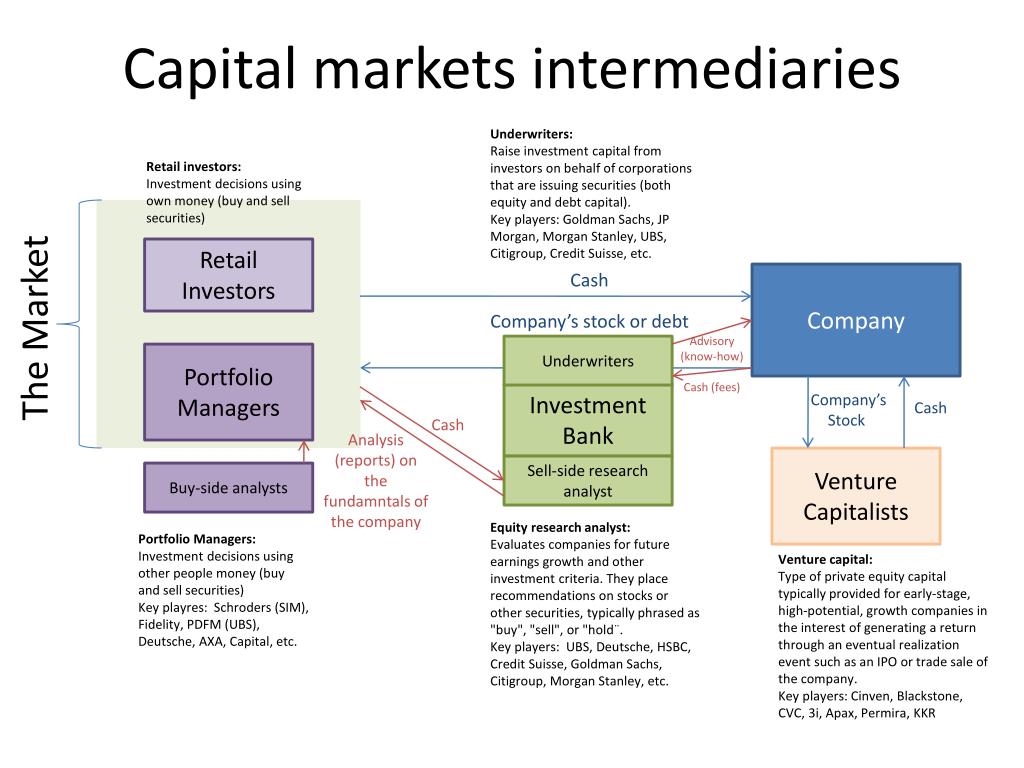
Understanding the PIPE Offering in Capital Markets
A Private Investment in Public Equity (PIPE) is a capital-raising mechanism where a public company sells restricted securities—typically common stock or preferred shares—directly to a select group of accredited or institutional investo...
A Private Investment in Public Equity (PIPE) is a capital-raising mechanism where a public company sells restricted securities—typically common stock or preferred shares—directly to a select group of accredited or institutional investors. This method bypasses the regulatory rigors and time-intensive nature of traditional public offerings, providing companies with essential liquidity while offering investors opportunities to acquire stakes at potentially discounted valuations.
Contents
The Mechanics of PIPE Offerings
In the landscape of capital markets, companies occasionally require capital rapidly without the administrative burden, long lead times, or market volatility associated with a secondary public offering registered with the Securities and Exchange Commission (SEC). The PIPE offering serves as a tactical bridge.
The process begins when a publicly traded company initiates discussions with institutional investors, such as hedge funds, private equity firms, or mutual funds. Unlike a public offering, where the general public is invited to purchase shares via an underwriter, a PIPE is negotiated privately. Because the securities being issued have not been registered with the SEC at the time of sale, they are considered "restricted." Consequently, the issuing company must file a registration statement with the SEC shortly after the transaction closes, allowing these investors to eventually resell their shares in the public market.
There are two primary structural variations of PIPE offerings:
- Traditional PIPEs: The company issues common or preferred stock at a set price. The investors receive these securities in exchange for capital. These are straightforward and generally preferred by issuers who want to avoid complex equity derivatives.
- Structured PIPEs: These involve the issuance of convertible debt or convertible preferred stock. These instruments often include features such as warrants or "reset" clauses, which adjust the conversion price if the company’s stock price falls below a certain threshold. While these provide the issuer with immediate cash, they can be more dilutive to existing shareholders if conversion triggers are met under unfavorable market conditions.
Strategic Drivers for Issuers
Public companies rarely choose a PIPE as their first option. It is typically a solution for entities that need capital to fund immediate expansion, complete an acquisition, or strengthen their balance sheet to meet debt covenants. The primary drivers include:
- Speed of Execution: A PIPE can often be finalized and funded in weeks, whereas a standard follow-on offering might take months of preparation, roadshows, and regulatory review.
- Reduced Costs: Because the offering is marketed to a limited group of institutional investors, companies avoid the massive underwriting fees and marketing expenditures associated with public offerings.
- Privacy and Reduced Volatility: By keeping the fundraising process private until the definitive agreement is signed, the company minimizes the "market noise" that can sometimes cause a stock price to drop in anticipation of share dilution.
Investor Considerations and Risks
For institutional investors, the PIPE market is attractive because it offers a mechanism to acquire a significant block of shares, often at a discount to the current market price. This discount compensates investors for the illiquidity of the shares during the period between the closing of the deal and the SEC registration of the resale.
However, investors must conduct rigorous due diligence. Because the company is turning to a PIPE, it may be signaling that it has exhausted traditional credit lines or that it needs capital to prevent a liquidity crunch. Key risks include:
- Illiquidity Risk: During the registration period, the shares cannot be traded. If the company’s fundamentals deteriorate during this time, the investor cannot easily exit the position.
- Dilution: Large injections of new shares can dilute the earnings per share (EPS) for current holders and shift the control dynamics of the board.
- Reset Risks: In structured PIPEs, if the share price drops, the investor may receive significantly more shares upon conversion, further diluting common shareholders and potentially triggering a downward spiral in the stock price.
Comparison of Capital Raising Methods
| Feature | PIPE Offering | Secondary Public Offering | Private Placement (Reg D) |
|---|---|---|---|
| Speed | Fast (2–4 weeks) | Slow (3–6 months) | Variable |
| Costs | Moderate | High (Underwriter fees) | Low |
| Regulatory Burden | Moderate (SEC Resale Req.) | High (Full Prospectus) | Low (Exempt) |
| Investor Base | Institutional / Accredited | Retail and Institutional | Institutional / Accredited |
| Pricing | Usually Discounted | Market Driven | Negotiated |
The Role of SEC Regulations
The legal framework governing PIPEs is primarily rooted in the Securities Act of 1933. Since these shares are not registered initially, they fall under the exemption provided by Section 4(a)(2) or Regulation D, which allows for private offerings.
The SEC maintains a watchful eye on these transactions to ensure they are not used as a back-door mechanism for unregistered distributions. A common point of friction is the "gun-jumping" rule, where the SEC monitors whether a company has engaged in premature marketing that could be construed as a public offer before the private placement is finalized. Furthermore, the SEC requires that the resale registration statement be filed promptly after the closing to ensure the "private" nature of the initial transaction is respected.
Practical Steps for Companies Considering a PIPE
For a corporation looking to utilize a PIPE, the process requires careful preparation to maintain compliance and manage shareholder relations:
- Financial Assessment: Determine the exact capital requirement and identify which class of security (common stock vs. preferred) is most palatable to existing shareholders.
- Selection of Placement Agent: While some PIPEs are executed directly, most utilize an investment bank as a placement agent to identify qualified institutional buyers (QIBs) and negotiate terms.
- Term Sheet Negotiation: Define the price, the registration rights (when the company promises to file the SEC documents), and any anti-dilution protections.
- Board Approval and Disclosure: Once the definitive agreement is signed, the company must file a Form 8-K with the SEC within four business days to disclose the material terms of the agreement.
- Registration: The company moves to file the resale registration statement, fulfilling the contractual obligation to provide liquidity to the new investors.
Frequently Asked Questions
Why would existing shareholders be concerned about a PIPE offering? Existing shareholders often view PIPEs with skepticism because they lead to immediate equity dilution. When new shares are issued, the proportional ownership of existing investors decreases. Furthermore, the "discount" offered to institutional investors can exert downward pressure on the market price of the stock.
Can retail investors participate in a PIPE? Generally, no. PIPE offerings are restricted to "accredited investors" or "qualified institutional buyers." These definitions, established by the SEC, require investors to have a specific level of net worth or institutional capacity to evaluate the risks of private, unregistered securities.
How does a PIPE differ from an IPO? An Initial Public Offering (IPO) is the first time a company sells its stock to the general public, involving extensive regulatory filings and public solicitation. A PIPE is a private transaction involving an already-public company, bypassing the public registration process for the initial sale.
What is a "resale registration statement"? This is a document filed with the SEC by the company following a PIPE. It registers the shares held by the PIPE investors, effectively allowing them to sell those shares in the public market without restriction. It is a mandatory step that turns the restricted, private shares into tradable, public securities.
Are PIPE offerings considered a sign of financial distress? Not necessarily. While companies in financial distress often use PIPEs to secure "rescue financing," many healthy, fast-growing companies utilize PIPEs to fund specific projects—such as a new plant construction or a strategic acquisition—because it is faster and more cost-effective than a traditional public offering.
Recommendation for Further Action
If you are an investor evaluating a company that has announced a PIPE, prioritize reviewing the "Use of Proceeds" section in their latest Form 8-K filing. Understanding whether the capital is intended for growth initiatives or debt servicing is critical to determining the long-term viability of the investment. If you are a company executive considering this route, consult with both legal counsel specialized in securities law and an investment banking firm to ensure the pricing and warrant structures do not inadvertently trigger a negative sentiment cycle among your existing retail shareholder base.
Image Gallery