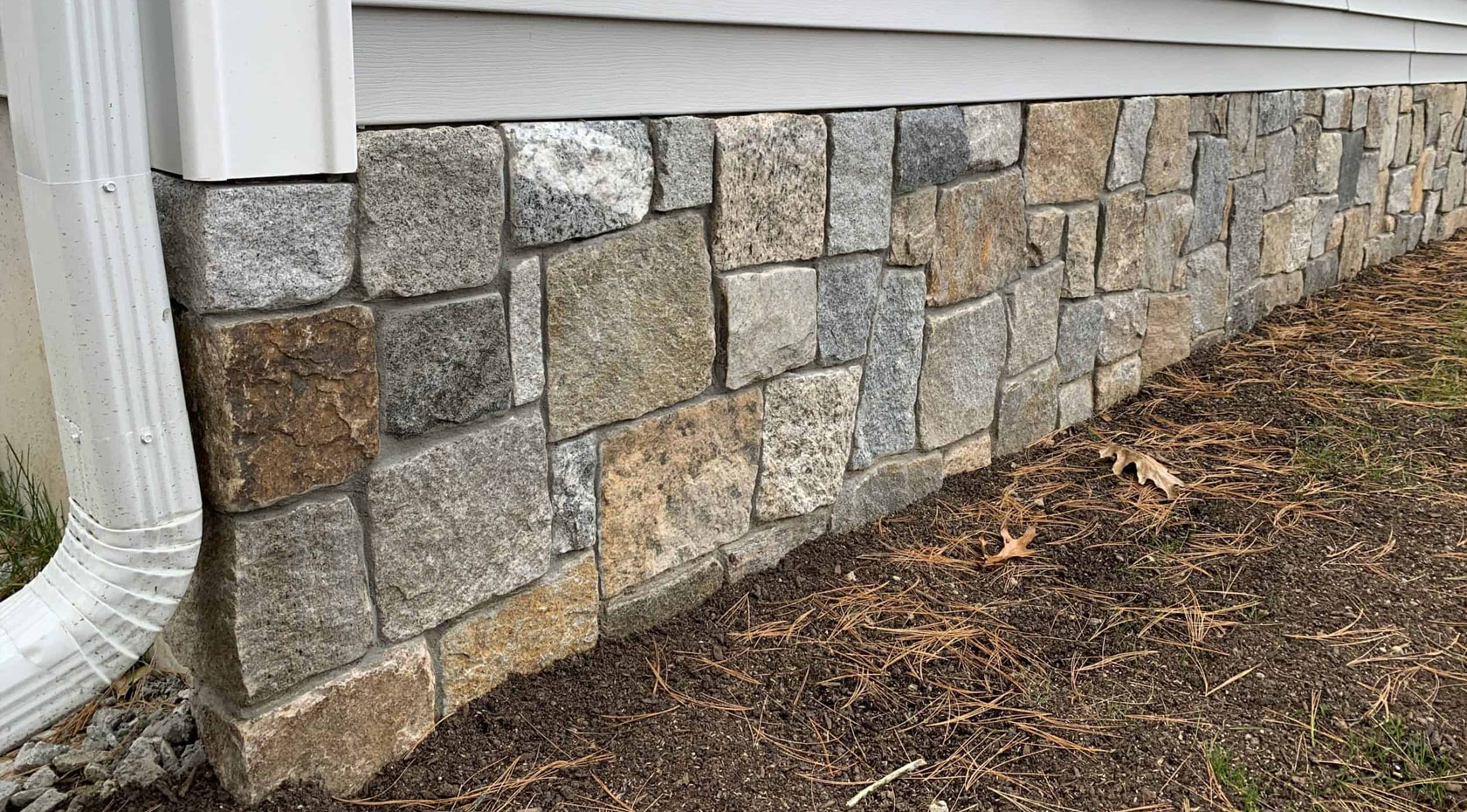
Professional Guide to Loose Stone Foundation Repair
Repairing a loose stone foundation requires a systematic approach to stabilize individual masonry units, restore the integrity of the mortar joints, and ensure the long-term structural health of the building. Success depends on identif...
Repairing a loose stone foundation requires a systematic approach to stabilize individual masonry units, restore the integrity of the mortar joints, and ensure the long-term structural health of the building. Success depends on identifying whether the looseness is a localized cosmetic issue or a sign of systemic failure, such as hydrostatic pressure, soil erosion, or moisture intrusion that requires structural intervention.
Contents
Understanding Stone Foundation Construction
To repair a loose stone foundation, one must first understand how these foundations function. Unlike modern poured-concrete walls, which act as monolithic structures, stone foundations are assemblages of individual rocks held together by lime-based mortar. These walls rely on the weight of the structure above to maintain stability through compression.
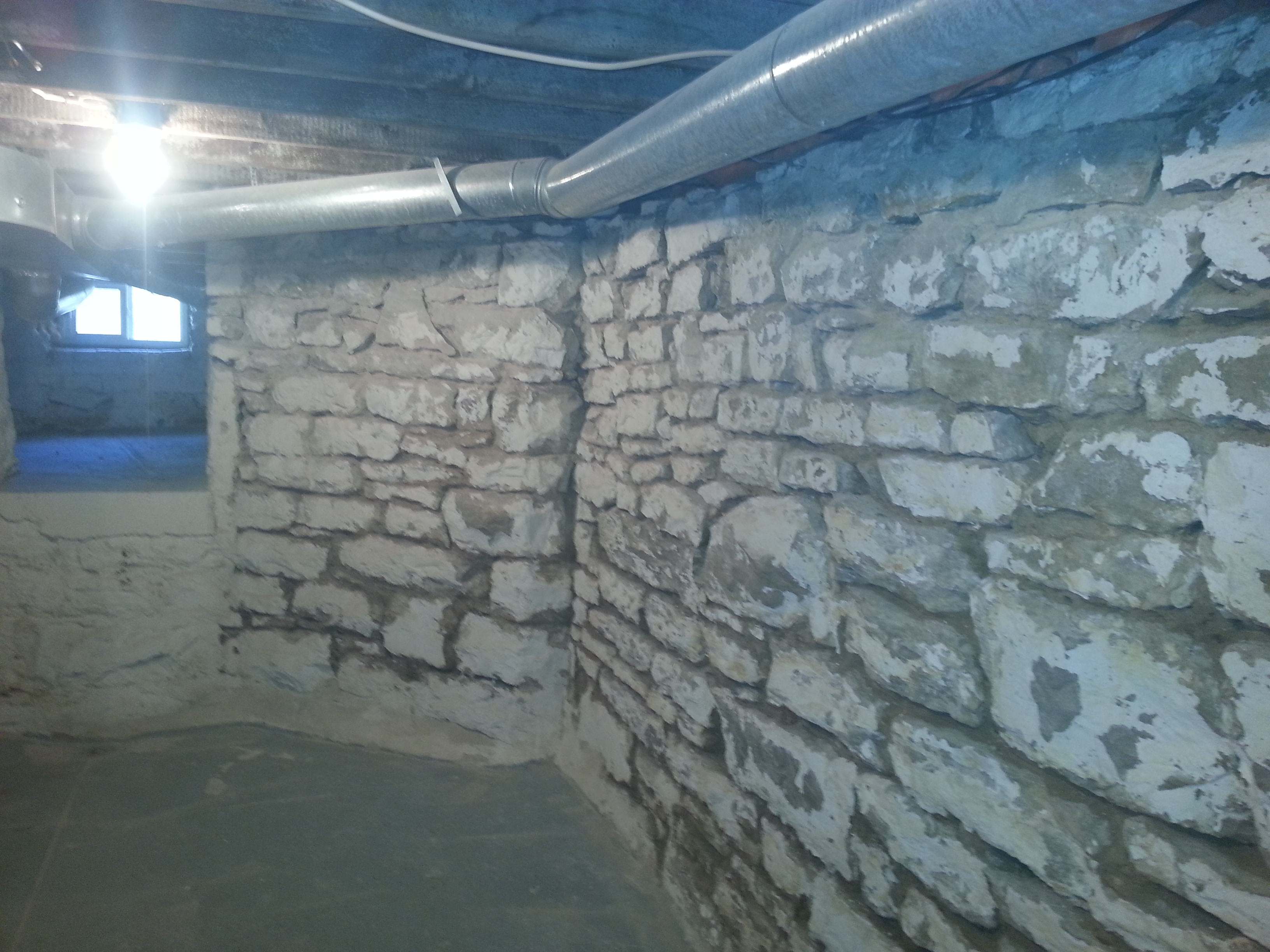
When stones become loose, it is often because the original mortar—typically a soft, breathable lime-mix—has degraded over decades or centuries. Water penetration, freeze-thaw cycles, and the weight of the home eventually cause the mortar to crumble, leaving stones "floating" within the wall. Before beginning any repair, it is critical to determine if the foundation is experiencing movement or settlement. If the wall is bowing, leaning, or showing widening diagonal cracks, you are likely dealing with a geotechnical issue (soil instability) rather than just deteriorating masonry. In such cases, consulting a structural engineer is mandatory before attempting any manual repairs.
Prerequisites and Safety Considerations
Before addressing loose stones, you must evaluate the site for safety. Stone foundations can shift unpredictably if load-bearing stones are removed or disturbed simultaneously.
- Safety Gear: Always wear heavy-duty gloves, safety glasses, and a respirator, as old mortar often contains pulverized limestone, silica, or, in some cases, historical contaminants.
- Structural Assessment: Use a plumb line to check if the foundation is vertical. If the wall is significantly out of plumb, a simple repointing or stone replacement will not suffice.
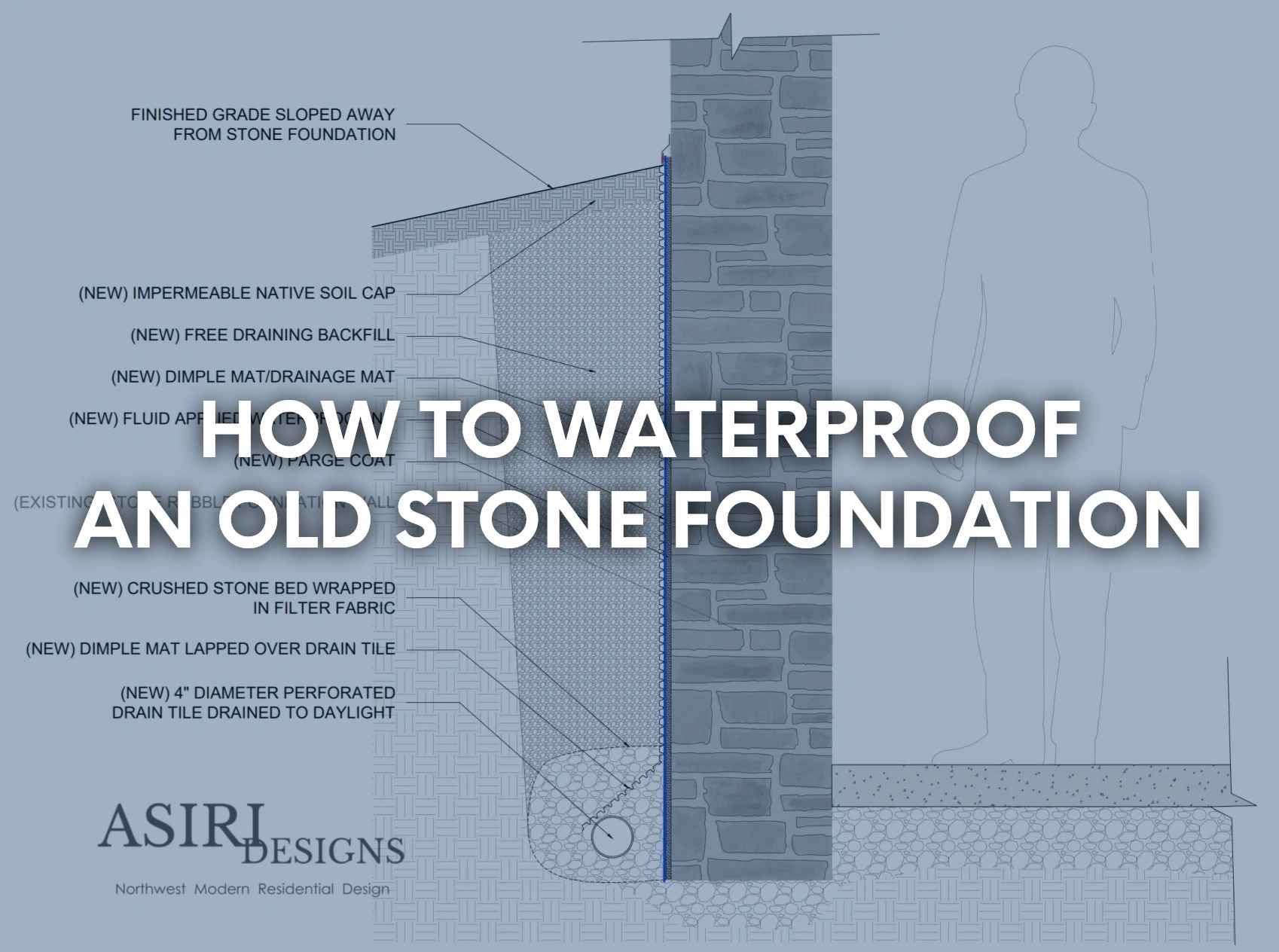
- Moisture Control: Inspect your exterior drainage. Many loose stone foundations are triggered by water pooling against the wall. Extend downspouts at least six to ten feet away from the structure to alleviate hydrostatic pressure.
- Weather Conditions: Mortar work should never be performed when temperatures are below 40°F (4°C) or during heavy rain, as this prevents proper curing and bond strength.
Step-by-Step Repair Process
The repair process varies based on the severity of the looseness. For minor issues, repointing is sufficient; for larger gaps, stone replacement or pinning may be required.
1. Clearing and Preparation
Use a masonry chisel and hammer to gently remove the loose, crumbling mortar from around the loose stones. Do not use power tools such as angle grinders unless you are highly experienced, as they can easily damage the edges of historic stone. Remove debris using a soft brush or compressed air to ensure the new mortar has a clean surface to bond with.
2. Selecting the Right Mortar
Historical stone foundations were almost exclusively built using lime mortar. It is essential to avoid using modern Portland cement for these repairs. Portland cement is too hard and brittle; it traps moisture within the stones, which can cause them to spall (flake or peel) or crack over time. Use a Type O or Type N hydrated lime mortar that matches the permeability and hardness of the original material.
3. Re-setting and Pointing
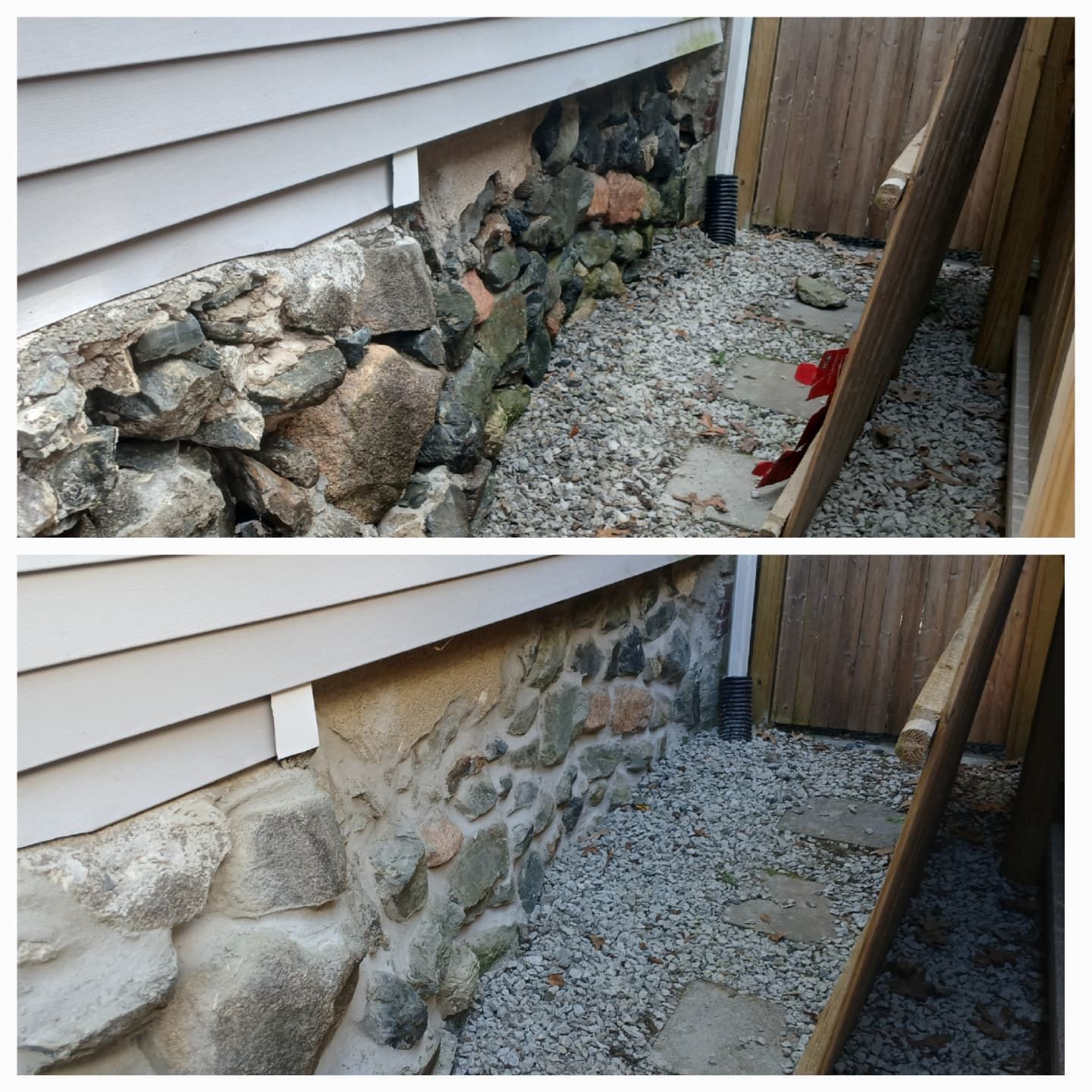
If a stone is completely loose, pull it out carefully, clean the surrounding cavity, and re-embed it using a mortar bed. Once the stone is firm, fill the voids around it with mortar. Pack the mortar into the joints in layers, rather than trying to fill the entire gap at once. This prevents slumping and ensures a dense, water-resistant seal.
Comparative Methods for Foundation Stabilization
| Method | Best Used For | Complexity | Professional Required? |
|---|---|---|---|
| Repointing | Deteriorated mortar joints | Moderate | Optional |
| Stone Replacement | Missing or shattered stones | High | Recommended |
| Wall Pinning | Two-wythe wall separation | High | Mandatory |
| Helical Piers | Active structural settlement | Extreme | Mandatory |
Troubleshooting Common Issues
One of the most common mistakes is attempting to fix a "loose" wall by simply injecting concrete into the holes. This is counterproductive. If you fill a breathable stone wall with non-permeable concrete, you create a "vapor barrier" that forces moisture to travel through the stone faces, leading to rapid deterioration.
Another frequent error is the use of expanding polyurethane foam. While tempting as a "quick fix" for gaps, foam does not provide structural load-bearing support and can mask underlying moisture issues, potentially leading to mold growth or further stone displacement.
If you encounter a stone that is too large or awkwardly shaped to fit back into its original position, do not force it. Use stainless steel masonry shims to provide mechanical support until the mortar cures. Remember that in a stone foundation, the stone itself is the primary structural element; the mortar acts as a cushion to distribute the load evenly.
Frequently Asked Questions
Can I use standard concrete to fix my stone foundation? No. Standard concrete is too rigid for historic stone foundations. It prevents the natural expansion and contraction of the wall and traps moisture, which will likely lead to the stones cracking or the foundation wall failing prematurely. Always use a lime-based mortar compatible with the age of the structure.
How do I know if the wall is collapsing? Look for horizontal cracking, significant bowing (more than two inches), or stair-step cracks that widen as they move up the wall. If you notice these symptoms, the foundation is under active structural stress. Do not attempt to repair this yourself; contact a structural engineer.
Is it normal for a little bit of dirt to be behind the stones? In many older homes, the "backing" of the stone wall is simply compacted soil or rubble. However, if you see daylight through the wall or large amounts of soil falling inward, this indicates a void that needs to be filled to prevent further wall movement.
How long does a stone foundation repair last? When performed using proper lime mortar and addressing exterior drainage, a professional repointing and stone stabilization can last 50 to 100 years. If the source of water intrusion remains, however, the repair may fail within a few seasons.
Should I seal the foundation with a waterproof coating? Avoid applying waterproof paints or sealants to the interior of a stone foundation. These products prevent the wall from "breathing," which causes moisture to build up behind the coating and leads to the stones crumbling from within.
Final Recommendation
For minor repairs—such as replacing a single loose stone or fixing surface mortar cracks—you can proceed using the lime mortar techniques described above. However, if your inspection reveals large gaps, structural bowing, or significant movement, your primary action should be to hire a structural engineer specializing in historic masonry. They can determine if the wall requires underpinning or localized stabilization that goes beyond basic masonry skills. Document your findings with photos throughout the process to track whether the movement is active or historical.
Image Gallery