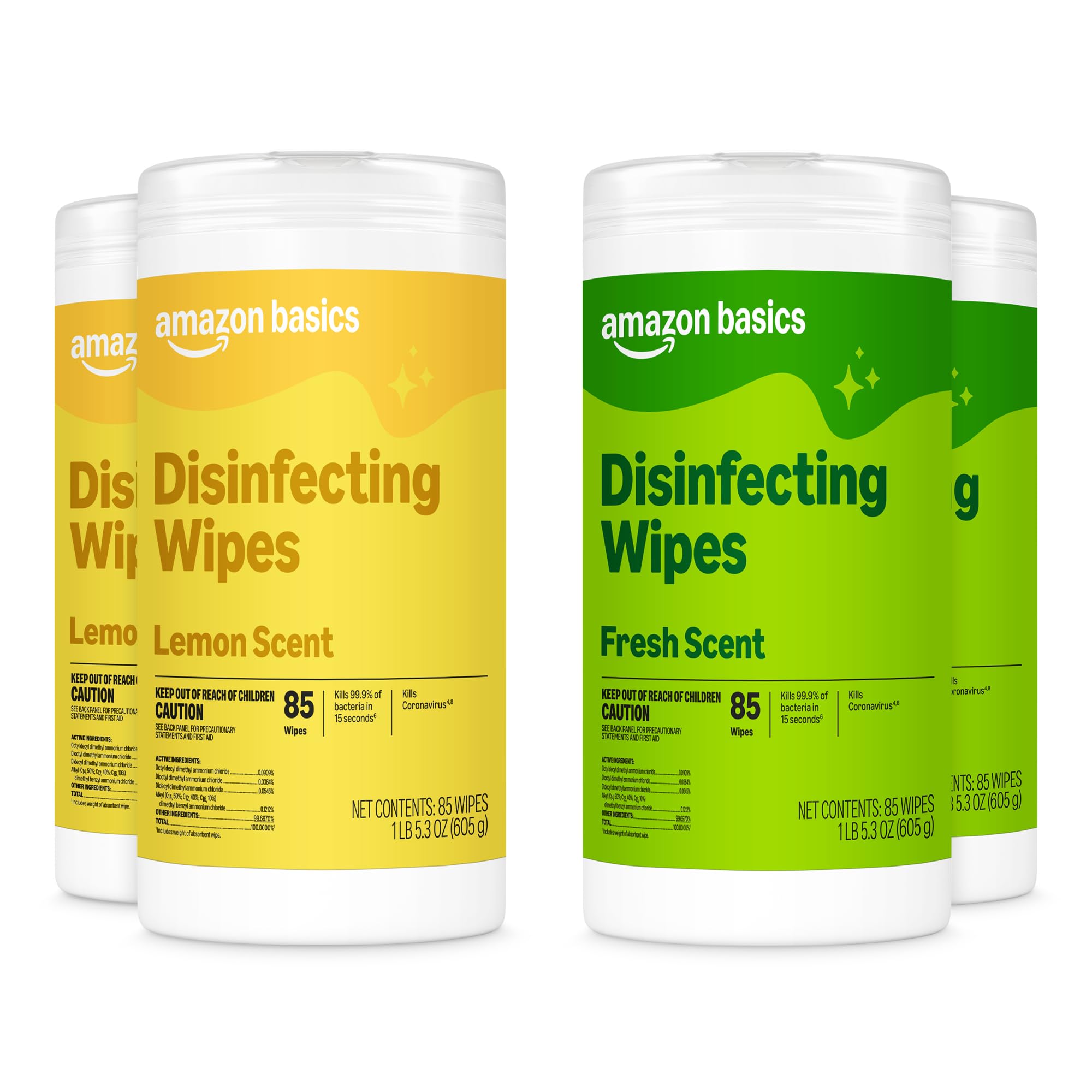
Why Wet Wipes Do Not Kill Norovirus: Science, Disinfection, and Prevention
Standard wet wipes and antibacterial hand wipes do not kill norovirus because they lack the specific chemical agents needed to penetrate the virus's durable protein shell. Norovirus is a non-enveloped virus, making it structurally immu...
Standard wet wipes and antibacterial hand wipes do not kill norovirus because they lack the specific chemical agents needed to penetrate the virus's durable protein shell. Norovirus is a non-enveloped virus, making it structurally immune to the alcohols and quaternary ammonium compounds typically found in consumer cleansing and sanitizing wipes.
Contents
The Biology of Norovirus: Why Common Disinfectants Fail
To understand why everyday wipes fail against norovirus, it is essential to examine the structural differences between viral pathogens. Pathogenic viruses are broadly classified into two biological categories: enveloped viruses and non-enveloped (or naked) viruses.
Enveloped viruses—such as influenza, respiratory syncytial virus (RSV), and coronaviruses—possess an outer lipid membrane derived from the host cell membrane. This lipid layer contains viral glycoproteins necessary for host infection. Because lipids are easily dissolved by lipid solvents like ethanol, isopropanol, and surfactants, common alcohol rubs and standard antibacterial wipes rapidly disrupt the envelope. Once the lipid envelope dissolves, the virus loses its infectivity.
Norovirus belongs to the family Caliciviridae and is a non-enveloped virus. It lacks a lipid membrane entirely. Instead, its viral genetic material (single-stranded RNA) is enclosed within a rigid, highly organized protein shell known as a capsid. The major capsid protein, designated VP1, forms an exceptionally durable structural architecture consisting of 180 molecules assembled into an icosahedral structure.
This protein capsid is inherently resilient to environmental stressors:
- Solvent resistance: It remains completely unaffected by the lipid-dissolving mechanisms of alcohol and detergents.
- pH stability: It survives extreme acidic environments (down to pH 3 or lower), enabling it to easily traverse human gastric acid intact.
- Thermal tolerance: It can withstand temperatures up to 60°C (140°F) for prolonged periods and survives freezing temperatures indefinitely.
- Desiccation resistance: It persists viable on dry, non-porous surfaces such as stainless steel, plastic, and laminate for days to weeks.
Because the capsid requires aggressive denaturing or oxidative disruption to neutralize, consumer wipes formulated for everyday surface cleaning or gentle hand sanitation slide over the virus without altering its functional integrity.
Active Ingredients in Wet Wipes and Their Limitations
Consumers encounter a broad spectrum of pre-moistened wipes on the market, each formulated with distinct chemical classes. None of the standard formulations available in typical retail wet wipes effectively eradicate norovirus.
Common Wipe Active Ingredients vs. Norovirus Efficacy
| Wipe Type / Active Ingredient | Primary Mode of Action | Effective Against Norovirus? | Why It Fails |
|---|---|---|---|
| Alcohol Wipes (60%–70% Ethanol/Isopropanol) | Denatures lipid envelopes; dissolves membrane fats | No (Clinically insufficient) | Cannot penetrate or break apart the non-enveloped protein capsid at standard consumer contact times. |
| Quaternary Ammonium Compounds (Benzalkonium Chloride, BAC/BZK) | Disrupts cytoplasmic membranes and lipid coatings | No | Ineffective against hard-surfaced protein capsids; leaves viral capsid structurally and functionally intact. |
| Personal Baby Wipes (Surfactants, Mild Detergents) | Emulsifies dirt; gentle cleansing of skin oils | No | Designed for mildness; lacks the chemical potency to denature viral proteins. |
| Hydrogen Peroxide (Consumer grade: 0.5%–3%) | Oxidizes cellular and viral components | Variable / No (Unless specifically formulated) | Generic retail wipes usually have insufficient concentration or contact time to destroy norovirus VP1 proteins. |
| Sodium Hypochlorite (Bleach Wipes: ≥1,000–5,000 ppm) | Strong oxidation and irreversible protein denaturation | Yes (EPA List G compliant) | Chemically breaks the peptide bonds of the viral capsid, rendering the genome inert. |
Alcohol-Based Wipes
Alcohol sanitizers and wipes generally contain 60% to 70% ethyl alcohol (ethanol) or isopropyl alcohol. While alcohol disrupts lipid membranes within 15 to 30 seconds, it requires significantly higher concentrations, extended exposure times (frequently exceeding five to ten minutes of continuously wet contact), or specific acidic formulations to produce even a marginal reduction in non-enveloped viruses. In real-world conditions, alcohol wipes evaporate within 30 to 60 seconds, leaving intact, infectious norovirus particles behind.
Quaternary Ammonium Compounds ("Quats")
Most commercial "disinfecting" wipes sold in supermarkets rely on quaternary ammonium compounds, such as alkyl dimethyl benzyl ammonium chloride. Quats are positively charged cationic surfactants that bind to and disrupt negatively charged microbial membranes. While effective against vegetative bacteria (such as Staphylococcus aureus and Escherichia coli) and enveloped viruses, quats are chemically incapable of breaking the strong peptide chains of the norovirus capsid.
Baby Wipes and Facial Cleansing Wipes
Baby wipes contain water, humectants (such as glycerin), and gentle non-ionic surfactants. Their sole function is the mechanical removal of surface soil. They possess zero virucidal or bactericidal claims and leave viral pathogens active on skin and surfaces.
The Danger of Mechanical Spreading
Using standard wet wipes during a norovirus outbreak does not merely fail to kill the pathogen; it actively worsens contamination through mechanical cross-transfer.
When an individual uses an ineffective disinfectant wipe on an infected surface—such as a toilet handle, light switch, or countertop—the wipe picks up a fraction of the viral load. Because the chemical solution does not neutralize the virus, the wipe acts as a vehicle. When the user proceeds to wipe adjacent areas (such as faucets, door handles, or keyboards), the wipe deposits viable viral particles across previously clean surfaces.
This dynamic is particularly dangerous with norovirus due to its exceptionally low infectious dose. Ingestion of as few as 18 to 100 viral particles is sufficient to cause acute gastroenteritis. A single milliliter of vomitus or feces from an infected person can shed up to 1,000,000,000 (one billion) infectious viral particles. Consequently, mechanically transferring an infinitesimal amount of biological residue across a household or institutional environment can infect dozens of individuals.
Proven Methods to Eradicate Norovirus from Surfaces
Neutralizing norovirus on environmental surfaces requires specialized chemical agents capable of irreversible protein denaturation and oxidative destruction. The United States Environmental Protection Agency maintains List G: Antimicrobial Products Registered with the EPA for Effective Use Against Norovirus.
Standard Protocol for Environmental Surface Disinfection
1. Chlorine Bleach (Sodium Hypochlorite)
Household bleach remains the gold standard, low-cost disinfectant against norovirus. Standard household bleach contains approximately 5% to 6% or 7.5% to 8.25% sodium hypochlorite.
- Routine High-Risk Cleaning: A concentration of 1,000 parts per million (ppm) is recommended (roughly 1/3 cup of 5.25% bleach per gallon of water).
- Direct Contamination Incidents (Vomit or Diarrhea): A concentration of 3,500 to 5,000 ppm is required (roughly 2/3 to 3/4 cup of 5.25% bleach per gallon of water, or 1/2 cup of 8.25% bleach per gallon).
- Contact Time: The surface must remain visibly wet with the bleach solution for at least 5 to 10 minutes before air drying or wiping clean with disposable towels.
- Stability Caution: Bleach solutions degrade rapidly when exposed to air and light. Prepare fresh solutions every 24 hours.
2. EPA-Registered List G Commercial Disinfectants
Where bleach cannot be applied due to corrosion risks on sensitive metals or fabrics, facilities should employ disinfectants specifically vetted by regulatory authorities for norovirus efficacy:
- Accelerated Hydrogen Peroxide (AHP): Formulated at higher concentrations (typically 0.5% to 4%) with specialized synergistic surfactants that permit capsid penetration.
- Potassium Peroxymonosulfate: A granular, dry-mix peroxygen system frequently used in medical and veterinary settings.
- Chlorine Dioxide Solutions: Powerful oxidizers utilized in healthcare and industrial sanitation.
Always locate the EPA Registration Number on the product label and cross-reference it against the active List G registry to verify specific contact times, which typically range from 1 to 5 minutes for advanced hospital-grade wipes.
Proper Hand Hygiene: Why Soap and Water Is Non-Negotiable
Just as surface wipes fail on countertops, alcohol-based hand sanitizers and antimicrobial hand wipes fail on human skin during norovirus exposures.
Hand Hygiene Comparison for Norovirus
- Hand Hygiene Technique
- Hand Wipes / Sanitizer
- Chemical Mode:
- No capsid disruption
- Evaporates too fast
- Spreads virus across palms
- INEFFECTIVE (Virus survives)
- Chemical Mode:
- Soap and Running Water
- Physical Mode:
- Emulsifies skin oils
- Mechanically dislodges capsid
- Friction shears viral adhesion
- EFFECTIVE (Down the drain)
- Physical Mode:
- Hand Wipes / Sanitizer
The human skin possesses natural lipids, microscopic fissures, and cellular grooves where viral capsids adhere. Soap does not need to chemically destroy the norovirus capsid to protect the host; rather, it works via mechanical detachment and surfactant emulsification:
- Surfactant Binding: Soap molecules possess a hydrophilic (water-attracting) head and a hydrophobic (oil-attracting) tail. The tails attach to cellular debris, skin oils, and microbial surfaces.
- Friction and Shearing: Vigorously rubbing hands together generates friction that physically breaks the electrostatic and hydrophobic bonds adhering the norovirus capsid to the epidermis.
- Micelle Formation: The soap lifts the viral particles into spherical structures called micelles, suspended in water.
- Mechanical Removal: Continuous rinsing under clean running water physically washes the intact viral units down the drain.
Step-by-Step Handwashing Protocol for Norovirus
- Wet: Moisten hands thoroughly with clean running water (water temperature does not affect microbial removal; comfort facilitates compliance).
- Lather: Apply adequate liquid soap to cover all surface areas of the hands and wrists.
- Scrub: Rub vigorously for a minimum of 20 seconds. Pay explicit attention to:
- The webbed spaces between fingers.
- The backs of both hands and wrists.
- The fingertips and subungual regions (under fingernails, where viral concentration is highest).
- Rinse: Flush all soap and dislodged organic matter thoroughly under clean running water.
- Dry: Dry completely with a clean single-use paper towel. Turn off the faucet using the paper towel to avoid recontaminating cleaned hands.
Cleaning Up Norovirus: A Step-by-Step Decontamination Protocol
When an active norovirus event occurs—such as a family member or employee vomiting or having acute diarrhea—follow this sequence to prevent secondary infections.
Step 1: Personal Protection
Put on disposable nitrile or latex gloves and a protective face mask (or eye protection). Aerosolized viral droplets generated during vomiting can settle on surrounding surfaces or enter the oral cavity.
Step 2: Solid Waste Removal
Never scrub raw biohazards into the carpet or flooring. Cover the entire biohazard with disposable absorbent materials, such as paper towels, disposable rags, or feline pine/absorbent sweeping compound. Gently scoop or wipe the bulk material into a heavy-duty plastic garbage bag.
Step 3: Pre-Cleaning the Area
Surfaces must be physically cleaned before they can be effectively disinfected. Organic material (protein, blood, mucus, fecal matter) neutralizes chlorine and chemical disinfectants. Wash the area thoroughly with hot water and neutral detergent, rinse, and dry with disposable towels.
Step 4: Disinfection Application
Apply an EPA List G disinfectant or a freshly mixed 5,000 ppm chlorine bleach solution. Saturate the contaminated surface and an area extending at least 25 feet beyond the perimeter of the incident, as vomitus droplets travel significant distances. Ensure the surface remains wet for the full manufacturer-mandated dwell time (10 minutes for household bleach solutions).
Step 5: Disposal and Laundering
Seal all contaminated paper towels, gloves, and rags into the plastic disposal bag immediately. For contaminated bedding, clothing, and towels:
- Handle fabrics gently; do not shake them, which disperses viral particles into the air.
- Wash items in a washing machine using the maximum water cycle, heavy-duty detergent, and chlorine bleach (if fabric safe) or an oxygen-based laundry sanitizing agent.
- Dry fabrics on the highest allowable heat setting (minimum 60°C / 140°F) to ensure thermal viral reduction.
Frequently Asked Questions
Do Lysol or Clorox wipes kill norovirus?
Most standard grocery-store retail wipes from Lysol and Clorox do not kill norovirus because they use quaternary ammonium compounds. However, specialized healthcare versions—such as Clorox Healthcare Bleach Germicidal Wipes or specific hydrogen peroxide wipes tested and registered on EPA List G—do kill the virus. Always inspect the active ingredients and EPA registration number on the canister.
Can hand sanitizer work if I use a very high alcohol percentage?
No. Formulations containing up to 80% to 90% alcohol are still inadequate against norovirus under ordinary use conditions. While highly concentrated ethanol shows minor antiviral activity in laboratory studies when applied continuously for several minutes, standard application times (15 to 30 seconds) do not eliminate the virus. Soap and water remains the primary standard for norovirus prevention.
How long does norovirus remain infectious on surfaces?
Norovirus is exceptionally stable in the environment. It can remain fully infectious on hard surfaces (like stainless steel, ceramics, and door handles) for up to two weeks, and on textiles or carpets for more than a month under moderate room temperatures and humidity levels.
Does laundry detergent alone eliminate norovirus on bedding and towels?
Standard detergent alone does not reliably neutralize norovirus. It helps detach the virus mechanically, but hot water cycles and high-heat machine drying are essential to achieve complete viral clearance. When working with white or colorfast fabrics, adding liquid sodium hypochlorite (bleach) to the wash cycle is recommended.
Why do daycares, cruise ships, and schools struggle so much with norovirus containment?
Outbreaks occur rapidly because norovirus has a tiny infectious dose (less than 100 particles), a short incubation period (12 to 48 hours), high environmental persistence, and widespread resistance to common consumer sanitizing wipes. When institutions rely on routine cleaning products instead of certified List G sporicidal or virucidal chemistries, the virus circulates unchecked.
Next Steps for Outbreak Management
To protect households, workplaces, or commercial facilities from norovirus transmission:
- Audit Your Cleaning Inventory: Inspect all current cleaning supplies. Set aside all standard quaternary ammonium wipes and alcohol-based sanitizers for routine, non-enteric cleaning.
- Procure List G Disinfectants: Obtain certified EPA List G disinfectants or store a dedicated, unexpired bottle of regular household bleach with clear dilution instructions on hand.
- Implement Strict Handwashing Mandates: Enforce 20-second mechanical handwashing protocols with soap and warm running water before all food preparation, after restroom visits, and after caring for any symptomatic individual.
Image Gallery