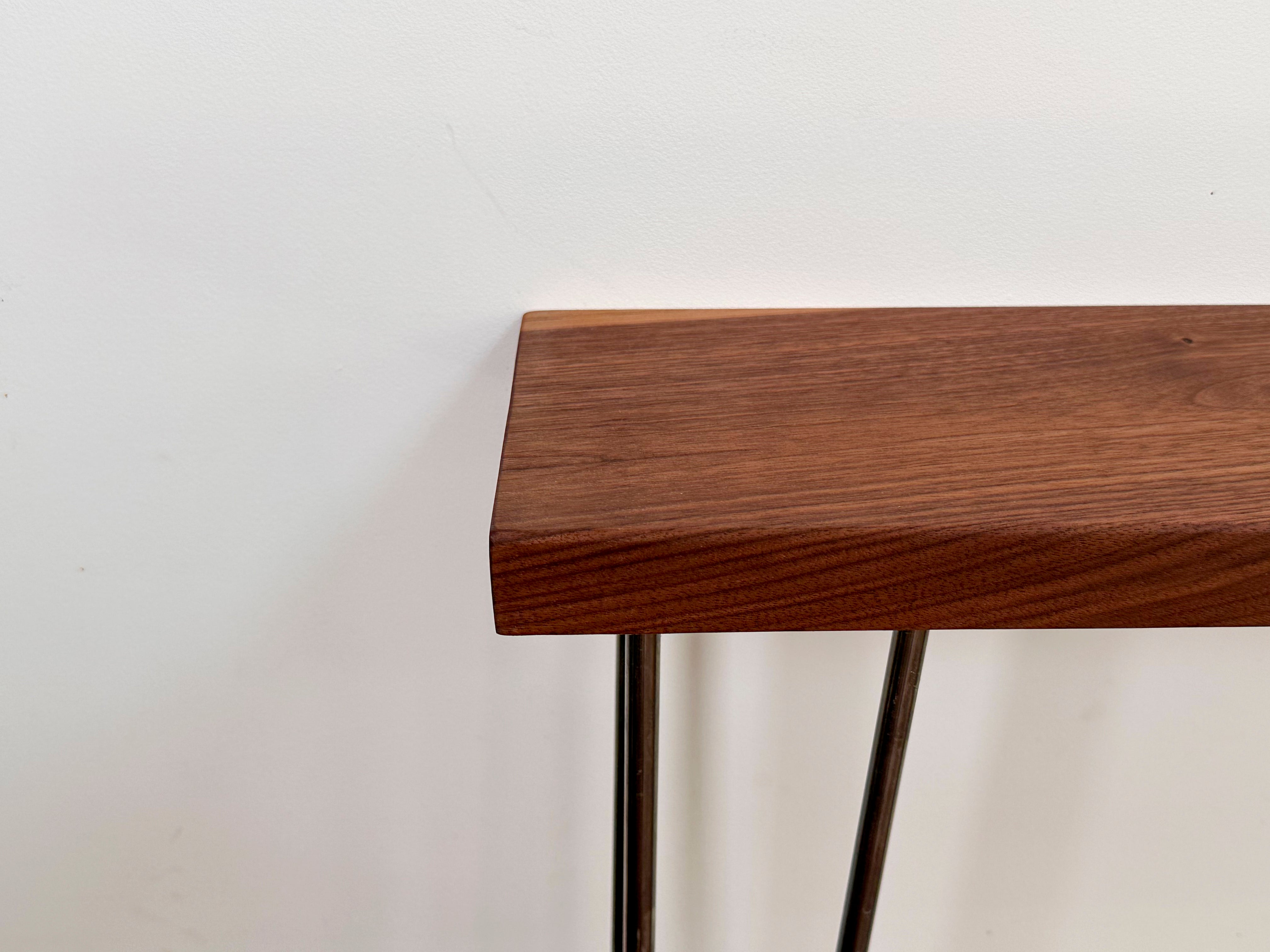
Why a Console Table Fits a Hallway Better Than a Shelf
A console table fits a hallway better than a shelf because it provides a grounded visual anchor, integrated storage, and greater structural stability without damaging walls. Its freestanding nature allows for functional depth and decor...
A console table fits a hallway better than a shelf because it provides a grounded visual anchor, integrated storage, and greater structural stability without damaging walls. Its freestanding nature allows for functional depth and decorative versatility, creating a sophisticated transition zone that floating shelves often fail to achieve in narrow spaces.
Contents
The hallway is frequently the most overlooked area of the home, yet it serves as the vital artery connecting different living zones. When deciding how to furnish this transitional space, homeowners often choose between a console table and wall-mounted shelving. While shelves offer a minimalist profile, the console table remains the superior choice for most residential layouts in 2026. This preference is rooted in architectural psychology, practical utility, and the fundamental principles of interior design.
The Principle of Visual Grounding and Weight
In interior design, "visual weight" refers to the perceived heaviness of an object within a space. Hallways are inherently "light" or "airy" because they lack the substantial furniture found in bedrooms or living rooms. Introducing a wall-mounted shelf can often exacerbate this feeling of instability, making the hallway feel like a mere passageway rather than a curated part of the home.
A console table provides what designers call "grounding." Because the piece has legs that connect to the floor, it creates a complete silhouette that fills the vertical and horizontal planes. This connection to the ground provides a sense of permanence and architectural intent. Without this grounding, a hallway can feel unfinished or "floaty," where items placed on a shelf seem suspended without a logical base.
Furthermore, the legs of a console table offer an opportunity to introduce texture and material. Whether it is the warmth of reclaimed oak, the industrial edge of blackened steel, or the elegance of tapered mid-century legs, these vertical elements break up the monotony of long, flat hallway walls. A shelf, conversely, is often limited to a single horizontal line, which can inadvertently emphasize the narrowness of a corridor rather than distracting from it.
Structural Integrity and Load-Bearing Capacity
One of the most practical reasons a console table outperforms a shelf is its inherent strength. Most standard wall-mounted shelves are limited by the quality of the wall anchors or the placement of internal studs. In many modern 2026 builds, drywall quality varies, and finding a stud exactly where you want to place a shelf can be a significant challenge.
Console tables are freestanding structures designed to support significant weight. This makes them ideal for:
- Heavy Decorative Objects: Large ceramic vases, heavy stone sculptures, or stacks of hardcover art books.
- Charging Stations: The ability to hold multiple devices, smart home hubs, and power strips without straining a wall bracket.
- Daily Essentials: In a high-traffic entry hallway, a surface needs to withstand the "drop" of heavy bags, laptop cases, and mail without the risk of the mounting hardware loosening over time.
While a high-end floating shelf might be rated for 20 to 40 pounds, a sturdy console table can easily support 100 pounds or more. This peace of mind is invaluable in busy households where children or pets might accidentally bump into the furniture.
Integrated Storage vs. Surface Area
A shelf provides only a top surface. A console table, however, is a multi-functional furniture piece that often includes drawers, lower tiers, or open space beneath the tabletop. This distinction is critical for hallway organization.
The Power of Drawers
Most hallways serve as the "drop zone" for a home. Keys, wallets, sunglasses, and mail need a place to live. A console table with drawers allows these items to be tucked away, keeping the surface clean and clutter-free. Shelves offer no such concealment; every item placed on a shelf is on full display, which can lead to a cluttered visual environment in an already tight space.
Lower Tier Functionality
Many console tables feature a lower shelf or a "stretcher" bar. This secondary level provides a place for larger items like decorative baskets for shoes, umbrellas, or even floor-level lighting. A wall-mounted shelf leaves the space beneath it empty and unused, which often looks awkward and unfinished. By utilizing the vertical space from the floor up to waist-height, the console table maximizes the utility of the hallway’s footprint.
Installation Flexibility and Renter Considerations
As of 2026, the trend toward flexible living and high-quality rental properties continues to grow. For many residents, drilling holes into walls to install heavy-duty shelving is either prohibited by lease agreements or undesirable due to the permanence of the decision.
A console table requires zero structural modification to the home. It can be moved an inch to the left, transitioned to a different room, or taken to a new house entirely with no repair work required. Installing a shelf involves:
- Locating studs with a sensor.
- Drilling pilot holes.
- Leveling the brackets.
- Patching and painting the wall if you ever decide to remove it.
The "plug-and-play" nature of a console table makes it the more agile choice for modern homeowners. If you decide to change your hallway's aesthetic, you can swap a table in minutes. Changing a shelf setup often results in a weekend-long DIY project involving spackle and sanding.
Optimizing Hallway Dimensions and Clearance
A common misconception is that a console table takes up too much room. However, standard hallway furniture is specifically engineered for narrow clearances. According to The National Kitchen & Bath Association (NKBA), a clear walkway of at least 36 inches is recommended for comfortable movement.
Most modern console tables are designed with a depth of 10 to 12 inches. Because the table has "open" space between its legs, it maintains a sense of "airiness" that a solid cabinet would not, while still providing a more substantial presence than a 6-inch shelf.
| Feature | Console Table | Wall-Mounted Shelf |
|---|---|---|
| Installation | Freestanding; assembly only. | Requires drilling, leveling, and studs. |
| Storage Potential | High (Drawers, lower shelves, baskets). | Low (Top surface only). |
| Visual Weight | Grounded; acts as a focal point. | Floating; can look disconnected. |
| Wall Damage | None (except optional safety anchors). | Significant (Holes, anchors, paint loss). |
| Weight Limit | High (50–150+ lbs). | Limited (10–40 lbs average). |
| Design Flexibility | Easy to move and repurpose. | Permanent until uninstalled/patched. |
Aesthetic Customization and "The Entryway Experience"
The hallway is the first thing guests see when they enter a home. It sets the tone for the entire interior design. A console table allows for a layered styling approach that shelves cannot accommodate.
Professional designers often use the "Rule of Three" on console tables:
- The Anchor: A large mirror or piece of art hanging above the table.
- The Height: A tall lamp or a vase of flowers on one end of the table.
- The Detail: A smaller tray or stack of books on the other end.
This layering creates a vignette that feels intentional and luxurious. Because a console table has a physical base, the eye follows the lines from the floor to the decor. A shelf often feels like a "floating line," which breaks the vertical flow of the wall and can make the ceiling feel lower than it actually is.
Common Hallway Design Mistakes to Avoid in 2026
When choosing your console table, it is essential to avoid certain pitfalls that can hinder the flow of your home:
- Ignoring the "Swing Zone": Do not place a console table where a door (front door, coat closet, or powder room) will hit it when opened. Always measure the door’s radius before purchasing.
- Oversized Depth: In a 42-inch wide hallway, a 15-inch deep table leaves only 27 inches of walking space. This is too tight for two people to pass or for moving furniture. Stick to a 10-12 inch depth.
- Neglecting Cord Management: Many modern console tables come with built-in power strips. If yours doesn’t, use adhesive cord clips to hide lamp wires along the back of the legs. Exposed "spaghetti" wiring beneath a table ruins the clean aesthetic.
- Poor Lighting: A console table is the perfect spot for a task lamp. Relying solely on overhead "boob lights" or recessed cans makes a hallway feel institutional. A warm lamp on a console table creates an inviting glow.
FAQs
What is the ideal height for a hallway console table?
The standard height for a console table is between 28 and 32 inches. This height is designed to be level with the average person's waist, making it comfortable for dropping keys or mail. It also aligns well with the back of a sofa if the table is ever repurposed as a sofa table.
Can I use a console table in a very narrow hallway?
Yes, but you must look for "slim" or "skinny" models. Many manufacturers now produce console tables with depths as narrow as 8 inches. These provide the visual grounding of a table without obstructing the walkway. Ensure the legs are thin and the material is light-colored to maintain an open feel.
Should I anchor my console table to the wall?
While they are freestanding, it is highly recommended to use a discreet anti-tip kit, especially if you have children or pets. This provides the safety of a shelf with the aesthetic benefits of a table. Most furniture sold in 2026 includes these kits as standard.
How do I style a console table without making it look cluttered?
Follow a symmetrical or asymmetrical balance. For symmetry, place two identical lamps on either end. For asymmetry, place a large lamp on one side and a group of smaller items (a tray and a candle) on the other. Always leave some "negative space" on the surface to prevent it from looking like a storage dumping ground.
Are floating console tables better than shelves?
A floating console table—essentially a deep, drawer-equipped shelf—is a middle ground. While it saves floor space, it still requires heavy-duty wall mounting and lacks the visual grounding provided by legs. For most homes, a traditional legged console is preferred for its ease of use and classic silhouette.
Practical Recommendation
For most residential hallways, the freestanding console table is the superior choice over a shelf. If you are looking to enhance your home's entry or transition spaces, prioritize a table with at least one drawer for "invisible" storage and a depth that leaves at least 30 to 36 inches of clear walkway. Look for materials that complement your existing flooring to ensure the piece feels like a built-in part of your home's architecture. By choosing a table over a shelf, you gain a more durable, flexible, and aesthetically pleasing solution that will serve your household for years to come.
Image Gallery