KTM EXC 350 Specs in Detail: Performance and Engineering Analysis
The KTM 350 EXC-F is widely recognized as a benchmark in the enduro world, balancing the agility of a 250 with the power characteristics of a 450. It features a sophisticated DOHC fuel-injected engine, a lightweight chromium-molybdenum...
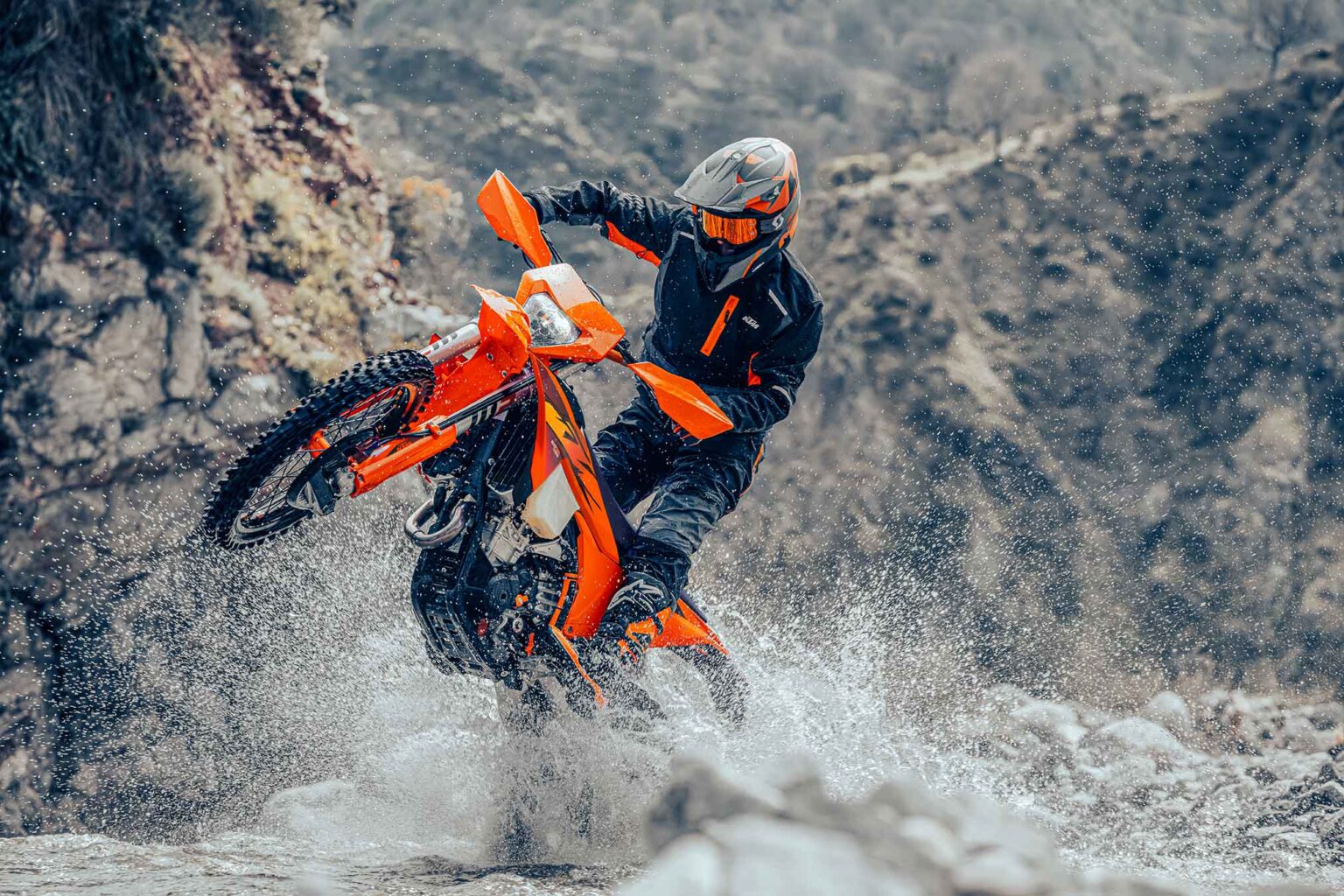
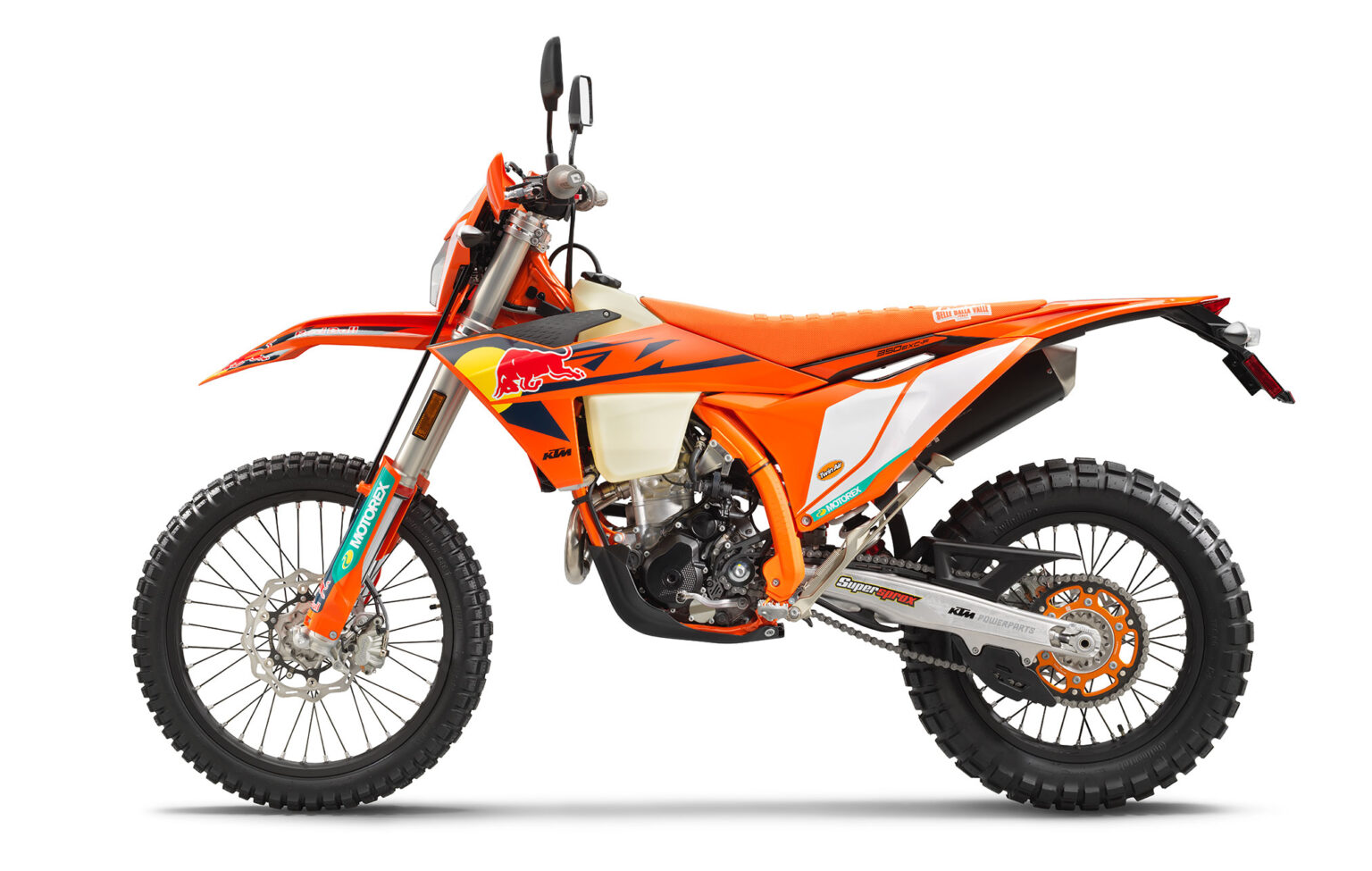
The KTM 350 EXC-F is widely recognized as a benchmark in the enduro world, balancing the agility of a 250 with the power characteristics of a 450. It features a sophisticated DOHC fuel-injected engine, a lightweight chromium-molybdenum steel frame, and high-performance WP suspension components, making it a versatile machine for both technical trails and open-course competition.
Contents
The Engineering Philosophy Behind the 350 Platform
The KTM 350 EXC-F exists in a unique niche. When it was first introduced to the market, it bridged a significant gap in off-road motorcycling. Riders previously had to choose between the razor-sharp handling and limited top-end power of the 250cc class, or the heavy, sometimes overwhelming inertia of the 450cc class. The 350 engine architecture was designed to provide a "middle way"—delivering a wide, usable powerband that minimizes rider fatigue without sacrificing the ability to tackle steep climbs or high-speed sections.
At the heart of the machine is a compact, liquid-cooled, single-cylinder, four-stroke engine. The Dual Overhead Camshaft (DOHC) design utilizes ultra-lightweight titanium valves and finger followers with a DLC (Diamond-Like Carbon) coating. This configuration is intended to reduce friction and allow for higher engine speeds, translating into a bike that feels remarkably free-revving.
Detailed Engine and Drivetrain Specifications
The power plant is arguably the most critical component of the EXC 350. By utilizing a Keihin Engine Management System (EMS), the bike maintains precise fuel mapping, which is essential for the transition from low-end torque to the mid-range surge.
| Component | Technical Specification |
|---|---|
| Engine Type | 1-cylinder, 4-stroke engine |
| Displacement | 349.7 cc |
| Bore / Stroke | 88 mm / 57.5 mm |
| Starter | Electric starter |
| Transmission | 6-speed |
| Clutch | Wet, DDS multi-disc clutch, Brembo hydraulics |
| Engine Management | Keihin EMS with Ride-by-Wire |
The 6-speed transmission is specifically geared for enduro use. The lower gears provide the torque necessary for navigating rock gardens and technical single-track, while the higher gears allow the bike to maintain a comfortable cruising speed on faster fire roads or liaison stages. The integration of the Brembo hydraulic clutch system is a critical technical detail, as it provides consistent engagement and prevents the fade often associated with cable-operated systems during long, intense rides.
Chassis, Suspension, and Handling Dynamics
KTM utilizes a central tube frame made of lightweight, high-strength chromium-molybdenum steel. This choice of material is deliberate; the frame is engineered to provide specific longitudinal flex to act as a secondary suspension system, which helps absorb energy from impacts before it reaches the rider.
The suspension is managed by WP XPLOR components. The front fork, an open-cartridge system, is designed for ease of adjustment and compliance over small, repetitive trail chatter. The rear shock is linked directly to the swingarm without a linkage system, a design feature that reduces overall weight and increases ground clearance, effectively preventing the shock linkage from catching on obstacles like logs or deep ruts.
Braking and Stopping Power
Safety and control are bolstered by high-performance braking systems developed in collaboration with Brembo. These systems include wave-style brake discs that offer efficient cooling and self-cleaning properties in muddy conditions. The interaction between the front 260mm disc and the rear 220mm disc provides the modulation required for precision maneuvering on slippery surfaces.
Operational Considerations and Maintenance
Operating a high-performance machine like the KTM 350 EXC-F requires a disciplined approach to maintenance. Because this engine is tuned for competition-level output, it does not share the same maintenance intervals as a standard dual-sport commuter motorcycle.
- Air Filter Maintenance: In dusty or sandy conditions, the air filter should be checked after every ride. A restricted intake significantly degrades engine performance and can introduce abrasive particles into the combustion chamber.
- Oil Changes: The engine and transmission oil share a relatively small sump volume. Frequent changes, according to the manufacturer's specified intervals, are mandatory to prevent gear wear and maintain the integrity of the clutch plates.
- Cooling System: The 350 EXC-F is prone to overheating if left idling for extended periods. Riders should monitor coolant levels and ensure the radiator fins are free of mud to facilitate optimal airflow.
- Valve Clearances: While the finger-follower design is robust, checking valve clearances at the recommended hour intervals is necessary to ensure the engine retains its power and starting reliability.
Comparisons: The 350 vs. The Field
When comparing the 350 EXC-F to its peers, the primary differentiator is the power-to-weight ratio. While a 250cc enduro bike might feel more nimble in extremely tight, technical woods, it often requires aggressive clutch work to maintain momentum. Conversely, a 450cc bike offers effortless torque but carries a weight penalty that can become exhausting after three or four hours of riding.
The 350 occupies the "Goldilocks" zone. It is heavy enough to track straight through ruts, yet light enough to be muscled out of a difficult section when the rider makes a mistake. For riders who spend time on a mix of terrain, the 350 is generally considered the most versatile choice in the KTM lineup.
Common Questions About the KTM 350 EXC-F
Is the KTM 350 EXC-F suitable for a beginner rider? While the bike is approachable, it is a high-performance competition machine. Its power delivery is immediate and can be intimidating for those without prior off-road experience. Beginners may find a dedicated trail bike more forgiving, but those with basic riding skills often find the 350 to be a bike they can grow into for years.
How does the fuel injection handle changing altitudes? The Keihin EMS is equipped with altitude and temperature sensors that automatically adjust fuel mapping. This makes the bike exceptionally reliable when riding in mountainous terrain, as it eliminates the need for manual carburetor jetting.
Can this bike be used for long-distance dual-sport riding? Yes, though with limitations. The seat is narrow and firm, designed for aggressive stand-up riding rather than long-haul comfort. Furthermore, the engine is designed for bursts of power rather than sustained high-RPM highway travel. If you plan to ride on pavement, consider a sprocket change to lower the engine RPM at highway speeds.
What is the most important upgrade for a new owner? Protection is paramount. Adding a heavy-duty skid plate, radiator guards, and wrap-around handguards will prevent minor mishaps from turning into ride-ending mechanical failures. After protection, many riders choose to customize the suspension valving to match their specific body weight and riding style.
What is the seat height, and can it be lowered? The seat height is typically around 960mm. For shorter riders, lowering links are available, though they alter the suspension geometry. A more common approach is to have the seat foam shaved or to install a "low" seat option from the official KTM PowerParts catalog.
Moving Forward: Next Steps for Owners
To get the most out of your KTM 350 EXC-F, your first step should be to set the "sag." Suspension sag is the amount the bike settles under your body weight. Proper sag ensures that the suspension operates in the correct part of its stroke. Consult the owner’s manual for the specific sag measurement range, and adjust the rear shock spring preload accordingly.
Once the bike is set up for your weight, ensure you have a clean, dedicated workspace and the correct torque values for routine maintenance. Investing in a high-quality torque wrench and the official workshop manual will save you from common mistakes, such as over-tightening fasteners that can strip threads in the aluminum engine casings or plastic mounting points. Regular, proactive maintenance is the key to ensuring your 350 remains a reliable companion on the trails throughout 2026 and beyond.
Image Gallery