Understanding Itemized Deductions for the 2025 Tax Year
Itemized deductions are specific expenses that taxpayers can subtract from their adjusted gross income (AGI) to lower their overall taxable income. For the 2025 tax year, taxpayers must weigh the total value of these eligible expenses...
Itemized deductions are specific expenses that taxpayers can subtract from their adjusted gross income (AGI) to lower their overall taxable income. For the 2025 tax year, taxpayers must weigh the total value of these eligible expenses against the standard deduction amount to determine which method yields the greatest tax savings. If your total qualified itemized expenses exceed the standard deduction threshold for your filing status, itemizing is generally the more advantageous financial strategy.
Contents
The Standard Deduction vs. Itemized Deductions
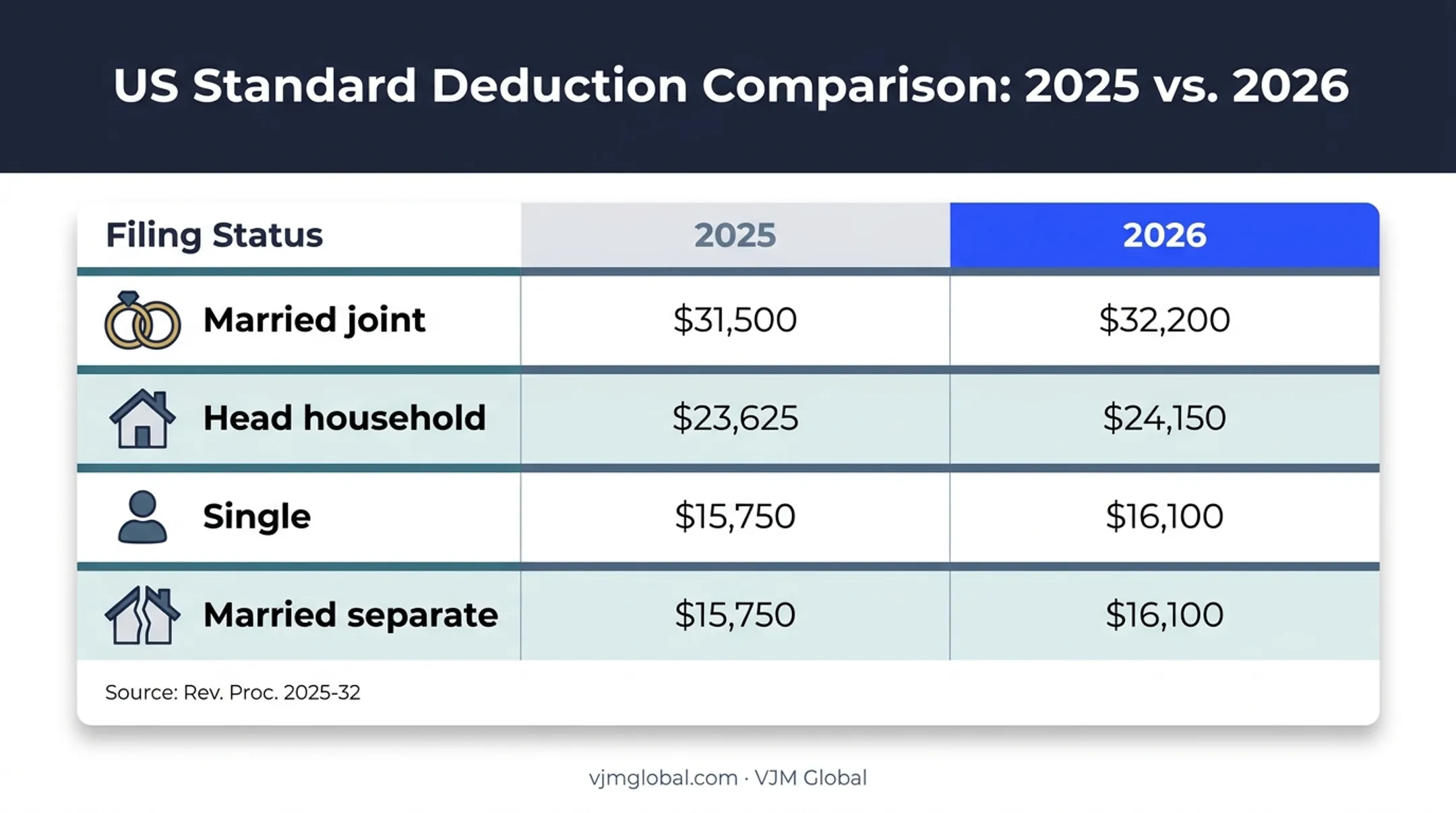
The fundamental decision in tax preparation is choosing between the standard deduction and itemized deductions. The IRS establishes a fixed dollar amount known as the standard deduction, which is adjusted annually for inflation. Because this amount is granted automatically without the need for receipts or documentation, the vast majority of U.S. taxpayers opt for this route.
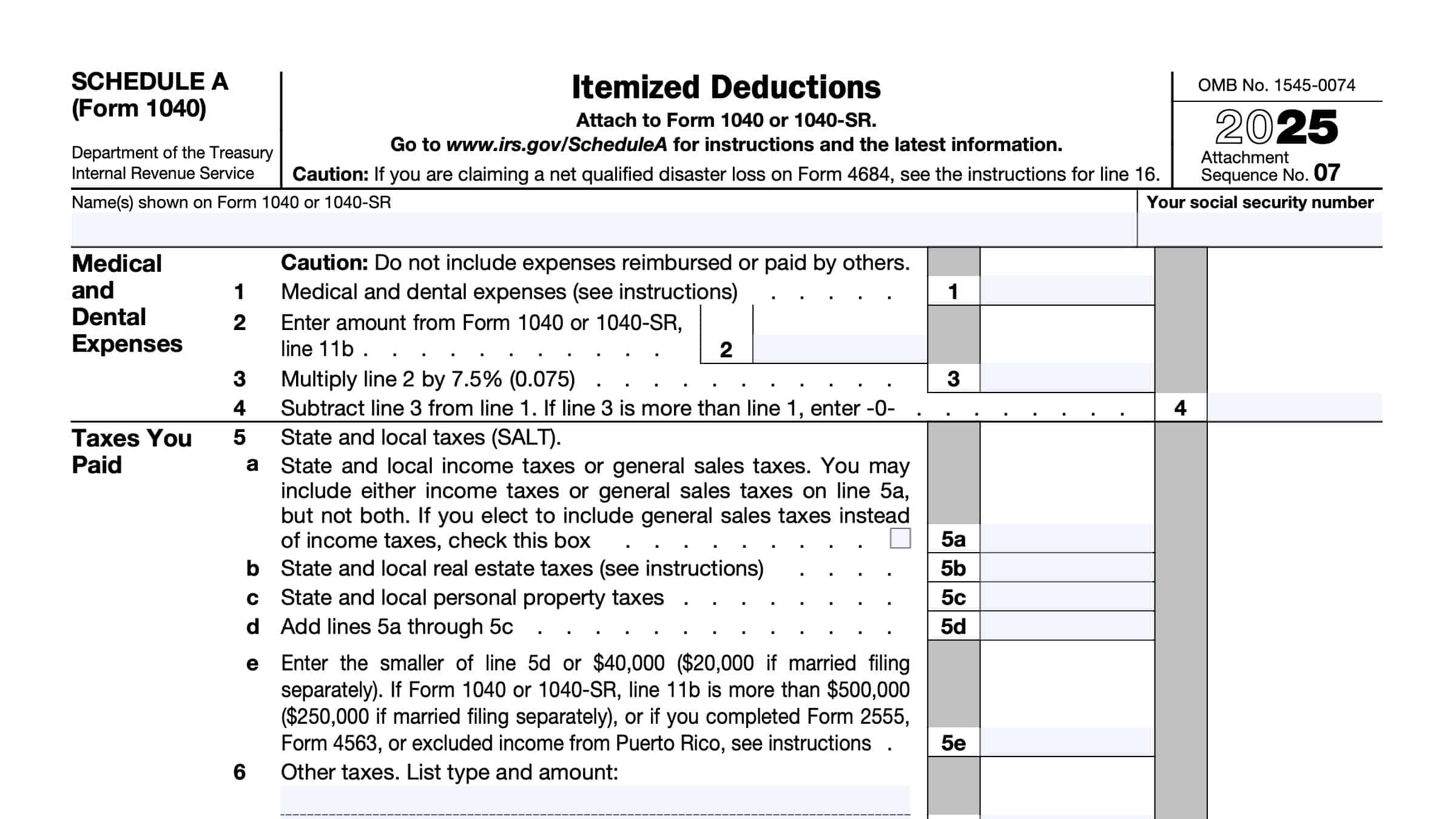
However, itemizing becomes beneficial when your documented, qualified expenses surpass this threshold. This process requires filing Schedule A (Form 1040) alongside your individual income tax return. It is important to note that you cannot choose to itemize for some expenses and take the standard deduction for others; it is an all-or-nothing election for the tax year.
Key Factors for 2025 Decision-Making
- Filing Status: The standard deduction varies significantly based on whether you file as Single, Married Filing Jointly, Married Filing Separately, or Head of Household.
- Total Qualified Expenses: You must aggregate all deductible categories. If the sum is lower than your status-specific standard deduction, itemizing results in a higher tax burden.
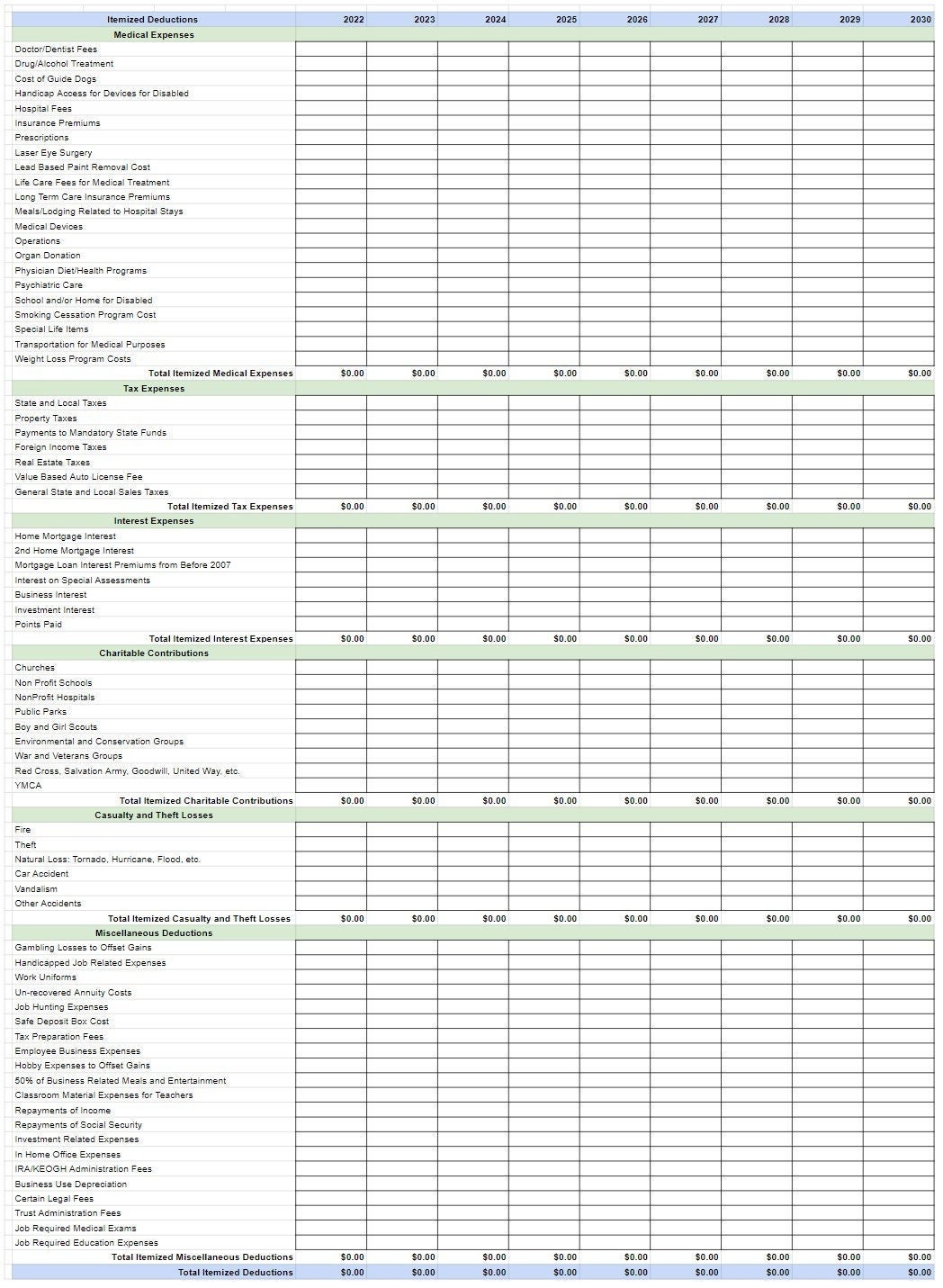
- Record Keeping: Itemizing requires rigorous documentation. You must maintain receipts, invoices, canceled checks, and contemporaneous logs to substantiate every claim in the event of an IRS inquiry.
Major Categories of Itemized Deductions
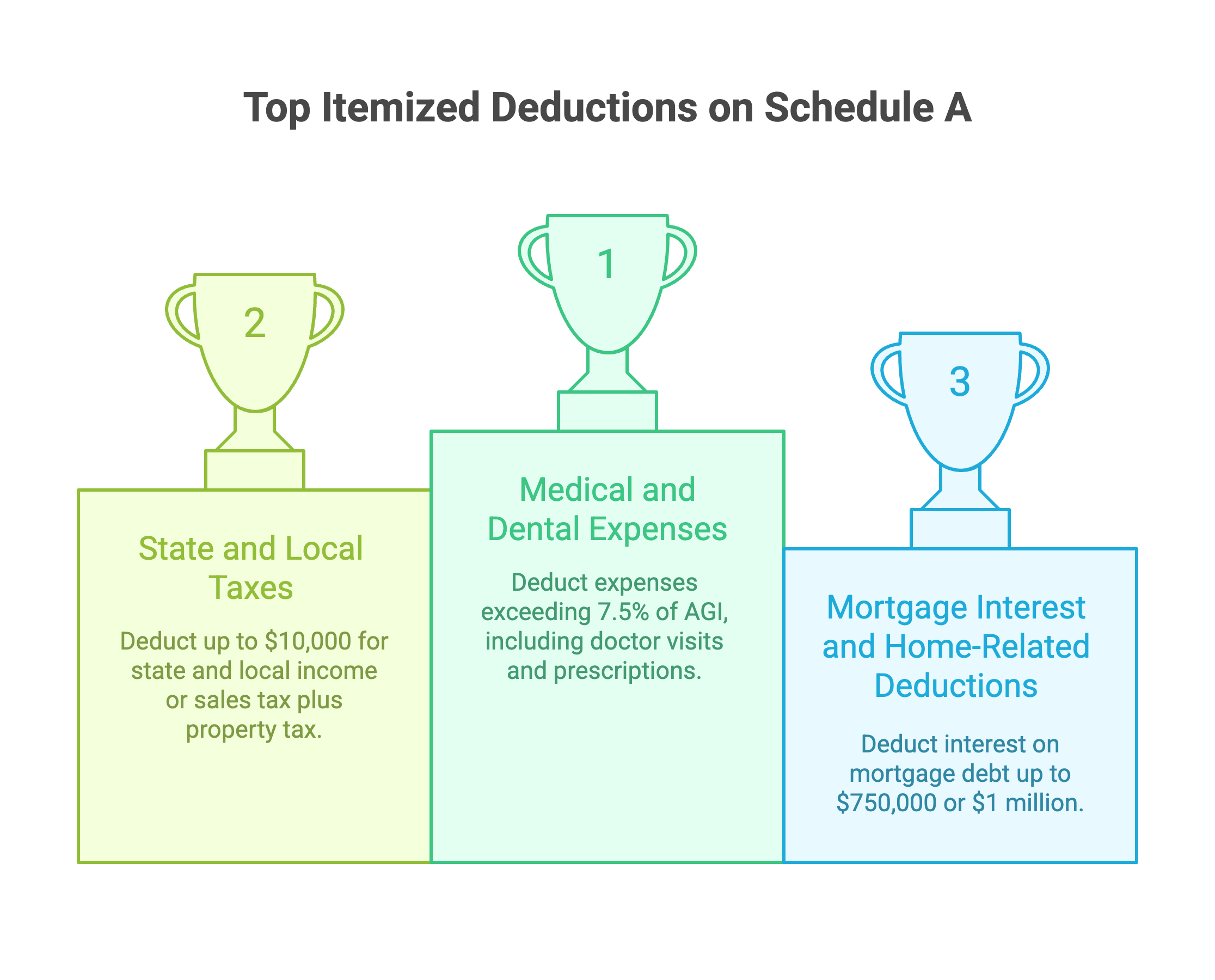
When deciding to itemize for 2025, you must focus on the four primary pillars of deductible expenses permitted under the Internal Revenue Code. These categories are subject to specific limitations and thresholds that define exactly how much of the expenditure can be claimed.
1. State and Local Taxes (SALT)
Taxpayers can deduct certain state and local taxes paid during the tax year. This typically includes state and local income taxes (or state and local general sales taxes if you elect to deduct those instead) and real estate property taxes. Note that there is a strict federal legislative cap on the total SALT deduction, currently set at $10,000 ($5,000 for married individuals filing separately).
2. Mortgage Interest
Interest paid on up to $750,000 of mortgage debt used to buy, build, or substantially improve your primary residence or a secondary home is generally deductible. This deduction applies to the interest portion of your monthly payments. Points paid to reduce the interest rate on a mortgage may also be deductible, often amortized over the life of the loan.
3. Medical and Dental Expenses
You may deduct unreimbursed medical and dental expenses that exceed 7.5% of your AGI. This is a "floor" requirement, meaning you only subtract the portion of your expenses that exceeds that percentage. Qualifying expenses include payments to doctors, dentists, hospitals, prescription medications, and long-term care insurance premiums within specific limits.
4. Charitable Contributions
Donations made to qualified non-profit organizations, religious institutions, and government entities are deductible. For cash contributions, there are generally percentage-of-AGI limitations (often 60%). Non-cash contributions, such as donated goods or vehicles, require specific valuation methods and may necessitate additional forms (Form 8283) if the value exceeds $500.
Comparison Table: Standard vs. Itemized Strategy
The following table outlines the decision logic for 2025 tax planning. Use these criteria to evaluate your personal situation.
| Feature | Standard Deduction | Itemized Deductions |
|---|---|---|
| Documentation | None required | Extensive records/receipts required |
| Complexity | Minimal | High; requires Schedule A |
| Threshold | Fixed by filing status | Variable based on actual spending |
| Best For | Lower total expenses | High mortgage interest or medical costs |
| Verification | Automated | Subject to potential IRS audit |
Documentation and Record Retention Requirements
The burden of proof for any itemized deduction lies entirely with the taxpayer. Unlike the standard deduction, which requires no evidence, itemized deductions are "audit-sensitive." The IRS requires that you keep supporting documents for at least three years from the date you filed your return. In practice, many tax professionals recommend holding these records for seven years to cover the maximum window the IRS has to audit returns involving substantial income omissions.
Your records should clearly demonstrate:
- The amount paid: Bank statements, credit card statements, or official receipts.
- The purpose: Invoices or descriptions of the service or good.
- The date: Ensuring the payment occurred within the 2025 calendar year.
Common Pitfalls and Troubleshooting
Taxpayers often make errors that lead to disallowed deductions or penalties. A common mistake involves attempting to deduct non-deductible items, such as personal living expenses, club dues, or fines. Another frequent error is failing to account for the "floor" limitations, particularly with medical expenses, resulting in an overstated deduction.
If you are unsure whether an expense qualifies, review IRS Publication 502 (for medical expenses) or Publication 526 (for charitable contributions). If you discover an error after filing your 2025 return, you may file Form 1040-X, Amended U.S. Individual Income Tax Return, to correct the figures. However, accuracy at the time of initial filing is the most efficient way to maintain compliance.
Frequently Asked Questions
Can I itemize if I have very few expenses?
No. You should only itemize if your total itemized deductions exceed the standard deduction for your filing status. If your expenses are lower, itemizing will result in you paying more in taxes than necessary.
Do I need to attach receipts to my tax return?
Generally, no. You do not need to attach receipts to your return when you file. However, you must have them available and organized in case the IRS sends a notice requesting verification of your specific deductions.
Is there a limit on how much I can deduct for charity?
Yes. There are percentage-of-AGI limits for charitable contributions, which depend on the type of organization and the type of property donated. Most cash donations are capped at 60% of your AGI.
What happens if my medical expenses are less than 7.5% of my AGI?
If your unreimbursed medical expenses are 7.5% or less of your AGI, you receive zero deduction for medical costs on your tax return. You must exceed the 7.5% threshold to start claiming any amount.
Can I deduct property taxes on a vacation home?
Yes, property taxes on a second home are deductible. However, the total deduction for state and local taxes, including property taxes, remains subject to the $10,000 aggregate limit for the tax year.
Professional Advice Disclaimer
This information is intended for educational purposes and does not constitute professional tax, legal, or financial advice. Tax laws are subject to change and may vary based on your specific geographic location and individual financial circumstances. It is strongly recommended that you consult with a Certified Public Accountant (CPA) or a qualified tax attorney before making significant financial decisions or filing your tax returns to ensure compliance with current federal and state regulations.
Recommended Next Actions
Before finalizing your 2025 tax return, perform a "pre-calculation" by listing your total mortgage interest, charitable gifts, medical costs, and state/local taxes. Compare this sum to your standard deduction. If the difference is significant, gather all supporting receipts into a categorized digital or physical folder. If you find your itemized total is very close to the standard deduction, ensure your records are pristine to justify the extra effort and scrutiny associated with itemizing.
Image Gallery