Understanding the Influenza Shape for Travelers: A Guide to Global Viral Variations
For travelers in 2026, understanding the influenza "shape" refers to the specific configuration of surface proteins—Hemagglutinin and Neuraminidase—on the virus. These proteins change across different geographic regions and seasons, me...
For travelers in 2026, understanding the influenza "shape" refers to the specific configuration of surface proteins—Hemagglutinin and Neuraminidase—on the virus. These proteins change across different geographic regions and seasons, meaning a vaccine or natural immunity acquired in one country may not provide full protection in another where a different viral morphology or strain is dominant.
Contents
The Molecular Architecture: Why Viral Shape Matters
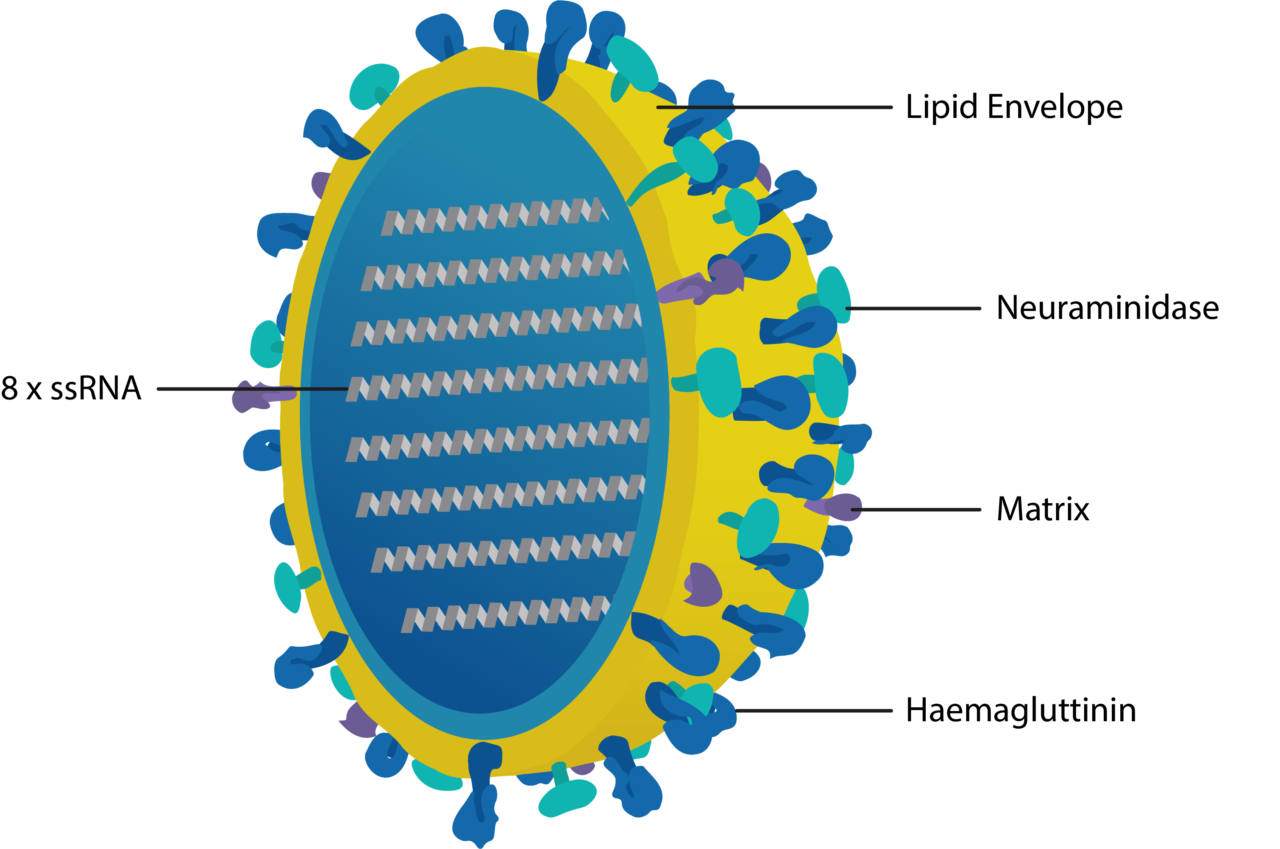
The "shape" of the influenza virus is not merely a matter of its physical appearance under a microscope, though it is primarily pleomorphic, ranging from spherical to filamentous forms. For a traveler, the term "shape" most critically refers to the molecular structure of the glycoproteins protruding from the viral envelope. These surface antigens are the primary targets for the human immune system.
Hemagglutinin (H) and Neuraminidase (N)
The influenza virus is categorized by two main proteins: Hemagglutinin (H), which allows the virus to bind to and enter host cells, and Neuraminidase (N), which enables newly formed viral particles to exit the host cell and spread the infection. As of 2026, there are 18 known H subtypes and 11 known N subtypes, though only a few (primarily H1N1 and H3N2) regularly circulate among humans.
When health officials discuss the "shape" of the flu for a specific travel season, they are describing the specific folding and amino acid sequences of these proteins. If the "shape" of the H protein changes through mutation, the antibodies generated by a previous infection or vaccination may no longer recognize the virus, much like a key that no longer fits a modified lock. This is why travelers crossing the equator must be particularly aware of the viral shapes prevalent in their destination.
Antigenic Drift and Shift: The Evolution of Viral Shape
Travelers often wonder why they need a new flu shot every year or why a "European flu" feels different from an "Asian flu." The answer lies in two biological processes: antigenic drift and antigenic shift.
Antigenic Drift: The Constant Mutation
Antigenic drift consists of small, incremental changes in the genes of influenza viruses that happen continually as the virus replicates. These small genetic changes eventually accumulate and result in a virus with a different antigenic "shape." Because these changes happen constantly, the influenza viruses circulating in the Northern Hemisphere in January 2026 may be subtly different from those circulating in the Southern Hemisphere by July 2026. For a long-term traveler or a digital nomad, this means that protection acquired at the start of the year may have diminished efficacy six months later in a different climate.
Antigenic Shift: The Sudden Transformation
Antigenic shift is a more abrupt, major change in the influenza A virus, resulting in new H or N proteins. This often occurs when an influenza virus from an animal population (like birds or pigs) gains the ability to infect humans. This creates a "shape" that the human population has little to no immunity against. While rare, travelers to areas with high zoonotic activity—such as live animal markets or intensive farming regions—should stay informed via World Health Organization (WHO) updates, as these shifts can trigger pandemics.
Regional Variations: Northern vs. Southern Hemisphere
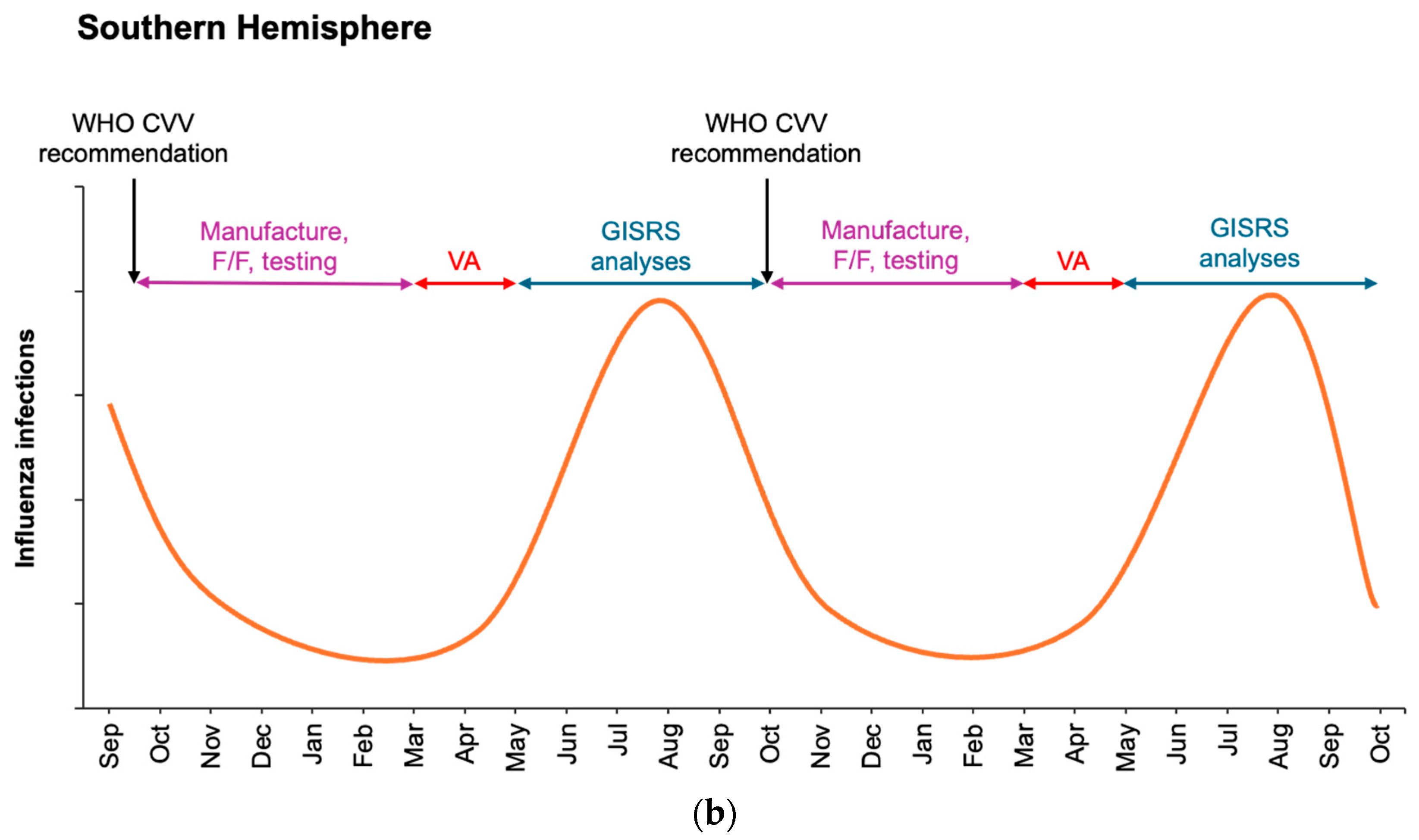
The most practical concern for a traveler in 2026 is the geographical divergence of influenza strains. The World Health Organization operates the Global Influenza Surveillance and Response System (GISRS), which monitors the "shape" of circulating viruses year-round. Because flu seasons are opposite in the Northern and Southern Hemispheres, the vaccine compositions differ.
| Feature | Northern Hemisphere Flu Season | Southern Hemisphere Flu Season |
|---|---|---|
| Peak Activity | November to March | May to September |
| Vaccine Availability | Typically September/October | Typically March/April |
| Dominant Strains (2026) | Monitored by WHO in February | Monitored by WHO in September |
| Common Subtypes | A(H1N1)pdm09, A(H3N2), B/Victoria | A(H1N1)pdm09, A(H3N2), B/Victoria |
| Travel Consideration | High risk for winter travelers | High risk for summer travelers (from NH) |
Crossing the Equator
If you are traveling from New York (Northern Hemisphere) to Buenos Aires (Southern Hemisphere) in June 2026, you are moving from a low-flu-activity zone into a peak-flu-activity zone. Crucially, the vaccine you received in the U.S. in October 2025 was designed based on the predicted viral shapes for the Northern Hemisphere's winter. By June 2026, the Southern Hemisphere may be facing a different lineage of H3N2 or a mutated version of Influenza B.
Travelers spending more than a few weeks in a different hemisphere during its peak season should consult a travel clinic. In some cases, it is recommended to receive a second vaccination—the Southern Hemisphere formulation—upon arrival to ensure your immune system recognizes the local viral "shape."
The Pleomorphic Nature of Influenza: Spherical vs. Filamentous
Beyond the molecular antigens, the physical structure (morphology) of the virus can vary. In laboratory settings, influenza often appears spherical, roughly 100 nanometers in diameter. However, in clinical samples taken directly from infected humans, the virus frequently exhibits a filamentous shape, which can be several micrometers long.
While the "shape" of the virus (spherical vs. filamentous) does not currently dictate which vaccine you should get, it is a subject of intense research in 2026 regarding viral transmission. Some studies suggest that filamentous shapes may assist the virus in spreading within the respiratory tract or resisting certain environmental stressors. For the traveler, this emphasizes that the virus is highly adaptable and robust, capable of surviving on hard surfaces (like airplane tray tables) for several hours.
Assessing Your Risk: Destination-Specific Shapes
In 2026, travel medicine has become more data-driven. Before departing, travelers should analyze the "viral landscape" of their destination. Tropical regions present a unique challenge because influenza can circulate year-round without a distinct peak, often showing multiple "shapes" or strains simultaneously.
High-Density Transit Hubs
International airports and cruise ships are "melting pots" for viral shapes. In these environments, you may be exposed to a lineage of influenza that was previously confined to a different continent. Because influenza is an airborne pathogen, the physical shape and size of the viral droplets (aerosols) play a role in how far the virus travels in the cabin of an aircraft. High-efficiency particulate air (HEPA) filters on modern planes are designed to trap these particles, but they cannot protect you from a person sitting in the immediate vicinity who is shedding a virus with a novel antigenic shape.
Zoonotic Shapes and Avian Influenza
Travelers to rural areas or regions known for avian flu (such as certain parts of Southeast Asia or Eastern Europe) must be aware of H5 or H7 "shapes." These viruses have a different molecular configuration that allows them to bind deeply in the human lung. While human-to-human transmission of these shapes remains limited in 2026, the severity of the disease is much higher. Avoiding contact with poultry and birds in these regions is the primary defense against these specific viral morphologies.
Practical Steps for Travelers in 2026
To stay protected against the evolving shapes of influenza, travelers should follow a structured approach to viral defense.
- Check the GISRS Data: Before traveling, look at the WHO GISRS dashboard to see which influenza subtypes are currently dominant in your destination.
- Timing the Vaccine: Antibodies take approximately two weeks to develop. Ensure you are vaccinated at least 14 days before your departure.
- The "Off-Season" Shot: If you are a Northern Hemisphere resident traveling to the Southern Hemisphere in their winter, seek out a travel clinic that stocks the Southern Hemisphere vaccine. This ensures the "shape" your immune system is trained on matches the "shape" of the viruses you will encounter.
- Environmental Barriers: Since the physical shape of the virus allows it to persist on surfaces, frequent handwashing and the use of alcohol-based sanitizers (at least 60% ethanol) are essential.
- Respiratory Hygiene: Using a high-quality mask (N95 or FFP2) in crowded transit hubs provides a mechanical barrier against the viral particles, regardless of their internal genetic "shape."
Health and Safety Disclaimer
The information provided here is for educational purposes and does not constitute medical advice. Influenza trends can change rapidly. Always consult with a qualified healthcare provider or a travel medicine specialist regarding vaccinations and health precautions specific to your medical history and destination.
Frequently Asked Questions
Does the "shape" of the flu virus change during a single flight? No, the virus does not change its antigenic shape that quickly. However, a single flight can transport hundreds of different viral shapes from one geographic region to another, increasing the variety of strains present in a transit hub.
Can my body recognize a "shifted" virus? Generally, no. If an antigenic shift occurs, the new "shape" is so different from previous circulating strains that most people have no pre-existing immunity, which is why shifts often lead to global pandemics.
Is the 2026 flu vaccine different from the 2025 version? Yes. Each year, the WHO reviews the genetic and antigenic data of circulating strains and usually updates at least one or two components of the vaccine to better match the current "shape" of the virus.
Why does the flu virus have a "shape" anyway? The shape, specifically the glycoproteins on the surface, is an evolutionary adaptation that allows the virus to latch onto specific receptors in the human respiratory tract. It is essentially a biological key designed to unlock host cells.
What should I do if I catch a flu with a "new shape" while abroad? Regardless of the strain's shape, the primary treatment remains antiviral medications (like oseltamivir or baloxavir), which are designed to work against the general mechanism of the Neuraminidase or the viral replication process, even if the surface antigens have drifted.
Final Recommendation for Travelers
As you prepare for travel in 2026, do not assume that a "flu shot is just a flu shot." Your most effective defense is a geographically relevant vaccination. If you are crossing hemispheres, prioritize getting the vaccine formulation specific to your destination's current or upcoming season. Stay informed via official health portals and maintain rigorous hand hygiene to mitigate the risk of encountering a viral shape your immune system isn't prepared for.
Image Gallery