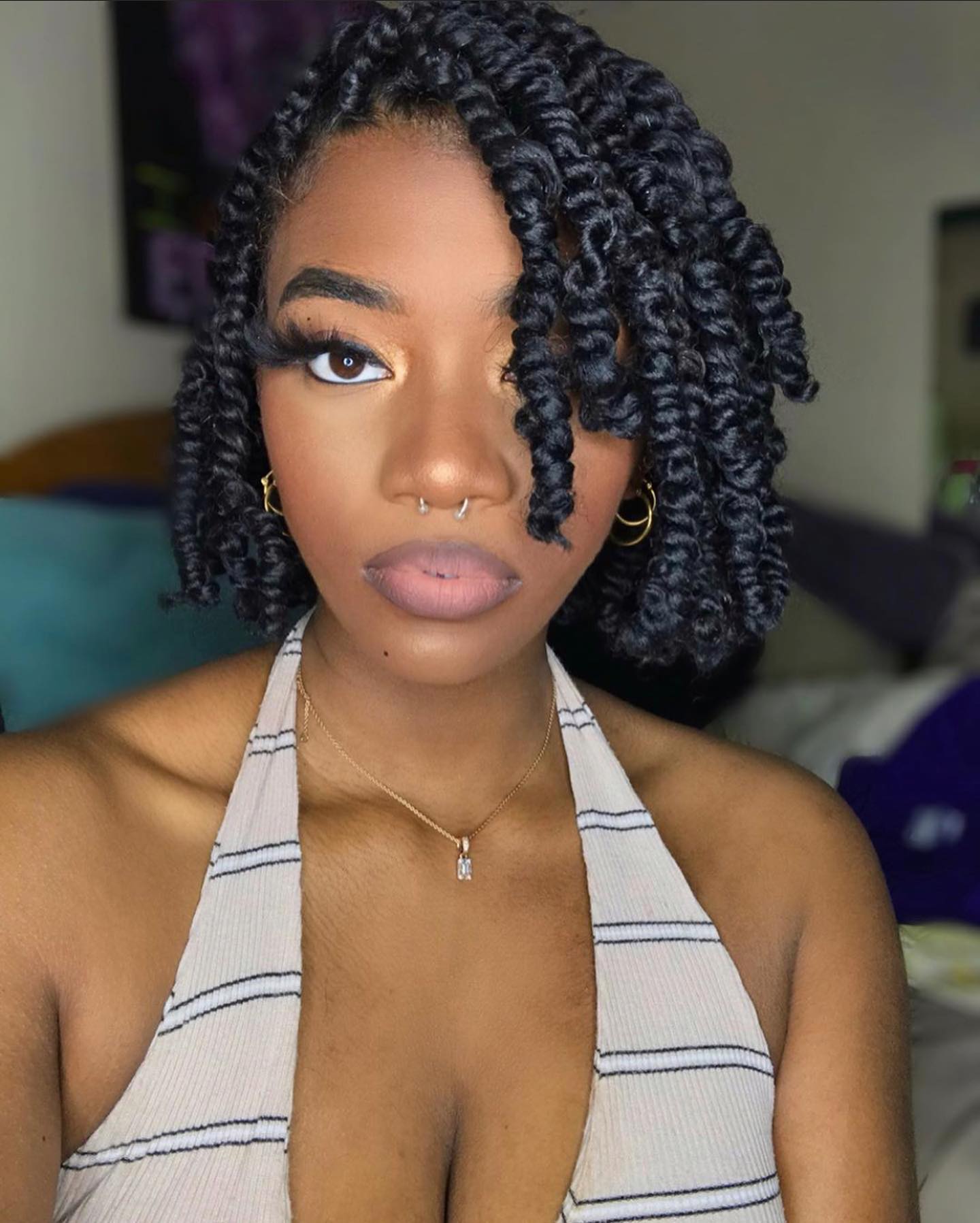
Short Crochet Hair Styles 2024: Trends, Techniques, and Maintenance for Modern Protective Styling
Short crochet hair styles combine low-maintenance versatility with striking visual appeal, making them a cornerstone of protective styling. Achieving the best results requires selecting the correct hair texture, applying proper foundat...
Short crochet hair styles combine low-maintenance versatility with striking visual appeal, making them a cornerstone of protective styling. Achieving the best results requires selecting the correct hair texture, applying proper foundation braiding techniques, and maintaining scalp health to ensure your natural hair remains protected and strong throughout wear.
Contents
The evolution of protective styling has shifted focus away from heavy, lengthy extensions toward lightweight, highly manageable shorter crops. Whether you prefer a sharp bob, voluminous pixie cut, or textured faux locs, shorter crochet styles offer a sophisticated look while significantly cutting down on daily styling time. Understanding the technical aspects of installation, maintenance, and styling ensures that your crochet look remains fresh and your natural hair stays damage-free.
Understanding the Anatomy of Short Crochet Styles
Short crochet hairstyles rely on a specific mechanical structure to secure synthetic or human hair extensions to a cornrowed natural hair foundation. Unlike traditional sew-ins or individual braids, crochet styling uses a latch hook tool to thread pre-looped hair through cornrows, creating a secure knot that sits flush against the scalp.
The success of a short style depends heavily on the weight distribution of the hair. Because shorter styles use less hair overall, the tension on the scalp is drastically reduced compared to waist-length installations. However, because the hair is shorter, the precision of the underlying cornrow pattern becomes even more critical to prevent gaps or exposed tracks.
- The Foundation: Flat, uniform cornrows running straight back or in a bee-hive pattern provide the anchor points for the latch hook.
- The Loop: Pre-looped extensions allow for rapid installation, while loose bulk hair requires manual knotting using the loop-and-pull technique.
- The Ends: Specialized sealing techniques, such as hot water dipping for kanekalon fibers or knot sealing for faux locs, prevent unraveling at the shorter lengths.
Essential Tools and Materials for Installation
Gathering the correct professional-grade tools before starting your installation minimizes hair breakage and ensures a clean, salon-quality finish. Attempting to install short crochet hair without the proper instruments often leads to snagged natural hair or loose, unstable knots.
| Tool Name | Primary Purpose | Technical Specification |
|---|---|---|
| Latch Hook Tool | Threading and locking hair extensions | Standard metal latch hook with a smooth, snag-free latch gate |
| Rat-Tail Comb | Parting and sectioning natural hair | Fine-toothed carbon fiber comb for precise, clean partings |
| Edge Control Gel | Smoothing hairline and baby hairs | Water-based, flake-free formula with strong hold properties |
| Leave-In Conditioner | Pre-installation moisture infusion | Lightweight, non-greasy spray or cream with humectants |
| Crochet Hair Extensions | Creating the desired style texture | Pre-looped synthetic, human blend, or 100% human hair |
Step-by-Step Installation Guide for Short Crops
Executing a clean installation requires patience and meticulous attention to detail, especially when working around the perimeter and crown where shorter lengths leave less room for error.
- Prepare and Cleanse Natural Hair: Wash your hair with a clarifying shampoo to remove buildup, followed by a deep conditioning treatment to ensure maximum hydration. Completely blow-dry or stretch the hair to minimize tangling.
- Create the Foundation Cornrows: Part your hair into clean, uniform rows. The cornrows should be braided close to the scalp but without excessive tightness to prevent traction alopecia. Secure the ends of the braids flat against the head.
- Map the Installation Areas: Determine where your partings will fall. For short styles like bobs or pixies, tighter spacing between cornrows near the crown and sides prevents the foundation from showing through the shorter layers.
- Insert the Extensions: Slide the latch hook underneath the cornrow, attach the pre-looped hair to the hook, close the gate, and pull the hair back under the braid. Open the hook, release the hair, and loop the ends through the loop to secure the knot.
- Trim and Shape: Once all extensions are installed, use professional hair shears to shape the short style, cutting layers or framing the face to match your desired aesthetic.
Comparing Popular Short Crochet Hair Textures
Different hair fibers offer distinct aesthetic outcomes, maintenance requirements, and longevity. Choosing the right texture depends on your lifestyle and desired look.
- Water Wave & Gogo Curl: Offers bouncy, defined curls that mimic natural curl patterns. Requires daily moisturizing mousse to prevent frizz.
- Faux Locs & Butterfly Locs: Provides a boho, textured appearance. Heavier than loose curls, requiring careful weight management during the cornrow stage.
- Straight Yaki Bob: Delivers a sleek, professional look. Prone to tangling at the nape of the neck due to friction against clothing collars.
- Spring Twist & Passion Twist: Soft, lightweight, and highly flexible. Excellent for retaining moisture within the natural hair underneath.
Scalp Care and Maintenance Protocols
Maintaining scalp health while wearing short crochet styles is non-negotiable. Because the scalp is more exposed in shorter crops, environmental factors and sweat accumulation require targeted care routines.
Daily Moisture Routine Hydration Delivery: Dilute a lightweight leave-in conditioner with distilled water in a spray bottle and mist your scalp and natural cornrows every two to three days to prevent dryness and itching.
- Nighttime Protection: Always sleep with a satin or silk bonnet, or use a satin pillowcase to reduce friction, prevent frizz, and extend the lifespan of your short style.
- Scalp Cleansing: Use a cotton ball soaked in witch hazel or a specialized apple cider vinegar rinse to cleanse the scalp between full wash days without disturbing the crochet knots.
- Avoid Heavy Oils: Refrain from applying heavy petroleum-based greases, as they attract dirt and clog hair follicles, leading to buildup and irritation.
Troubleshooting Common Installation and Wear Issues
Even with careful planning, certain challenges can arise during or after the installation of short crochet styles. Knowing how to troubleshoot these problems prevents premature removal and protects your natural hair.
- Slipping Knots: If extensions begin to slide off the cornrow, ensure you are looping the hair through the knot at least twice (a double-loop knot) to create sufficient friction against the braid.
- Scalp Tension and Pain: If the cornrows feel uncomfortably tight immediately after installation, use a warm compress on the scalp or apply a soothing scalp serum containing peppermint oil. If pain persists, release the affected braids immediately to prevent follicle damage.
- Matting at the Nape: Short styles frequently rub against shirt collars, causing friction-induced matting. Apply a small amount of lightweight silicone serum to the nape area daily to reduce friction.
Expert Recommendations for Long-Term Hair Health
To maximize the benefits of protective styling, limit continuous wear to a maximum of six to eight weeks per installation. Always allow your natural hair to rest for at least one to two weeks between styles, using this interlude to focus on deep conditioning treatments and protein-moisture balance. Prioritizing scalp health and proper structural foundation ensures your hair remains resilient and thriving through every styling cycle.
Image Gallery