How to Record a Testamentary Trust as a Beneficiary of Guardian Life Insurance
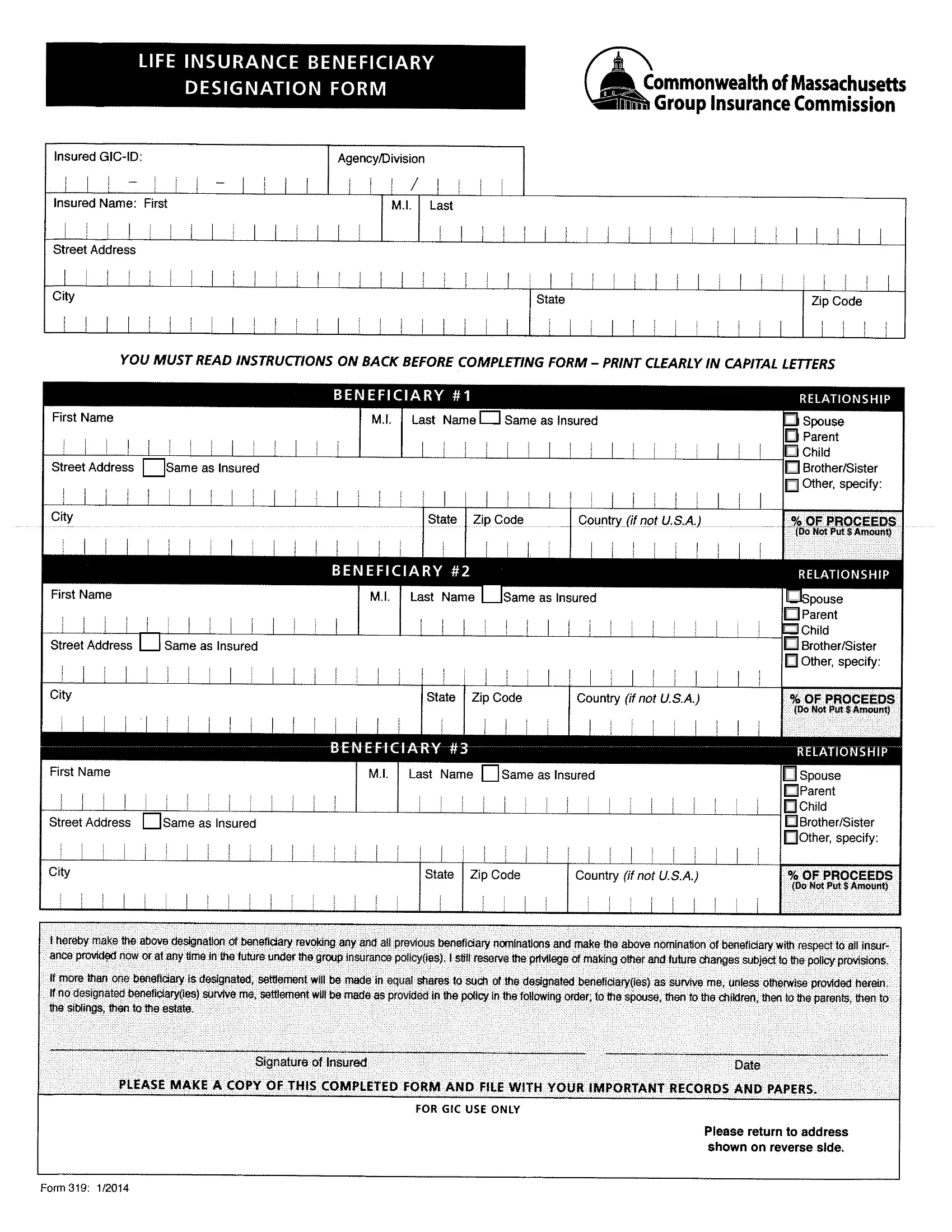
To record a testamentary trust as a beneficiary of a Guardian Life insurance policy, you must submit a completed Beneficiary Change Request form to Guardian Life Insurance Company of America specifying the trustee named under your Last...
To record a testamentary trust as a beneficiary of a Guardian Life insurance policy, you must submit a completed Beneficiary Change Request form to Guardian Life Insurance Company of America specifying the trustee named under your Last Will and Testament. Because testamentary trusts take effect only after probate, precise legal phrasing and a designated contingent beneficiary are required.
Contents
Disclaimer: Estate planning and life insurance beneficiary designations involve complex legal, tax, and administrative considerations. This guide is provided for educational and informational purposes only and does not constitute formal legal or financial advice. Consult a licensed estate planning attorney and an authorized Guardian Life representative to address your specific circumstances.
Understanding Testamentary Trusts in Life Insurance Designations
A testamentary trust is a legal trust created inside a person's Last Will and Testament. Unlike an inter vivos (revocable living) trust, which is established and funded during your lifetime, a testamentary trust does not exist until after your death and the successful admission of your Will to probate court.
When policyholders evaluate life insurance options through carriers such as Guardian Life Insurance Company of America, they often intend for policy death benefits to protect minor children, individuals with special needs, or beneficiaries who require managed distributions. Naming a trust as the policy beneficiary ensures that money is not paid out in a single lump sum directly to an unqualified or vulnerable individual.
However, naming a testamentary trust introduces a unique operational requirement: the insurance carrier is designating an entity that does not legally exist at the time the form is submitted.
Guardian Life allows policyholders to designate testamentary trustees as beneficiaries, but the designation must follow strict phrasing standards to ensure that death benefit proceeds are held securely until court confirmation occurs, or diverted to a designated secondary beneficiary if the Will is contested, delayed, or unproven.
Prerequisites Before Updating Your Guardian Life Beneficiary Designation
Before requesting or completing Guardian Life’s beneficiary designation paperwork, complete the following legal and administrative steps:
- Execute a Valid Last Will and Testament: The Will must explicitly draft the testamentary trust terms, name the appointed Trustee (and successor trustees), define the trust's distribution rules, and specify the age or conditions under which beneficiaries receive principal and income.
- Confirm Policy Details: Locate your Guardian Life policy number, policy owner details, and precise policy type (e.g., individual whole life, term life, or group life coverage).
- Identify the Appointed Trustee: Obtain the full legal name, contact details, and tax identification structure for the named trustee.
- Establish Contingent Beneficiaries: Because probate court must validate the Will before the testamentary trust can receive funds, Guardian Life strongly requires a fallback or contingent beneficiary (such as an adult individual or a secondary trust) in case the trust fails to come into existence.
Step-by-Step Process to Record a Testamentary Trust with Guardian Life
Step 1: Obtain the Guardian Life Beneficiary Change Request Form
Policyholders can obtain the necessary forms by logging into their online portal via Guardian Life’s official website, contacting their dedicated Guardian financial representative, or reaching out to Guardian Customer Service. For individual life insurance contracts, request the standard Change of Beneficiary Form.
Step 2: Fill Out Policy Owner and Insured Information
Provide full identification details, including:
- Policy Owner’s Name and Address
- Insured’s Full Legal Name and Date of Birth
- Guardian Policy Number(s)
Step 3: Complete the Primary Beneficiary Designation Section
Select the trust designation option on the form. When naming a testamentary trust, you cannot simply write the name of a minor or a generic phrase like "My Trust." You must use exact legal phrasing referencing your Will.
Standard approved language for a testamentary trust beneficiary includes:
"The Trustee named under Article [X] of the Last Will and Testament of [Insured's Full Legal Name], dated [Date of Will], as admitted to probate court, or its successors in trust."
If your Will has not yet been executed or if you frequently update codicils, standard alternative language approved by insurance legal counsel includes:
"The Trustee under the Last Will and Testament of [Insured's Full Legal Name], dated [Date of Will], or any valid codicil thereto, as accepted for probate."
Step 4: Include a Mandatory Fallback Provision (Contingent Beneficiary)
Insurance carriers require a clear resolution if the Will is not probated within a reasonable timeframe (typically 90 to 180 days after death) or if the probate court deems the Will invalid.
In the contingent beneficiary section, specify what happens if the testamentary trust does not qualify. You may list secondary adult beneficiaries, an existing revocable living trust, or specify that proceeds default to a contingent trust structure.
Example Contingent Phrasing:
"If the Last Will and Testament of the Insured is not admitted to probate within 180 days following the Insured's date of death, or if no testamentary trust is created thereunder, pay proceeds to [Contingent Beneficiary Name], as Contingent Beneficiary."
Step 5: Execute, Submit, and Verify
- Sign and Date: The policy owner must sign the form. Depending on state law and policy guidelines, a notary public or disinterested witness signature may be required.
- Submit to Guardian: Send the completed form via Guardian’s secure document upload portal, certified mail, or through your Guardian agent.
- Obtain Written Confirmation: Never assume the change is active upon mailing. Request an official written endorsement or updated policy schedule from Guardian Life confirming the beneficiary change has been processed and logged in their system.
Comparing Beneficiary Designation Options for Guardian Life Policies
Understanding how a testamentary trust compares to alternative beneficiary structures helps ensure your financial goals align with carrier requirements and state legal procedures.
| Beneficiary Type | Asset Transfer Speed | Requires Probate Court Approval? | Privacy Level | Primary Use Case |
|---|---|---|---|---|
| Individual (Adult) | Fast (Usually 1–3 weeks post-claim) | No | High (Private insurance claim) | Direct transfer to spouse or independent adult. |
| Inter Vivos Trust (Living Trust) | Fast (Direct to established Trustee) | No | High (Out-of-court administration) | Avoids probate; immediate managed distributions for heirs. |
| Testamentary Trust (Under Will) | Delayed (Requires court probate opening) | Yes | Low (Will becomes public record) | Centralized control under Will when living trust is absent. |
| Estate of the Insured | Delayed (Subject to probate & creditors) | Yes | Low (Public probate administration) | Generally discouraged due to maximum creditor risk. |
Critical Rules and Pitfalls to Avoid
1. The Probate Delay Factor
Because a testamentary trust does not legally exist until a probate judge admits the Will and officially issues Letters Testamentary (or Letters of Trusteeship), Guardian Life cannot distribute policy funds immediately upon receipt of a death certificate. The insurer must hold the proceeds until the court establishes the trust and confirms the trustee's authority. This delay can range from a few months to over a year depending on state court dockets.
2. Failure to Identify the Precise Will Date
Failing to include the date of the Will on the Guardian beneficiary form (or failing to update Guardian if you execute a brand-new Will that revokes the old one) can create serious legal ambiguities. If a policyholder executes a new Will in 2026 but the insurance policy still references a 2018 Will, Guardian Life's legal department may interplead the funds into court until the dispute between potential heirs is resolved.
3. Creditor Exposure Risks
In many legal jurisdictions, life insurance proceeds paid directly to a named individual or to an inter vivos trust pass outside of probate and remain protected from the deceased policyholder’s personal debts. However, because a testamentary trust is established inside a Will, some state courts consider proceeds passing into a testamentary trust to be subject to estate claims, administrative expenses, or probate fees. Consult an estate attorney to review state-specific statutory protections for testamentary trust proceeds.
4. Minor Beneficiaries Named Directly
A common error is naming minor children as direct beneficiaries while attempting to create a trust verbally or informally. Guardian Life will not disburse funds directly to a minor child. If a minor is named without a formal trust structure or UGMA/UTMA custodial designation, the court must appoint a legal guardian of the child's estate, incurring substantial legal expenses and oversight.
Alternatives: Testamentary Trust vs. Revocable Living Trust
While recording a testamentary trust on your Guardian policy is effective, many financial planners and attorneys prefer establishing a Revocable Living Trust (Inter Vivos Trust) for life insurance payouts.
Life Insurance Beneficiary Options:
- Testamentary Trust
- Created via Will at death
- Requires Probate Court validation
- Payout delayed until Trustee qualified
- Subject to probate public filings
- Living Trust
- Exists during lifetime
- Bypasses Probate Court entirely
- Immediate payout to named Trustee
- Private administration
- Speed of Liquidity: A living trust receives Guardian Life policy proceeds almost immediately upon filing the claim and death certificate, allowing the trustee to pay funeral expenses, debts, or immediate family maintenance without waiting for probate.
- Privacy: A living trust is a private legal agreement. A testamentary trust is part of a Will, which becomes a matter of public record once filed in probate court.
- Cost Efficiency: While a testamentary trust avoids the upfront cost of drafting a standalone living trust during life, the post-death probate proceedings required to validate a testamentary trust often exceed initial drafting costs.
Frequently Asked Questions
What happens if Guardian Life receives a claim but the testamentary trust was never created?
If the policyholder never executed a Will, or if the court invalidates the Will, the testamentary trust cannot be established. Guardian Life will look to the contingent beneficiaries listed on the policy form. If no contingent beneficiary is listed, the funds default to the insured's general estate.
Can I name a testamentary trust for group life insurance provided by my employer through Guardian?
Yes. Employer-sponsored group life insurance policies written by Guardian Life allow trust beneficiary designations. You must submit the change form through your employer’s HR benefits portal or complete Guardian’s group life beneficiary designation form following the same precise legal phrasing.
Does naming a testamentary trust change who owns my Guardian life insurance policy?
No. Designating a beneficiary—whether an individual, living trust, or testamentary trust—does not alter policy ownership. The policy owner retains all rights to change beneficiaries, surrender the policy, or access cash value during their lifetime.
Do I need to send a copy of my Last Will and Testament to Guardian Life when changing the beneficiary?
Generally, no. Guardian Life does not require a copy of your Will while you are alive. They only require the properly executed Beneficiary Change Request form. Upon your death, the executor or trustee will submit certified court probate documents and the Will to substantiate the claim.
How are life insurance proceeds taxed when paid to a testamentary trust?
Life insurance death benefits paid to a testamentary trust are generally exempt from federal income tax under Internal Revenue Code Section 101(a). However, once the funds generate investment income inside the trust, that income is subject to fiduciary income tax rules. Additionally, the underlying proceeds may be counted toward federal or state gross estate calculations for estate tax purposes.
Next Steps and Action Plan
- Review Your Existing Will: Confirm with your attorney that your Will includes robust testamentary trust provisions, clearly designated trustees, and defined powers.
- Contact Guardian Life: Request the standard Beneficiary Change Form for your specific policy contract.
- Draft the Wording Carefully: Use exact trust phrasing referencing the date of your Will, and establish a clear contingent beneficiary to protect against probate complications.
- Submit and Confirm: File the completed form with Guardian Life and confirm receipt in writing. Store the carrier's written acknowledgment alongside your primary estate planning documents.
Image Gallery