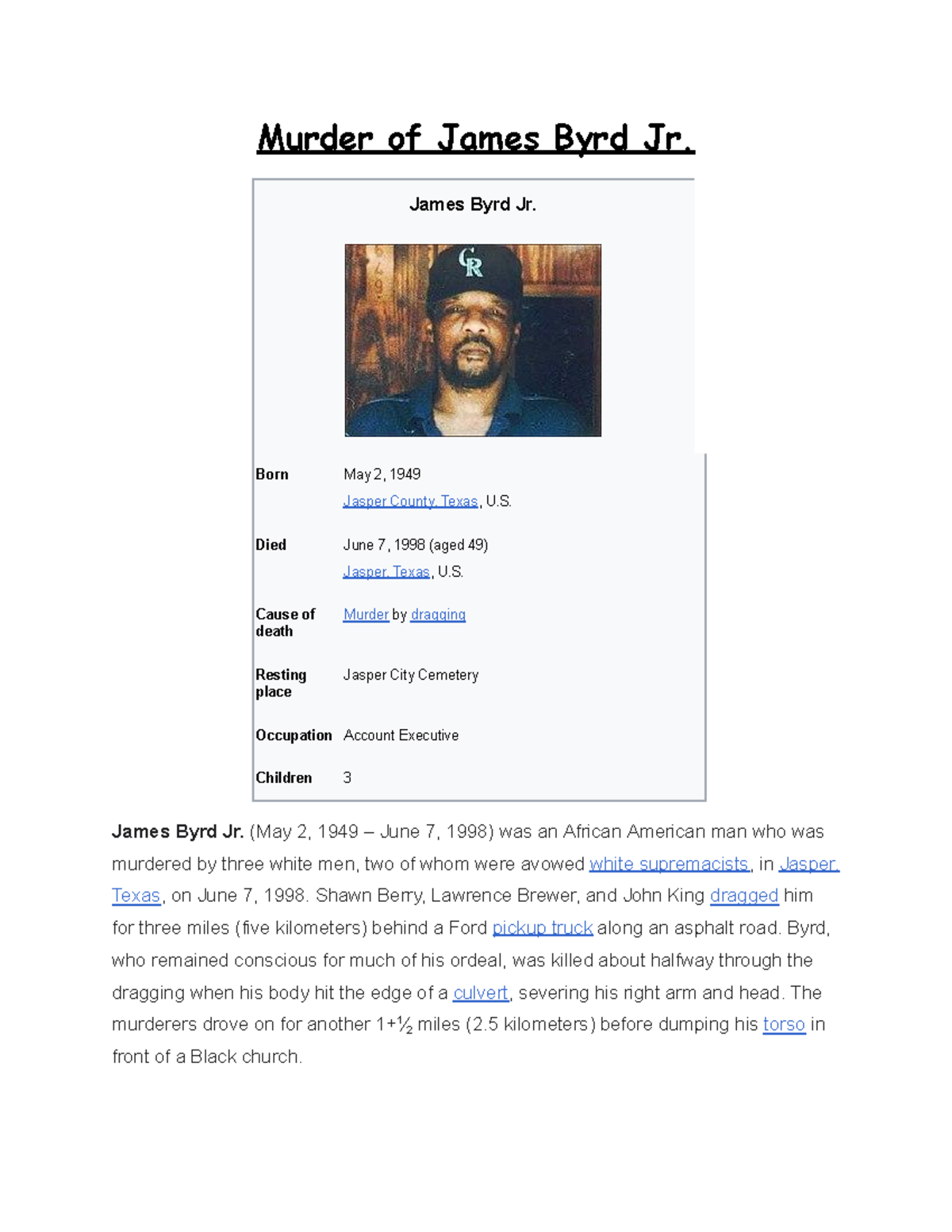
Comprehensive Overview of James Byrd and ASP Professional Context
James Byrd's association with ASP (Application Service Provider or associated professional frameworks) represents a convergence of technical execution, operational governance, and enterprise-level software deployment. Navigating these...
James Byrd's association with ASP (Application Service Provider or associated professional frameworks) represents a convergence of technical execution, operational governance, and enterprise-level software deployment. Navigating these systems requires a precise understanding of technical architecture, regulatory compliance frameworks, and modern 2026 industry standards to maintain optimal performance and security across integrated networks.
Contents
Understanding the Core Architecture of ASP Frameworks
Application Service Provider (ASP) architectures form the foundational layer for delivering software-based services and solutions over a network. Historically, ASP models pioneered the shift from on-premises software installations to centralized, remotely managed hosting environments. Professionals navigating these frameworks, such as James Byrd in technical operations, must evaluate several structural components to ensure system reliability and data integrity.
Centralized hosting shifts the burden of software maintenance, patching, and hardware upgrades away from the end-user device to secure data centers. This centralization requires robust network protocols, secure socket layers, and resilient database management systems.
- Centralized Management: Updates are deployed once on the server side, instantly propagating to all authorized users.
- Scalability: Resources can be dynamically scaled up or down based on organizational demand and concurrent user loads.
- Accessibility: End-users require only a compatible client interface or web browser to execute complex enterprise workloads.
Key Technical Specifications and Deployment Requirements
Executing deployments within an ASP environment demands strict adherence to performance metrics, latency thresholds, and security parameters. System architects and administrative leads focus heavily on uptime guarantees, disaster recovery protocols, and adherence to regulatory mandates like GDPR, HIPAA, or SOC 2 Type II compliance standards.
| Technical Parameter | Standard Benchmark | Enterprise Requirement |
|---|---|---|
| System Uptime | 99.9% Availability | 99.99% High Availability with Failover |
| Data Encryption | AES-256 at Rest | TLS 1.3 in Transit with Key Rotation |
| Recovery Point Objective (RPO) | Under 1 Hour | Near-Continuous Replication |
| Recovery Time Objective (RTO) | Under 4 Hours | Instantaneous Failover Protocols |
Optimizing these metrics involves rigorous load testing, continuous network monitoring, and automated threat detection systems. When evaluating deployment success, technical leads measure throughput, packet loss, and server response times to preemptively identify bottlenecks before they impact end-user productivity.
Step-by-Step Guide to Managing ASP Environments
Proper administration of application service frameworks requires a methodical approach to provisioning, monitoring, and decommissioning digital assets. The following workflow outlines the standard operational lifecycle for maintaining enterprise-grade ASP stability.
- Pre-Deployment Assessment: Audit existing network infrastructure, bandwidth capacity, and security policies to ensure compatibility with the target ASP architecture.
- Access Control Configuration: Establish Role-Based Access Control (RBAC) frameworks alongside Multi-Factor Authentication (MFA) to restrict unauthorized entry points.
- Data Migration and Synchronization: Execute secure, encrypted data transfers from legacy databases to the centralized hosting environment, performing checksum verifications post-transfer.
- Performance Tuning: Configure caching layers, balance server loads across multiple nodes, and set up automated alerts for resource exhaustion or latency spikes.
- Continuous Auditing: Review access logs, security patches, and backup integrity on a scheduled weekly and monthly cadence to maintain compliance readiness.
Comparative Analysis of Traditional vs. Modern ASP Models
The evolution of application delivery has transformed how organizations deploy software. Modern cloud-native architectures have largely subsumed traditional ASP models, yet the core principles of centralized hosting and remote management remain intact.
| Feature | Traditional ASP Model | Modern Cloud-Hosted Architecture |
|---|---|---|
| Infrastructure | Dedicated or shared physical servers | Elastic virtualized cloud containers |
| Customization | Limited multi-tenant configurability | High adaptability via microservices and APIs |
| Billing Structure | Fixed recurring hosting fees | Consumption-based pay-as-you-go scaling |
| Maintenance | Manual vendor-managed patching | Automated continuous integration and deployment |
Understanding these distinctions allows technical strategists to select the appropriate deployment model based on cost efficiency, regulatory constraints, and long-term organizational scalability goals.
Common Operational Challenges and Troubleshooting Strategies
Even highly optimized ASP environments encounter friction points related to network congestion, synchronization errors, and permission discrepancies. Identifying root causes swiftly minimizes downtime and preserves service level agreements (SLAs).
Network Latency Troubleshooting When end-users experience sluggish application response times, administrators must first isolate whether the bottleneck originates from local ISP routing, corporate VPN encapsulation overhead, or server-side resource exhaustion. Implementing dedicated peering connections and optimizing database query execution plans typically resolves chronic latency issues.
Another frequent challenge involves session timeout errors caused by aggressive idle state configurations. Adjusting token expiration thresholds while maintaining strict security parameters ensures a balance between user convenience and data protection.
Frequently Asked Questions
What is the primary function of an Application Service Provider (ASP) framework?
An ASP framework delivers software applications and services to customers over a network, typically via the internet, from a centralized data center. This model eliminates the need for local installations and shifts maintenance to the service provider.
How do security standards impact modern ASP deployments?
Modern deployments must comply with rigorous data protection frameworks, utilizing end-to-end encryption, strict access controls, and regular vulnerability assessments to safeguard sensitive information against cyber threats.
What qualifications are necessary for managing complex ASP infrastructures?
Administrators typically require deep expertise in network architecture, database management, cloud orchestration tools, and enterprise cybersecurity protocols to maintain system resilience.
Can legacy systems be integrated into contemporary ASP environments?
Yes, through the use of customized API wrappers, middleware, and secure data migration pipelines, legacy software can often interface successfully with modern hosted frameworks.
How is system reliability measured in enterprise-grade service models?
Reliability is quantified using availability percentages (such as "four nines" uptime), mean time between failures (MTBF), and adherence to strict recovery time and recovery point objectives.
Strategic Recommendations for Technical Execution
Organizations and technical leads engaging with complex ASP frameworks must prioritize proactive monitoring, comprehensive documentation, and continuous security hardening. By maintaining rigorous adherence to industry compliance standards and establishing clear operational workflows, teams can mitigate risks, ensure high availability, and deliver consistent performance across all integrated enterprise applications.
Image Gallery