Complete Guide to Visiting the Ethridge, TN Amish Community: Tours, Etiquette, and Farm Shopping
Ethridge, Tennessee, is home to the largest Old Order Amish settlement in the American South, comprising over 250 families of the conservative Swartzentruber order across Lawrence County. Visitors navigate rural backroads to buy handcr...
Ethridge, Tennessee, is home to the largest Old Order Amish settlement in the American South, comprising over 250 families of the conservative Swartzentruber order across Lawrence County. Visitors navigate rural backroads to buy handcrafted furniture, white oak baskets, sorghum molasses, and seasonal produce directly from home farmsteads marked by handmade signs.
Contents
The settlement was founded in 1944 when Amish families migrated from Ohio and Mississippi in search of affordable farmland and religious isolation. Today, this community offers a rare glimpse into an agrarian lifestyle sustained without modern electricity, automobiles, or municipal plumbing.
Planning a trip requires understanding Swartzentruber customs, strict local road safety protocols, and commercial etiquette.
Understanding the Swartzentruber Amish of Lawrence County
The Amish living in and around Ethridge belong primarily to the Swartzentruber Amish affiliation, recognized as one of the most traditional and conservative branches of the Old Order Amish. Unlike more progressive communities in Pennsylvania or Northern Ohio that may permit modern tractor attachments, pneumatic tools, or generator-powered retail spaces, the Ethridge community adheres to rigorous non-conformity guidelines (the Ordnung).
Cultural and Technological Distinctions
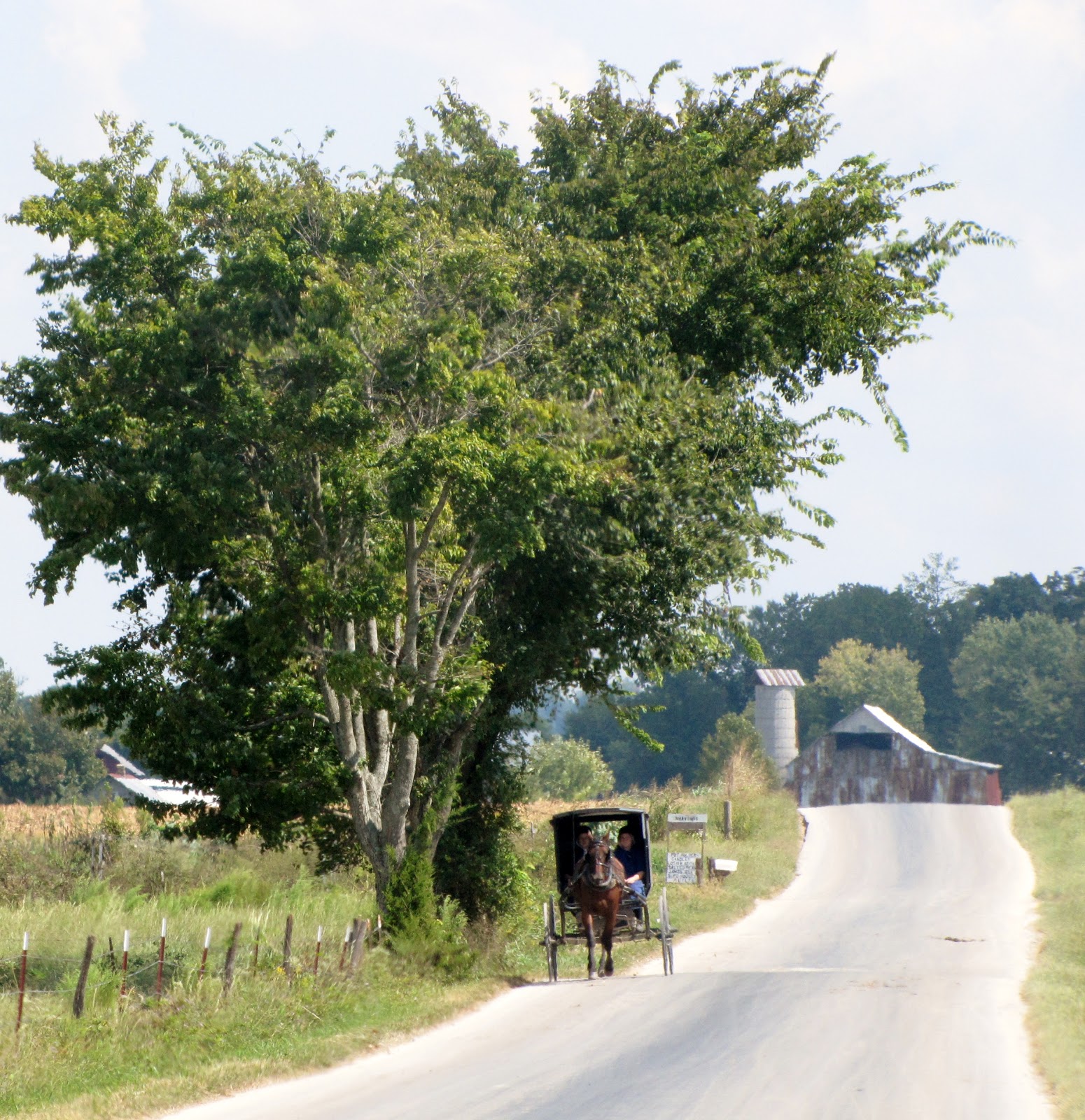
- Transportation: Ethridge Amish travel strictly via horse-drawn buggies equipped with steel wheels rather than rubber tires. Buggies are unadorned, painted uniform black, and feature no windshield glass or electric headlights.
- Farming Practices: Fields are plowed, cultivated, and harvested exclusively using draft horses and mules. Modern diesel tractors are barred from field operations.
- Home Utilities: Homes do not connect to the electrical grid, nor do they feature indoor plumbing or central telephone systems. Illumination is provided by kerosene or lantern systems, and water is hand-pumped from private wells.
- Attire: Men wear plain, dark-colored trousers held by suspenders, solid-colored shirts, and wide-brimmed straw or black felt hats. Women wear modest, full-length solid dresses covered by aprons and cloth bonnets (prayer coverings).
These principles shape how visitors interact with the community. You are stepping onto working, private family homesteads rather than an open-air historical theme park.
How to Navigate the Ethridge Amish Settlement
The Ethridge Amish community is dispersed across an agricultural grid north of Lawrenceburg, bordered roughly by US Highway 43 to the west and spanning several county backroads, including Campbellsville Pike, Dobbins Pike, Plowman Road, and Whistler Cemetery Road.
Key Waypoint Addresses: Amish Welcome Center & Wagon Tours: 4001 US-43, Ethridge, TN 38458 Lawrence County Chamber of Commerce: 25 Public Square, Lawrenceburg, TN 38464
The System of Hand-Painted Signs
The community relies on a decentralized, gate-side commerce model. When an Amish family has goods for sale, they display a hand-lettered wooden sign at the entrance of their driveway.
- The Sign Rule: If a wooden sign is posted at the road (listing items such as "Baskets," "Eggs," "Chow-Chow," or "Woodworking"), the public is welcome to drive down the lane.
- Closed Entrances: If no sign is posted, if the sign is turned backward, or if a chain or gate is closed across the drive, the homestead is strictly private and closed to commercial traffic.
- Entry Protocol: Drive at walking speed down the dirt or gravel lane. Park in designated open areas near the barn or outbuilding—never block buggy paths or barn doors. Wait quietly near the workshop, barn, or porch until a family member greets you.
Guided Tours vs. Self-Guided Driving
Visitors can navigate the area independently or rely on regional tour services departing from the commercial staging areas on US Highway 43.
- Self-Guided Driving Tours: The most common approach. Stop by the Amish Welcome Center on US-43 to pick up an official, updated map of homesteads detailing which family specializes in specific wares (e.g., leather harness repair, bentwood rockers, sorghum, canned goods).
- Horse-Drawn Wagon Tours: Available seasonally (typically April through October) through local operators along Highway 43. These guided wagon rides trace designated routes along the county roads, providing educational context without requiring you to navigate your personal vehicle down unfamiliar single-lane farm roads.
What to Buy: Signature Goods and Seasonal Calendars
Every farmstead focuses on specialized trades passed through generations. Knowing the regional production calendar ensures you find the highest quality products when you visit.
| Product Category | Primary Availability | Common Specialties |
|---|---|---|
| White Oak Baskets | Year-round | Hand-split oak gathering baskets, picnic baskets, pie carriers, laundry hampers |
| Bentwood & Hardwood Furniture | Year-round | Hickory rocking chairs, cedar chests, oak dining tables, porch swings, Adirondack chairs |
| Canned Goods & Jams | Year-round | Tomato chow-chow, pickled okra, blackberry jam, apple butter, sorghum molasses |
| Spring Produce | April – June | Strawberries, asparagus, young greens, radishes, early greenhouse bedding plants |
| Summer Produce | July – September | Sweet corn, heirloom tomatoes, green beans, okra, cantaloupes, watermelons |
| Fall Harvest & Molasses | Late September – November | Pumpkins, winter squash, sweet potatoes, fresh sorghum syrup pressed on-site |
| Leather & Harness Work | Year-round | Custom belts, work boots, draft-horse harnesses, leather conditioning goods |
| Baked Goods | Friday – Saturday (Best selection) | Fried pies (apple, peach, chocolate), sourdough bread, molasses cookies, cinnamon rolls |
Buying Note on Sorghum Molasses: Ethridge is widely celebrated for pure sorghum molasses. During October, several farmsteads operate mule-powered cane presses and open-fire evaporators. The resulting dark, mineral-rich syrup contains no added corn syrup or preservatives.
Essential Etiquette and Behavioral Rules
Visiting a conservative Swartzentruber settlement requires careful attention to social and religious boundaries. Respecting the community's way of life ensures positive interactions for residents and future visitors alike.
1. Photography and Recording Prohibition
The Swartzentruber order strictly enforces the biblical Second Commandment regarding graven images.
- Never photograph or video-record Amish individuals. This includes candid shots from the road, zooming in on children playing, or recording working farmers.
- Taking photographs of people is viewed as an intrusion and an assault on their religious humility.
- Photographs of empty buggies, barns, or landscapes are generally tolerated if taken from public roadways without Amish individuals in the frame, but discretion is urged.
2. Operating Hours and Sunday Observance
- Sunday Closure: Sunday is set aside entirely for worship and family rest. Every Amish home, farm stand, and workshop is closed on Sunday. Do not turn down farm lanes, knock on doors, or attempt transactions on Sundays.
- Weekly Hours: Monday through Saturday, business occurs during daylight hours—typically 8:00 AM until dusk. Avoid arriving at early dawn or after sunset.
- Holidays: Businesses are also closed on major Christian holidays observed by the community, including Good Friday, Ascension Day, Thanksgiving, and Christmas.
3. Financial Transactions
- Cash Only: Modern payment processing terminals, credit cards, and digital apps do not exist on these farmsteads. Carry sufficient cash.
- Small Bills: Bring $1, $5, $10, and $20 bills. Amish shops do not keep large sums of cash on hand to change $50 or $100 bills for minor purchases.
- Taxation: Tennessee sales tax rules apply to retail sales; some larger established shops register transactions, while individual farm gate stands calculate cash totals directly.
4. Property Boundaries and Children
- Do not enter the private living quarters of a home unless invited by the host. Most transactions take place in a detached shed, a porch area, or directly out of a workshop.
- Do not pet farm animals, working draft horses, or farm dogs without explicit permission.
- Do not offer modern toys, candy, or processed snacks to Amish children.
Road Safety: Sharing Rural Lanes with Horse-Drawn Traffic
The roads winding through Ethridge are narrow, often shoulderless, and feature blind hills and sharp curves. Sharing the roadway with slow-moving buggies, draft teams, and pedestrians requires deliberate defensive driving.
Standard Speed Disparity: Motor Vehicles: 40 - 55 MPH Amish Buggies: 5 - 8 MPH Closing Distance at 50 MPH: Over 60 feet per second
Navigating Around Buggies
- Reduce Speed Immediately: When you spot a black buggy or a pedestrian, decelerate immediately. Because Swartzentruber buggies do not utilize bright orange fluorescent safety triangles (they use modest reflective tape and lantern lighting to avoid worldly display), they blend into deep shadow under tree canopies.
- Blind Hills and Double Yellow Lines: Never pass a buggy on a curve or when approaching the crest of a hill. The state of Tennessee applies standard traffic laws to all two-lane county routes; passing across double yellow lines is illegal and dangerous.
- Passing Distance: When the road is clear, pass slowly with ample buffer space (at least 6 to 8 feet). Do not accelerate aggressively alongside the horse.
- No Horns: Never honk your vehicle's horn to greet an Amish family or alert them to your presence. Horns can spook horses, leading to catastrophic runaway accidents or carriage rollovers.
- Night Driving Precautions: Exercise heightened caution when driving through Ethridge after dark. Buggies use oil lanterns that are significantly dimmer than standard automotive tail lights.
Comparison: Homestead Shopping vs. Highway 43 Country Stores
Visitors to Lawrence County can choose between purchasing items directly from Amish farmsteads or shopping at non-Amish commercial country stores located along the US Highway 43 corridor.
| Factor | Direct Farmstead Purchases | Highway 43 Commercial Stores |
|---|---|---|
| Pricing | Lowest; direct producer prices without retail markups | Higher; reflects retail overhead and curation |
| Payment Options | Cash only (occasional local check) | Cash, Credit Cards, Debit, Mobile Pay |
| Operating Days | Monday – Saturday (Strictly closed Sunday) | Open 7 days a week (most locations) |
| Product Origin | Made directly on that specific farm or by neighbors | Mix of local Amish goods and commercial factory items |
| Custom Work | Yes; direct consultation with woodworkers and quilters | Limited to in-stock inventory |
| Restrooms & Amenities | None; completely private farmsteads | Full public restrooms, food service, air conditioning |
| Interaction Level | High personal engagement with producers | Standard retail cashier transaction |
Frequently Asked Questions
What days are the Ethridge Amish shops open?
The Ethridge Amish shops and farm stands are open Monday through Saturday during daylight hours (typically 8:00 AM to 5:00 PM). They are strictly closed on Sundays and major religious holidays such as Good Friday, Ascension Day, and Christmas.
For the best selection of baked goods and freshly harvested produce, visit on Friday or Saturday morning. However, weekday visits (Tuesday through Thursday) offer fewer crowds and more time to speak directly with craftsmen about custom woodwork.
Can you take photos of the Amish in Ethridge?
No, you should never take photographs or video recordings of the Amish people in Ethridge. The Swartzentruber community views photography as a violation of the biblical command against making graven images and a disruption of Christian humility.
If you wish to photograph the countryside, ensure no individuals or working families are captured in the frame. Always keep cameras and smartphones tucked away when entering farm driveways and workshops.
Do Ethridge Amish accept credit cards or checks?
No, Ethridge Amish do not accept credit cards, debit cards, or mobile payment services. Transactions are strictly cash-only due to their avoidance of electrical devices and modern banking technology.
It is strongly advised to carry small denominations ($1, $5, $10, and $20 bills). Most homestead shops cannot make change for $50 or $100 bills, and nearby ATMs along Highway 43 may run low on cash during busy autumn weekends.
Where should I start my visit to the Ethridge Amish community?
Begin your visit at the commercial Welcome Center staging areas located along US Highway 43 in Ethridge. There, you can purchase detailed driving maps that list current farm locations and their specific goods.
The Welcome Center also features public restrooms, local information specialists, and access to horse-drawn wagon tour operators if you prefer not to drive your personal car along single-lane agricultural routes.
How do I know if an Amish farm is open for business?
A farm is open for business if there is a hand-painted wooden sign posted visibly at the road entrance detailing products for sale. If the sign is missing, turned backward, or the gate is shut, the homestead is closed to visitors.
Never drive past "Private Property" or "No Trespassing" markers, and never attempt to walk up to houses that do not have active commercial signage posted at the main roadway.
Planning Your Excursion to Lawrence County
A successful day trip through Ethridge combines rural exploration with practical preparation. Fill your vehicle's fuel tank before venturing deep into the county road network, keep a cooler with ice in your trunk to store fresh farm eggs, raw-milk cheeses, and baked goods, and carry sufficient cash in small bills.
By driving cautiously, respecting the family boundaries of the homesteads, and honoring the Swartzentruber order's religious guidelines, you will enjoy a cultural and shopping experience rooted in early American craftsmanship.
Image Gallery