The Truth Behind Peter Frampton’s Hair Evolution and Wig Rumors
The persistent discussions around Peter Frampton’s hair evolution stem from his dramatic visual transition from a 1970s rock icon—famous for his flowing golden curls—to embracing natural male pattern baldness in the late 1980s and 1990...
The persistent discussions around Peter Frampton’s hair evolution stem from his dramatic visual transition from a 1970s rock icon—famous for his flowing golden curls—to embracing natural male pattern baldness in the late 1980s and 1990s. Despite long-standing rumors, Frampton never wore a wig or hairpiece, choosing instead to cut his hair short and perform naturally.
Contents
From Golden Locks to Clean-Cut: The Visual Journey of a Rock Legend
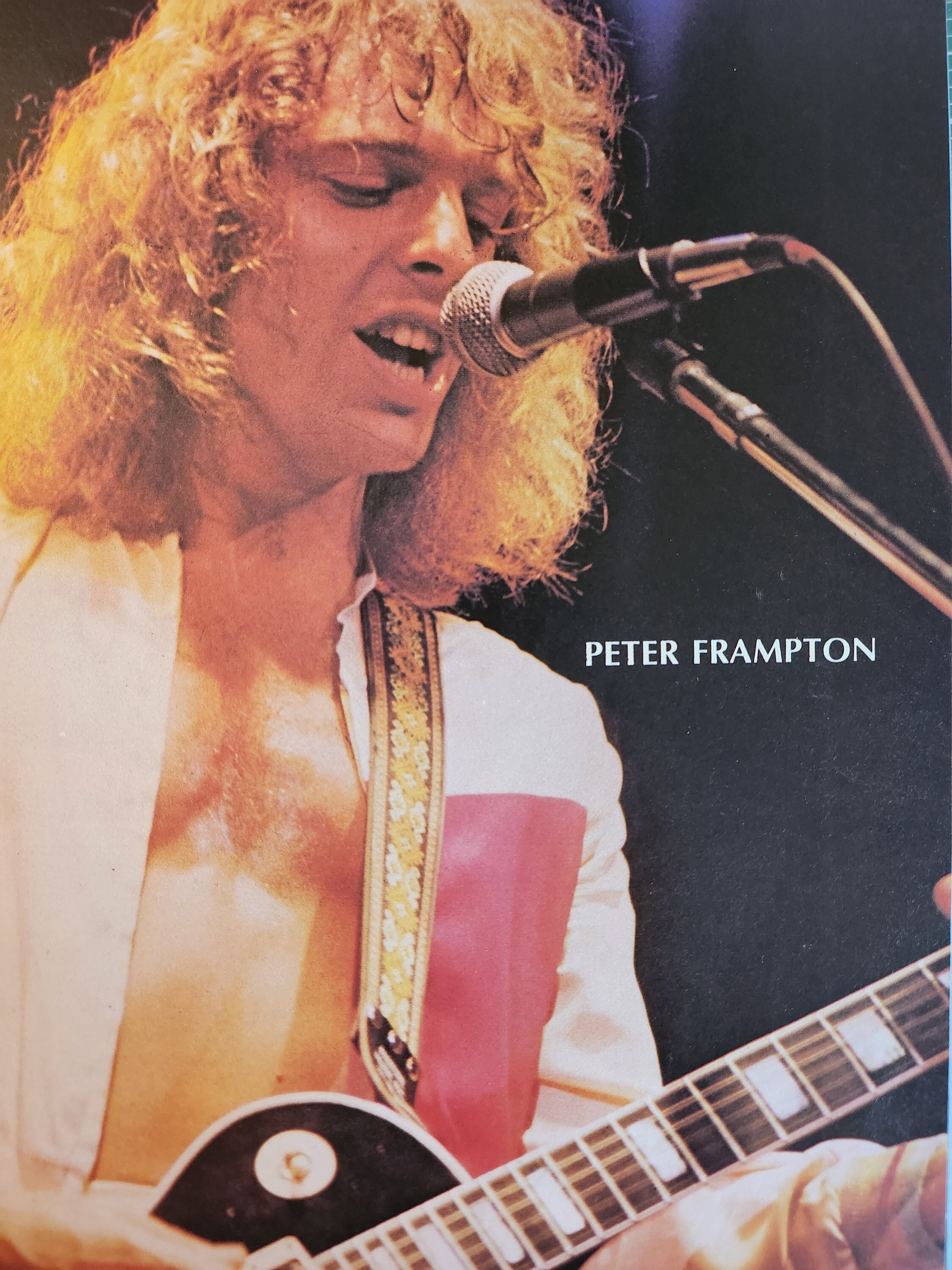
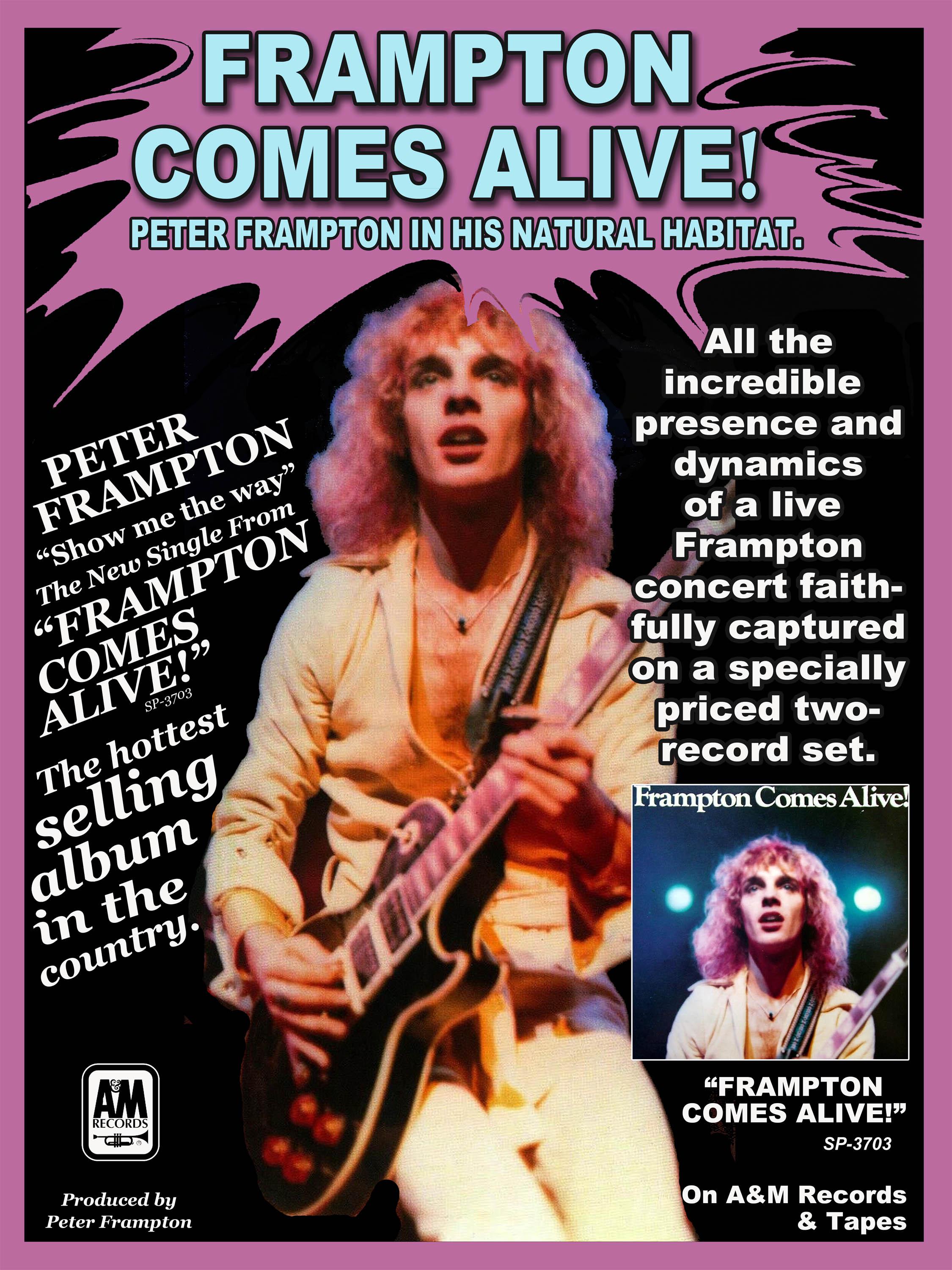
In the mid-1970s, few musicians exemplified the visual archetype of the rock star quite like Peter Frampton. Following his early success with Humble Pie and the runaway commercial triumph of his 1976 double live album Frampton Comes Alive!, his image became globally recognizable. Frampton was featured prominently on magazine covers—most famously photographed by Francesco Scavullo for Rolling Stone—with sun-bleached, cascading blonde curls framing an open-chested, youthful look. That imagery established a high aesthetic standard in the pop-cultural psyche, making any subsequent change in his appearance intensely scrutinized by media and fans alike.
As the decade turned into the 1980s, the physical realities of genetic hair thinning began to conflict with the image established during his stadium-rock peak. Male pattern baldness (androgenic alopecia) is common, yet in the image-obsessed music industry of the 1980s, visible hair loss was often viewed by record executives as a potential liability for romantic rock leads.
Rather than undergoing secret procedures, wearing hairpieces, or resorting to elaborate stage wigs, Frampton chose a gradual and ultimately decisive shift. By the time he joined his childhood friend David Bowie as lead guitarist on the 1987 Glass Spider Tour, Frampton had significantly trimmed his locks. By the early 1990s, he abandoned long hair entirely, cropping his remaining hair extremely short before transitioning to his modern cropped look.
- 1970s: Long, blonde curls (Frampton Comes Alive!)
- 1980s: Thinner, feathered mid-length hair (Glass Spider Tour)
- 1990s: Short cropped natural style (Frampton Forgets the Words era)
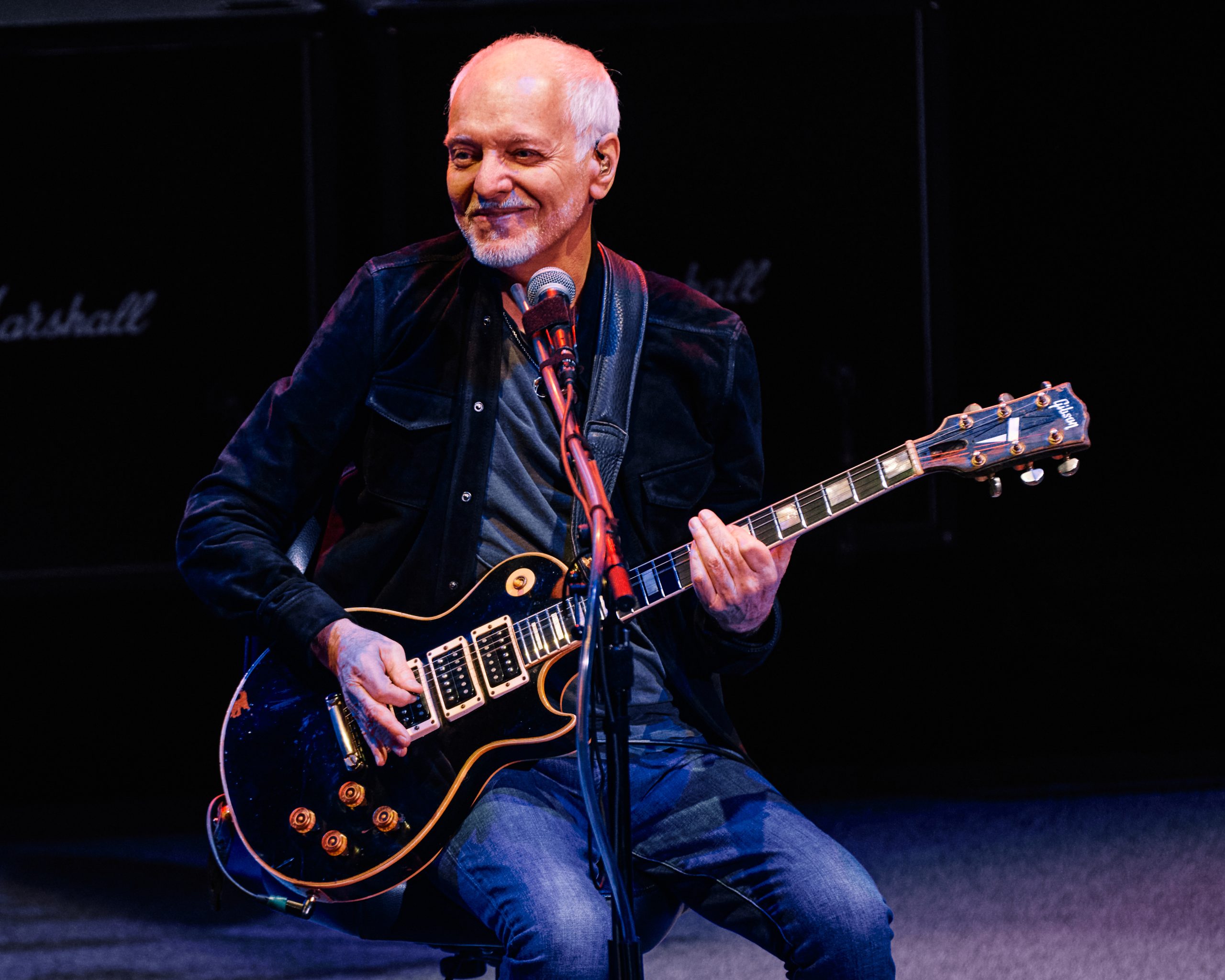
- 2000s+: Fully embraced natural baldness / clean short cut
Debunking the "Wig Changes" Rumor: Public Perception vs. Reality
The persistent internet search queries regarding "Peter Frampton wig changes" or his alleged use of hairpieces stem largely from urban legend, public surprise, and the stark visual contrast between his 1976 heartthrob image and his late-career look. In the 1980s and 1990s, tabloids routinely speculated that aging rock stars who altered their hair were attempting to cover up hair loss with toupees, hair weaves, or custom wigs.
Frampton has confronted these rumors directly across dozens of media appearances and within his 2020 autobiography, Do You Feel Like I Do?: A Memoir. His public accounts clarify key points regarding his hair evolution:
- No Hairpieces or Toupees: Frampton has repeatedly confirmed that he never wore wigs or hair extensions during live performances or television appearances. The changes observed by fans were entirely natural variations in length, styling, and progressive hair thinning.
- The Decision to Cut It Short: Frampton noted that trying to maintain a longer hairstyle while experiencing diffuse thinning felt uncomfortable and artificial. Encouraged by family and peers, he cut his hair short, shedding the "golden boy" image to focus entirely on his reputation as a master guitarist.
- Self-Deprecating Humor: Rather than hiding his hair loss, Frampton incorporated it into his stage humor. During live shows throughout the 1990s and 2000s, he frequently made light of his former hair, occasionally joking with audiences about how much easier his morning routine had become without his 1970s mane.
The myth of "wig changes" was further amplified by pop-culture references in television, comedy sketches, and casual music commentary that poked fun at 1970s rock aesthetics. When audiences saw archival footage of his 1976 concert performances back-to-back with modern tour footage, the stark visual difference led uninformed viewers to assume that he must have passed through various hairpiece phases, when in reality he simply let nature take its course.
Comparative Evolution Across Key Career Eras
To clarify how Frampton’s physical image evolved alongside his musical career, the following table details his visual styling, public perception, and musical focus across five decades.
| Career Era | Dominant Style | Public & Media Perception | Actual Hair Status | Musical Focus & Key Milestones |
|---|---|---|---|---|
| Early Career (1969–1974) | Shag cut, shoulder-length blonde hair | Up-and-coming guitar prodigy with Humble Pie | Full natural hair, typical late-60s/70s musician style | Heavy blues rock, rhythm and lead guitar |
| Peak Stardom (1975–1979) | Long, volumetric golden curls, open shirts | Global sex symbol, "Golden God" heartthrob | Full natural hair, stylized for album covers and press | Frampton Comes Alive!, Talk Box innovation, massive arena tours |
| Transition Era (1980–1988) | Feathered, shorter cut; receding hairline | Changing visual identity, adapting to 80s MTV era | Onset of androgenic alopecia (male pattern baldness) | Solo albums (Premonition), Bowie’s Glass Spider Tour |
| Reinvention (1989–2005) | Ultra-short crop, clean-cut aesthetic | Re-established as an authentic blues/rock virtuoso | Natural thinning, no hairpieces used | Grammy-winning instrumental work, Fingerprints album |
| Modern Era (2006–Present) | Natural cropped silver hair / shaved look | Respected elder statesman of classic rock | Embraced natural baldness fully | Acoustic tours, Rock & Roll Hall of Fame induction |
How Image Shifts Refocused Frampton’s Musical Legacy
While the sudden change in his appearance initially surprised fans conditioned by 1970s rock marketing, shedding his heartthrob look proved to be a pivotal career turning point. During the height of Frampton Comes Alive!, the intensity of his pin-up status frequently overshadowed his technical competence as a composer and guitarist.
Frampton was an accomplished musician who had been invited into Humble Pie by Steve Marriott at age 18, contributed session work to George Harrison’s iconic triple album All Things Must Pass, and popularized the Talk Box guitar effect. However, the commercial marketing of his physical appearance in 1976 created a fan dynamic where his looks often eclipsed his instrumental skill.
By abandoning the long hair and adopting a simple, no-nonsense look in the 1990s, Frampton redirected the public's focus back to his musicianship. The results were clear across the subsequent decades:
- Instrumental Recognition: Frampton earned widespread critical acclaim for his instrumental guitar work, culminating in a Grammy Award in 2007 for Best Pop Instrumental Album for Fingerprints.
- Peer Collaboration: Liberated from the teen-idol moniker, he toured and collaborated extensively with respected artists, including B.B. King, Ringo Starr’s All-Starr Band, Sonny Landreth, and Kenny Wayne Shepherd.
- Redefining Aging in Rock: Frampton became an early example of a high-profile 1970s rock artist who aged authentically on stage, demonstrating that artistic credibility relies on musical execution rather than maintaining a youthful physical appearance.
Misconceptions vs. Verified Historical Facts
To provide absolute clarity on this topic, several long-standing myths regarding Peter Frampton’s physical appearance can be evaluated against documented records:
Myth 1: Frampton wore a toupee on stage during the late 1980s.
- Fact: Frampton never used toupees or stage wigs. His shorter hairstyles in the late 1980s reflected natural hair thinning that was trimmed progressively shorter to maintain a tidy appearance before he adopted a cropped style.
Myth 2: A sudden medical event caused his hair loss in his early 30s.
- Fact: Frampton’s hair loss was the result of standard male pattern baldness, influenced by genetics. While he survived a serious automobile accident in the Bahamas in 1978, his hair loss occurred gradually over the subsequent decade through natural processes.
Myth 3: Changing his look hurt his touring career.
- Fact: While his commercial record sales slowed in the 1980s compared to his historic 1976 peak, his live touring business remained solid for decades. Audiences continuously attended his concerts for his signature guitar tone, fluid solos, and charismatic stage presence.
Frequently Asked Questions
Did Peter Frampton ever wear a wig or hairpiece on stage?
No, Peter Frampton never wore a wig, toupee, or hairpiece during his live performances or TV appearances. Despite persistent rumors fueled by his dramatic visual transformation between the 1970s and 1990s, Frampton chose to cut his hair short naturally as he experienced normal male pattern baldness.
Why did Peter Frampton cut his iconic long hair in the late 1980s?
Frampton cut his long hair because he was experiencing progressive hair thinning due to genetic male pattern baldness. Rather than attempting to hide the loss with artificial pieces or comb-overs, he made the deliberate choice to adopt a clean, short hairstyle that suited his mature aesthetic.
How did the change in his appearance affect his guitar career?
Shedding his 1970s "heartthrob" image allowed critics and fans to refocus entirely on Frampton’s technical skill as a guitarist. This shift led to a second career peak focused on musical virtuosity, earned him a Grammy Award for his instrumental album Fingerprints, and solidified his standing as a master guitarist.
What guitar is Peter Frampton most famous for playing?
Frampton is most famous for playing a modified 1954 Gibson Les Paul Custom nicknamed the "Phenix." The guitar was featured on the cover of Frampton Comes Alive!, was thought to be destroyed in a 1980 cargo plane crash in Venezuela, and was miraculously recovered and reunited with Frampton in 2011.
When was Peter Frampton inducted into the Rock and Roll Hall of Fame?
Peter Frampton was officially inducted into the Rock and Roll Hall of Fame as part of the Class of 2024, honoring his decades-long contributions as a performer, songwriter, and guitar innovator.
Practical Takeaway for Classic Rock Enthusiasts
Understanding the truth behind Peter Frampton’s hair evolution highlights an important lesson in music history: physical image in rock and roll is often shaped as much by record company marketing as by the artists themselves. When exploring classic rock lore, distinguishing between tabloid speculation and verified biographical facts provides a deeper appreciation for the artist's true legacy.
For fans wanting to explore Frampton's music beyond his visual image, his recommended listening catalog includes:
- Humble Pie – Performance Rockin' the Fillmore (1971): Showcases his early blues-rock guitar firepower alongside Steve Marriott.
- Peter Frampton – Frampton Comes Alive! (1976): The defining live album of the 1970s featuring his famous Talk Box work on "Do You Feel Like We Do."
- Peter Frampton – Fingerprints (2006): The Grammy-winning instrumental album showcasing his technical versatility in jazz, rock, and blues.
- Peter Frampton – Frampton Forgets the Words (2021): A powerful collection of instrumental guitar covers demonstrating his refined tone and phrasing.
Image Gallery