Warts: Evidence-Based Home Removal Methods and Clinical Safety Protocols for 2026
Removing common warts at home involves the targeted application of topical keratolytic agents, such as salicylic acid, to gradually break down the thickened skin caused by the Human Papillomavirus (HPV). While these over-the-counter re...
Removing common warts at home involves the targeted application of topical keratolytic agents, such as salicylic acid, to gradually break down the thickened skin caused by the Human Papillomavirus (HPV). While these over-the-counter remedies are effective for many, they require consistent, multi-week adherence and must never be used on facial skin, genital areas, or by individuals with underlying health conditions like diabetes.
Contents
Understanding the Nature of Cutaneous Warts
Warts (verrucae) are benign epidermal proliferations caused by various strains of the Human Papillomavirus. The virus enters the skin through small abrasions or compromised tissue, stimulating rapid cell growth in the outer layer. Understanding the pathology is essential before attempting home intervention, as not all skin lesions are warts.
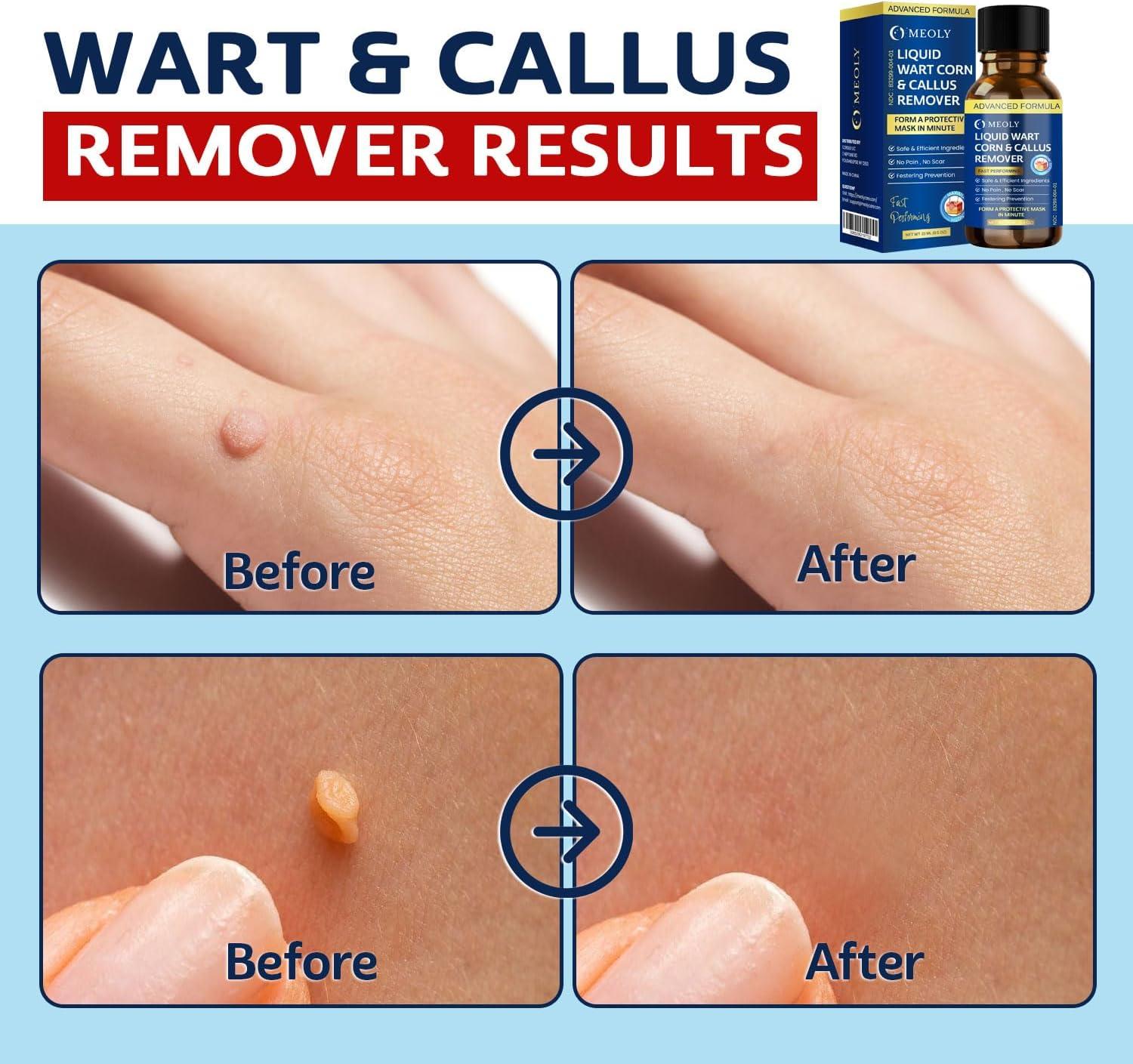
Common warts usually appear as firm, rough, skin-colored papules. They are most frequently found on the hands, elbows, and knees. It is critical to differentiate these from other skin lesions such as seborrheic keratoses, skin tags, or, more importantly, basal cell carcinomas. If a lesion changes color, bleeds, grows rapidly, or presents with irregular borders, you must consult a board-certified dermatologist for professional evaluation rather than attempting home treatment.
Criteria for Safe Home Removal
Not every patient is a candidate for home-based wart removal. Before selecting a treatment method, perform a risk assessment based on the following safety guidelines:
- Location Constraints: Never attempt to remove warts located on the face, eyelids, lips, or genitals using home remedies. These areas have delicate tissue and require specialized clinical management.
- Systemic Health: If you have diabetes, peripheral vascular disease, or any condition that impairs blood circulation or wound healing, avoid home treatments. These conditions significantly increase the risk of ulceration and secondary infection.
- Immune Status: Individuals with compromised immune systems should consult a physician, as their body’s ability to fight off the underlying HPV infection is reduced, often necessitating prescription-strength immunotherapy or surgical intervention.
- Lesion Appearance: If the lesion is pigmented, dark, or lacks the characteristic "dotted" appearance of a wart, it may require a biopsy. Do not treat undiagnosed growths.
Primary Home Treatment Methods in 2026
The following table compares the most common, clinically accepted methods for home wart management. These methods are categorized by mechanism of action and typical duration of treatment.
| Treatment Method | Mechanism | Typical Duration | Best Suited For |
|---|---|---|---|
| Salicylic Acid (Liquid/Gel) | Keratolytic (Chemical Exfoliation) | 6 to 12 weeks | Common warts on hands/feet |
| Salicylic Acid (Adhesive Pads) | Occlusion + Keratolysis | 4 to 8 weeks | Plantar warts |
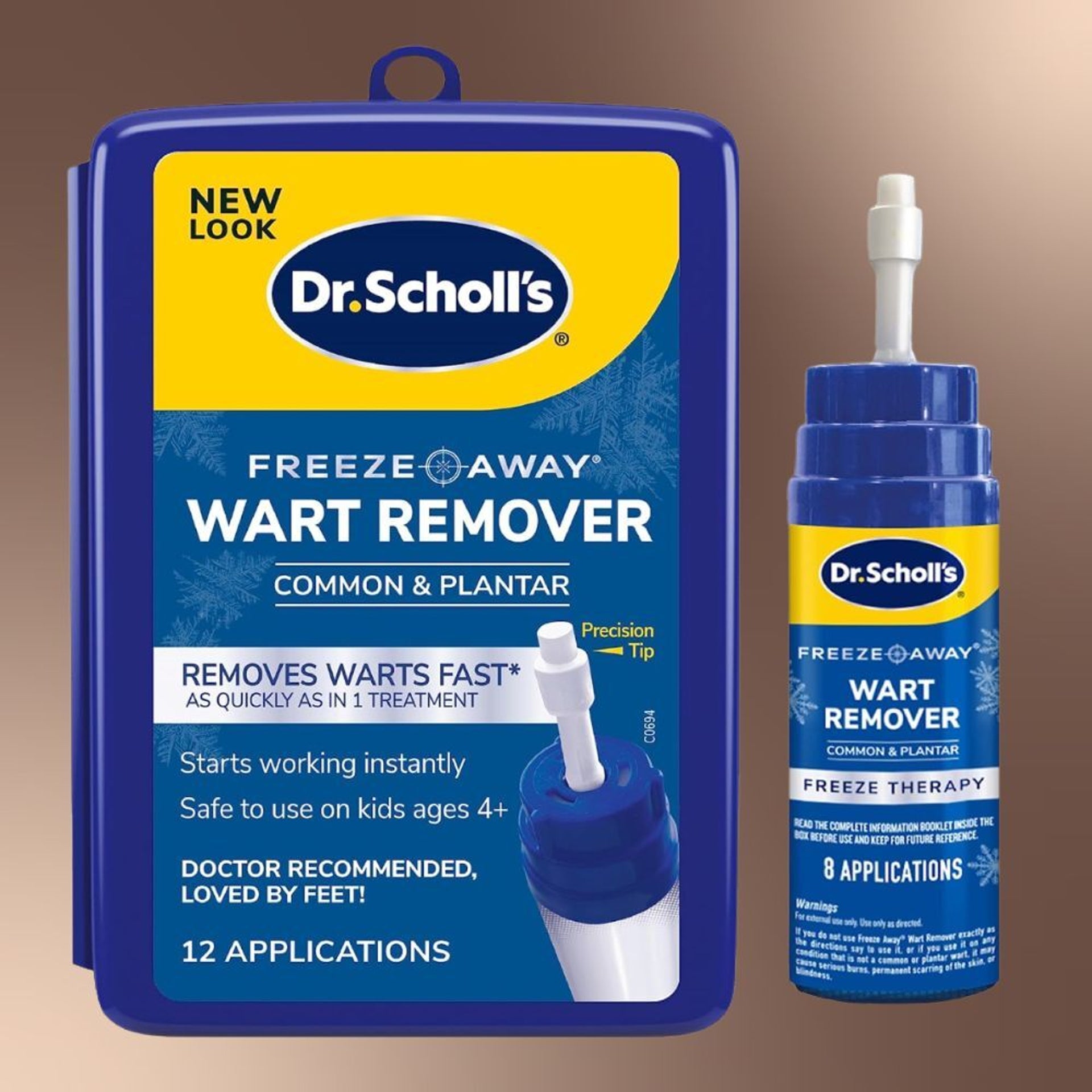
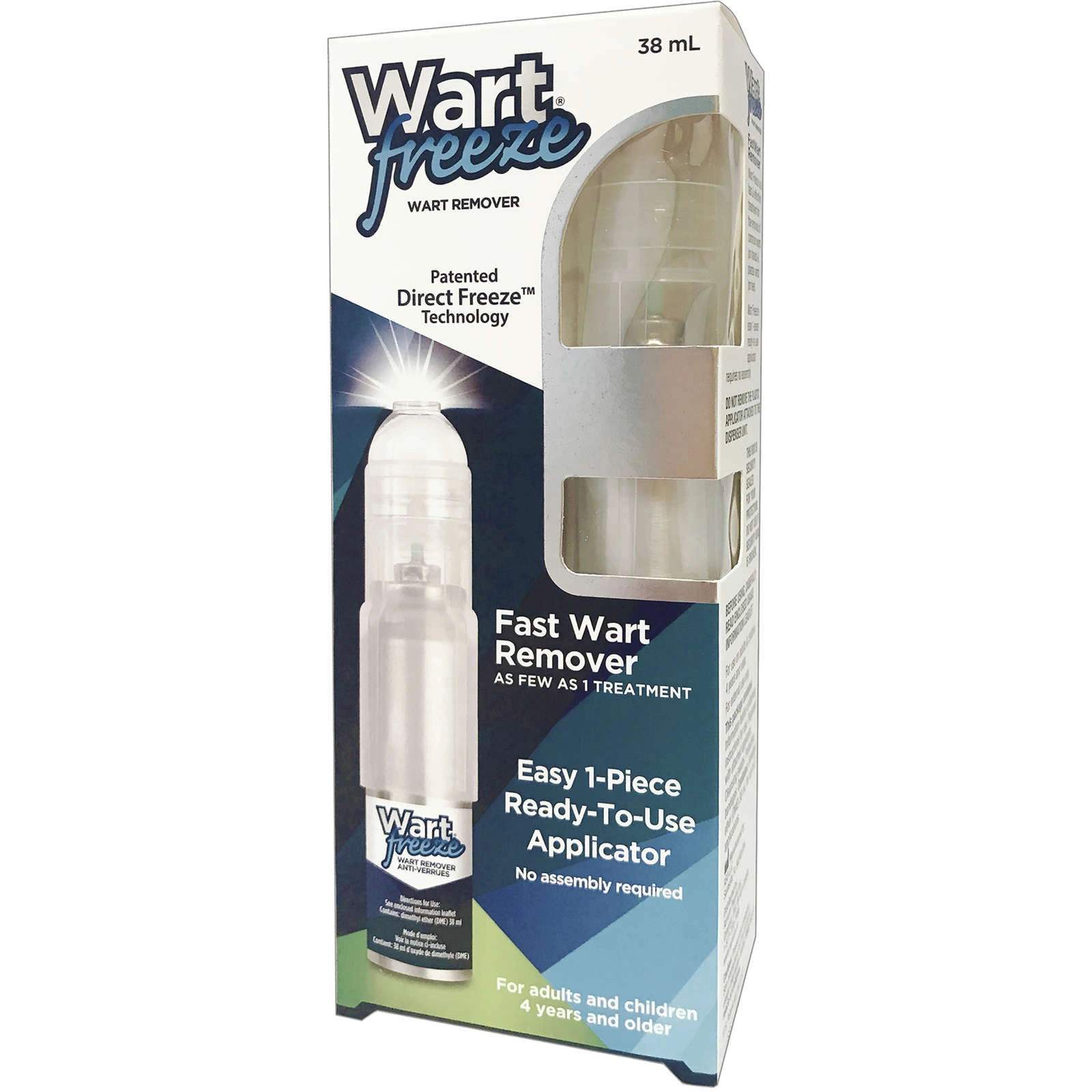
| Cryotherapy (OTC Kits) | Controlled Freezing | 2 to 4 sessions | Small, mature warts |
| Duct Tape Occlusion | Irritation + Immune Response | 8+ weeks | Low-cost initial attempt |
Detailed Application of Salicylic Acid
Salicylic acid remains the gold standard for home treatment because it is well-tolerated and effective. For maximum efficacy in 2026, follow this structured application protocol:
- Preparation: Soak the affected area in warm water for 5 to 10 minutes to soften the keratinized tissue.
- Debridement: Use a disposable emery board or pumice stone to gently abrade the surface of the wart. Use this tool exclusively for the wart to prevent autoinoculation of the virus to other skin areas.
- Application: Apply the salicylic acid precisely to the wart. Avoid the surrounding healthy skin, as the acid can cause irritation or chemical burns.
- Occlusion: If using a liquid, allow it to dry completely before covering it with a bandage or specialized wart patch.
- Frequency: Repeat this process once or twice daily, or as directed by the product instructions.
The Role of Cryotherapy Kits
OTC cryotherapy kits utilize dimethyl ether and propane to freeze the tissue at temperatures significantly higher than the liquid nitrogen used in dermatology clinics.
- Process: The applicator is pressed onto the wart for the time specified in the instructions (usually 20–40 seconds).
- Goal: The aim is to create a small blister beneath the wart, causing it to detach from the healthy tissue.
- Caution: Do not apply excessive pressure or prolong the exposure beyond the manufacturer's recommendations, as this can lead to permanent scarring or nerve damage in the underlying tissue.
Managing Risks and Complications
Even with careful application, home treatment carries inherent risks. Monitoring the site throughout the treatment period is essential.
Signs of Infection or Complication Localized Inflammation: If the skin surrounding the wart becomes intensely red, swollen, or warm to the touch, discontinue treatment immediately. Purulent Discharge: Any signs of pus or foul-smelling fluid indicate a secondary bacterial infection that requires medical evaluation. Persistent Pain: While mild tenderness is expected during treatment, sharp or throbbing pain may indicate tissue damage or infection. Lack of Progress: If there is no visible improvement after 12 weeks of consistent, correct application, the treatment is likely ineffective, and a clinical assessment is necessary.
Frequently Asked Questions
Can I cut or scrape a wart off with a razor?
No, never attempt to surgically remove a wart using household tools. This creates an open wound, significantly increases the risk of bacterial infection, and can cause the virus to spread to the surrounding skin or via blood droplets.
Why do some warts come back after treatment?
Warts often recur because the underlying viral infection remains in the deeper layers of the epidermis. If the treatment only targets the visible surface growth without addressing the infected keratinocytes, the wart will likely reform. Consistent, long-term adherence is key to viral eradication.
Is duct tape therapy actually effective?
Clinical studies have yielded mixed results regarding the efficacy of duct tape occlusion. The theory is that it irritates the area, triggering an immune response. While it is a low-risk, inexpensive option, it is generally less effective than professional-grade salicylic acid treatments.
How do I prevent the spread of warts to other parts of my body?
Maintain strict hygiene by washing hands thoroughly after touching a wart. Avoid sharing towels, razors, or nail clippers, and keep the wart covered with a bandage to minimize contact with other surfaces or skin.
When should I see a doctor for a wart?
You should see a physician if the wart is on your face or genitals, if you have a compromised immune system, if the lesion is painful or bleeding, or if you have tried OTC treatments for three months without success.
Clinical Alternatives for Persistent Warts
If home remedies fail, medical professionals in 2026 offer several advanced interventions. These include:
- Cantharidin Application: A chemical extract from the blister beetle applied by a doctor to cause a blister, which lifts the wart off the skin.
- Electrosurgery and Curettage: The wart is burned with an electric needle and then scraped off. This is highly effective but carries a risk of scarring.
- Immunotherapy: Medications like imiquimod or injectable antigens (such as Candida antigen) can stimulate the body’s own immune system to identify and destroy the HPV virus.
- Laser Therapy: Pulsed-dye lasers can cauterize the blood vessels feeding the wart, effectively "starving" it until it falls off.
Professional Recommendation
For most patients, starting with a 17% to 40% salicylic acid preparation is the most logical first step. Adherence is the primary factor in successful clearance. Ensure you are debriding the dead skin regularly; without this step, the medication cannot penetrate the dense, viral-laden tissue. If you belong to an insurance plan requiring primary care authorization, such as a localized HMO, schedule a visit with your PCP to receive a referral to a dermatologist for more aggressive treatment options if your initial efforts prove unsuccessful. Always prioritize the health of the surrounding skin and stop treatment if you notice signs of distress or if the lesion's appearance deviates from a standard wart.
Image Gallery