The Truth About Working in Fast Food: Expectations vs. Reality in 2026
Working in fast food in 2026 involves navigating a high-pressure, technologically integrated environment that demands extreme multitasking and emotional resilience. While it offers accessible entry-level employment and flexible schedul...
Working in fast food in 2026 involves navigating a high-pressure, technologically integrated environment that demands extreme multitasking and emotional resilience. While it offers accessible entry-level employment and flexible scheduling, the "truth" is a complex mix of physical exhaustion, rapid skill acquisition in automated systems, and the necessity of managing high-volume customer interactions.
Contents
The Modern Fast Food Environment: What Has Changed?
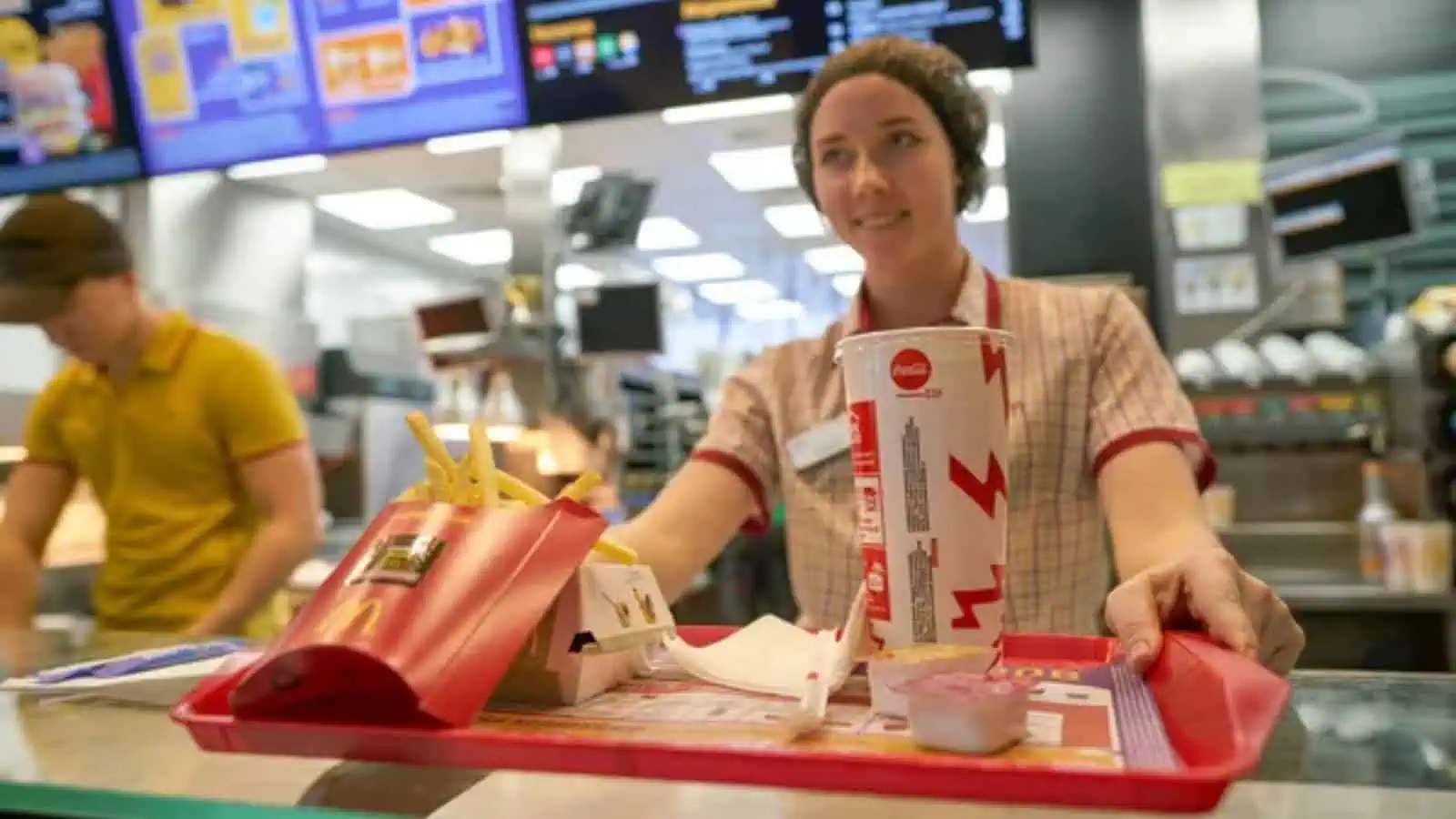
To understand the truth about working in fast food today, one must acknowledge how the industry has pivoted toward a "tech-first" service model. By 2026, the traditional image of a worker standing behind a cash register has largely been replaced or augmented by omnichannel service management. Employees now balance walk-in customers, mobile app orders, third-party delivery tablets, and AI-driven drive-thru lanes simultaneously.
This technological shift means that the job is less about "flipping burgers" in the historical sense and more about system orchestration. Workers must monitor automated cooking platforms, ensure AI kiosks are functioning correctly, and troubleshoot digital order discrepancies. The physical environment remains intense—high temperatures and constant movement are standard—but the cognitive load has increased as employees manage multiple digital streams of data in real-time.
Prerequisites and the Onboarding Process
The barrier to entry for fast food remains low, making it a primary entry point for students, first-time workers, and those re-entering the workforce. However, the requirements have evolved to include a baseline of digital literacy.
Eligibility and Documentation
Most major chains require applicants to be at least 16 years old, though some jurisdictions allow 14- and 15-year-olds with work permits. Standard documentation includes proof of identity and authorization to work (such as a Social Security card or passport). In 2026, background checks have become more common even for entry-level roles, particularly for positions that involve handling cash or high-value inventory.
The Training Phase
Initial training typically lasts between three and seven days. New hires are often paired with a "crew trainer" and must complete a series of digital modules. These modules cover food safety protocols, such as the HACCP (Hazard Analysis and Critical Control Points) standards, which are strictly enforced to prevent foodborne illness. Understanding the "Why" behind these protocols—such as cross-contamination prevention and internal temperature monitoring—is the most critical part of the first week.
The Daily Reality: A Shift-by-Shift Breakdown
The "truth" of the workday depends heavily on the specific shift. Fast food operations are typically divided into opening, mid-day (lunch rush), and closing shifts, each presenting unique challenges.
- The Opening Shift: Workers often arrive as early as 4:00 AM or 5:00 AM. The focus is on logistics: receiving inventory deliveries, calibrating automated fryers, and prepping fresh ingredients. It is physically demanding but generally quieter regarding customer interaction.
- The Lunch Rush: This is the most stressful period. Between 11:30 AM and 2:00 PM, the goal is throughput. Every second counts. Employees are measured on "Time to Table" or "Drive-Thru Window Times," often with a target of under 180 seconds. The psychological pressure here is significant; workers must maintain a friendly demeanor while moving at an aerobic pace.
- The Closing Shift: This shift is centered on sanitation and preparation for the next day. It involves deep-cleaning industrial equipment, degreasing floors, and securing the POS (Point of Sale) systems. Closing shifts often run late, sometimes until 1:00 AM or 2:00 AM, which can disrupt sleep patterns and social lives.
Compensation, Benefits, and Economic Realities
By 2026, the conversation around fast food wages has matured. Following significant labor movements and legislative changes in the early 2020s, many jurisdictions have implemented higher wage floors for fast food workers specifically.
Wage Structures
In many regions, fast food wages have outpaced general retail wages due to the high intensity of the work. However, the "truth" is that these higher hourly rates are often offset by the lack of guaranteed full-time hours. Many workers find themselves "underemployed," working 25-30 hours when they desire 40, as companies seek to avoid overtime pay and certain benefit triggers.
Tuition Assistance and Career Growth
A significant but often overlooked truth is the availability of robust corporate benefits. Companies like McDonald's (through their Archways to Opportunity program) and Starbucks offer substantial tuition assistance and GED programs. For those who stay long-term, the path to management is relatively fast. A General Manager (GM) in 2026 can earn between $60,000 and $90,000 annually, depending on the brand and location, often without a four-year degree.
| Feature | Entry-Level Reality | Management Reality |
|---|---|---|
| Average Hourly Pay | $15.00 - $22.00 (varies by state) | Salary-based ($55k - $90k+) |
| Primary Stressor | Physical speed and customer volume | Labor costs and P&L management |
| Tech Requirement | Operating kiosks and fryers | Data analytics and scheduling software |
| Physical Demand | High (standing 8+ hours) | Moderate (office and floor split) |
| Training Time | 1 week | 3–6 months for certification |
The Social Dynamics: Customers and Coworkers
The "truth" about working in fast food is heavily dictated by human interaction. Because fast food is a "high-volume/low-friction" service, workers often encounter customers at their most impatient.
Managing Conflict
De-escalation is a core skill. Workers are trained to handle "order errors" (real or perceived) with a specific protocol: Listen, Apologize, Satisfy, and Thank (the LAST method). In 2026, many chains have also implemented strict "No Harassment" policies to protect workers from the increasing trend of viral "customer freakout" videos, though the psychological impact of these encounters remains a reality for the staff.
The "Work Family"
Conversely, the shared adversity of a busy shift often creates strong bonds among coworkers. The kitchen environment is highly collaborative; if one person falls behind on the assembly line, the entire system fails. This creates a unique camaraderie that many former fast food workers cite as the most positive aspect of the job.
Common Myths vs. Verified Facts
There are several misconceptions about the industry that deserve clarification based on 2026 industry standards.
- Myth: It is "unskilled labor." Reality: Fast food requires advanced proficiency in logistics, time management, and social engineering. Navigating a complex POS system while managing a robotic fryer and a disgruntled customer requires a high level of executive function.
- Myth: Fast food jobs are only for teenagers. Reality: Data from the Bureau of Labor Statistics and industry reports show the median age of fast food workers has risen. Many workers are adults supporting families or seniors looking for supplemental income and social interaction.
- Myth: The food is "fake" or handled poorly. Reality: Corporate fast food has some of the most rigorous food safety standards in the world. Large chains are subject to more frequent health inspections and internal audits than many high-end independent restaurants.
Transferable Skills for Future Careers
One of the most important truths is that fast food is a premier training ground for other industries. The skills learned here are highly valued by recruiters in healthcare, logistics, and corporate management.
- Conflict Resolution: Learning how to calm an upset customer is a skill that translates directly to HR, sales, and nursing.
- Operational Efficiency: Understanding how to shave seconds off a process is the foundation of Six Sigma and Lean manufacturing principles.
- Reliability under Pressure: Successfully navigating a "Saturday night rush" proves a level of resilience that is difficult to teach in a classroom.
Frequently Asked Questions
Is working in fast food bad for your health?
The physical nature of the job—standing for long periods and repetitive motions—can lead to back, foot, and wrist strain. Furthermore, the constant proximity to high-calorie food can make maintaining a healthy diet challenging if employees rely solely on "shift meals." Proper footwear and conscious meal planning are essential for long-term health in this sector.
How do I handle a "no-call, no-show" culture?
In fast food, reliability is your greatest asset. Because turnover is high and people frequently miss shifts, the "truth" is that if you show up on time and do your job, you will likely be promoted quickly. However, the downside is that reliable employees are often pressured to cover for those who do not show up, leading to burnout.
Can I negotiate my pay in fast food?
At the entry-level, pay is usually standardized by the franchise or corporation. However, if you have prior experience with specific systems (like a specific POS or kitchen tech), you may have leverage for a higher starting rate. Negotiation is more common for Shift Lead or Assistant Manager positions.
What is the biggest challenge for new fast food workers?
Most new hires find the "sensory overload" to be the biggest hurdle. The constant beeping of timers, the heat of the kitchen, the voices over the headsets, and the visual demands of order screens can be overwhelming for the first few days. Most people adapt within two weeks.
Practical Recommendations for Prospective Workers
If you are considering a job in fast food in 2026, start by researching the specific franchise owner. Many locations are owned by large franchise groups rather than the parent corporation; these groups vary significantly in how they treat employees and what benefits they provide.
When you begin, prioritize high-quality non-slip shoes—this is the single most important investment you can make for your physical comfort. During the interview, ask specifically about the "tech stack" the store uses and what the policy is for "predictive scheduling," which can help you maintain a more stable life outside of work. Fast food work is objectively difficult, but for those who can master the pace and the technology, it provides a stable foundation and a clear pathway to management or other professional fields.
Image Gallery