Comprehensive Analysis and Guide to the Seven Film Wiki Landscape
The term "seven film wiki" primarily refers to the dedicated fan-curated databases and collaborative wikis focused on David Fincher’s seminal 1995 thriller, Se7en. This cinematic work remains a cornerstone of neo-noir film analysis, an...
The term "seven film wiki" primarily refers to the dedicated fan-curated databases and collaborative wikis focused on David Fincher’s seminal 1995 thriller, Se7en. This cinematic work remains a cornerstone of neo-noir film analysis, and its digital wikis serve as central repositories for detailed plot breakdowns, character studies, production trivia, and exhaustive examinations of the film’s complex themes.
Contents
Understanding the Role of Collaborative Film Wikis
Wikis dedicated to specific iconic films like Se7en function as decentralized archives. Unlike static reviews or news articles, these platforms leverage a community-driven model where cinephiles aggregate information ranging from minute continuity errors to deep-dive stylistic analyses. In 2026, these wikis remain essential for film students, researchers, and casual viewers attempting to navigate the intricate narrative structure and grim aesthetic of Fincher's masterpiece.
The primary value of these wikis lies in their ability to categorize data points that standard databases often omit. While major industry databases focus on cast and crew credits, the Se7en-focused wiki environments prioritize narrative semiotics, the evolution of the script from Andrew Kevin Walker’s original draft to the final edit, and the technical specifications of the film’s color grading and cinematography.
Historical Context and Production Significance
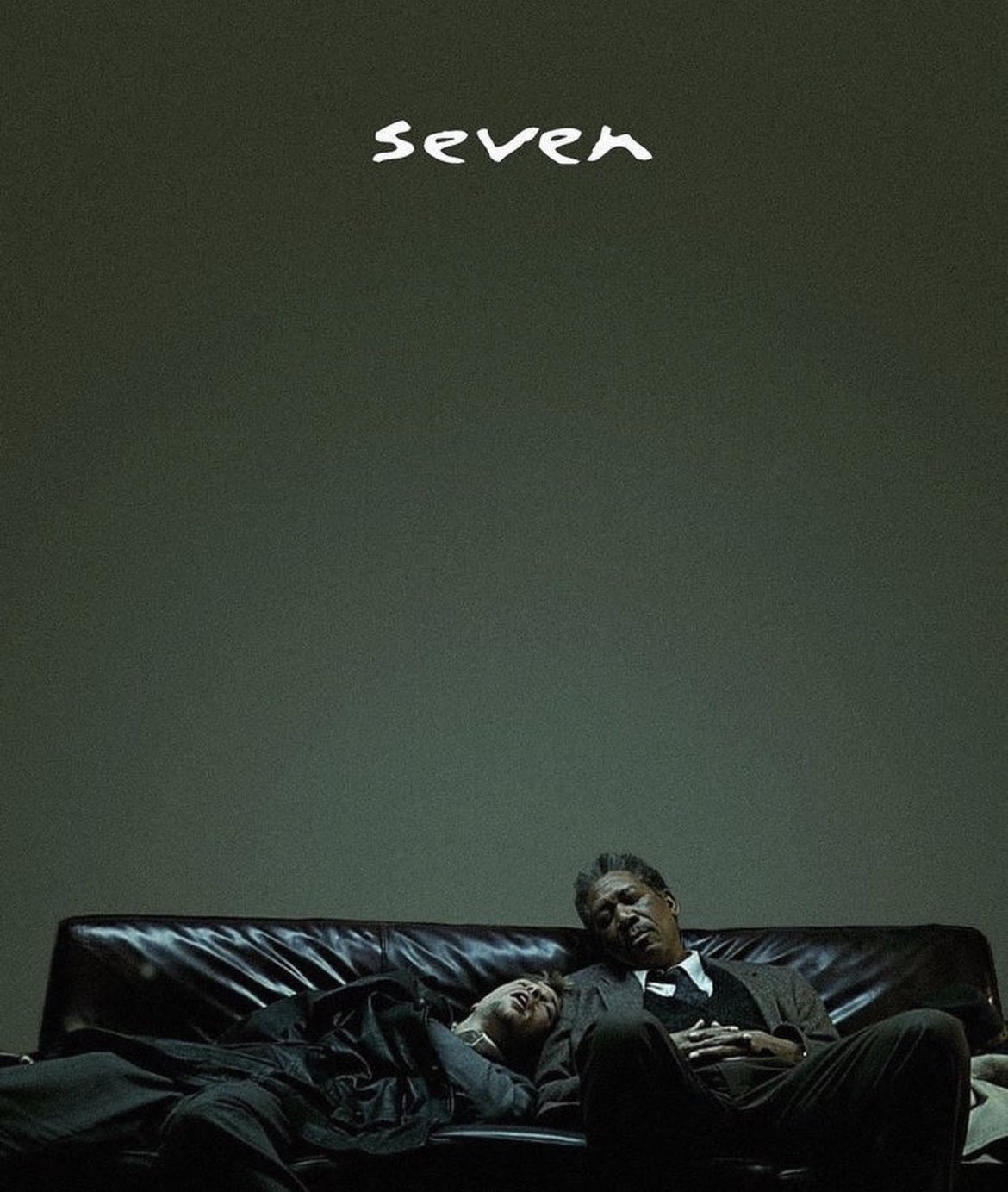
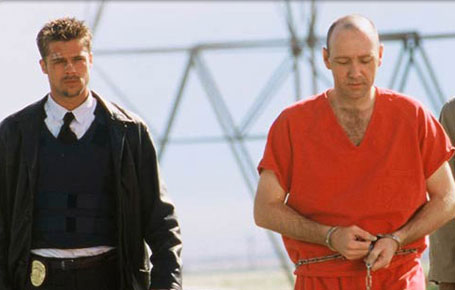
Released in 1995, Se7en redefined the police procedural genre. The film’s narrative follows two detectives—a veteran nearing retirement and a hot-headed newcomer—as they track a serial killer who uses the seven deadly sins as motifs for his murders.
- Director: David Fincher
- Key Cast: Brad Pitt, Morgan Freeman, Gwyneth Paltrow, Kevin Spacey
- Cinematography: Darius Khondji
- Genre: Psychological Thriller / Neo-noir
- Cultural Impact: Widely cited in 2026 as one of the most influential aesthetic templates for modern dark-toned thriller cinema.
Analyzing the Seven Deadly Sins: Narrative Architecture
A significant portion of the wiki content is devoted to the specific theological and thematic manifestations of the seven deadly sins within the film. Understanding these is vital for anyone analyzing the script's internal logic.
| Sin | Victim Archetype | Method of Execution |
|---|---|---|
| Gluttony | The obese man | Forced consumption leading to stomach rupture |
| Greed | The wealthy attorney | Removal of one pound of flesh |
| Sloth | The drug dealer | Immobilization on a bed for one year |
| Lust | The prostitute | Weaponized device used on a client |
| Pride | The aspiring model | Forced disfigurement and suicide |
| Envy | John Doe | Martyrdom and emotional manipulation |
| Wrath | Detective David Mills | Orchestrated emotional climax |
Technical Specifications for Cinephiles
For those engaging with the technical side of the film, wiki resources often detail the specific production techniques that contributed to the movie’s distinct look. In 2026, as digital restoration and high-definition viewing become standard, these technical details are frequently referenced to explain the film's enduring visual quality.
- Bleach Bypass Processing: The unique desaturated look was achieved through a specific laboratory process that retains silver in the film emulsion, resulting in high contrast and muted colors.
- Cinematographic Choices: Darius Khondji utilized low-light exposure techniques and harsh, narrow light sources to create the oppressive, claustrophobic atmosphere of the unnamed, rain-soaked city.
- Editing Pacing: The film’s editing, performed by Richard Francis-Bruce, utilizes subtle rhythmic cuts that emphasize the mounting tension as the detectives get closer to the antagonist.
Addressing Common Discrepancies in Fan Databases
Navigating a wiki requires a level of media literacy. Because these sites are user-generated, they can occasionally contain speculative interpretations alongside verifiable facts. As a researcher, it is important to distinguish between:
- Canonical Information: Facts derived directly from the screenplay, director commentary, and production notes.
- Analytical Theory: Interpretations of symbolism, such as the specific meaning of the books John Doe chooses, which may vary between different editors on the wiki.
- Urban Legends: Rumors regarding alternative endings or cut scenes that have been debunked by production staff over the years.
Frequently Asked Questions Regarding Se7en
Is there a definitive version of the Seven Film Wiki? There is no single "official" wiki; rather, the information is distributed across several community platforms like Fandom or independent film-study databases. Users should cross-reference claims against DVD/Blu-ray special features and interviews with David Fincher for maximum accuracy.
How do these wikis help in analyzing the film's ending? The wikis provide detailed context on the studio's initial hesitation regarding the "box" ending, offering transcripts of debates between the producers and the creative team. This helps viewers understand why the bleak conclusion was essential to the film's thematic integrity.
Does the wiki content cover the 2026 re-releases? Many wikis have been updated in 2026 to include information regarding modern 4K restoration projects, which have brought new attention to the film's visual fidelity and the challenges of remastering a film that relied heavily on specific analog chemical processing.
Are the character biographies accurate? Character profiles on these wikis are generally accurate regarding the narrative, but they often include deep-dive psychological analysis that is interpretive. Use these profiles as a starting point for your own analysis rather than as a primary source for objective truth.
Can I contribute to these databases? Most film wikis allow for community contributions, provided that the entries are supported by citations or links to credible interviews, scholarly articles, or official production materials. Always check the style guide of the specific wiki before making edits.
Practical Research Methodology for Film Students
If you are using these resources for academic or professional film analysis in 2026, adhere to the following workflow to ensure high-quality output:
- Primary Source Validation: Always verify plot points by watching the film sequence in question.
- Commentary Review: Consult the director's commentary track. Fincher is known for providing granular details about the "why" behind every shot, which often contradicts fan speculation found on wikis.
- Thematic Cross-Referencing: Compare the wiki's analysis of the Seven Deadly Sins against the original Thomas Aquinas Summa Theologica or Dante’s Divine Comedy for a more robust academic foundation.
Engaging with the Community
To get the most out of these resources, participate in the discussion pages rather than just reading the main articles. Often, the most valuable insights are found in the talk sections where veteran editors debate the nuances of John Doe's motivation or the specific layout of the city. By participating, you contribute to the ongoing legacy of the film, ensuring that the collective knowledge remains accurate and comprehensive as new generations of viewers discover the work.
For those conducting advanced research, remember that the film’s power lies in its ambiguity. While the wiki provides the map of the narrative, your own critical engagement is what truly unlocks the film's darker, more complex layers. Always prioritize evidence-based claims over speculative fan theories, and use the provided tools to ground your analysis in the reality of the production.
Image Gallery