Navigating the NYC Subway Map D Train: Routes, Terminals, and Commuter Guide for 2026
The New York City subway D train, officially designated as the Sixth Avenue Express, runs from Norwood-205th Street in the Bronx through Manhattan and down to Coney Island-Stillwell Avenue in Brooklyn. It serves as a vital rapid transi...
The New York City subway D train, officially designated as the Sixth Avenue Express, runs from Norwood-205th Street in the Bronx through Manhattan and down to Coney Island-Stillwell Avenue in Brooklyn. It serves as a vital rapid transit corridor for daily commuters, offering express service across major hubs like Midtown Manhattan and downtown Brooklyn while linking residential neighborhoods across three boroughs.
Contents
Understanding the D Train Route and Operational Profile
The D train is one of the most heavily utilized routes within the MTA (Metropolitan Transportation Authority) network. Operating 24 hours a day, 7 days a week, the line features a unique blend of local and express segments depending on the borough and time of day. Knowing the precise geographical footprint of the line helps commuters optimize their daily travel times and avoid unexpected delays caused by ongoing 2026 track maintenance or signaling modernization programs.
In the Bronx, the D train acts as a local service, operating along the Grand Concourse line from its northern terminal at Norwood-205th Street down to 145th Street in Manhattan. Once it enters Manhattan, the train transitions into an express service, bypassing several local stops along Central Park West and Sixth Avenue (Avenue of the Americas) before cutting through Downtown Manhattan and crossing the Manhattan Bridge into Brooklyn. In Brooklyn, the route shifts back to local and express operations depending on the specific branch, ultimately terminating at Coney Island-Stillwell Avenue.
Key Characteristics of the D Line
- Line Color: Bright Orange, designating the Sixth Avenue Express trunk line.
- Boroughs Served: The Bronx, Manhattan, and Brooklyn.
- Primary Trunk Line: IND Sixth Avenue Line.
- Service Type: Local in the Bronx, Express in Manhattan (during daytime hours), and a combination in Brooklyn.
Major Terminals and Key Transfer Stations
Navigating the D train efficiently requires a firm grasp of its primary terminals and major interconnecting stations. These hubs allow riders to transfer seamlessly to other subway lines, commuter rail services, and bus networks across the city.
The northern terminal, Norwood-205th Street in the Bronx, serves as a residential boarding point with connections to several local bus routes. Moving south, the 161st Street-Yankee Stadium station serves as a massive transfer point for B, D, and 4 trains, experiencing heavy passenger surges during New York Yankees home games and major stadium events.
In Manhattan, Midtown hubs such as 42nd Street-Bryant Park and 34th Street-Herald Square offer direct transfers to major crosstown lines and regional shopping districts. Further downtown, Broadway-Lafayette Street and West 4th Street-Washington Square connect passengers to the B, C, E, F, M, and 6 trains, knitting together the West Village, East Village, and SoHo neighborhoods.
Primary Transfer Hubs Along the Route
- Norwood-205th Street: Northern terminal; connects to Bx10, Bx28, and Bx38 buses.
- 161st Street-Yankee Stadium: Connects to the 4 train and local Bronx buses.
- 59th Street-Columbus Circle: Connects to the A, B, C, and 1 trains.
- 34th Street-Herald Square: Connects to the B, F, M, N, Q, R, and PATH trains.
- Broadway-Lafayette Street / Bleecker Street: Connects to the B, F, M, 4, and 6 trains.
- Atlantic Avenue-Barclays Center: Brooklyn hub connecting to the 2, 3, 4, 5, B, Q, N, R, and Long Island Rail Road (LIRR).
- Coney Island-Stillwell Avenue: Southern terminal; connects to the F, N, and Q trains.
D Train Service Patterns and Express vs. Local Operations
Understanding when and where the D train runs express is essential for minimizing commute times. While MTA scheduling can experience modifications due to capital improvement projects, the standard operational framework remains consistent.
During peak morning and evening rush hours, D trains operate express in Manhattan between 145th Street and Lower East Side-Second Avenue (via Manhattan Bridge), skipping intermediate local stations served by the B and C trains. Late nights and weekends often bring service adjustments, where the D train may run local in certain zones or be rerouted over the Concourse local track or via the Rutgers Street tunnel due to maintenance windows.
| Segment | Normal Weekday Service | Rush Hour Pattern | Weekend / Late Night Pattern |
|---|---|---|---|
| The Bronx (205th St to 145th St) | Local | Local | Local (or modified terminal) |
| Manhattan (145th St to Canal St) | Express (via Sixth Avenue) | Express (via Sixth Avenue) | Local or Express depending on weekend work |
| Brooklyn (DeKalb Ave to Coney Island) | Express/Local mix via Manhattan Bridge | Express/Local mix via Manhattan Bridge | Rerouted or running local variants |
Navigating Disruptions, Delays, and Real-Time Tracking
Unplanned service changes, signal failures, and scheduled weekend maintenance can disrupt even the most carefully planned commutes. Relying on official MTA tools and modern transit tracking methods ensures you stay informed of real-time status updates before entering a station.
The MTA provides up-to-the-minute countdown clocks on platform digital screens, alongside official mobile applications that display live train locations. When riding the D train, listen closely to conductor announcements and monitor digital LED signs inside the train cars, as express trains can occasionally be rerouted via local tracks or alternative bridge crossings during emergency situations or heavy maintenance operations.
Best Practices for Managing Service Disruptions
- Check the official MTA website or mobile app before leaving your origin point to identify planned weekend service diversions.
- Look for station placards and audio announcements regarding temporary local rerouting.
- Utilize alternative nearby lines, such as the 4 train in the Bronx or the F train in Manhattan and Brooklyn, when major D line delays occur.
- Factor in extra travel time during late-night hours when headway intervals widen significantly.
Pros and Cons of Commuting via the D Line
Like any major rapid transit corridor, the D train presents distinct advantages and operational drawbacks for daily commuters. Evaluating these factors helps riders decide whether to utilize the D line or seek alternative modes of transportation.
Advantages
- High-Speed Express Transit: Bypasses numerous local stops in Manhattan, significantly reducing travel times between upper and midtown locations.
- Borough-Spanning Connectivity: Direct single-seat ride capability connecting the Bronx, Manhattan, and Brooklyn without requiring multiple transfers.
- Major Hub Access: Intersects with nearly every major trunk line, providing access to commercial, educational, and entertainment centers across the city.
- 24/7 Operation: Operates around the clock, supporting shift workers and late-night travelers.
Disadvantages
- Susceptibility to Delays: Older signaling infrastructure along segments of the route can lead to cascading delays during peak hours.
- Crowding During Rush Hours: High passenger volume, particularly at Yankee Stadium during game days and at major midtown transfer hubs.
- Frequent Weekend Diversions: Capital improvement projects frequently alter weekend routing over the Manhattan Bridge or through the Bronx.
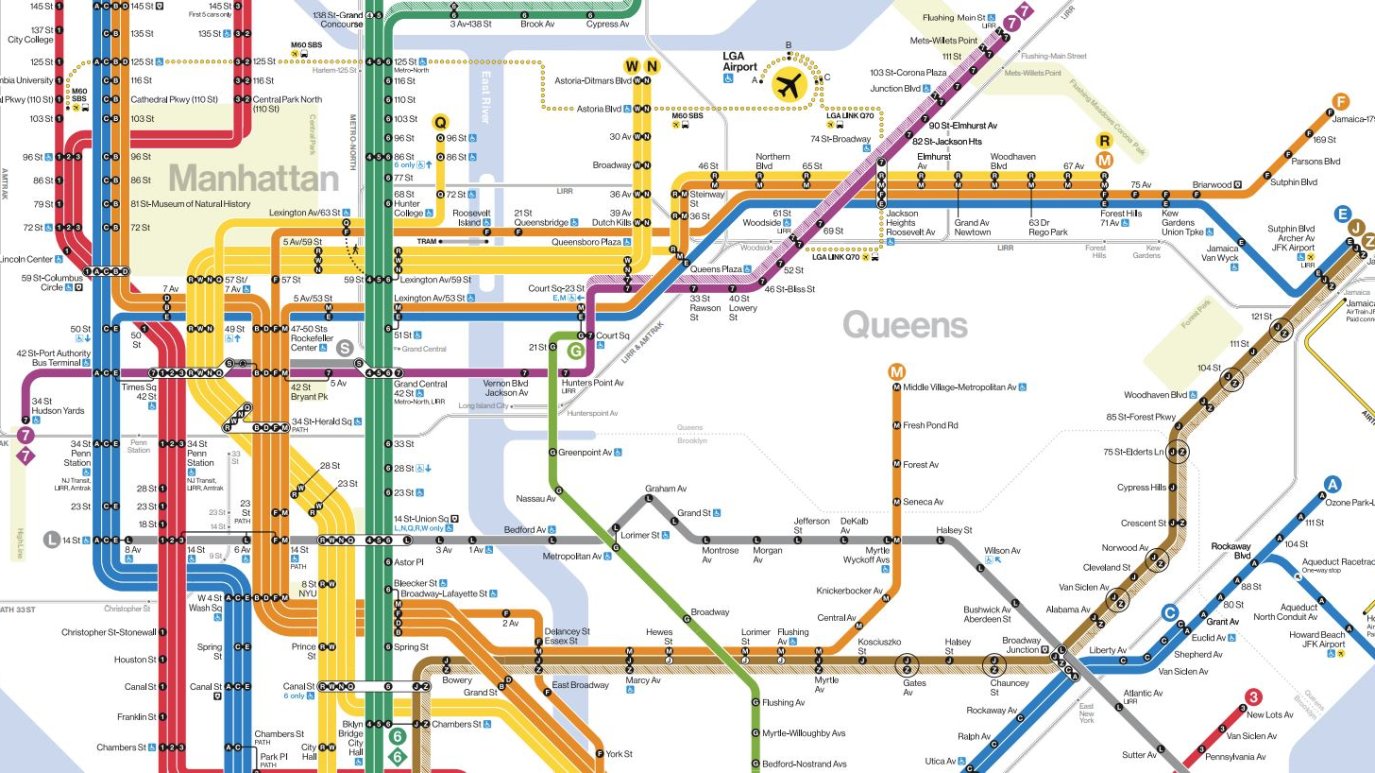
Step-by-Step Guide to Reading the Subway Map for D Train Travel
Planning a trip using the official NYC subway map requires understanding specific visual markers and color-coding conventions utilized by the MTA.
- Locate the Orange Line Identifier: Scan the map for the bright orange trunk line, which represents the Sixth Avenue services, including the B, D, F, and M trains.
- Identify Your Origin Station: Find your starting point on the map and check the station bullet. A solid circle indicates a local stop, while a hollow diamond or specific bullet shape often highlights an express stop or transfer hub.
- Trace the D Designation: Follow the orange line and look for the letter "D" inside the route bullet to confirm that the specific train serves your destination.
- Verify Terminal Signage: Check the bullet or overhead destination sign on the platform to ensure the train is heading toward your intended direction (either Norwood-205th Street or Coney Island-Stillwell Avenue).
- Check Service Advisories: Review any posted service notices on the map board or digital screens for temporary weekend or late-night rerouting lines.
Frequently Asked Questions
Does the D train run 24 hours a day?
Yes, the D train operates 24 hours a day, 7 days a week, though train frequencies decrease significantly during late-night hours, and routes may be adjusted for nightly maintenance. Late-night service typically runs local in certain zones or operates with extended headways between trains.
Is the D train express or local in Manhattan?
During daytime and rush-hour operations, the D train runs express in Manhattan, traveling along the Sixth Avenue line and skipping several local stations between 145th Street and the lower Manhattan crossings. During late nights and certain weekend periods, it may operate local service depending on scheduled track work.
How can I track the D train in real time?
You can track the D train in real time by using the official MTA app, checking digital countdown clocks installed on station platforms, or utilizing third-party transit applications that integrate live MTA feed data. These tools provide minute-by-minute arrival estimates for upcoming trains.
What is the northernmost terminal of the D train?
The northernmost terminal of the D train is Norwood-205th Street located in the Norwood neighborhood of the Bronx. At this terminal, the train transitions from its northern terminus and begins its southward local run down the Grand Concourse.
What should I do if the D train is experiencing major delays?
If the D train is severely delayed, check MTA digital updates to see if cross-honoring is in effect for alternative bus or subway lines. You can often pivot to nearby parallel services such as the 4 train in the Bronx or the B, F, or express lines along adjacent corridors.
Conclusion and Commuter Recommendations
Mastering the NYC subway map D train route requires understanding its unique blend of Bronx local service, Manhattan express speed, and complex Brooklyn routing. By keeping track of service advisories, identifying major transfer hubs, and utilizing real-time MTA tracking tools, commuters can navigate this vital transit artery efficiently. Plan your trips ahead of time, account for scheduled weekend maintenance windows, and always verify station signage to ensure a smooth journey across the city.
Image Gallery