Navigating Ramsey County Court Administration: A Complete Guide to the Second Judicial District in 2026
Ramsey County Court Administration manages the operational logistics, case filings, and public records for Minnesota’s Second Judicial District. Primarily located in St. Paul, the administration oversees criminal, civil, family, probat...
Ramsey County Court Administration manages the operational logistics, case filings, and public records for Minnesota’s Second Judicial District. Primarily located in St. Paul, the administration oversees criminal, civil, family, probate, and juvenile court divisions, ensuring local residents and legal professionals have streamlined access to the Minnesota State Superior Court system’s essential services and judicial proceedings.
Contents
The Ramsey County Court Administration serves as the administrative backbone of the state's second-most populous county. Whether you are a legal professional filing complex litigation via the electronic system or a resident reporting for jury duty, understanding the workflow and digital infrastructure of the Second Judicial District is critical for timely compliance and successful case management. In 2026, the court has fully integrated hybrid hearing models and advanced digital evidence portals, making it more accessible yet technically demanding for those unfamiliar with updated protocols.
The Organizational Framework of the Second Judicial District
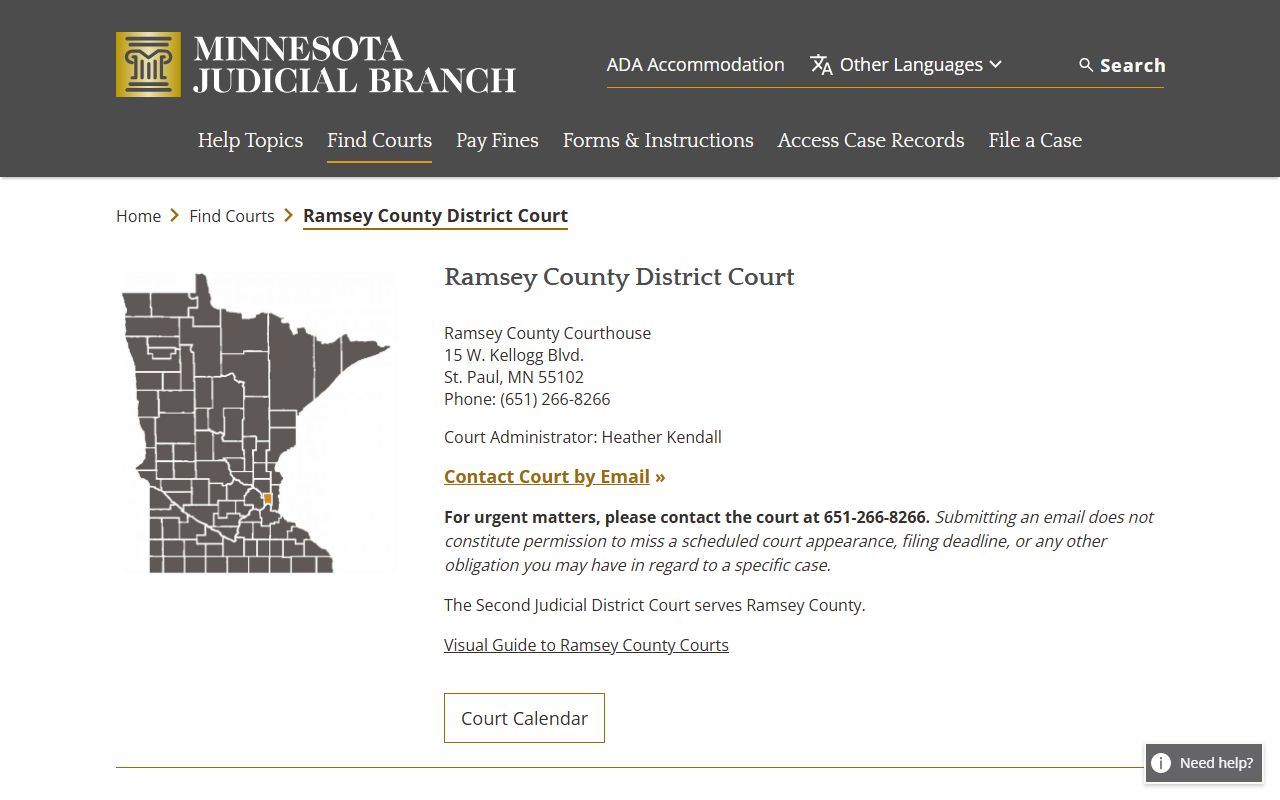
The Second Judicial District is one of ten judicial districts in Minnesota and is unique because it serves a single county: Ramsey. This concentration of resources allows the Ramsey County Court Administration to maintain specialized departments tailored to the urban and suburban needs of the St. Paul metropolitan area.
The administration is led by the District Court Administrator, who oversees a vast team of court clerks, reporters, and administrative specialists. Their primary mandate is to process the thousands of cases filed annually while maintaining the integrity of the Minnesota Court Information System (MNCIS). For litigants, this means that every document submitted—from a simple traffic ticket payment to a complex corporate lawsuit—is cataloged, tracked, and managed through this central administrative hub.
Core Responsibilities of Court Administration
The scope of the Ramsey County Court Administration extends far beyond just "paperwork." Their duties include:
- Case Management: Tracking every stage of a legal proceeding from the initial filing to the final judgment or sentencing.
- Jury Coordination: Managing the selection, summoning, and orientation of thousands of jurors annually to ensure the constitutional right to a trial by peers.
- Financial Oversight: Collecting and distributing court fines, fees, and restitution payments.
- Public Record Accessibility: Maintaining the archives of court proceedings and providing public access to non-confidential records as mandated by the Minnesota Rules of Public Access to Records of the Judicial Branch.
Primary Courthouse Locations and Specialized Facilities
Navigating Ramsey County’s legal system requires knowing which facility handles specific case types. In 2026, the administration continues to operate out of several key locations in St. Paul, each with a distinct focus.
Ramsey County Courthouse and St. Paul City Hall
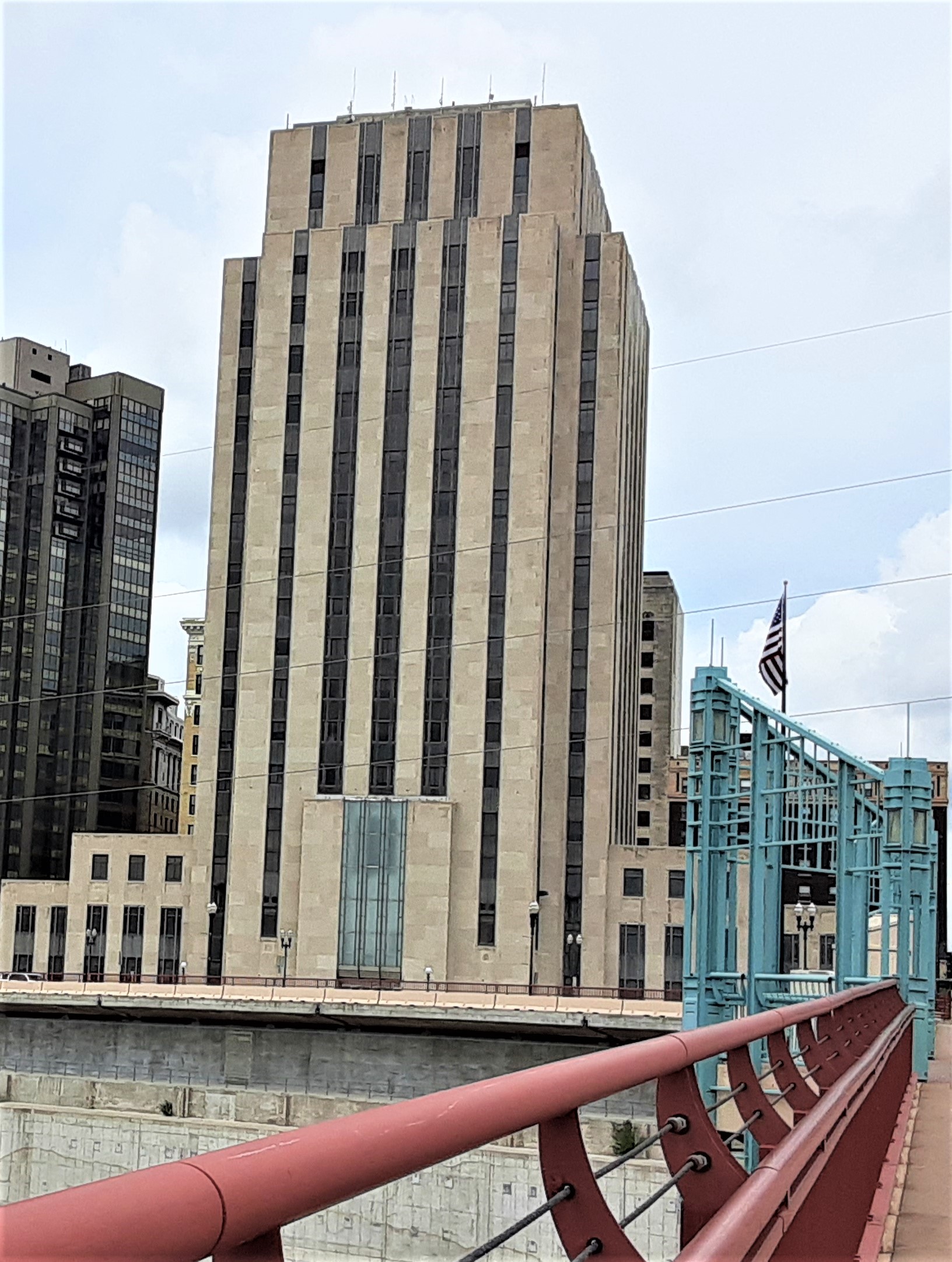
Located at 15 West Kellogg Boulevard, this iconic Art Deco building houses the chambers of many District Court judges. It is the primary site for civil litigation, major criminal trials, and the administration’s executive offices. Visitors here must undergo security screening, and the facility serves as the historical heart of the county's judicial operations.
Ramsey County Law Center
Situated at 90 West Plato Boulevard, the Law Center is the central hub for the Criminal Division. This facility handles the bulk of criminal filings, including felony and misdemeanor cases. It also houses the Ramsey County Sheriff’s Department’s court-related services, making it a high-traffic area for legal counsel and law enforcement.
Juvenile and Family Justice Center
Located at 1600 University Avenue West, this facility is dedicated to sensitive matters involving domestic relations, child custody, and juvenile delinquency. The administration here is trained in specific privacy protocols necessary for family court, ensuring that confidential records are protected while allowing authorized parties access to their case files.
Technical Specifications for Filing and Digital Services
By 2026, Ramsey County Court Administration has mandated electronic filing (eFiling) for all attorneys and highly encourages it for self-represented litigants. The transition to a "digital-first" environment has streamlined the process but requires adherence to specific technical standards.
The eFS (Electronic File and Serve) System
The Minnesota eFile and eServe (eFS) system is the primary portal for submitting documents to Ramsey County.
Technical Requirements for Electronic Submissions
File Formats and Size Limits All documents must be submitted in a searchable PDF format. While the system allows for large filings, individual documents should generally not exceed 25MB to ensure successful transmission and storage within the MNCIS database.
Redaction Responsibilities Under Minnesota General Rule of Practice 11, it is the filer's absolute responsibility to redact restricted identifiers such as Social Security numbers, financial account numbers, and medical record numbers before submission. The Court Administration does not review documents for redaction compliance prior to filing.
Service of Process Using the eFS system for "eService" constitutes valid service under Minnesota rules, provided the receiving party has registered an email address within the system. This eliminates the need for traditional mail service in many civil and family law contexts.
Remote Hearing Protocols
The Second Judicial District utilizes a "One Court, Two Platforms" approach. While many high-stakes criminal trials remain in-person, many administrative hearings, motion arguments, and settlement conferences are held via Zoom for Government. Court Administration provides specific links and technical support for these remote sessions to ensure that the digital divide does not impede access to justice.
2026 Fee Schedule and Financial Operations
Financial transparency is a cornerstone of the Ramsey County Court Administration. Fees are set by the state legislature and are uniform across the district, though specific county-level surcharges may apply.
| Filing Category | Standard Fee (2026) | Notes/Requirements |
|---|---|---|
| Civil Case Initial Filing | $285.00 | Includes summons and complaint filings. |
| Family Court (Dissolution) | $310.00 | Fee includes the mandatory law library fee. |
| Probate (Formal or Informal) | $325.00 | Required for opening an estate or guardianship. |
| Conciliation Court (Small Claims) | $70.00 | For claims up to $15,000. |
| Motion Fee (Civil/Family) | $75.00 | Required for most subsequent motions after initial filing. |
| Criminal Records Check | $15.00 | Per name searched; certified copies cost extra. |
Payment methods accepted at physical counters include credit/debit cards (with a convenience fee), money orders, and cashier's checks. For eFiling, a registered credit card or "Drawdown Account" must be established through the eFS portal.
Accessing Court Records and Evidence
Transparency in judicial proceedings is maintained through the Court Administration’s records department. Most Ramsey County court records are public, with the exception of juvenile, adoption, and certain sealed family or criminal files.
Online Public Access (MPA Remote)
The Minnesota Public Access (MPA) Remote system allows users to view case summaries, calendars, and judgment information online. However, viewing the actual scanned documents usually requires visiting a public access terminal located within one of the Ramsey County courthouses or utilizing the "McRO" (Minnesota Court Records Online) system, which offers document purchasing capabilities for a nominal fee.
Requesting Transcripts
If a written record of a hearing is required, the Court Administration coordinates with the Official Court Reporters. Requests must be submitted in writing, and the cost is calculated per page based on the turnaround time (standard, expedited, or daily). In 2026, digital audio recordings may be available for certain hearing types where a court reporter was not present, though these are typically for reference and not considered the "official" record for appeal purposes.
Jury Service in Ramsey County
Jury duty is a vital component of the Second Judicial District’s operations. The Jury Office, a sub-department of Court Administration, manages the "One Day or One Trial" system.
- Summons: Residents are randomly selected from a pool of voter registration and driver’s license records.
- Qualification: Jurors must be U.S. citizens, at least 18 years old, and residents of Ramsey County.
- Deferral: Jurors can request a one-time deferral to a later date within six months if they have a scheduling conflict.
- Reporting: In 2026, most jurors check their status online or via a dedicated SMS notification system the evening before their service date to see if their presence is required.
Specialized Divisions and Help Centers
For individuals navigating the system without an attorney, Ramsey County Court Administration offers specialized resources to prevent procedural errors that can lead to case dismissal.
The Self-Help Center
Located within the Law Center and also available via virtual appointments, the Self-Help Center provides forms, instructions, and general legal information. While staff cannot provide legal advice or strategy, they ensure that filers are using the correct 2026 versions of court forms and have met the basic requirements for filing.
Probate and Mental Health Division
This division handles the estates of deceased persons, guardianships for incapacitated adults, and civil commitments for mental health or chemical dependency. Because these cases often involve vulnerable populations, the administration here works closely with Ramsey County Social Services to ensure that legal protections are correctly implemented.
Conciliation Court
Often referred to as "Small Claims Court," this division allows individuals to resolve disputes involving amounts up to $15,000 without the complex procedures of District Court. The administration simplifies the process with pre-printed forms and streamlined scheduling, making it the most accessible point of entry for the average resident.
Frequently Asked Questions
How do I find my court date in Ramsey County?
You can search for your court date using the Minnesota Judicial Branch's online "Find Your Court Date" tool by entering your name, citation number, or case number. Alternatively, public access terminals at the Ramsey County Courthouse provide real-time calendar information for all divisions within the Second Judicial District.
Where do I pay a traffic ticket in Ramsey County?
Traffic tickets can be paid online through the Minnesota Court Payment Center (CPC), by mail, or in person at the Ramsey County Law Center. If the ticket is marked "Petty Misdemeanor" and does not require a court appearance, paying the fine acts as a plea of guilty and will close the case.
How can I get a copy of my divorce decree?
Divorce decrees are maintained by the Family Court division of Court Administration. You can request a certified copy by visiting the Juvenile and Family Justice Center or by submitting a written request with the required fee ($14 for a certified copy in 2026). You will need to provide the case number or the full names of both parties and the approximate year of the dissolution.
What should I do if I missed my court date in Ramsey County?
If you miss a court date, you should contact Court Administration immediately. In criminal cases, a failure to appear (FTA) often results in an immediate arrest warrant. In civil or family cases, it may result in a default judgment against you. The clerk can inform you if a warrant has been issued and provide instructions on how to "quash" the warrant or reschedule the hearing.
Are Ramsey County court records available to the public?
Yes, most records are public under the Minnesota Rules of Public Access. You can view case registers of actions online via the MPA Remote system. For detailed document viewing, you must use a public terminal at a Ramsey County court location or the McRO online portal for a fee. Some cases, such as those involving juveniles or adoptions, are strictly confidential.
Strategic Advice for Interacting with Court Administration
When dealing with Ramsey County Court Administration, precision and timing are paramount. In 2026, the court system is highly automated; documents that do not meet formatting standards are frequently "rejected" by the eFiling system, which can lead to missed deadlines and jurisdictional issues.
- Verify Versions: Always ensure you are using the most current 2026 court forms available on the Minnesota Judicial Branch website, as outdated forms are a primary cause of administrative delays.
- Arrive Early for Security: If attending in person at 15 West Kellogg Boulevard or 90 West Plato Boulevard, allow at least 20 minutes for security screening. Weapons, certain electronics, and recording devices are strictly prohibited.
- Monitor the Portal: For those with active cases, checking the eFS portal daily is essential. Notice of orders or hearings is often delivered electronically, and the "clock" for response times begins the moment the document is served via the system.
For official updates and to access the eFiling portal, please visit the Minnesota Judicial Branch - Second District website.
Image Gallery