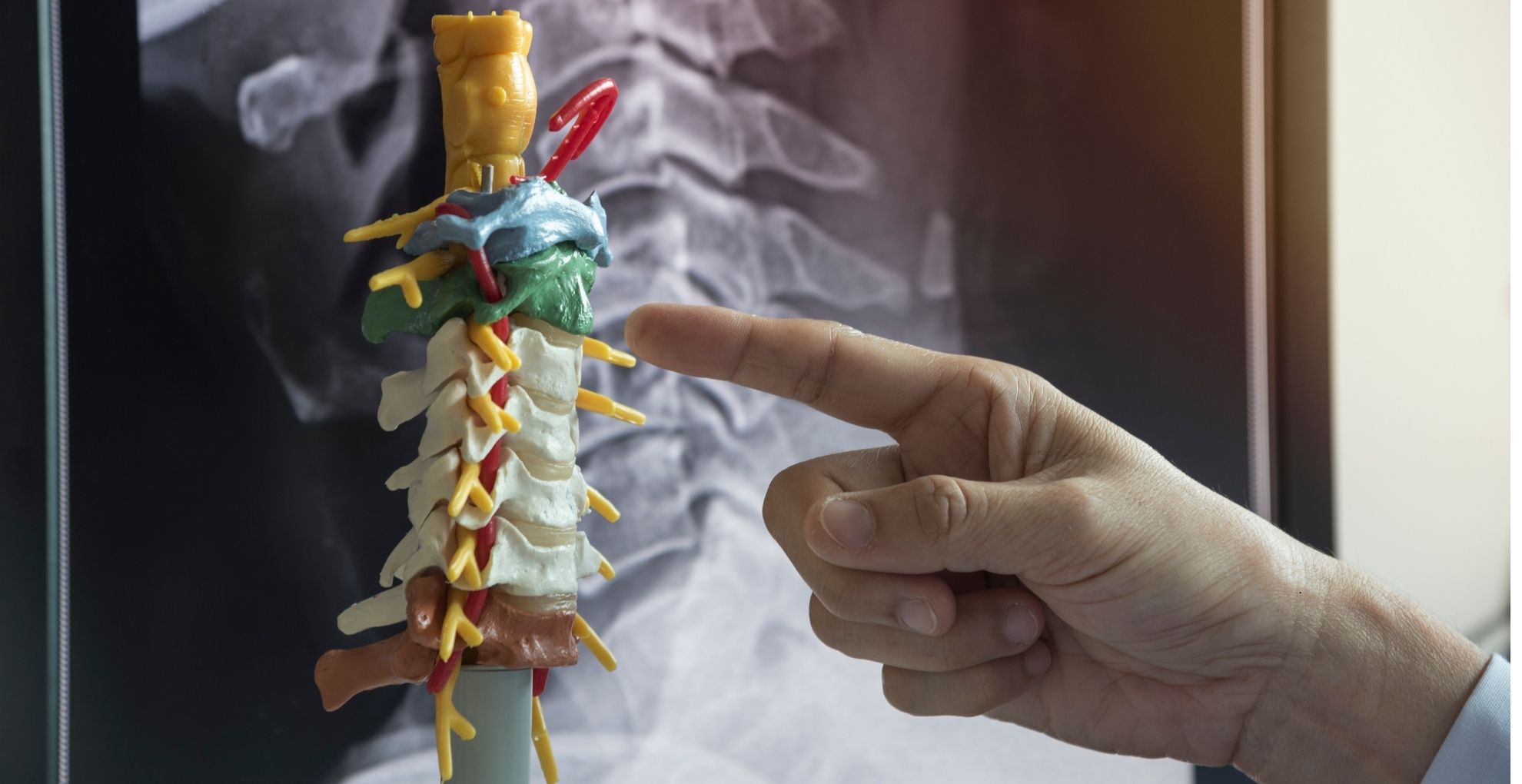
What Does a Professional Chiropractor Actually Do?
A professional chiropractor is a licensed healthcare provider who specializes in the diagnosis, treatment, and prevention of mechanical disorders of the musculoskeletal system, particularly the spine. They utilize non-invasive, manual...
A professional chiropractor is a licensed healthcare provider who specializes in the diagnosis, treatment, and prevention of mechanical disorders of the musculoskeletal system, particularly the spine. They utilize non-invasive, manual techniques—most notably spinal adjustments—to improve joint function, reduce pain, and support the body’s ability to heal itself without surgery or medication.
Contents
While many people associate chiropractic care exclusively with "back cracking," the modern profession in 2026 encompasses a broad spectrum of evidence-based practices. Chiropractors function as primary contact practitioners, meaning they are trained to assess patients directly and determine whether chiropractic care is appropriate or if a referral to a medical specialist is necessary. Their role involves a sophisticated blend of biomechanical analysis, neurological testing, and physical rehabilitation.
The Core Philosophy and Modern Clinical Approach
The fundamental premise of chiropractic care is the relationship between the structure of the spine and the function of the nervous system. Because the spinal cord serves as the primary conduit for neurological signals traveling between the brain and the rest of the body, misalignments or restricted movement in the vertebrae (often referred to clinically as joint dysfunctions) can interfere with optimal health.
In 2026, the profession has largely transitioned from a purely "subluxation-based" model to an integrated, evidence-based musculoskeletal model. Modern chiropractors focus on restoring proper "joint play" and biomechanical efficiency. When a joint is restricted, it can lead to compensatory patterns, muscle tension, and localized inflammation. By applying a controlled, specific force to these restricted segments, chiropractors aim to normalize the mechanical environment of the body.
The Consultation: Diagnosis and Assessment
A professional chiropractor does not begin treatment immediately upon meeting a patient. Like any other healthcare provider, the process starts with a rigorous diagnostic phase. This is essential to ensure patient safety and to identify the root cause of the patient’s symptoms rather than just treating the surface pain.
Comprehensive Health History
The practitioner begins by reviewing the patient’s medical history, including past injuries, surgeries, chronic conditions, and lifestyle factors. In 2026, this often involves reviewing digital health records and coordinating with the patient’s primary care physician to ensure a holistic understanding of their health status.
Physical and Neurological Examination
The physical exam is multi-faceted. It typically includes:
- Static and Dynamic Palpation: The chiropractor feels the spine and surrounding tissues while the patient is stationary and in motion to identify areas of rigidity or tenderness.
- Range of Motion (ROM) Testing: Measuring how far a joint can move in various directions to pinpoint restrictions.
- Orthopedic Testing: Specific physical maneuvers designed to identify issues with discs, ligaments, or tendons (e.g., the Straight Leg Raise test for sciatica).
- Neurological Screening: Checking reflexes, muscle strength, and sensory perception to determine if nerve root compression is present.
Diagnostic Imaging
While not always required, a chiropractor may order X-rays, MRI scans, or CT scans. These are used to rule out "red flags" such as fractures, tumors, or severe infections, and to visualize the structural integrity of the spinal column before performing manual manipulations.
Primary Treatment Modalities: What Happens on the Table
Once a diagnosis is established, the chiropractor employs various techniques tailored to the patient’s specific needs. While the "adjustment" is the hallmark of the profession, it is rarely the only tool used.
Spinal Manipulation (The Adjustment)
The most common procedure is the High-Velocity, Low-Amplitude (HVLA) thrust. The chiropractor applies a quick, precise force to a specific joint. This often results in a "pop" or "click" sound, known as cavitation. This sound is caused by the release of gas bubbles (oxygen, nitrogen, and carbon dioxide) from the synovial fluid within the joint capsule due to a sudden change in pressure. The goal is to increase the range of motion and stimulate mechanoreceptors, which can help inhibit pain signals.
Mobilization
For patients who may not be candidates for high-force thrusts—such as those with osteoporosis or acute inflammatory conditions—chiropractors use joint mobilization. This involves slow, rhythmic stretching of the joint to its end range of motion without the sudden thrust.
Soft Tissue Therapy
Professional chiropractors frequently address the "active" side of the musculoskeletal system: the muscles and fascia. Techniques may include:
- Myofascial Release: Applying sustained pressure into connective tissue restrictions.
- Instrument-Assisted Soft Tissue Mobilization (IASTM): Using specialized tools (like Graston technique tools) to break up scar tissue and adhesions.
- Trigger Point Therapy: Applying direct pressure to hypersensitive "knots" in the muscle.
Rehabilitative Exercise and Ergonomics
In 2026, a significant portion of a chiropractor's work involves active care. They prescribe specific strengthening and stretching routines to stabilize the joints they have adjusted. Furthermore, they provide ergonomic advice, helping patients adjust their workstations or lifting techniques to prevent the recurrence of injury.
Educational and Licensing Requirements
To practice as a professional chiropractor, an individual must undergo extensive doctoral-level training. The journey is rigorous and mirrors many aspects of medical school, with a heavy emphasis on anatomy, physiology, and neurology.
| Requirement | Description |
|---|---|
| Prerequisite Education | Typically 3-4 years of undergraduate study in sciences (Biology, Kinesiology, Chemistry). |
| Degree Earned | Doctor of Chiropractic (D.C.), involving 4-5 years of specialized graduate study. |
| Clinical Hours | Minimum of 1,000 hours of supervised clinical internship treating patients. |
| National Board Exams | Success in parts I, II, III, and IV of the National Board of Chiropractic Examiners (NBCE) exams. |
| State Licensure | Ongoing mandatory continuing education (CE) credits to maintain an active license. |
| Scope of Practice | Varies by jurisdiction but generally includes diagnosis, treatment, and referral. |
Conditions Commonly Managed by Chiropractors
While most people seek chiropractic care for "back pain," the scope of practice is broader. Research and clinical guidelines as of 2026 support the use of chiropractic intervention for several specific musculoskeletal conditions:
- Acute and Chronic Low Back Pain: This remains the most common reason for visits, with spinal manipulation often recommended as a first-line, non-pharmacological treatment.
- Neck Pain and Whiplash: Manual therapy is effective for mechanical neck pain and recovery from acceleration-deceleration injuries.
- Cervicogenic Headaches: These are headaches that originate from issues in the cervical spine (neck).
- Sciatica and Disc Herniations: Non-surgical spinal decompression and specific adjustments can often alleviate the radiating leg pain associated with disc issues.
- Extremity Issues: Professional chiropractors also treat joints outside the spine, including shoulders, wrists, hips, knees, and ankles (e.g., plantar fasciitis or carpal tunnel syndrome).
Safety, Risks, and Professional Ethics
Chiropractic care is widely recognized as one of the safest drug-free, non-invasive therapies available for neuromusculoskeletal complaints. However, no medical treatment is without risk.
The most common side effects are temporary and include localized soreness, stiffness, or slight aching, similar to the feeling after a new workout. These typically resolve within 24 to 48 hours. Serious complications, such as vertebral artery dissection (a type of stroke), are extremely rare—estimated at roughly one in several million adjustments. Professional chiropractors are trained to perform specific screenings (such as checking for "the 5 Ds and 3 Ns"—dizziness, drop attacks, diplopia, etc.) to identify patients at risk before performing cervical manipulations.
Ethically, a professional chiropractor is bound to "refer out" when a condition is beyond their scope. For instance, if a patient presents with "red flags" like unexplained weight loss, night sweats, or bowel/bladder dysfunction, a chiropractor will immediately direct that patient to an emergency department or an oncologist.
Chiropractic vs. Physical Therapy: The Distinction
Patients often wonder whether they should see a chiropractor or a physical therapist. While there is significant overlap, the primary difference lies in the initial intervention.
Chiropractors are specialized in the direct manipulation of the joint structure to restore motion, whereas physical therapists typically focus more on movement patterns, muscle imbalances, and functional rehabilitation. In a modern 2026 healthcare setting, these two professions often work side-by-side in integrated clinics to provide the patient with both the structural correction and the functional movement training needed for long-term health.
Frequently Asked Questions
Is the "popping" sound necessary for a successful treatment?
No, the sound is simply a physiological byproduct of the pressure change within the joint. While many patients feel a sense of immediate relief when the joint "pops," the therapeutic benefits—such as increased range of motion and neurological stimulation—can occur without any audible sound.
How many sessions are usually required?
The number of sessions varies significantly based on the chronicity of the condition, the patient’s age, and their overall health. An acute strain might resolve in 3–6 visits, while chronic postural issues or disc injuries may require several months of tapering care. A professional chiropractor will always provide a specific "Report of Findings" and a projected timeline for recovery.
Can children and the elderly see a chiropractor?
Yes, but the techniques used are drastically different. For infants and children, the force used is often no more than the pressure you would use to check the ripeness of a tomato. For the elderly, chiropractors focus on gentle mobilization and balancing techniques to improve mobility and reduce the risk of falls.
Is chiropractic care covered by insurance in 2026?
Most major health insurance plans, including Medicare and many employer-sponsored programs, provide coverage for chiropractic services. However, coverage often focuses on "active" care (treatment of a specific injury) rather than "maintenance" or "wellness" care.
Do chiropractors prescribe medication?
Generally, no. The chiropractic profession is built on the foundation of non-pharmacological intervention. While a few jurisdictions have considered limited prescriptive authority for muscle relaxants or NSAIDs, the vast majority of chiropractors focus on manual therapy, nutrition, and lifestyle modifications as alternatives to medication.
Practical Recommendation
If you are considering chiropractic care, the first step is to verify the credentials of the practitioner through your local or state licensing board. When you attend your first session, look for a provider who performs a thorough physical examination and takes the time to explain your diagnosis.
Avoid practitioners who demand long-term, expensive "pre-paid" plans before performing an assessment, or those who claim to cure non-musculoskeletal diseases (like asthma or allergies) through spinal adjustments alone. A professional, evidence-based chiropractor will focus on your biomechanical health, provide you with exercises to do at home, and work collaboratively with your other healthcare providers to ensure the best possible outcome for your physical well-being.
Image Gallery