Understanding the Life and Legacy Surrounding the Death of Lori and George Schappell
Lori and George Schappell were iconic American conjoined twins who lived independent, fulfilling lives despite sharing critical blood vessels and a portion of their skulls. Their passing in April 2024 at the age of 62 drew global atten...
Lori and George Schappell were iconic American conjoined twins who lived independent, fulfilling lives despite sharing critical blood vessels and a portion of their skulls. Their passing in April 2024 at the age of 62 drew global attention, prompting renewed interest in their unique medical history, their resilience, and their advocacy for bodily autonomy and individual identity.
Contents
Introduction to Lori and George Schappell
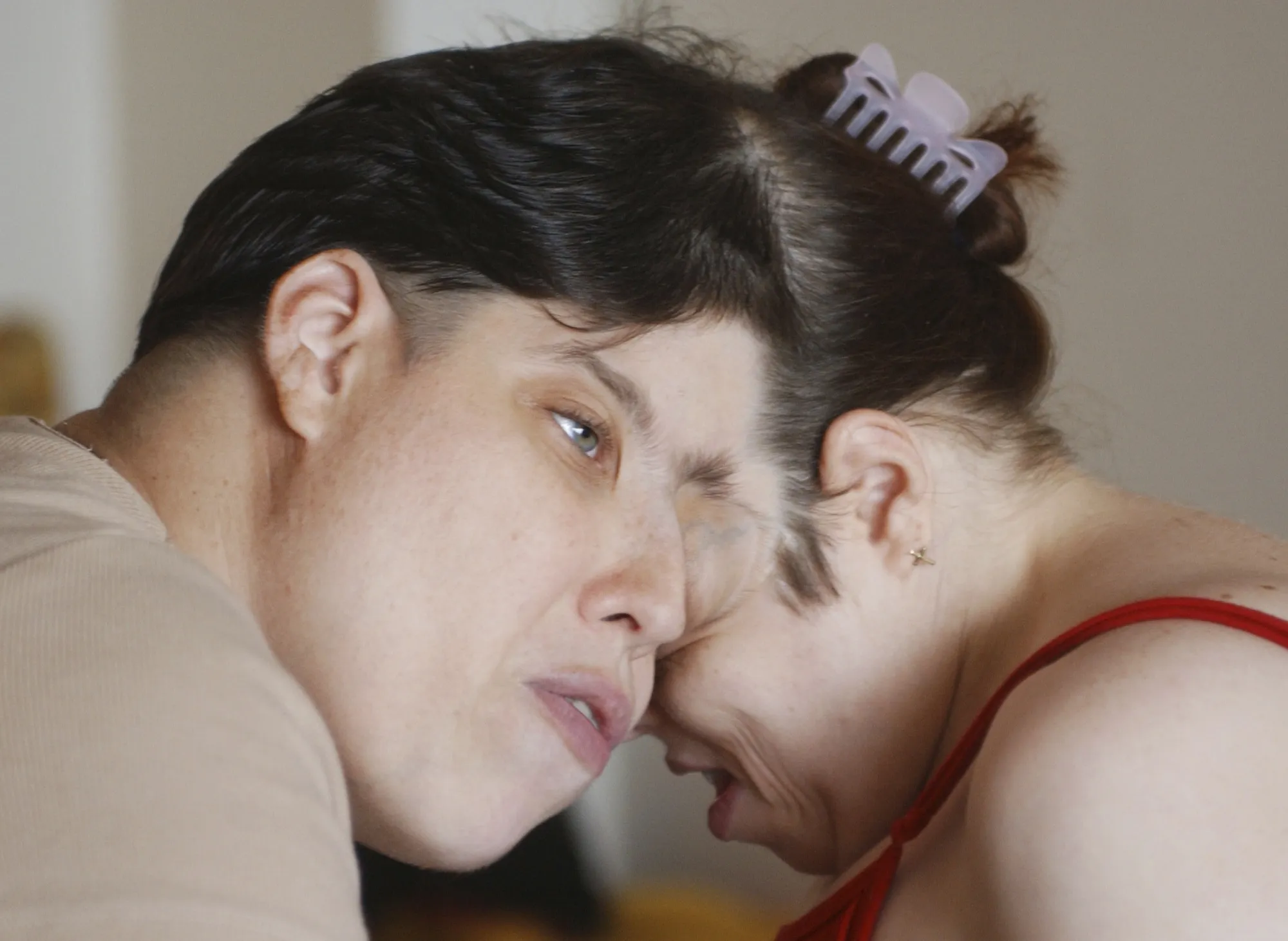
The lives of Lori and George Schappell challenged conventional perceptions of disability, identity, and personal independence. As craniopagus twins—meaning they were joined at the head—they shared approximately 30 percent of their brain matter, including critical blood vessels, yet developed entirely distinct personalities, careers, and personal aspirations. When their deaths were announced in April 2024, they were recognized as the oldest living conjoined twins in the world at the time of their passing.
Understanding the circumstances of Lori and George Schappell requires looking past the sensationalism often attached to conjoined twins in media. Throughout their lives, they navigated extraordinary medical, social, and logistical challenges, setting a precedent for how individuals with significant physical connections can lead separate, autonomous lives under the same roof.
Medical Background and Anatomical Characteristics
Lori and George Schappell were born on September 18, 1961, in Reading, Pennsylvania. Anatomically, they were classified as craniopagus twins, a rare form of conjoined twinning where the individuals are joined at the skull. Crucially, while they shared a vital blood vessel network and bone structure across their craniums, their brains were separate.
Medical evaluations throughout their lives established that surgical separation was impossible without catastrophic consequences. Surgeons determined that attempting to divide the shared blood vessels or separate the cranial tissue would have likely resulted in the death or severe neurological impairment of both individuals. Consequently, Lori and George accepted their anatomy early in life and focused on maximizing their individual capabilities within the framework of their physical reality.
| Feature | Description |
|---|---|
| Birth Date | September 18, 1961 |
| Place of Birth | Reading, Pennsylvania, USA |
| Passing Date | April 7, 2024 |
| Age at Passing | 62 years |
| Twinning Type | Craniopagus (joined at the skull) |
| Shared Anatomy | Approximately 30% of brain tissue and critical blood vessels |
Navigating Independence and Daily Life
Despite sharing a physical connection that mandated they remain side-by-side for every moment of their lives, Lori and George cultivated vastly different lifestyles, careers, and personal interests. This level of autonomy required extraordinary cooperation, psychological resilience, and logistical planning.
To accommodate their different heights and physical postures—George had spina bifida and used a wheelchair that Lori pushed—they developed a dynamic system of movement and compromise. When they went out in public or traveled, they managed their physical proximity by using curtains or simply turning their heads away from each other when privacy was desired.
Furthermore, they maintained separate living quarters within the same home. They took turns decorating their respective spaces, pursued individual hobbies, and maintained distinct circles of friends. This arrangement demonstrated to the medical community and the public that physical proximity does not preclude psychological and personal independence.
Professional Pursuits and Public Profile
Lori and George Schappell achieved notable success in their respective professional fields, breaking stereotypes associated with severe physical disabilities. George pursued a successful career as a professional country music singer, performing under the name Reba Schappell before transitioning to his preferred name, George. He traveled extensively for concerts, requiring Lori to accompany him to every venue, where she would quietly support his performances from backstage or the wings.
Lori built an independent career in the healthcare sector, working for several years in a hospital laundry department. She structured her work hours around George’s music touring schedule, balancing professional commitments with their shared daily routines.
In addition to their careers, the twins made numerous television appearances. They were featured in documentaries, talk shows, and news specials designed to educate the public about conjoined twins and dispel myths about their quality of life. Through these platforms, they consistently emphasized that they were two entirely separate people who happened to share a body, rather than a single entity.
Circumstances of Death and Global Reaction
Lori and George Schappell passed away on April 7, 2024, at the Hospital of the University of Pennsylvania. They were 62 years old, surpassing initial medical expectations for craniopagus twins, who historically faced high mortality rates in infancy or early childhood. While official statements confirmed their passing, specific medical details regarding the immediate cause of death were kept private by their family and representatives out of respect for their privacy.
Their deaths marked the end of an era for the documentation of long-surviving conjoined twins. News of their passing was covered by major international media outlets, prompting tributes from medical researchers, fans of George’s music, and disability advocacy groups. Observers highlighted how the twins redefined societal expectations of disability, proving that a fulfilled, self-directed life is possible under the most extraordinary physical constraints.
Frequently Asked Questions
Could Lori and George Schappell have been surgically separated?
No. Medical experts determined throughout their lives that separation was medically impossible. Because they shared vital blood vessels and a significant portion of brain tissue, any surgical attempt to divide them would have posed a fatal risk to both individuals.
How did Lori and George maintain personal privacy?
Despite being physically connected, Lori and George maintained privacy by establishing clear personal boundaries. They lived in separate rooms within their home, pursued independent careers and hobbies, and used strategies like turning away from each other or using physical barriers when one wanted privacy from the other.
What was the cause of death for Lori and George Schappell?
They passed away on April 7, 2024, at the age of 62 at the Hospital of the University of Pennsylvania. Specific medical details regarding the exact cause of death were not publicly disclosed, in accordance with the family's wishes.
How long do craniopagus twins typically live?
Craniopagus twinning is one of the rarest forms of conjoined twins, representing a small percentage of all cases. Many do not survive infancy, and those who reach adulthood are exceptionally rare. Lori and George Schappell were among the oldest known craniopagus twins in history.
Conclusion and Continuing Legacy
The lives and eventual passing of Lori and George Schappell stand as a testament to human adaptability, mutual respect, and personal autonomy. By refusing to let their unique anatomy dictate the boundaries of their ambitions, they inspired millions and contributed valuable insights to the medical community regarding long-term survival in craniopagus cases. Their legacy continues to influence discussions surrounding disability rights and individual identity.
Image Gallery